

 English
 русский
 Español
 عربى

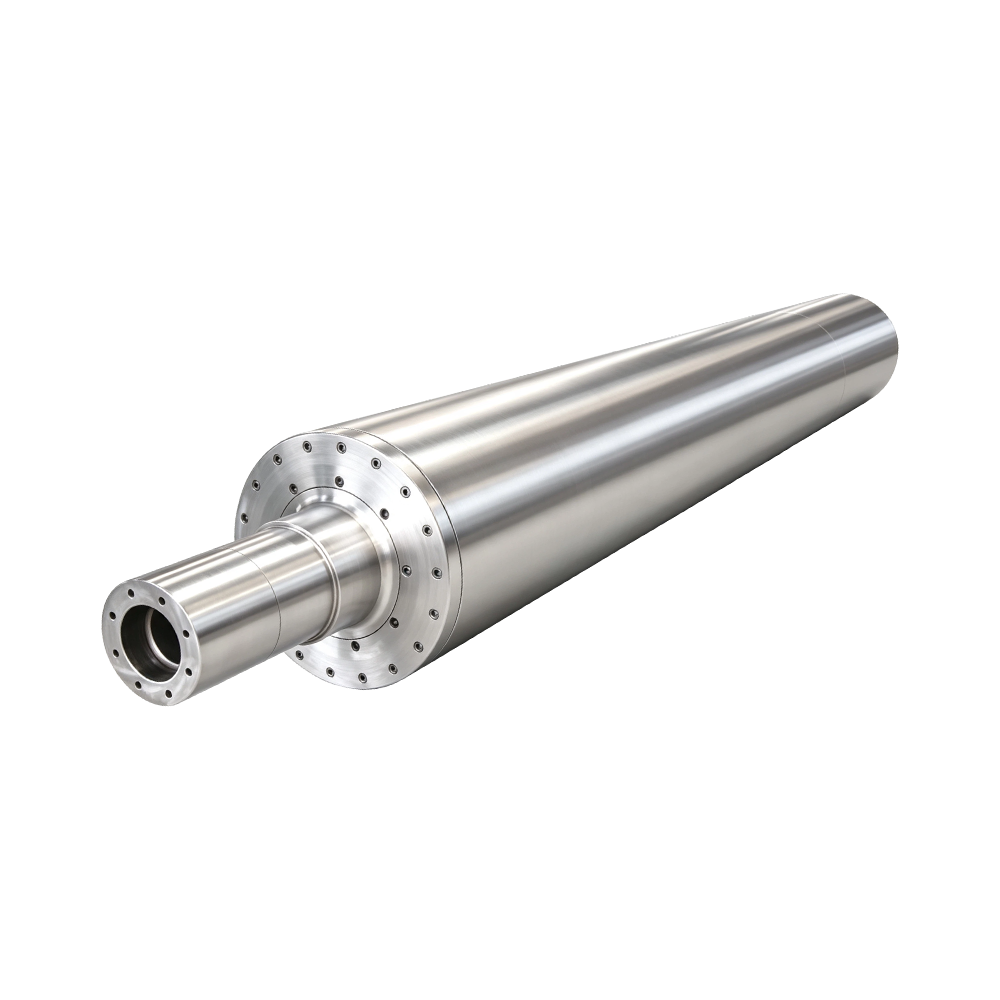
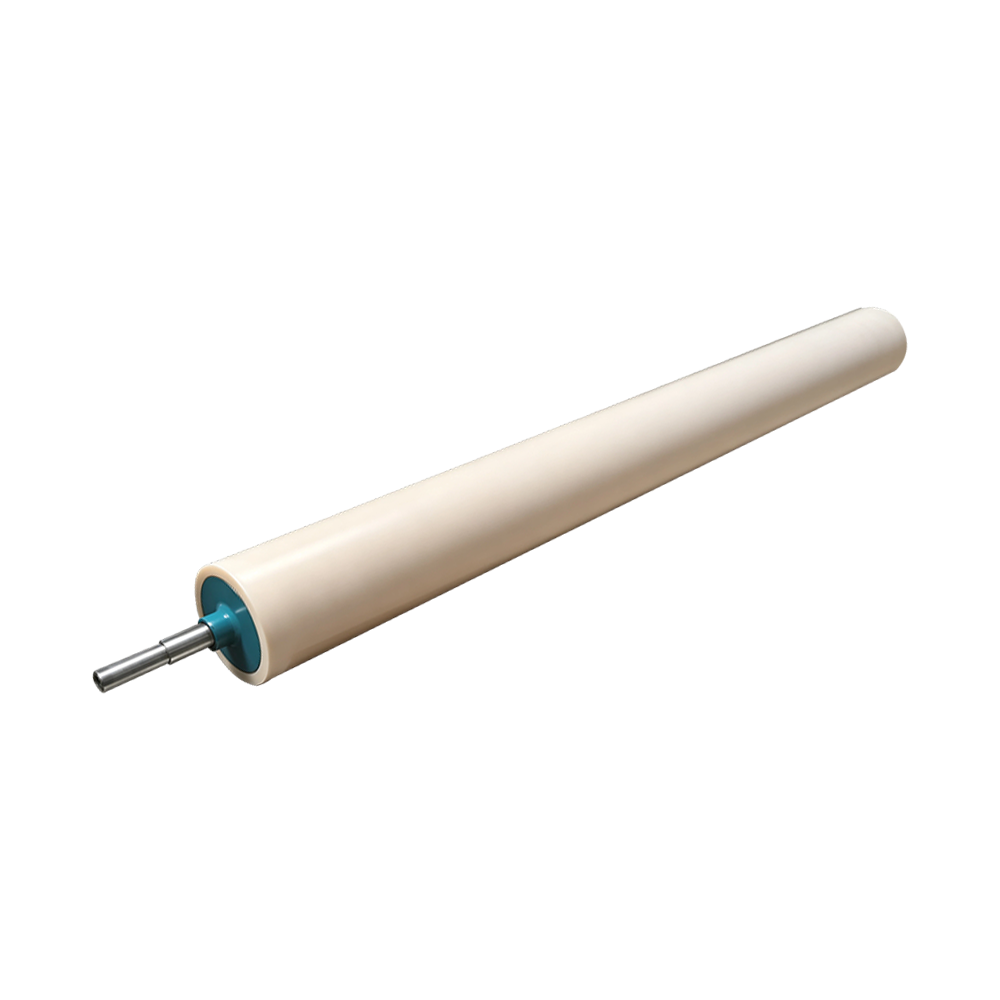
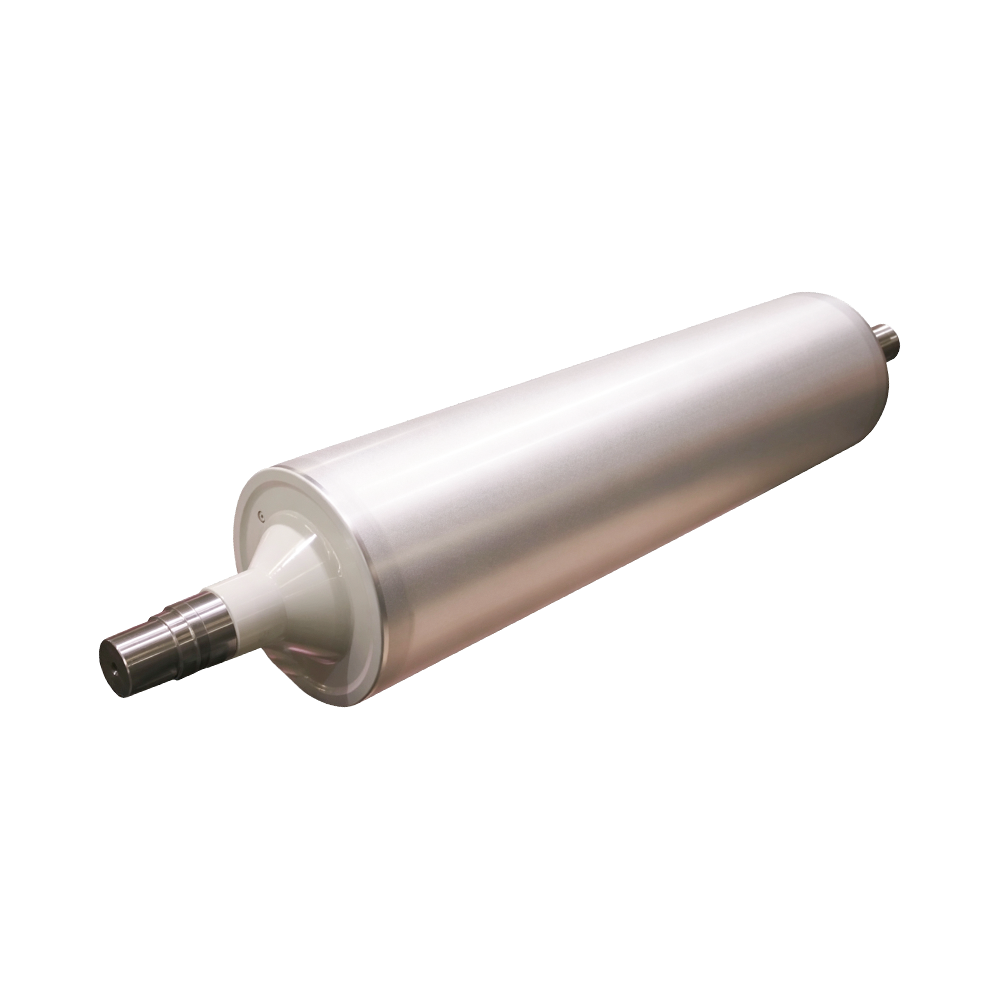
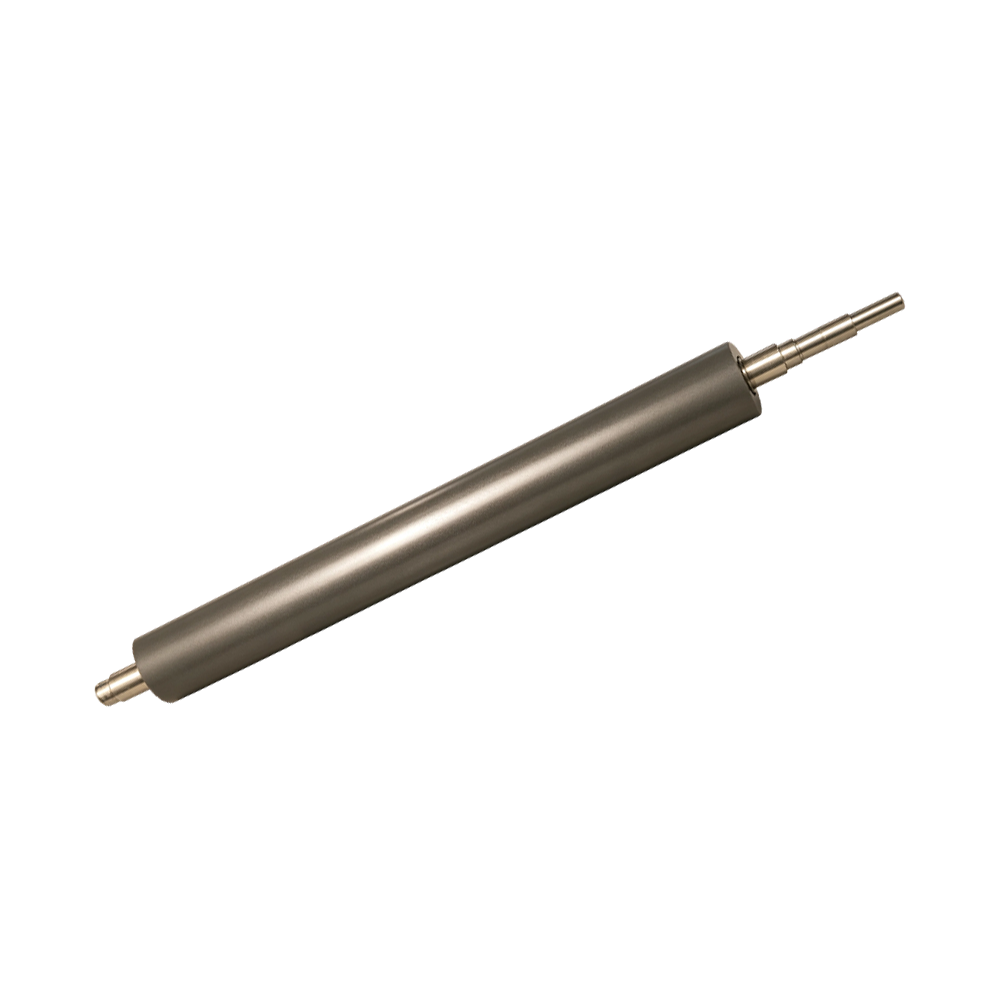
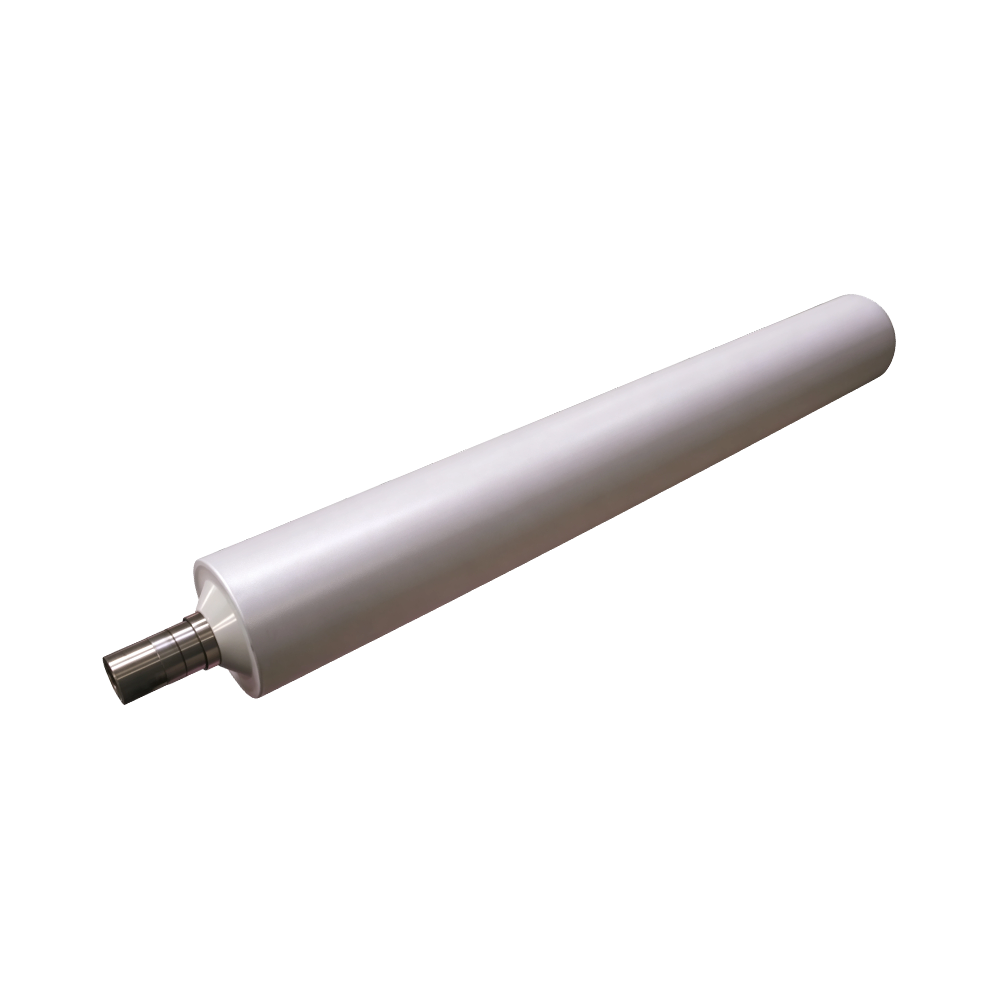
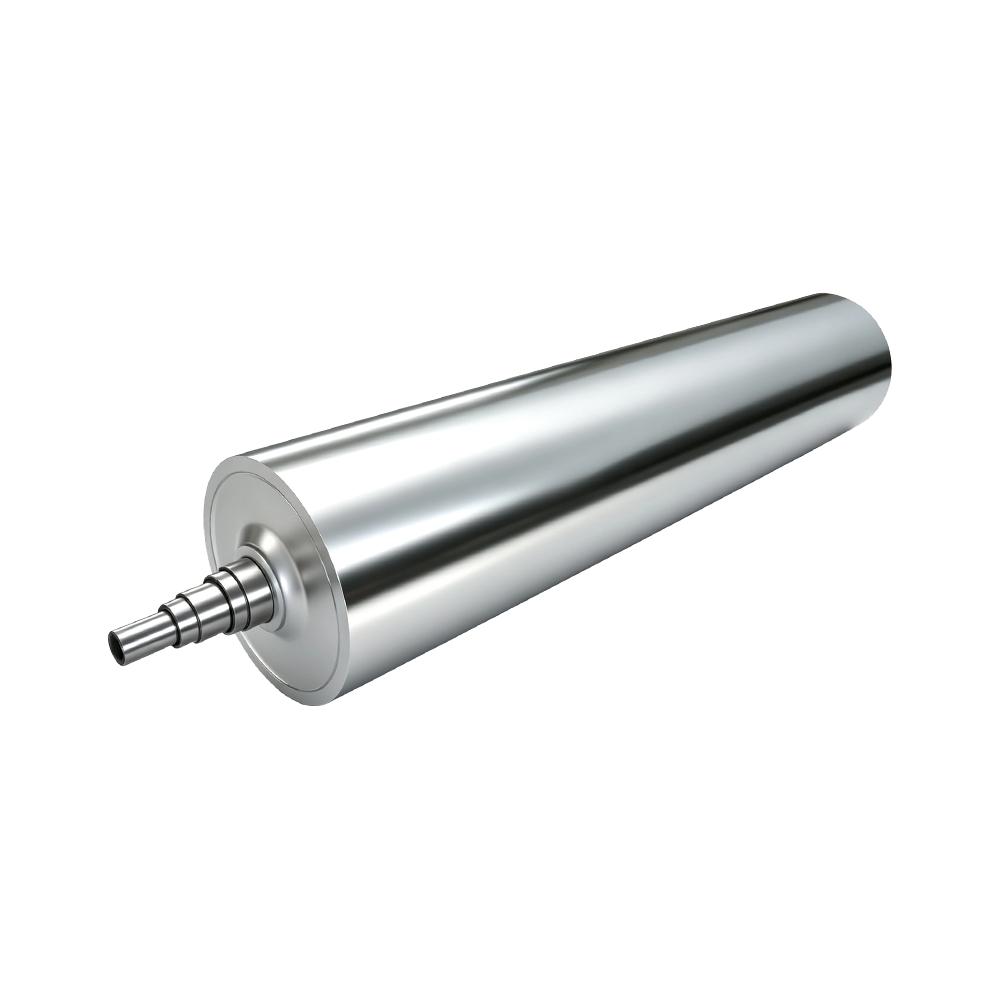
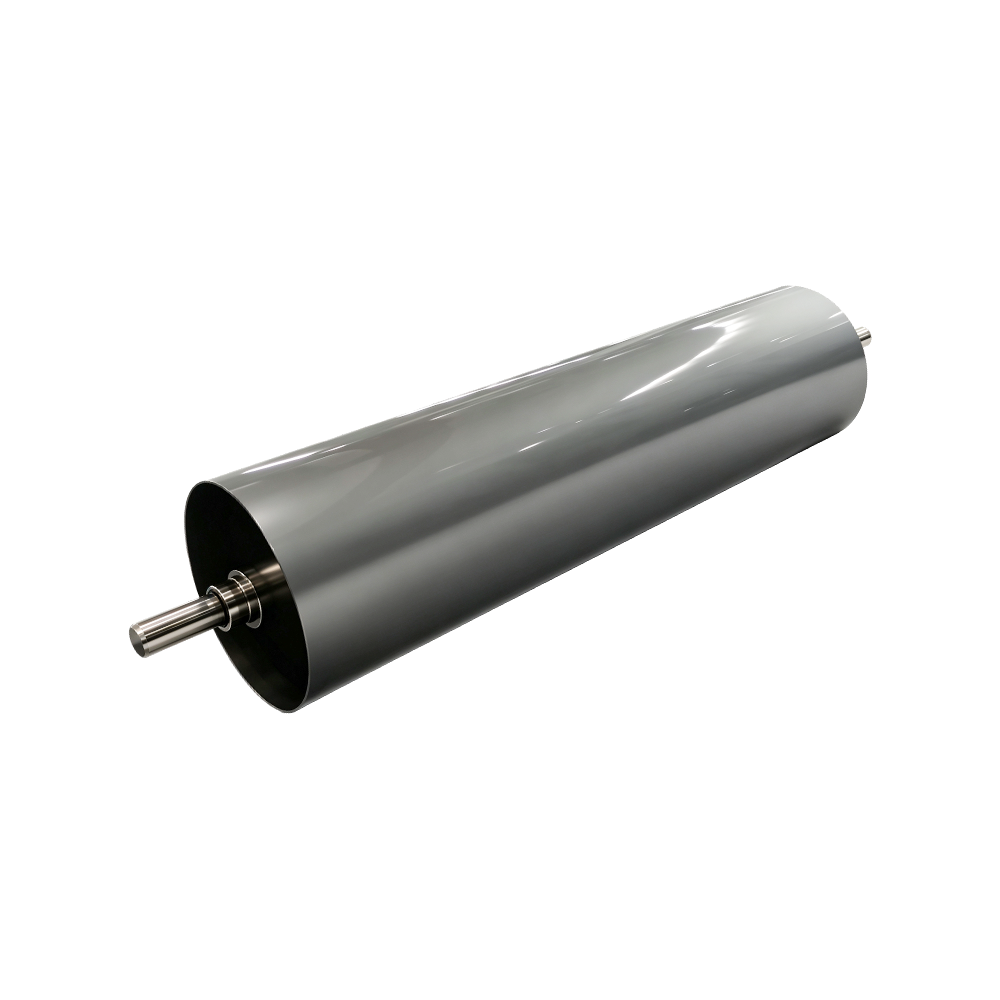
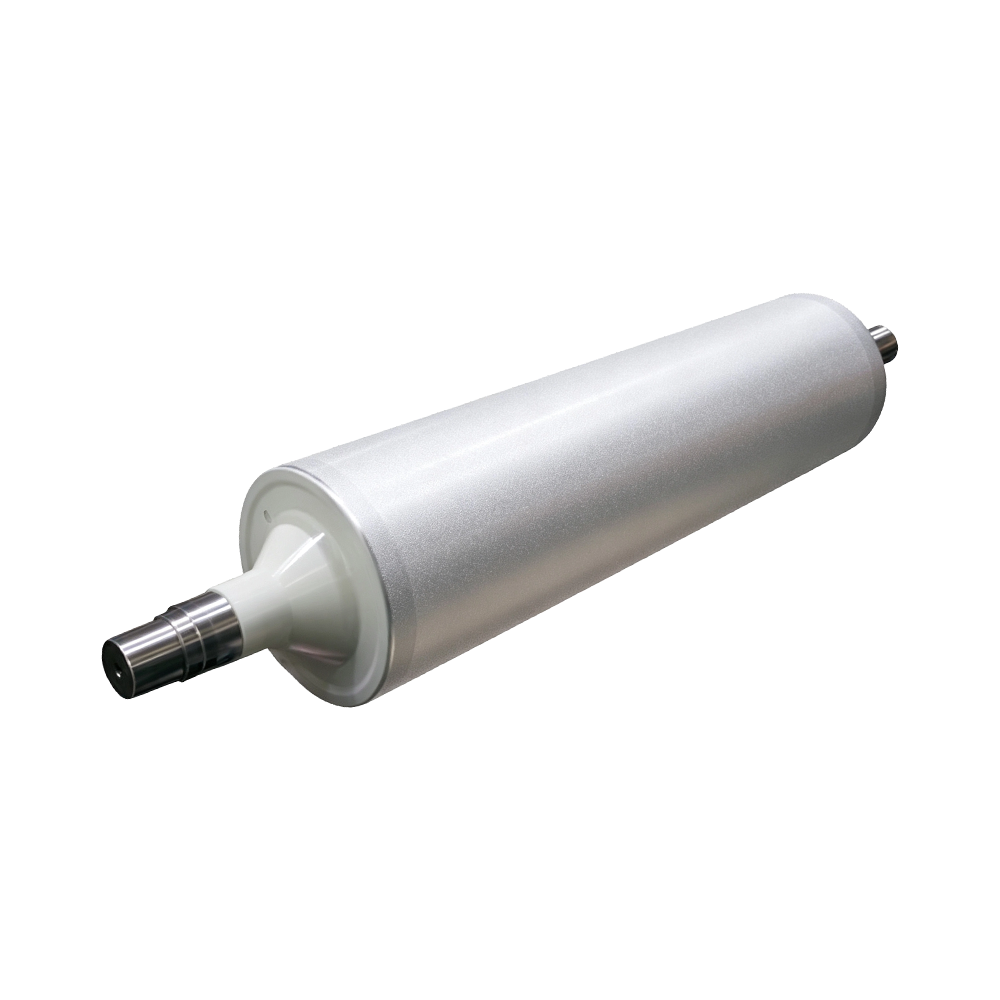
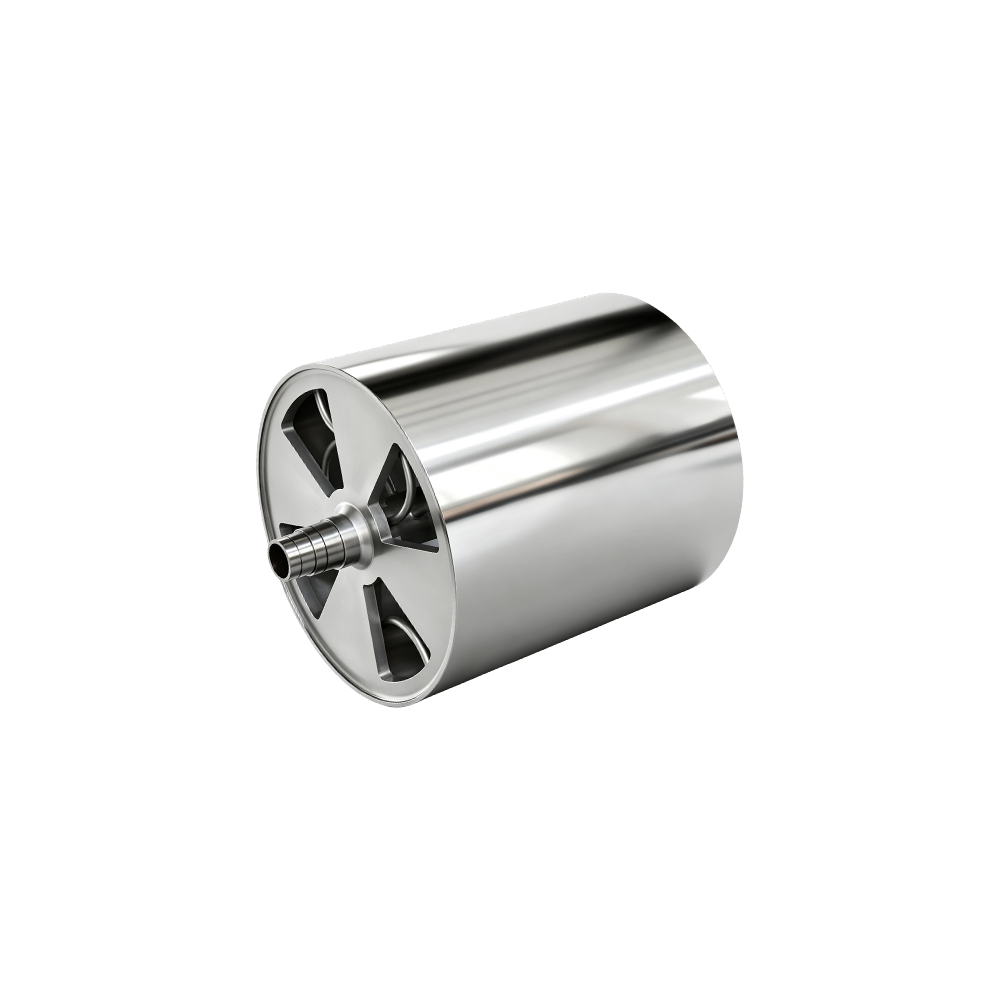
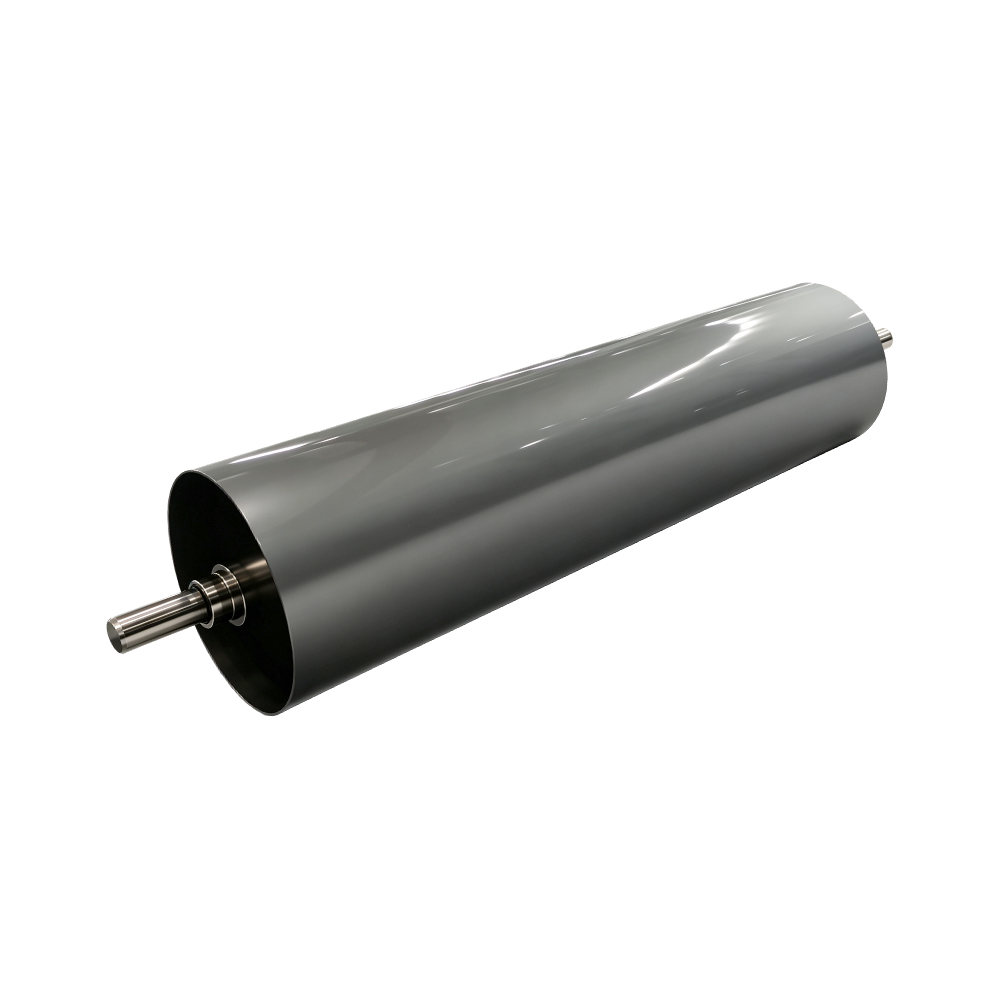
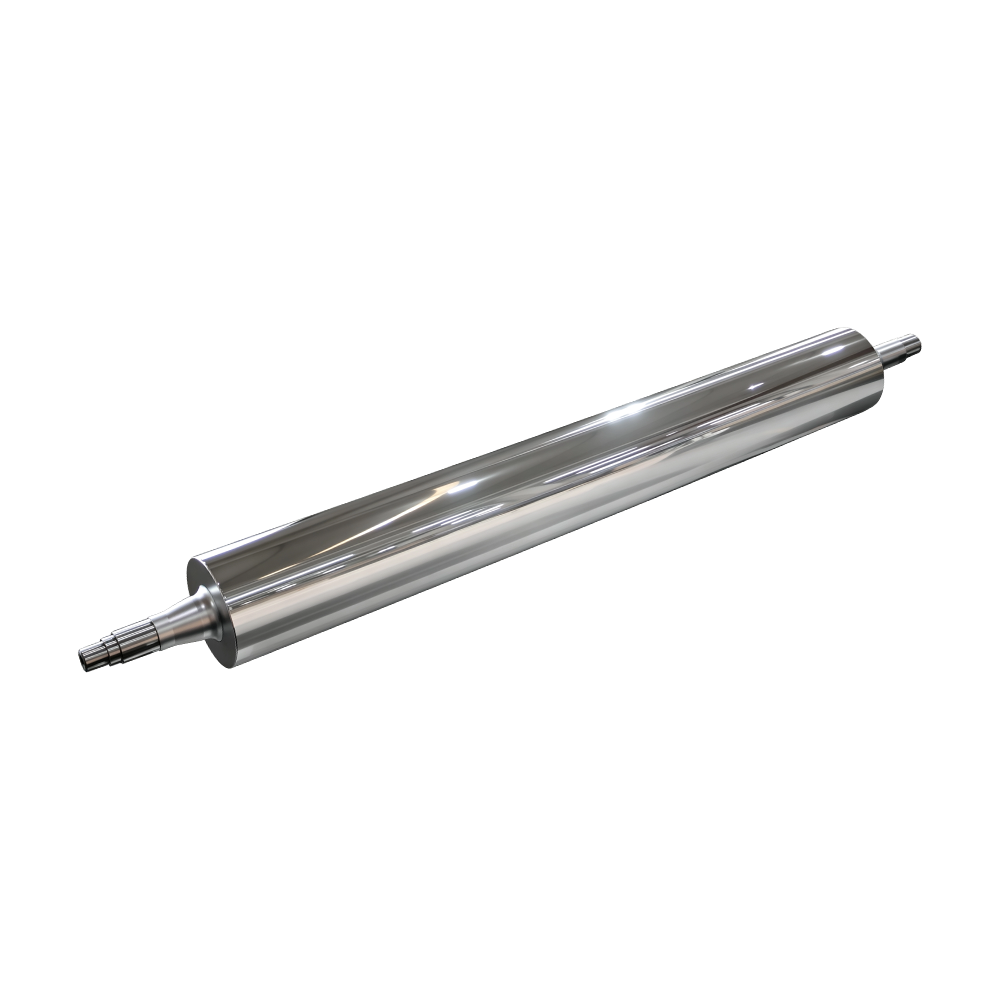
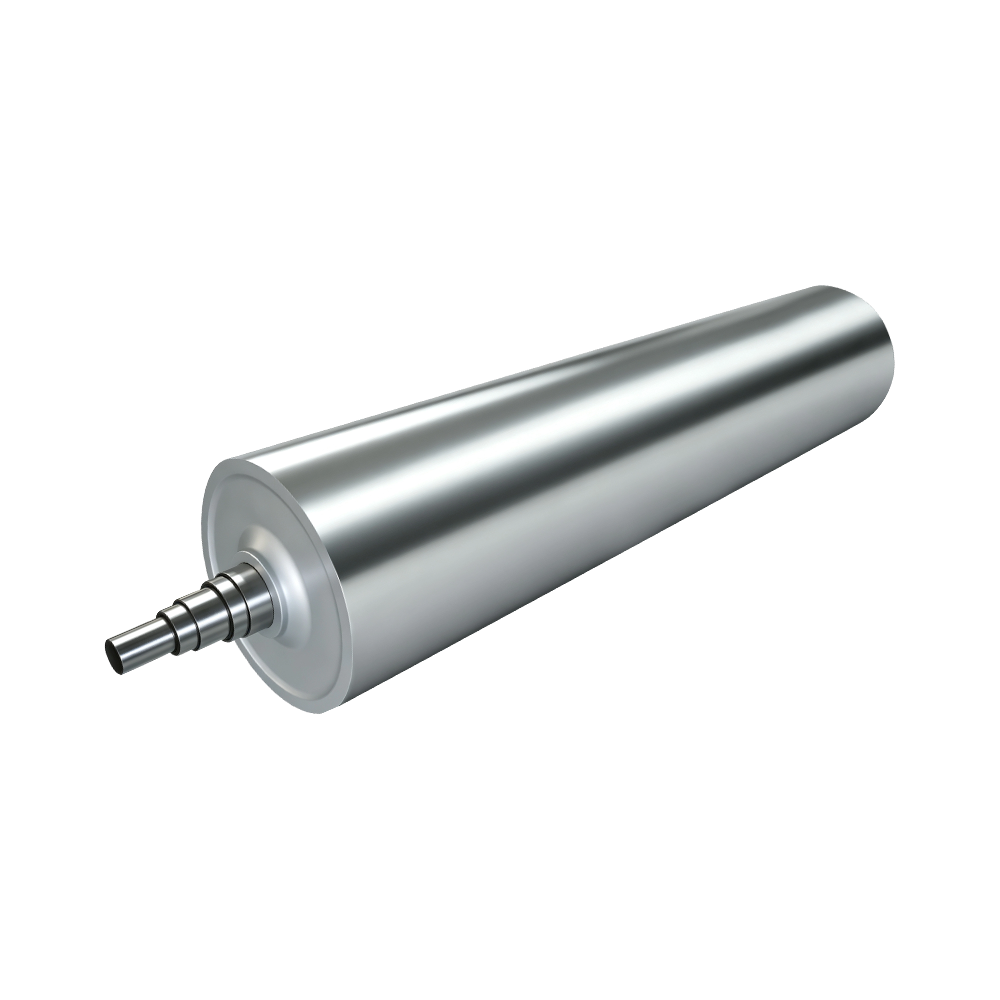

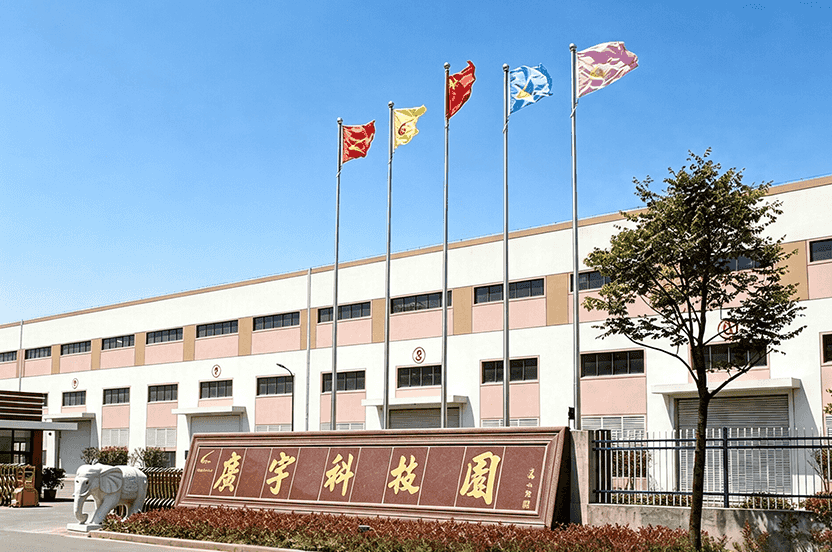


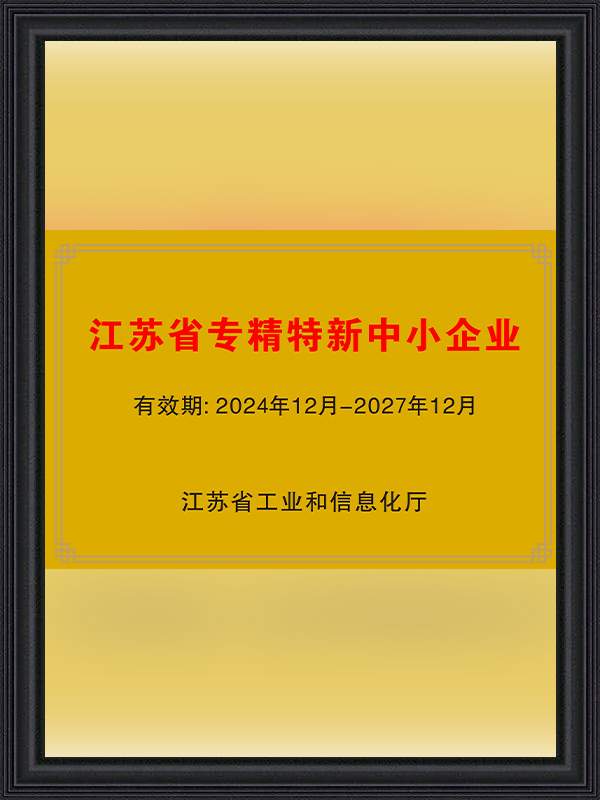
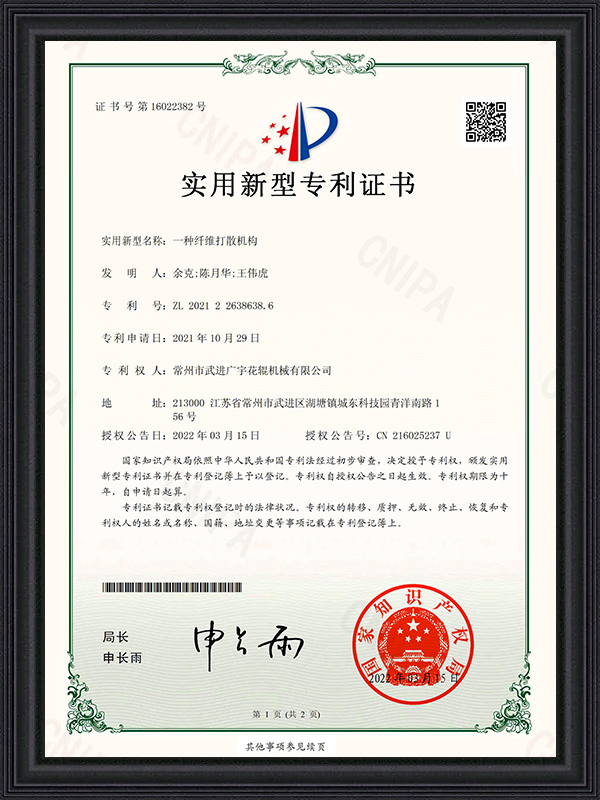
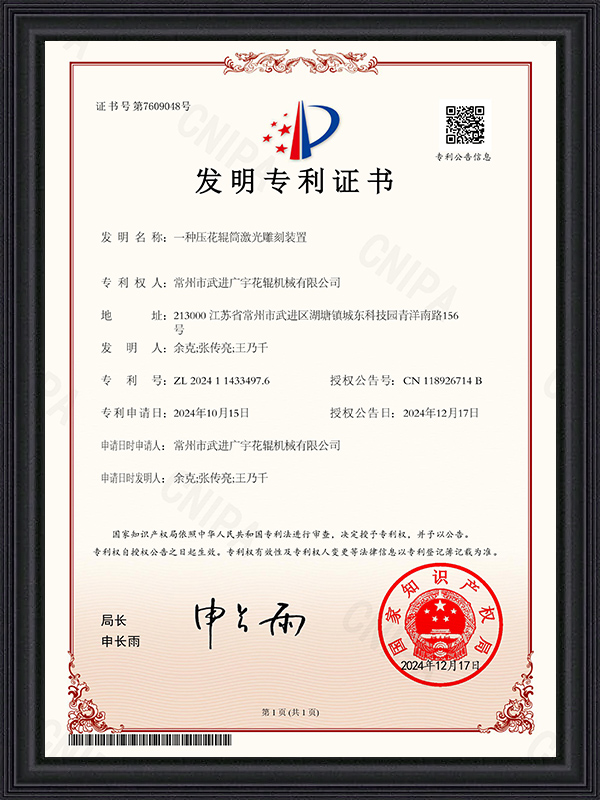
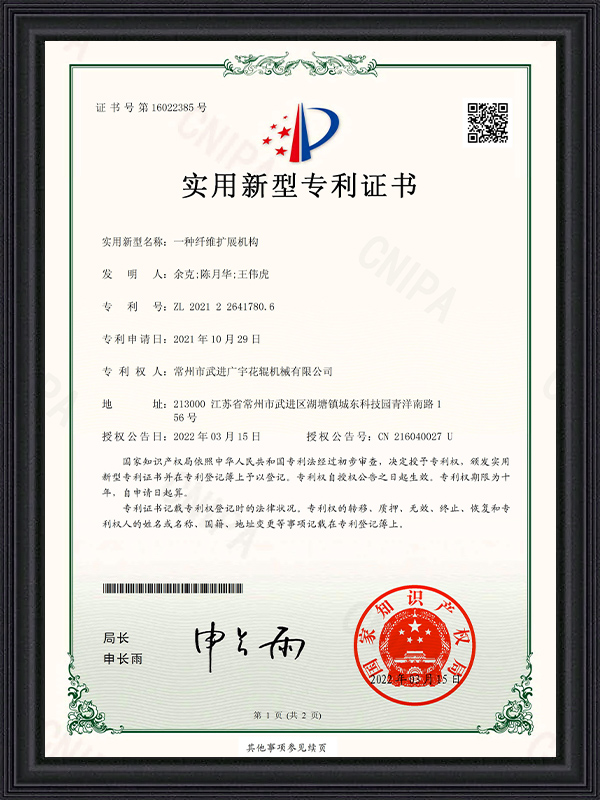
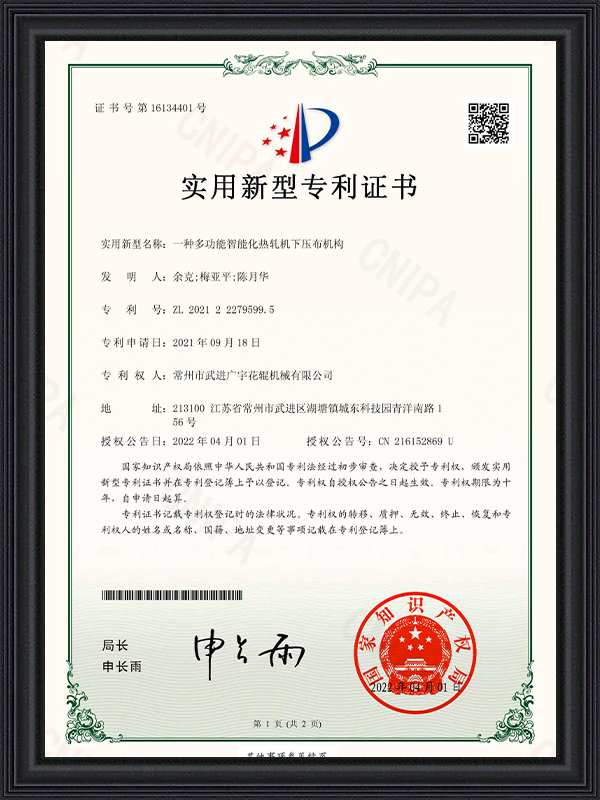
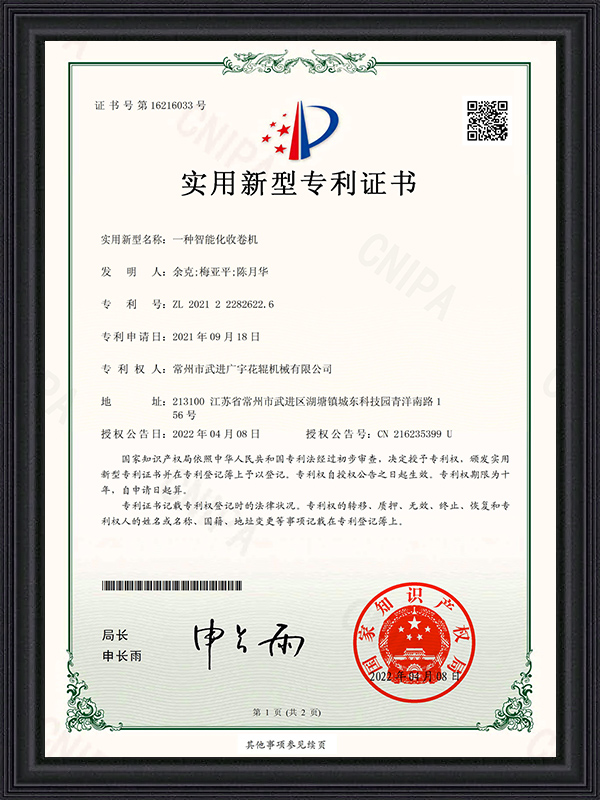
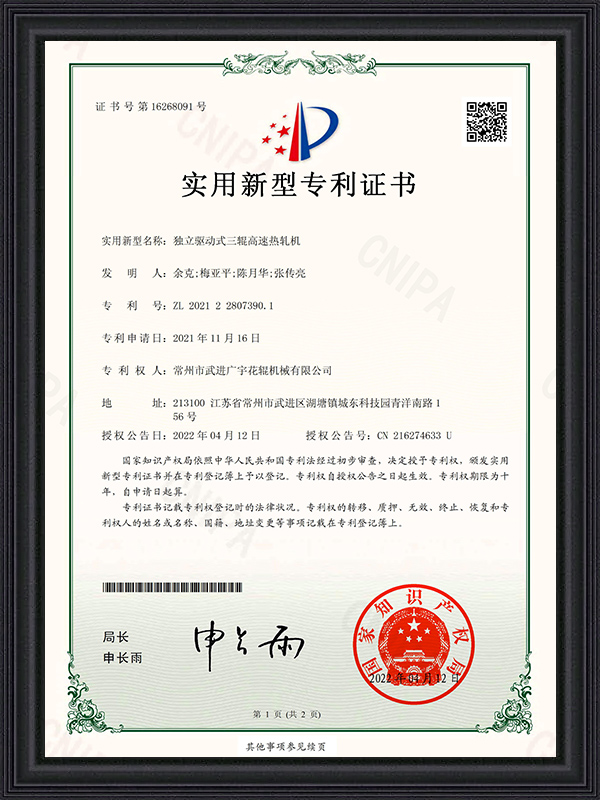
Changzhou Wujin Guangyu Embossing Roller Machinery Co., Ltd. is an Industrial Rollers manufacturer and custom nonwoven roller factory. Our roller range supports continuous production systems in nonwovens, plastic films, packaging and printing, papermaking, metal processing, composite materials, new energy and lithium-ion battery lines. We also build complete embossing and calendering equipment where machine-level integration is required.
Our engineering and manufacturing team operates a closed-loop process: roller blank finish machining, CNC precision grinding, high-precision mirror polishing, laser engraving, precision hard chrome electroplating and final comprehensive inspection. That is how pattern reproduction, surface finish and coating quality stay under our control from blank to finished roller.
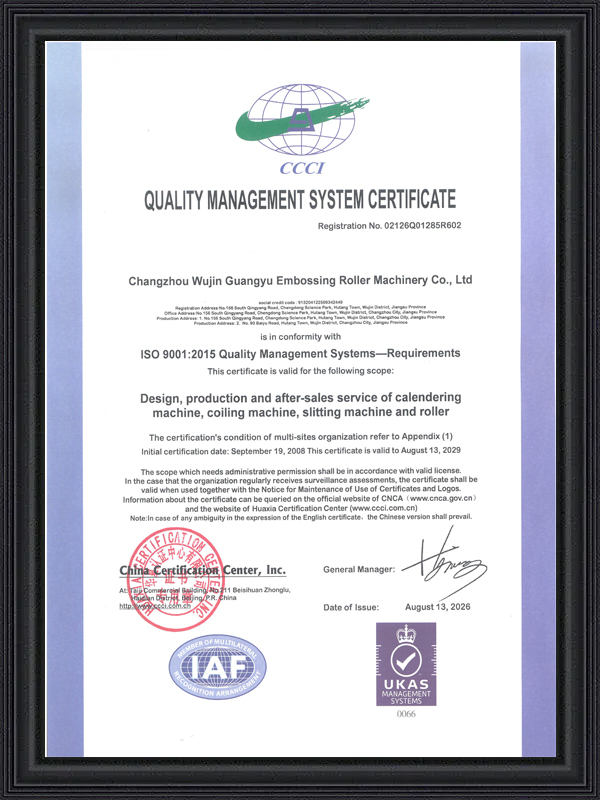
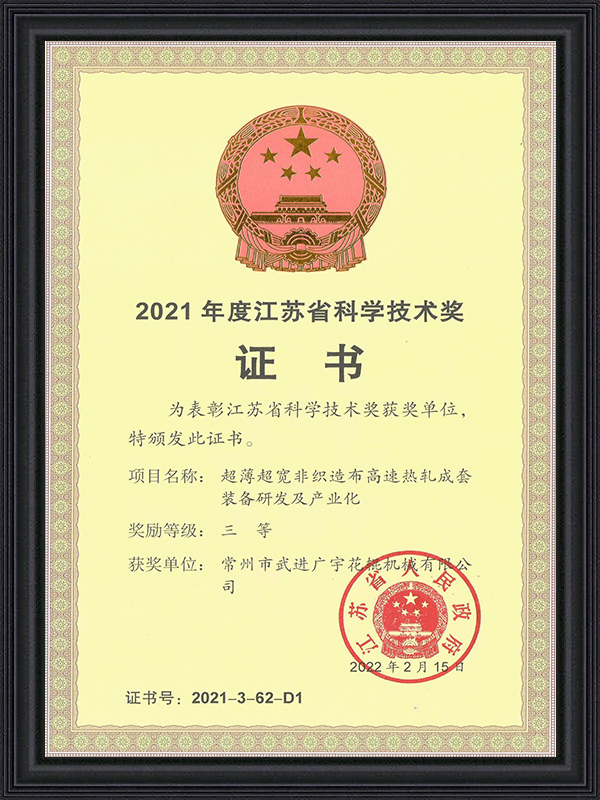
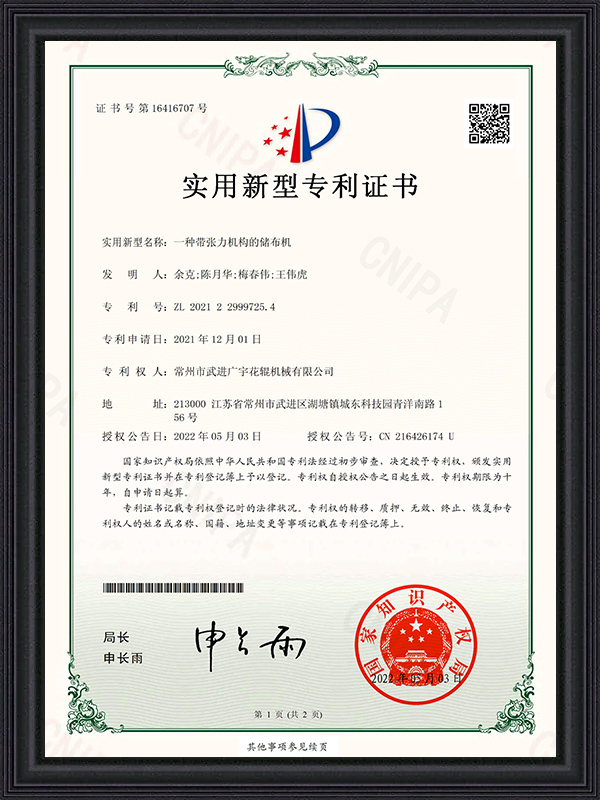
With around four decades in precision forming manufacturing, Guangyu has taken part in drafting the national industry standard for nonwoven fabric hot-rolling mills and holds ISO 9001 and EU RoHS certifications. The company operates from a 120,000 m2 industrial park, with annual output of more than 20,000 precision rollers and 800+ embossing/calendering machines, and exports to more than 50 countries and regions.
Roller Range by Application
The seven roller families in our range are always specified around the production line, not the other way around. Each family can be built with different shell materials, surface treatments, heating circuits and journal designs to match the process result.
| Roller family | Typical process | Engineering focus |
|---|---|---|
| Embossing Roller | Surface texturing of nonwovens, films, tissue paper, synthetic leather and metal sheets | Pattern clarity, engraving depth, shell material selection including alloy steel, ceramic, silicone and engineering plastic |
| Calendering Roller | Smoothing, glossing and thickness calibration of films, nonwovens, paper, rubber and composites | Mirror, matte or satin finish; dynamic balance; temperature stability |
| Precision Industrial Roller | Casting, chilling, coating, stretching and temperature control for functional film, battery separator and new energy lines | Concentricity, uniform temperature control, non-standard custom design |
| Rolling Roller | Surface densification and consolidation in nonwoven and paper processes | Hardness, load capacity, finish retention |
| Guide Rollers and Composite Roller | Web transport, tension control and forming assist | Concentricity, bearing interface, lightweight composite construction |
| Anilox Roller | Metered coating, printing and adhesive transfer | Cell geometry, engraving accuracy, wear and corrosion resistance |
| Precision Mirror Roller Series | High-gloss finishing, film casting and laminating | Mirror finish level, plating quality, dimensional consistency |
Application Fit and Material Considerations
Roller selection follows the material being processed. Nonwoven calender roller/roll sets are built for hot bonding lines where surface temperature and nip load decide fabric strength and hand feel. For spunbond, meltblown and needlepunched webs, we supply nonwoven roller/roll combinations with hardened shells and stable finish retention. On film casting lines, mirror finish and chill roller temperature uniformity control flatness and optics.
- Hygienic and sterile packaging: rollers for mask, protective suit, surgical gown and medical packaging web handling.
- Paper product processing: tissue paper embossing, cleaning bag production and food wrapping paper.
- Metal sheets and panels: embossing rollers for stainless steel, aluminum and galvanized sheet finishing.
- New electronic products: battery separator coating rollers and material isolation layer processing.
- Flexible packaging: BOPP, PET, CPP and functional film surface treatment.
- Automotive interiors and building decoration: PVC, PS, PP panels, fiberboard and door panel surfaces.
Surface, Material and Configuration Options
We configure the roller around the line operating window: temperature, nip pressure, speed and media compatibility. Embossing rollers can be supplied in special alloy steel, hard alloy steel, ceramic, nano-modified silicone or engineering plastic. Calendering rollers are available in mirror, matte and satin finishes. Precision industrial rollers can be designed for casting, chilling, coating, stretching or temperature control with non-standard dimensions.
- Pattern development: reproduction from customer samples, drawings or engraved roll data, plus custom pattern creation.
- Surface finish: mirror, matte, satin and textured levels matched to the requested Ra or visual standard.
- Coating and protection: precision hard chrome electroplating and corrosion-resistant options.
- Thermal design: heating circuits, temperature control adaptation and cooling channels for chill rolls.
- Geometry: face width, diameter, crowning, journal design and dynamic balancing per line specification.
Manufacturing Flow and Quality Assurance
Every roller follows the same quality path in our own factory, from blank machining to final inspection:
- Roller blank finish machining
- CNC precision grinding
- High-precision mirror polishing where specified
- Laser engraving or texturing
- Precision hard chrome electroplating
- Final comprehensive inspection
The factory uses more than 100 high-end precision machines, including German-imported multi-beam direct laser engraving machines and fully automated electroplating lines. For large structural components, our independently developed deformation analysis and decision support system predicts machining distortion so corrections are made before they affect the final roller.
Line Integration and Project Support
Rollers are delivered as drop-in components or as part of a complete machine package. For component supply, we confirm face width, center distance, bearing housings, drive side and heating/cooling unions with your existing line. For machine projects, the roller set is matched to the heating, nip adjustment, winding, slitting and finishing functions in a coordinated system.
Installation documentation includes overall dimensions, weights, recommended operating limits and inspection points. Roller maintenance guidance is supplied with each order: hot-rolling rollers on nonwoven lines should be checked daily for surface condition and temperature uniformity, while plated rollers should be monitored for surface wear and re-plated before substrate quality is affected.
Information We Use to Configure Your Solution
To prepare a precise configuration and quotation, our engineering team needs the following project data:
- Web specification: material, basis weight or thickness, working width and line speed.
- Process parameters: nip pressure, roller surface temperature, heating or cooling medium and pattern geometry.
- Existing line details: center distance, bearing housings, drive connection and available space.
- Quality targets: required finish, runout, dynamic balancing grade and service life expectation.
- Project scope: prototype sample, small-batch customization, serial production or retrofit of an existing line.
Frequently Asked Questions
What is the right embossing roller material for a hot nonwoven line?
Special alloy steel is the most common choice for hot, long-running nonwoven embossing and hot-rolling lines because it maintains pattern definition under sustained temperature and pressure. We also supply ceramic, nano-modified silicone and engineering plastic rollers where the process requires chemical resistance, softness or lower mass. The recommendation is based on line temperature, web composition and pattern depth.
Can you reproduce an existing embossing pattern from a sample?
Yes. We use laser engraving to reproduce customer patterns from physical samples, drawings or engraved roll data. Send the sample, pattern drawing or roll information, and our plate-making and laser phototypesetting systems prepare the engraving file.
Do you quote rollers only or complete equipment?
Both. We supply individual roller sets and complete embossing and calendering machines. For roller-only projects, we align the design with your existing housings and drives. For machine projects, we integrate heating, nip adjustment, winding, slitting and finishing functions.
What does your quotation need to be accurate?
Working width, line speed, material type and basis weight, nip pressure, surface temperature, heating or cooling medium, pattern geometry and interface dimensions. With those parameters we confirm the roller material, coating, thermal design and balancing grade.
How is roller quality checked before delivery?
Every roller passes through CNC grinding, mirror polishing where required, laser engraving and precision hard chrome plating, followed by final comprehensive inspection. The process is supported by German-imported multi-beam direct laser engraving equipment and automated electroplating lines within the same factory.