

 English
 русский
 Español
 عربى

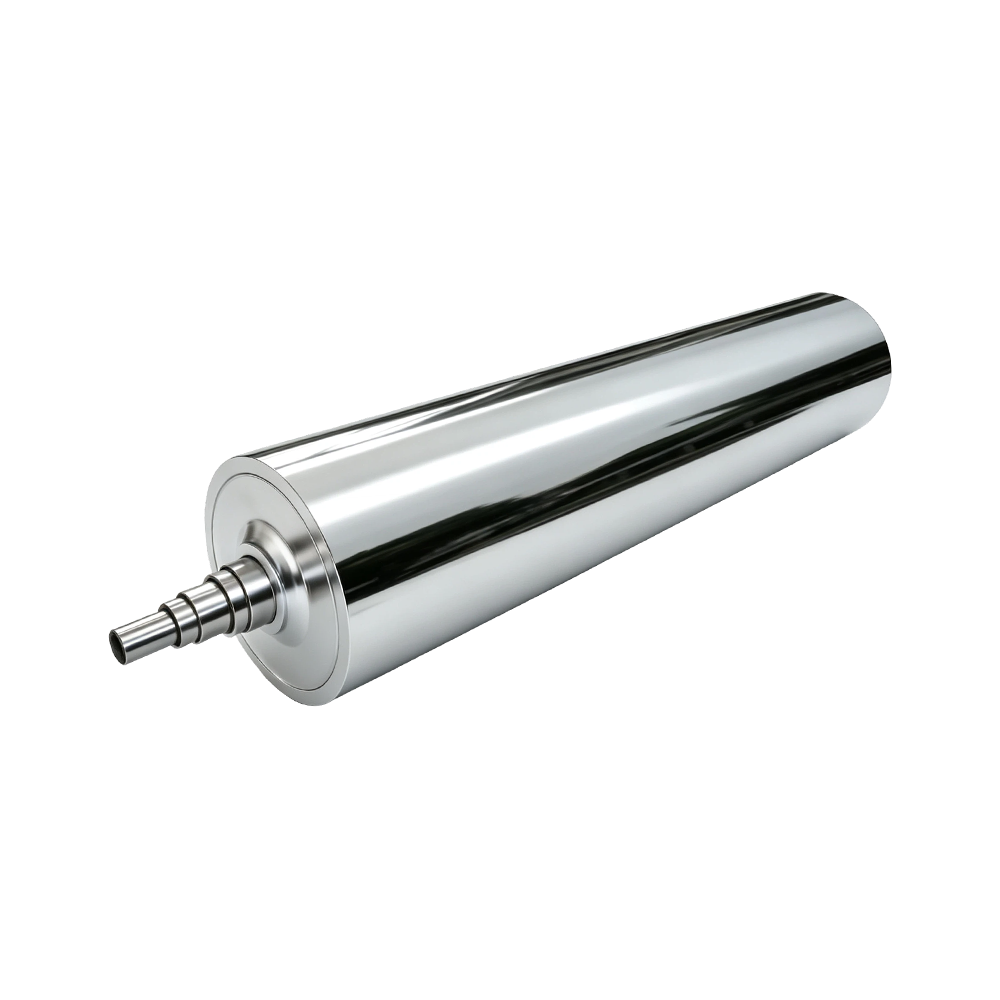

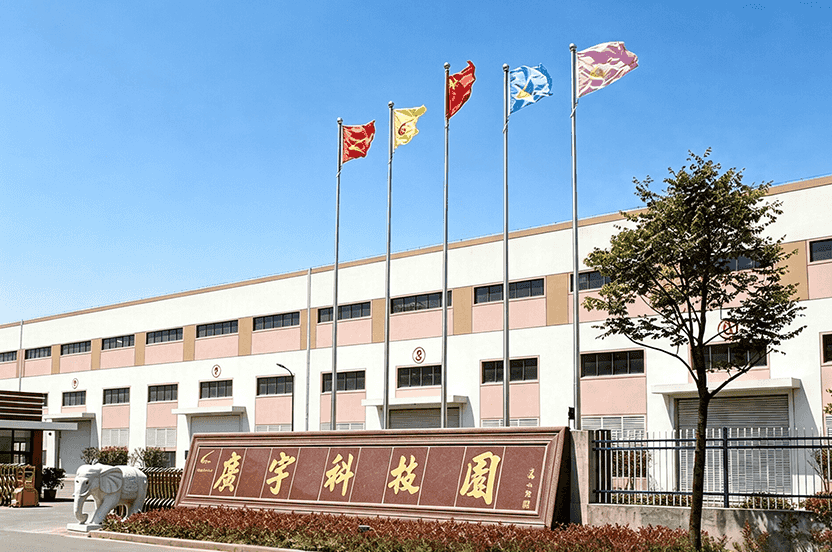


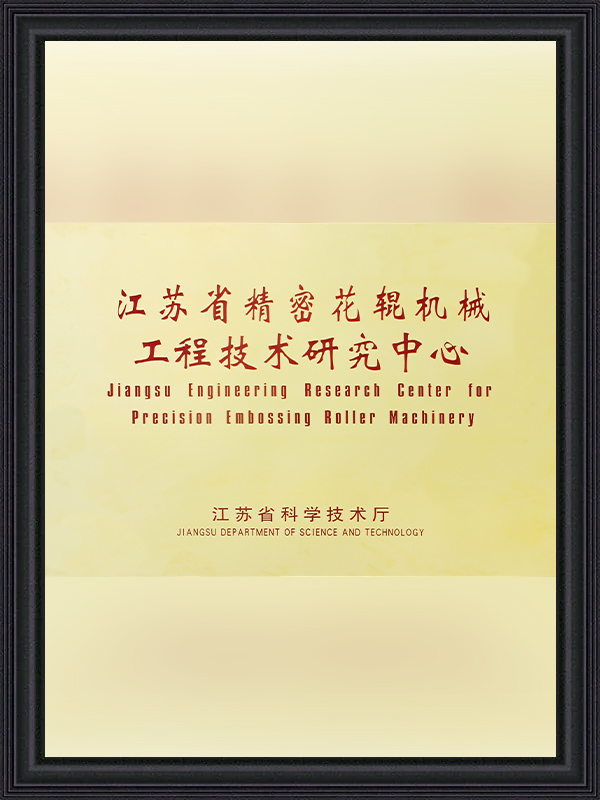
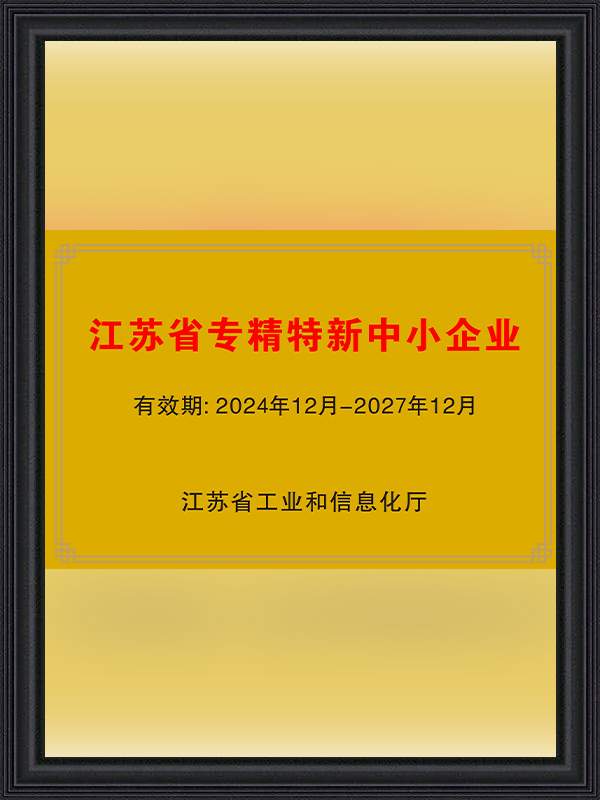
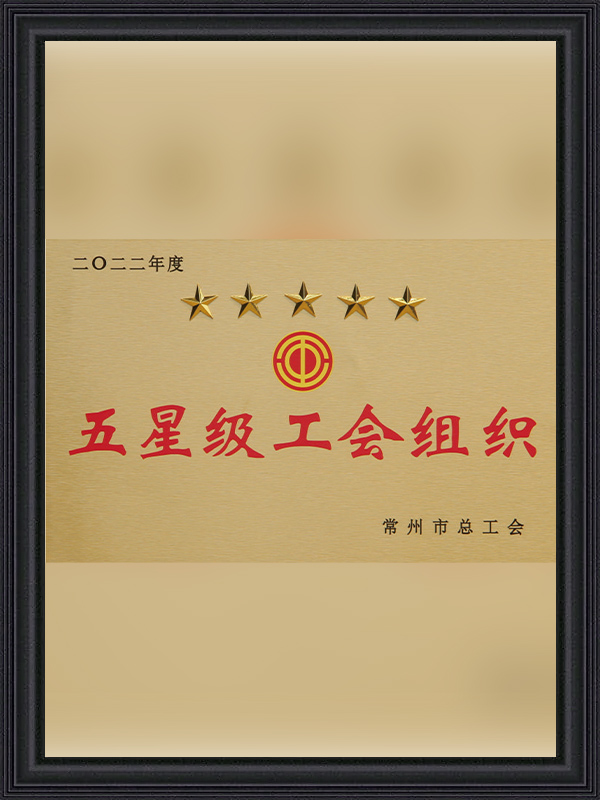
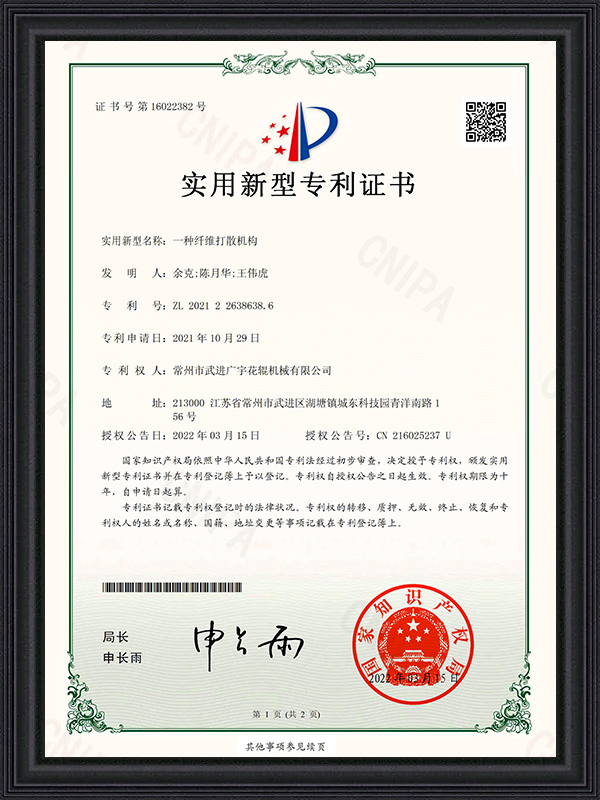
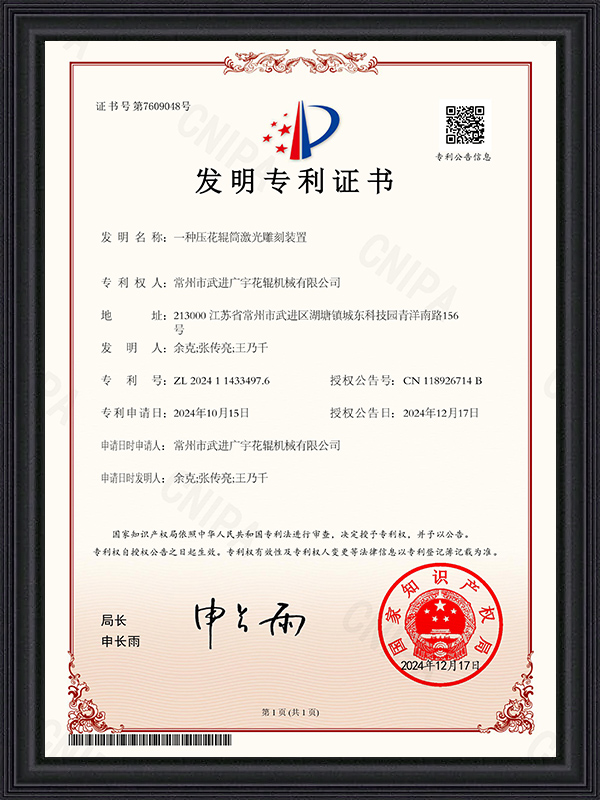
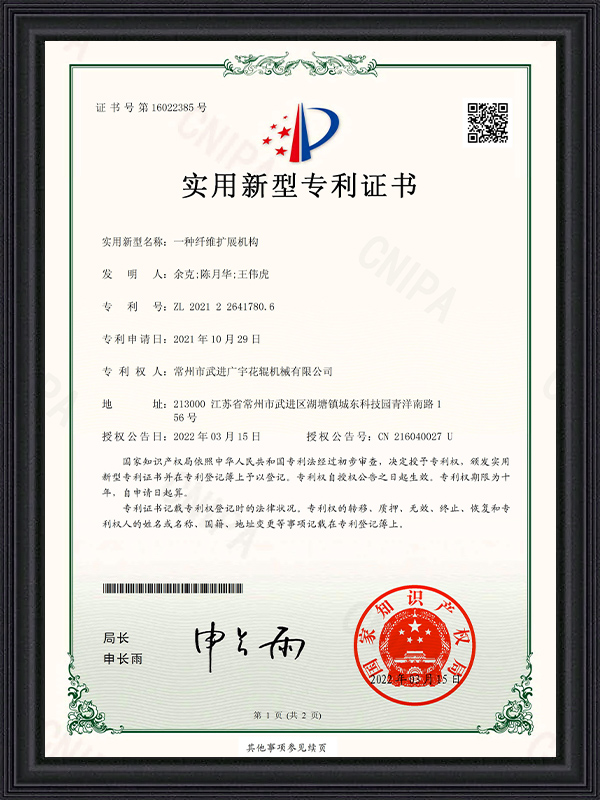
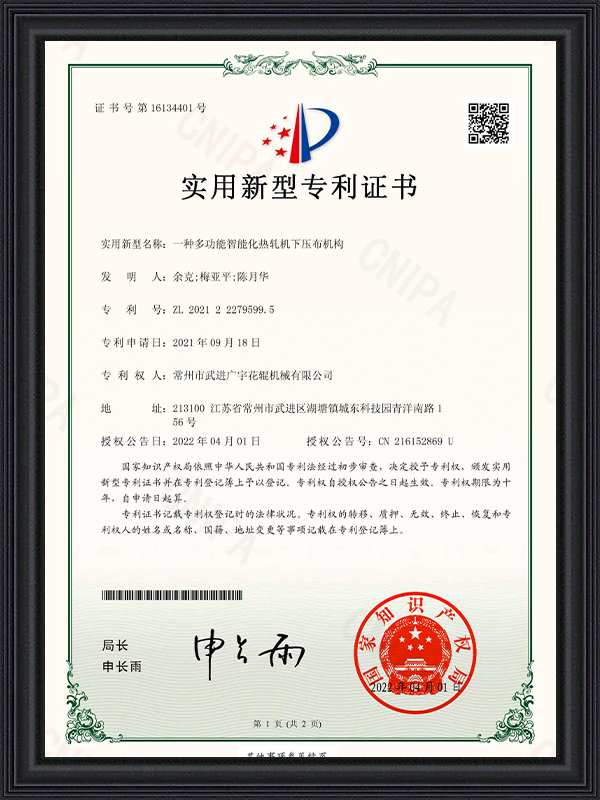
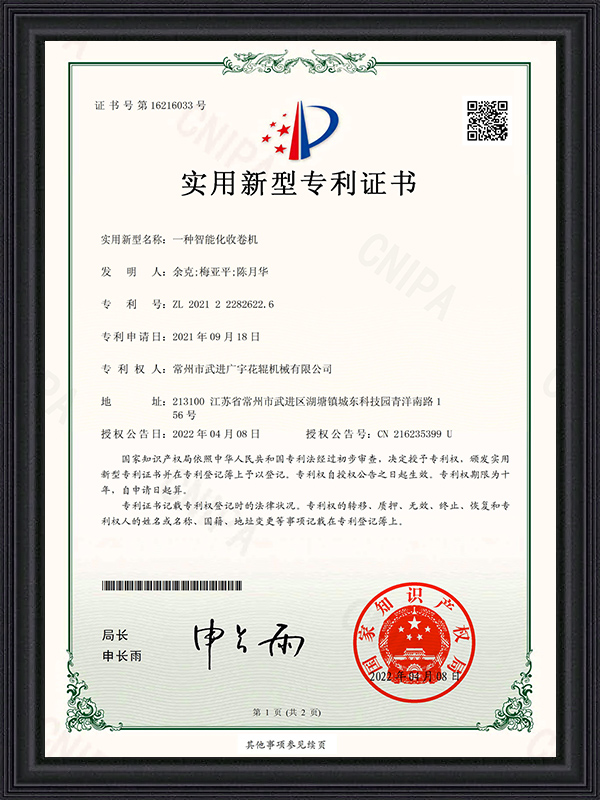
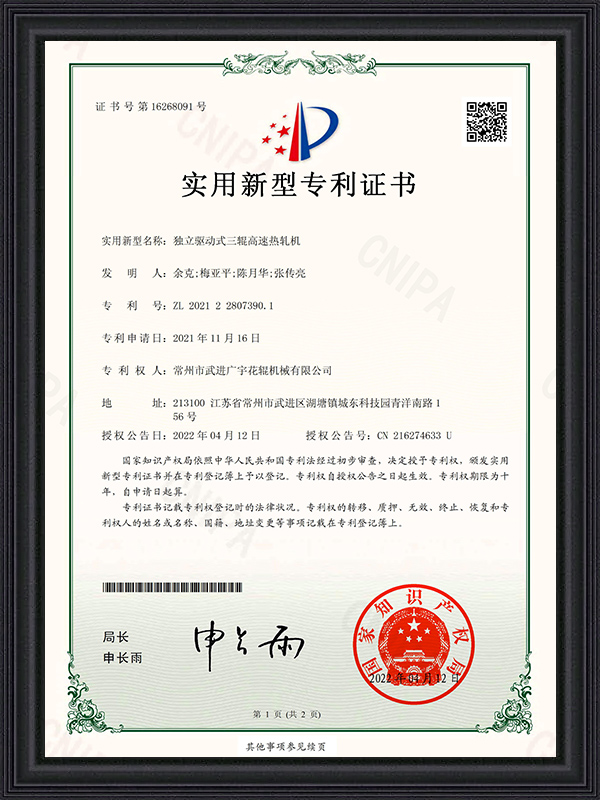
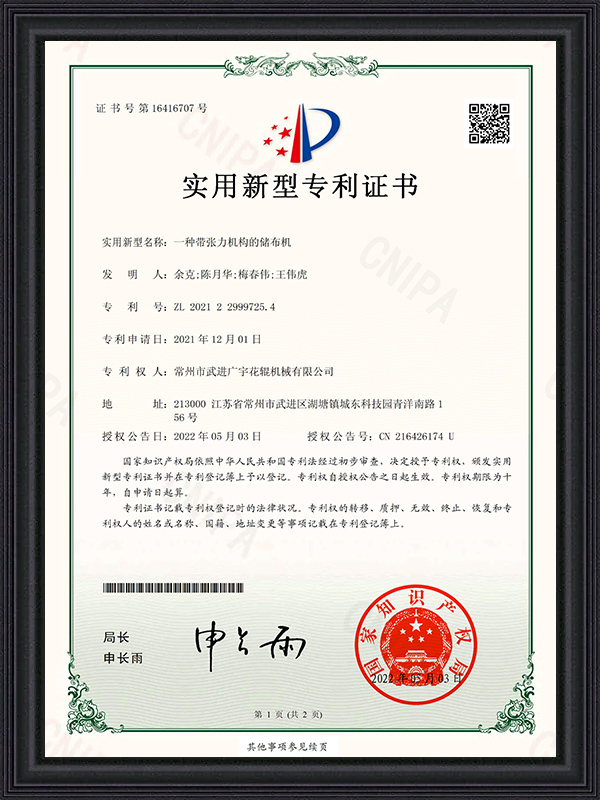
Changzhou Wujin Guangyu Embossing Roller Machinery Co., Ltd. is a China Precision Mirror Roller Series Manufacturer with the full manufacturing route in-house. We forge roller blanks from alloy steel or stainless steel and then control precision turning, multi-stage grinding, mirror polishing, laser texturing and hard chrome plating under one roof. The line is built for processors that need a defect-free, high-gloss roll face on continuous film, sheet, nonwoven and paper lines.
A Roller Family Built Around Surface Integrity
The Precision Mirror Roller Series is our high-end category for ultra-precision surface finishing. The defining target is ultimate smoothness: the polished face can reach Ra 0.004 μm and delivers uniform, fine reflectivity without scratches, pinholes, ripples or other surface defects. Strict control over coaxiality and radial runout keeps the roller stable at production speed, while the body can be engineered with water cooling, oil temperature control or sandwich heating.
Where Precision Mirror Rollers Are Used
We supply mirror rolls as replacement components and as original rollers in complete forming machinery. Typical line positions include:
- Plastic casting and film coating - high-gloss contact surfaces that do not transfer scratches, pinholes or ripples.
- Lithium-ion battery separator production - low roughness, uniform surface and stable thermal behaviour.
- Metal sheet calendering - forged substrate and hard chrome plating for pressure, wear and corrosion resistance.
- Papermaking and printing - controlled surface profile and consistent nip performance.
- Optical sheet forming - mirror finish and low runout to prevent optical defects.
Range and Configuration Options
Our Mirror Roller product is configured around the working point, not selected from a fixed catalogue. The table below shows the main choices we engineer for each project.
| Configuration | What We Engineer | Typical Driver |
|---|---|---|
| Substrate material | Forged alloy steel or stainless steel body | Mechanical load, thermal cycling, corrosion resistance |
| Thermal structure | Water cooling, oil temperature control, sandwich heating | Temperature uniformity and process stability |
| Surface finish | Multi-stage grinding and mirror polishing to Ra 0.004 μm | Optical clarity, coating quality, release behaviour |
| Hard coating | In-house hard chrome plating | Wear resistance, corrosion protection, cleaning cycles |
| Face geometry | Working width, crown profile, diameter | Nip pressure distribution and material web width |
| Journals and connections | Shaft ends, bearing seats, keyways, rotary unions | Direct fit to existing line or complete machine |
Every configuration is reviewed against the process parameters: web width, line speed, nip load, temperature, and the surface effect the customer needs.
Manufacturing Control and Capacity
We operate a closed-loop production line covering roller blank fabrication, CNC precision grinding, high-precision mirror polishing and hard chrome electroplating. The facility covers 120,000 m² and supports annual output of more than 20,000 precision rollers and 800 embossing/calendering machines. That capacity lets us handle first-article sampling, small-batch customisation and volume production without dividing responsibility across outside processors.
For large thermal rollers, our in-house deformation analysis system predicts machining deflection and corrects process parameters before a problem appears. Final inspection is performed in-house with high-precision inspection equipment, so the roller we ship is the roller our customer runs.
Integration, Installation and Acceptance
Mirror rollers must fit the mechanical and thermal envelope of the line. We use your existing drawing or worn sample to match face length, diameter, journals, bearing seats, keyways and rotary union connections. For new lines, we design the roller together with the machine frame, nip loading system and thermal unit as part of our Industrial Rollers range and complete processing equipment.
On delivery, the roll is protected for export, and we provide handling and installation guidance. Acceptance is based on the agreed geometry, surface finish and runout values, supported by inspection records from our final control stage.
Information We Use to Configure Your Solution
To prepare a proposal we need the operating point of your process, not just the roller dimensions. The most useful project data is:
- Working width, roll face length and diameter
- Material being processed and target surface effect
- Line speed, nip pressure/load and operating temperature
- Heating or cooling medium and required face temperature uniformity
- Substrate, coating or surface finish preference
- Current drawing, worn sample or photo and journal/bearing arrangement
- Existing machine model if the roller is a retrofit
- Quantity and delivery destination
Quality, Compliance and Project Support
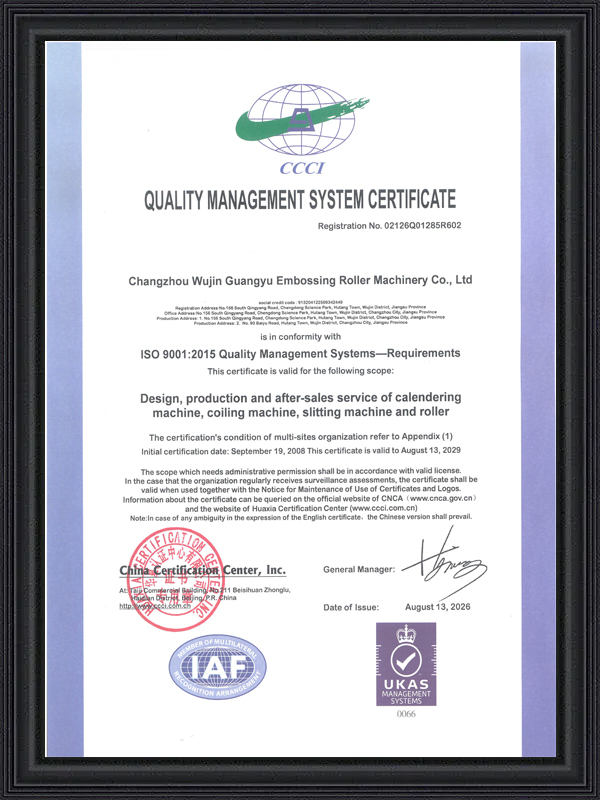
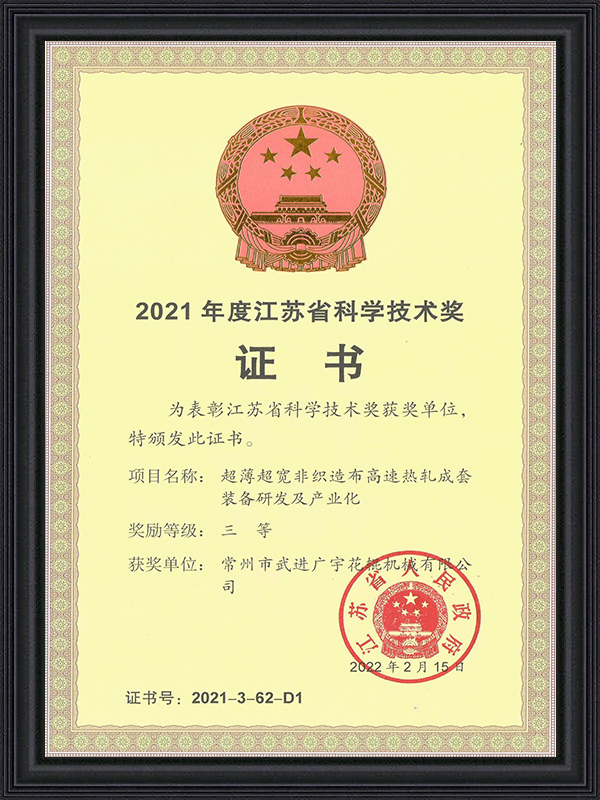
We are ISO 9001 certified and EU RoHS compliant, and we participated in drafting the industry standard for nonwoven fabric hot-rolling machines. As an OEM factory, we support machine builders, process owners and distributors with line retrofits, complete machine projects and spare/replacement roller orders across more than 50 countries.
Frequently Asked Questions
What surface finish can the Precision Mirror Roller Series achieve?
The polished face can reach Ra 0.004 μm with uniform reflectivity and no scratches, pinholes or ripples. The confirmed value for your project depends on substrate, coating and face width, so we state the target finish on the engineering drawing before production.
Which substrate should I choose for a mirror roller?
Alloy steel is our standard for high nip loads and hot calendering. Stainless steel is selected when corrosion resistance or a cleaner process environment is required. We also combine either substrate with hard chrome plating when wear and release behaviour matter.
Can the roller body be heated or cooled?
Yes. We design water cooling, oil temperature control and sandwich heating structures. Tell us the process temperature, medium and required face temperature uniformity, and we will size the internal passages and connections.
Do you make replacement mirror rollers for existing machines?
Yes. We work from a drawing, worn sample or machine model to reproduce the original interface including journals, bearing seats, keyways and thermal connections. Replacement rollers are built on the same in-house line as our original equipment rollers.
What information is required before you can quote?
Working width, material and surface effect, line speed, nip pressure, temperature, thermal medium, journal arrangement and quantity. If available, send a drawing or sample; this lets us propose the correct geometry and finish in one round.
Do you support overseas delivery and after-sales service?
We export to more than 50 countries and coordinate export packing and logistics from the Changzhou factory near Shanghai port. Project support covers installation guidance, maintenance advice and after-sales technical liaison.