

 English
 русский
 Español
 عربى

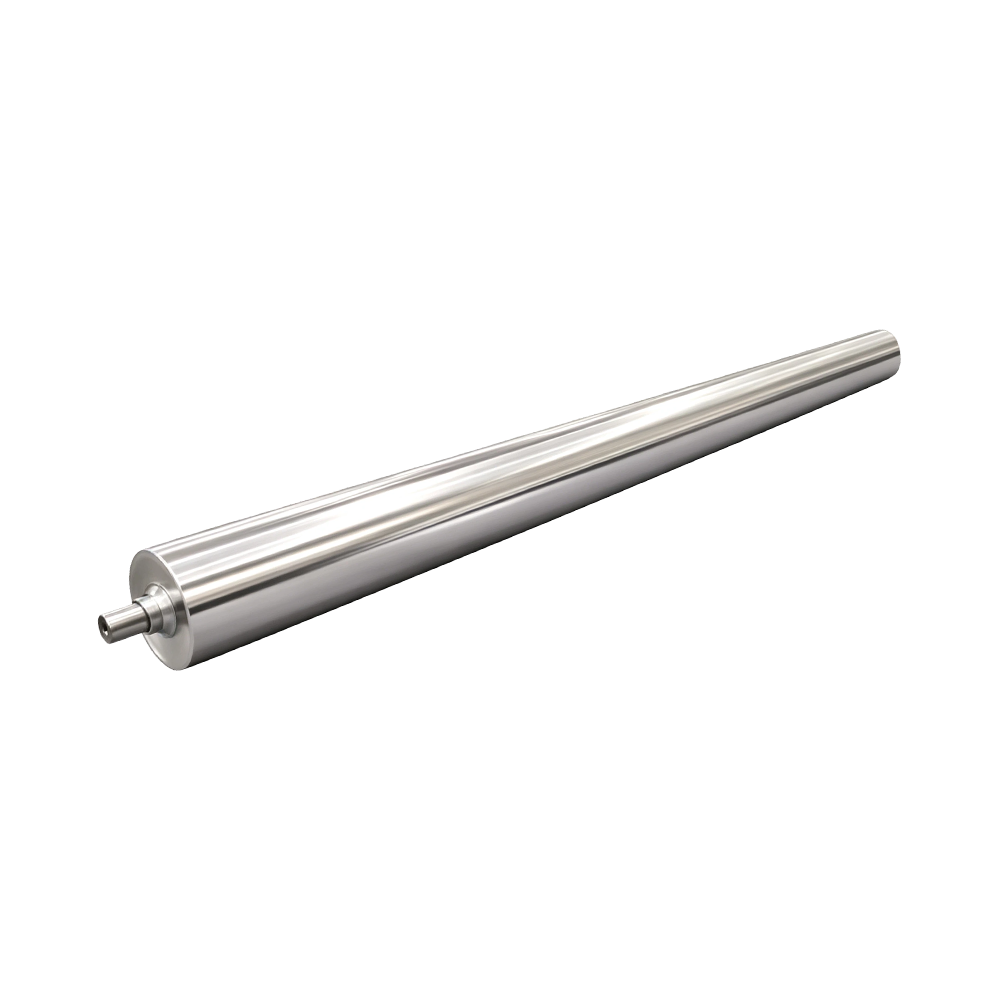
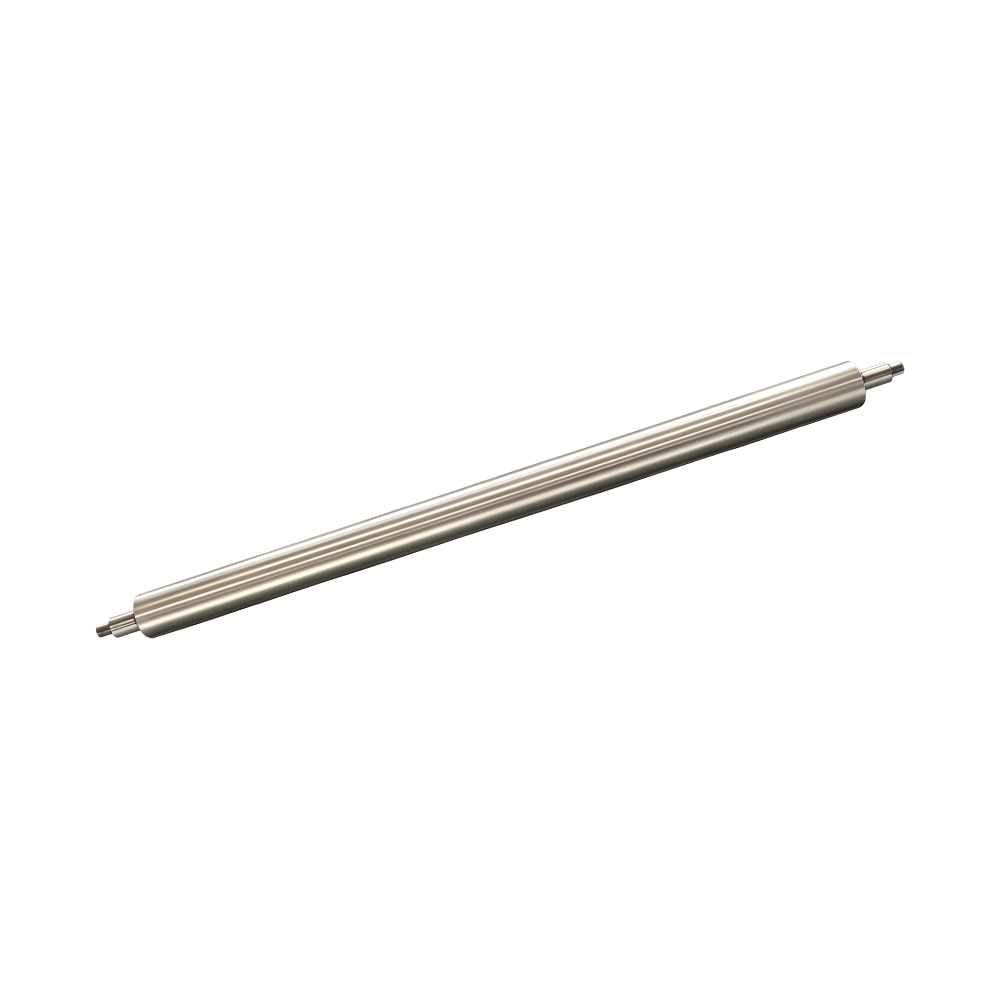
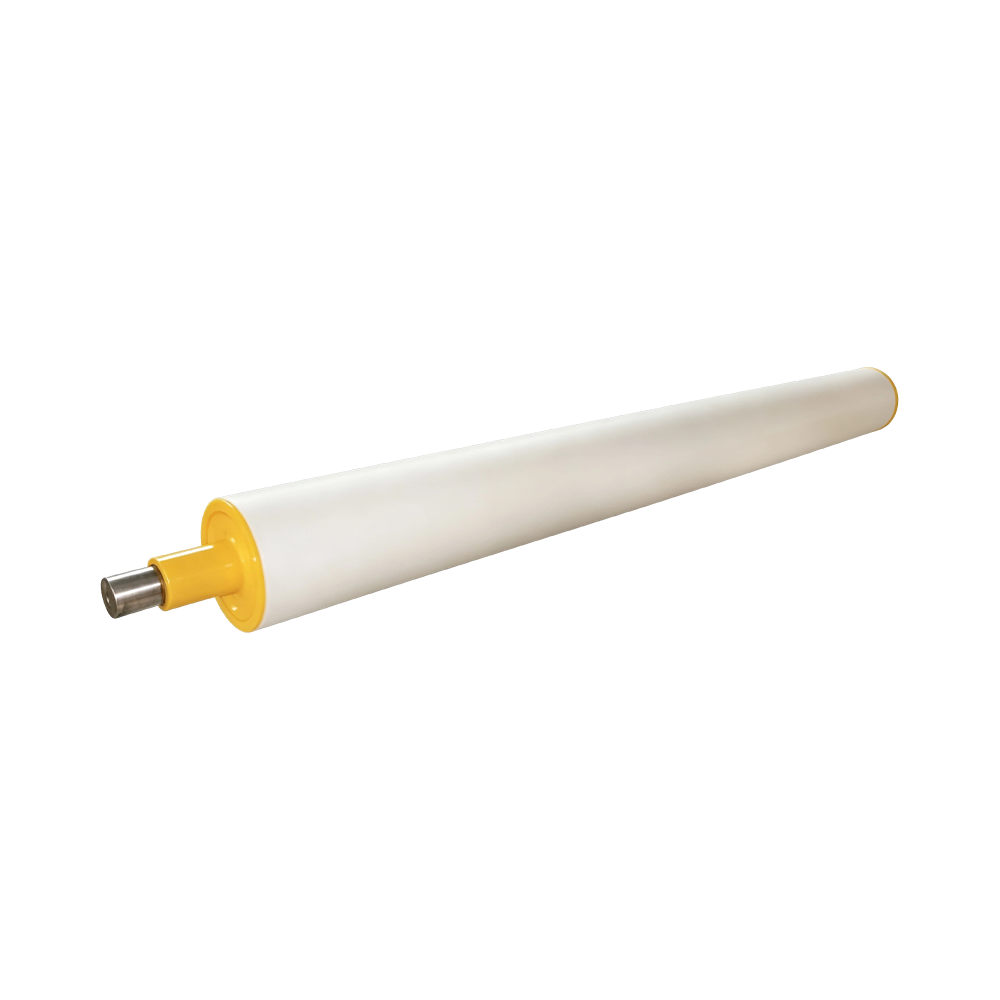
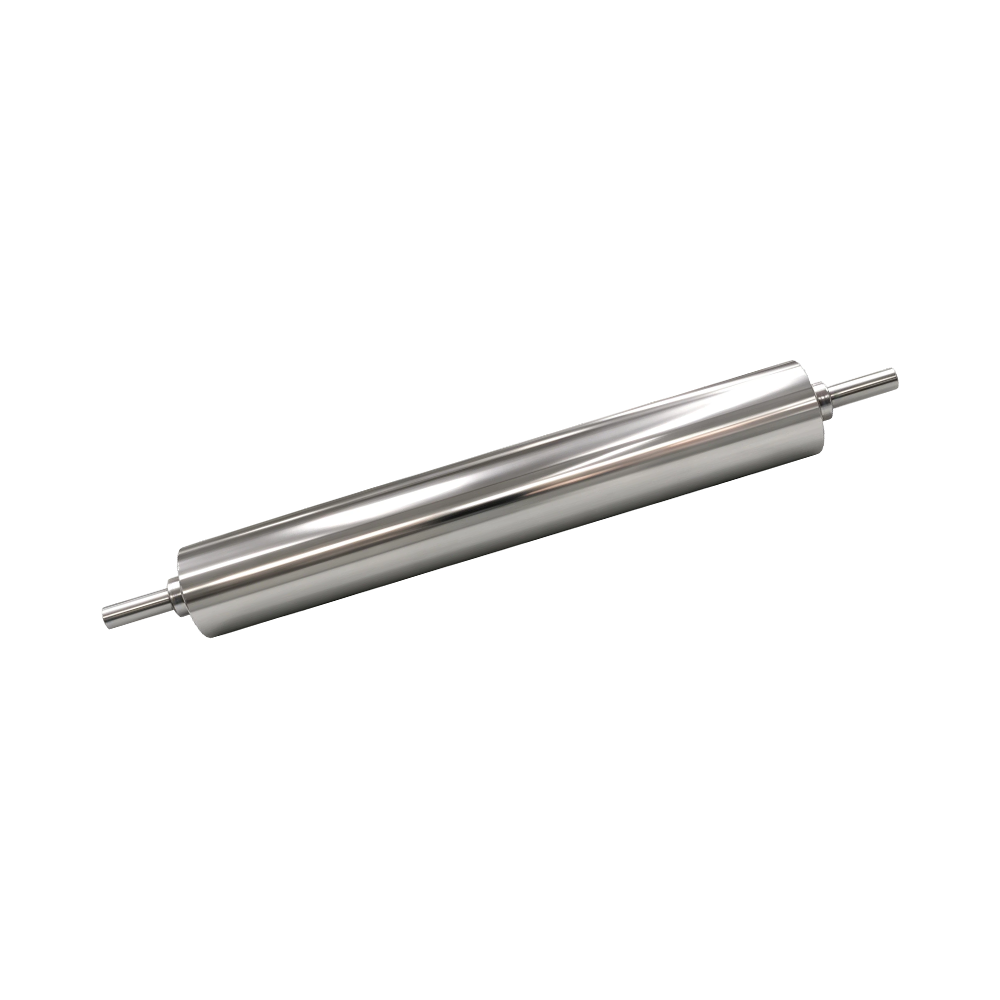
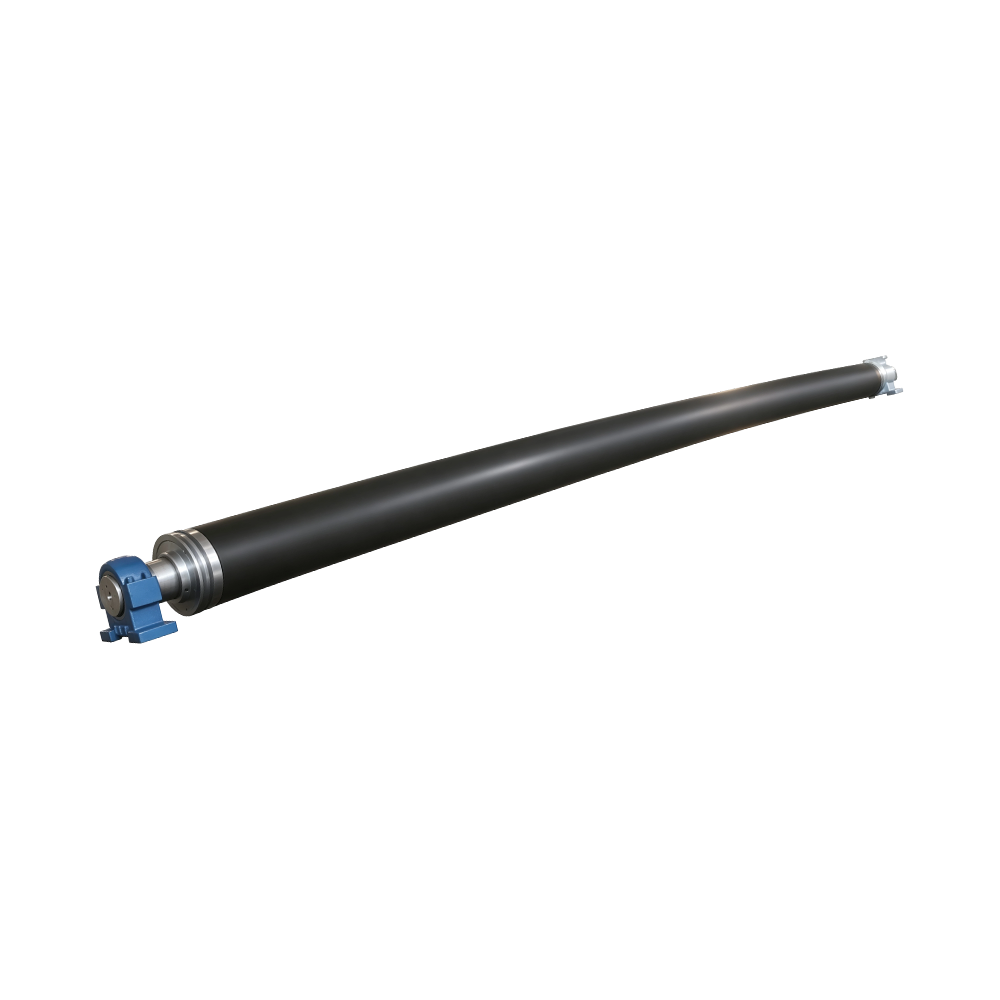
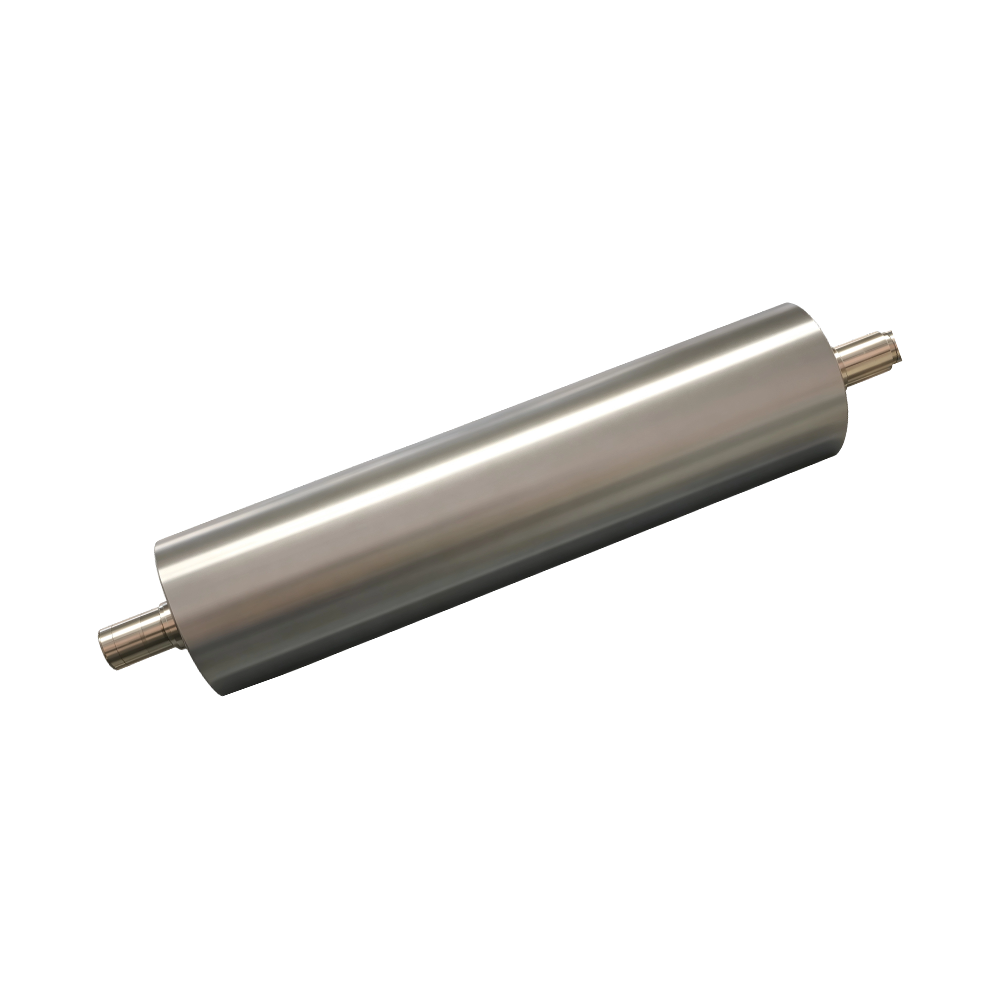



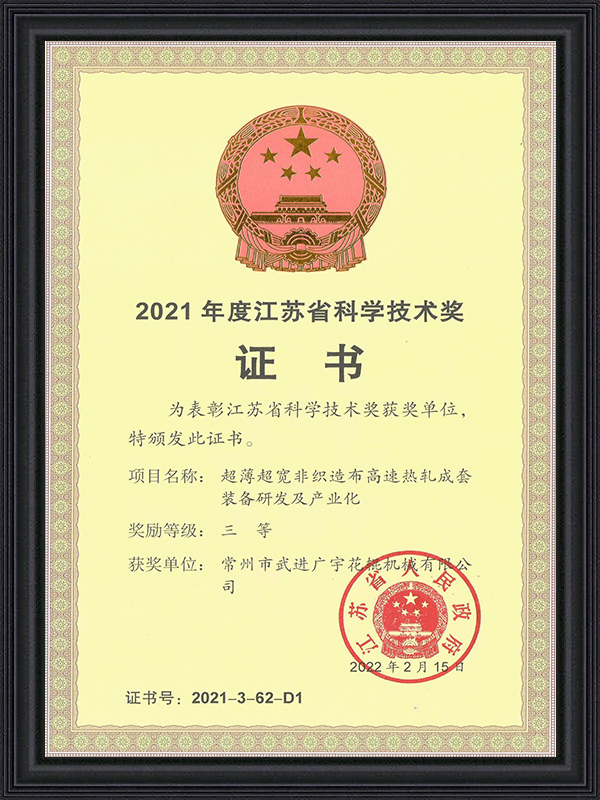

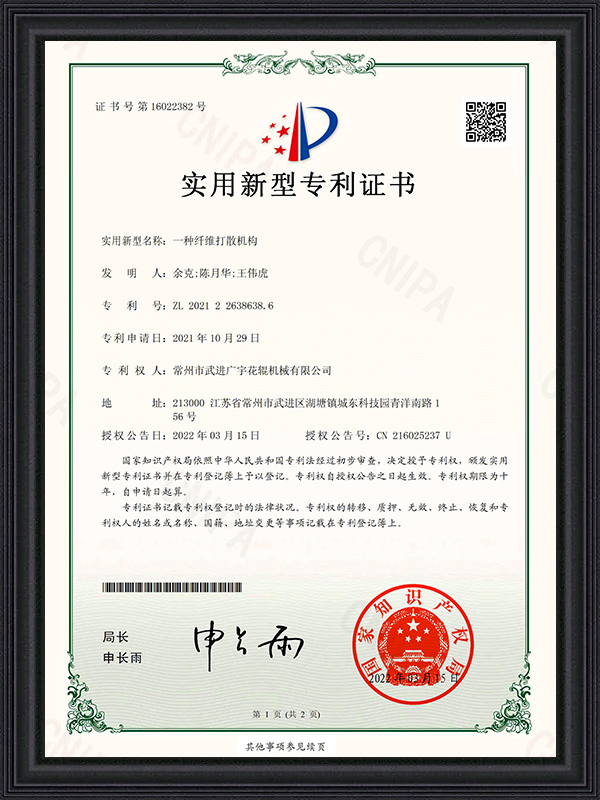
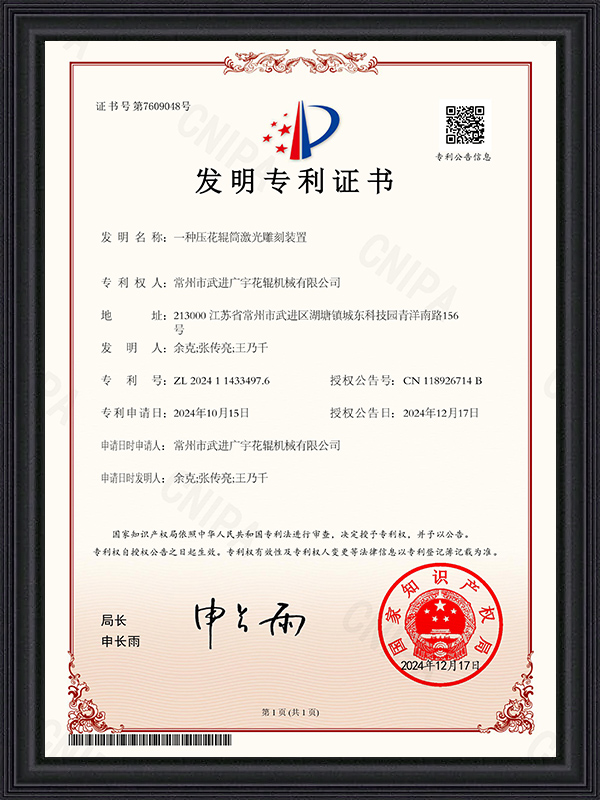
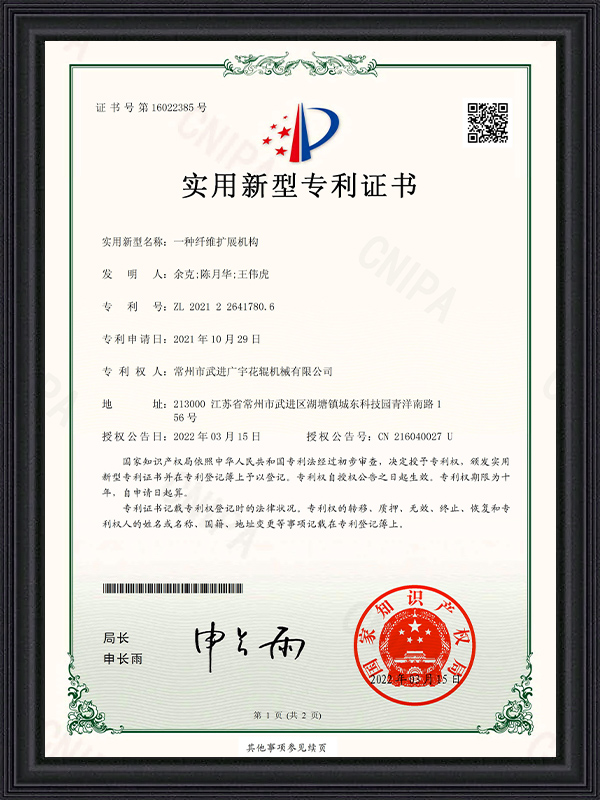
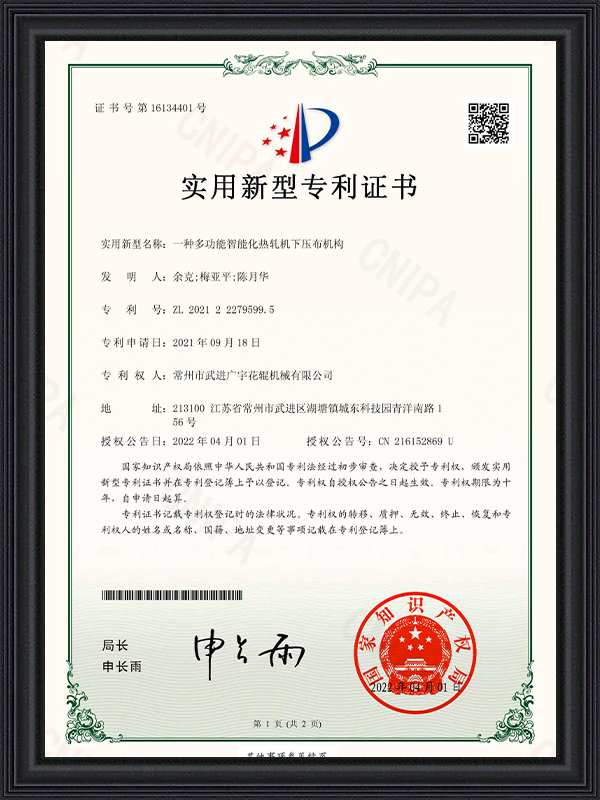
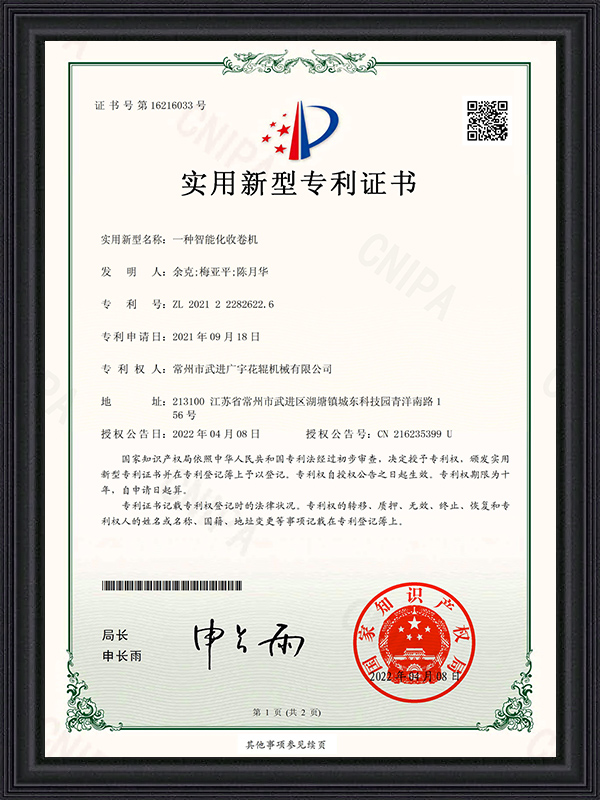
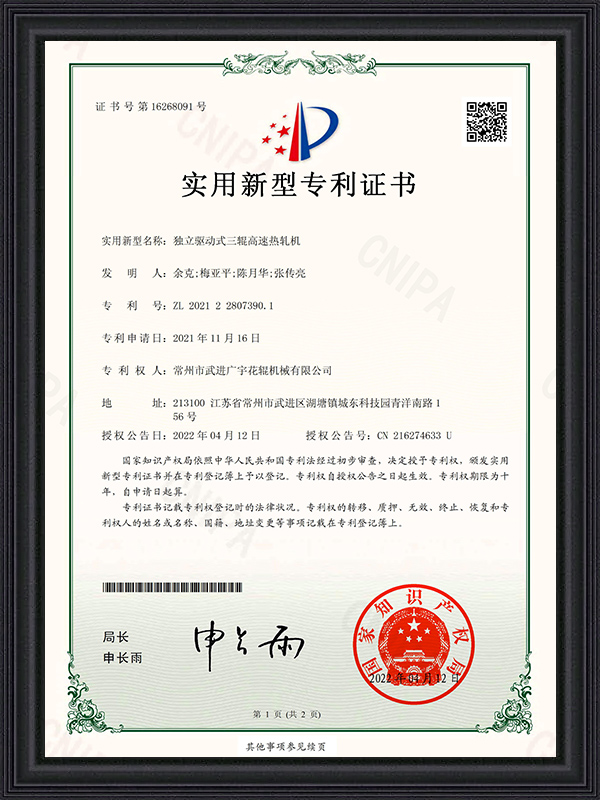
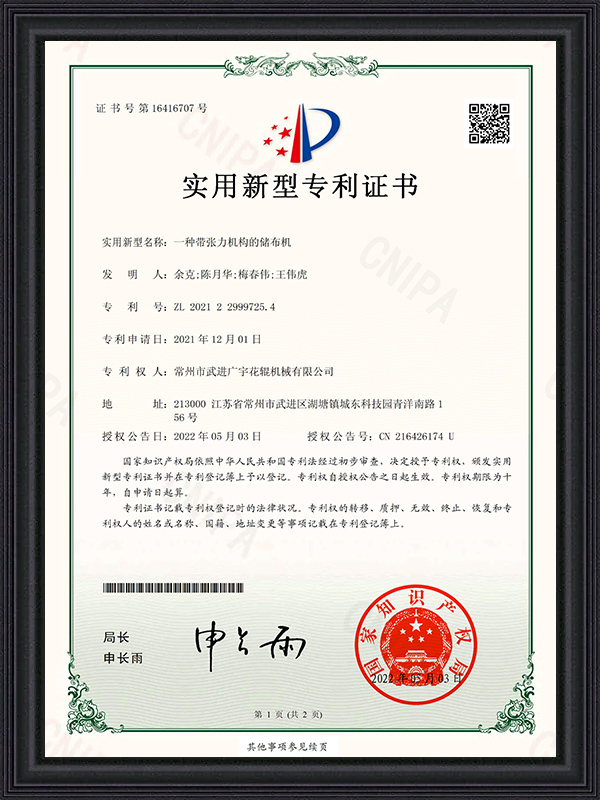
At Changzhou Wujin Guangyu Embossing Roller Machinery Co., Ltd., we operate as a Lamination & Composite Roller Manufacturer and an OEM guide roller factory. Within our factory, the Guide Rollers and Composite Roller manufacturer range covers the rollers that keep webs aligned, tensioned and stable in production lines for nonwovens, films, packaging, printing, lamination and new energy materials.
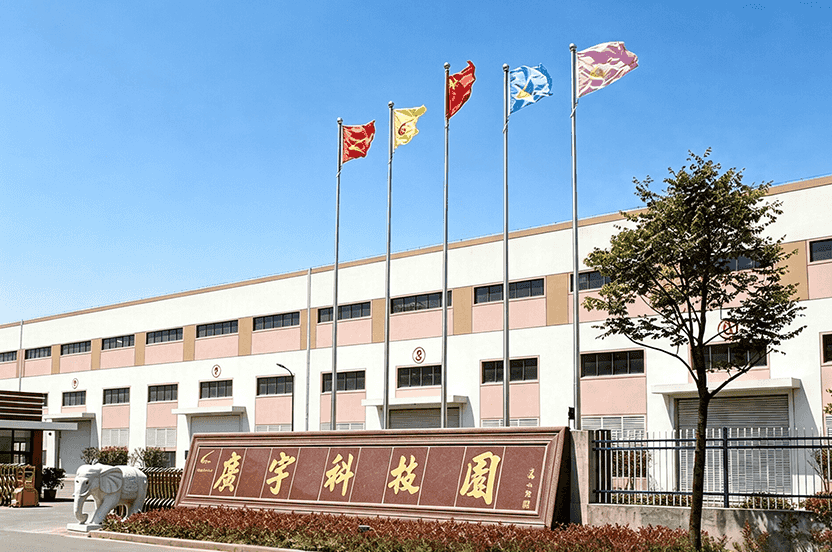
Every roller is manufactured in our own closed-loop plant, from roller blank machining through CNC grinding, laser engraving and hard chrome electroplating. Shell material, surface treatment, runout control and balancing therefore remain under one engineering responsibility, whether you need a single replacement roller or rollers for a complete line. International production lines also use us as a China Guide Rollers and Composite Roller factory for OEM quantities and engineered retrofits.
Guide Roller and Composite Roller Range
As a Lamination & Composite Roller Manufacturer, we match product configuration to the application, operating limits, interfaces and acceptance criteria defined for each project.
We build these roller families for OEM equipment and for replacement programs. The common engineering targets are low weight where inertia is critical, high rigidity where loads are heavy, smooth rotation for stable web handling, and wear or corrosion resistance for long service life.
| Roller Type | Typical Construction | Application Fit |
|---|---|---|
| Steel Guide Roller | Steel body, precision ground surface | Heavier webs, metal sheets, paper, nonwovens and general conveying positions |
| Aluminum Guide Roller | Lightweight aluminum alloy body | High-speed film, tissue and lightweight web lines where low inertia matters |
| Anti-Static Guide Roller | Conductive or static-dissipative surface | Film, paper and packaging lines where static disrupts winding or attracts contamination |
| Stainless Steel Composite Guide Roller | Stainless steel outer surface on composite structure | Humid, hygienic, washdown and corrosion-exposed environments |
| High-Speed Drive Roller | Engineered for driven positions with matched shaft and housing | Higher line speeds and controlled tension applications |
| Alloy Composite Roller | Mixed metal or alloy shell with tailored stiffness | Lamination, bonding and moderate-heat process positions |
For extreme stiffness-to-weight conditions, carbon-fibre composite constructions can be supplied as part of the composite roller family; the standard catalog also includes alloy composite rollers as a separate configuration.
Application Fit Across Continuous Lines
- Nonwovens and fiber materials: guide rollers are used in calenders, winders, slitting and finishing lines where web edge alignment and tension stability affect final roll quality.
- Film and new energy materials: battery separators, BOPP/PET films and other thin webs require low inertia rollers and precision balancing to avoid vibration at high line speed.
- Packaging, printing and lamination: rollers carry laminates through coating, adhesive bonding and finishing stations; anti-static and stainless steel composite versions suit clean and solvent-exposed environments.
- Paper, metal sheet and building decoration: steel and alloy composite rollers provide the rigidity needed for heavier formats and for embossing and calendering stations.
The complete industrial roller program is described under Industrial Rollers.
Engineering Value: Closed-Loop Manufacturing
With four decades of precision forming manufacturing, we control the complete core production line in-house instead of outsourcing critical roller steps. This covers:
- Roller blank precision machining
- CNC precision grinding
- High-precision mirror polishing
- Laser texturing
- Precision hard chrome electroplating
- Final comprehensive inspection
Our facility is equipped with more than 100 sets of high-precision production machinery, including German-imported multi-beam direct laser engraving machines and automated electroplating lines. We have also participated in the industry standard for nonwoven fabric hot-rolling mills, which is the same technical discipline used for roller surface and dimensional control in guide and composite roller production.
Critical Specifications We Need to Confirm
A guide roller is a mechanical interface component; the correct design depends on your line parameters rather than a generic catalog dimension. For every project we confirm:
- Face width, overall length, outside diameter and shaft-end configuration
- Shell material: carbon steel, aluminum alloy, stainless steel composite or alloy composite
- Dynamic balancing requirement and test speed
- Surface finish and coating, including hard chrome, anti-static or corrosion-resistant treatment
- Bearing positions, housings, keyways and mounting envelope
- Web material, width, tension range and line speed
- Operating temperature and environment, including washdown or humid conditions
Configuration and Line Integration
Customized designs are available to meet specific equipment requirements. If you are replacing rollers on an existing line, send the current roller drawing or sample; we match shaft ends, bearing seats, overall dimensions and surface specification. If the roller is part of new machinery, we coordinate with your machine layout and with drive or tension-control requirements.
For driven positions such as high-speed drive rollers, the shaft and bearing design are aligned with the motor coupling, transmission and control interface so installation and commissioning proceed without rework. Roller retrofits can be sampled, prototyped and then produced in volume under one program.
When guide rollers are needed for a complete lamination line, they can be specified together with our Lamination and Bonding Equipment.
Quality Assurance and Acceptance
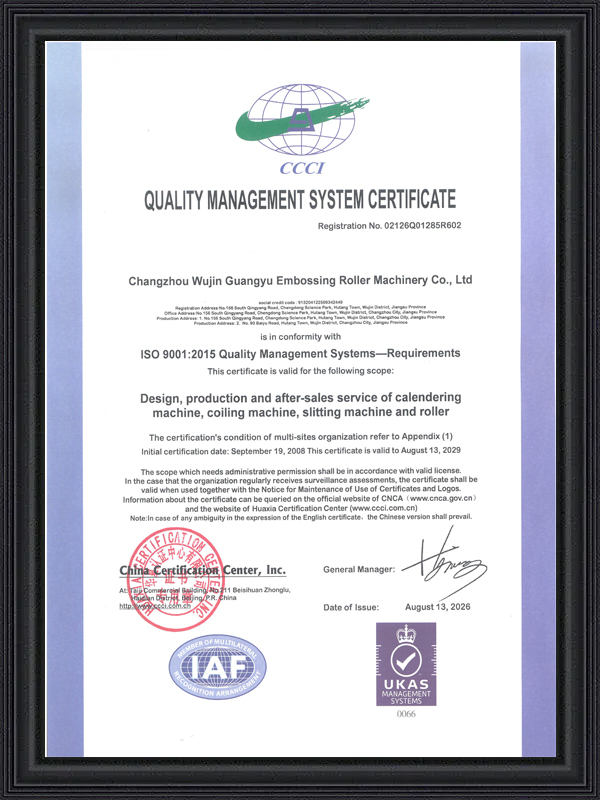
Our factory is ISO 9001 certified and products are EU RoHS compliant. Rollers are exported to more than 50 countries and regions. Each roller receives final comprehensive inspection, and we provide dimensional records, surface finish measurements, hard chrome plating checks and dynamic balancing reports according to the acceptance criteria agreed at order stage.
Information We Use to Prepare Your Proposal
To prepare a configuration and quotation, please provide:
- Machine type, line description or web path drawing
- Web material, basis weight or thickness, width and number of webs
- Line speed, tension range and operating temperature
- Existing roller drawing, sample or mounting envelope
- Roller function: idler, guide, driven, tension or high-speed drive
- Required surface finish, coating and any pattern or texture
- Environment: humidity, chemicals, cleanroom or washdown
- Project quantity and delivery target
With this baseline we size the shell, choose the material combination, define the balancing grade and confirm which inspection records will be shipped with the rollers.
Roller Engineering FAQs
- Can you supply a single replacement guide roller for an old line? Yes. We support new product sampling, small-batch customization and volume production. Send the existing roller drawing or sample, and we will confirm whether the original dimensions and surface specification can be reproduced.
- When should we choose aluminum instead of steel? Aluminum guide rollers suit high-speed film, tissue and lightweight web lines where low inertia reduces tension spikes and vibration. Steel guide rollers are preferred for heavier webs and positions requiring maximum stiffness.
- Do you provide anti-static or corrosion-resistant guide rollers? Yes. Anti-static guide rollers are available for film, paper and packaging webs. Stainless steel composite guide rollers are suitable for humid, hygienic or washdown environments.
- How is dynamic balancing handled on high-speed rollers? Balancing is performed after final grinding and coating so the measured result reflects the finished roller. The balancing grade is selected from your line speed and application, and the report is included in the acceptance documents.
- Can these rollers be used with your lamination and calendering equipment? Yes. Guide rollers and composite rollers are configured together with our lamination, bonding and calendering equipment for complete line supply, or independently for retrofit projects.