

 English
 русский
 Español
 عربى

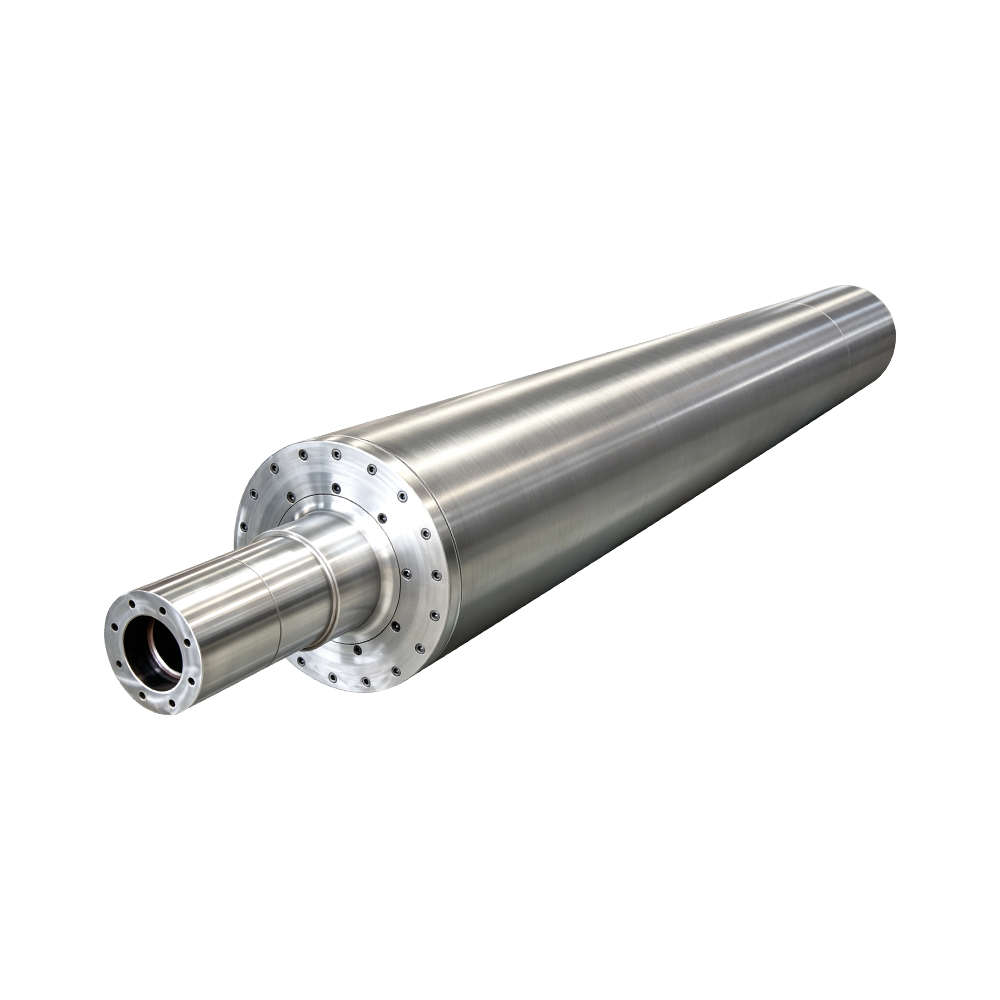
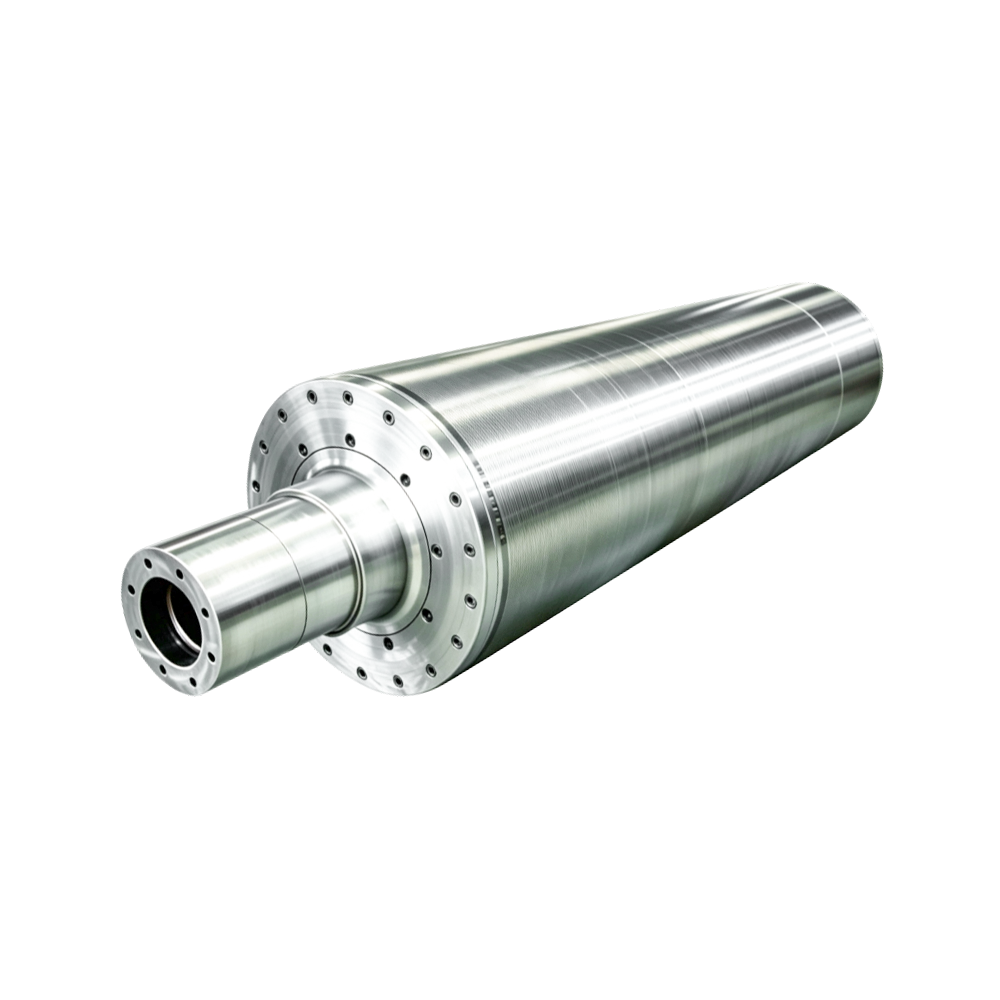
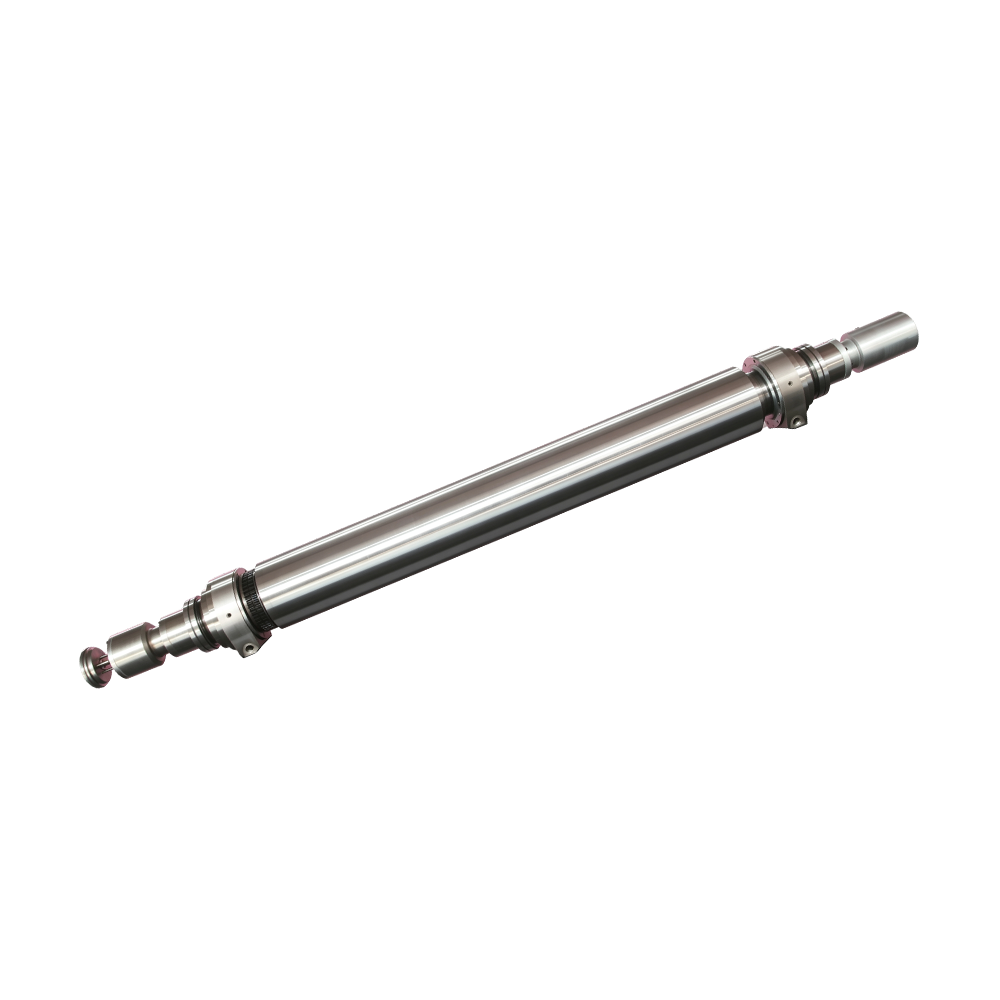

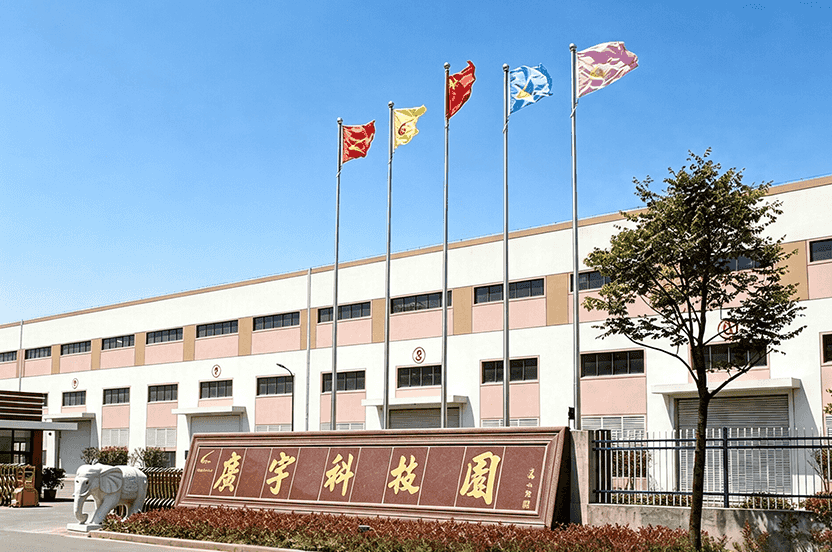



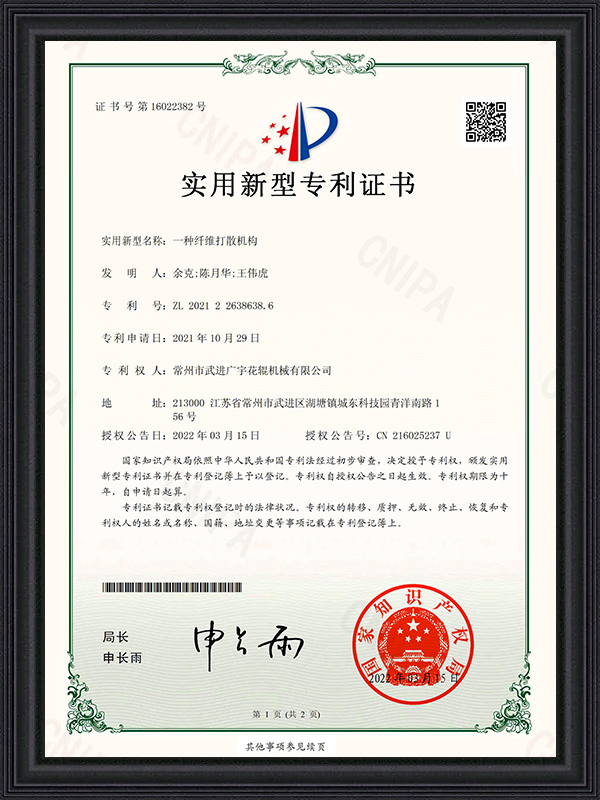
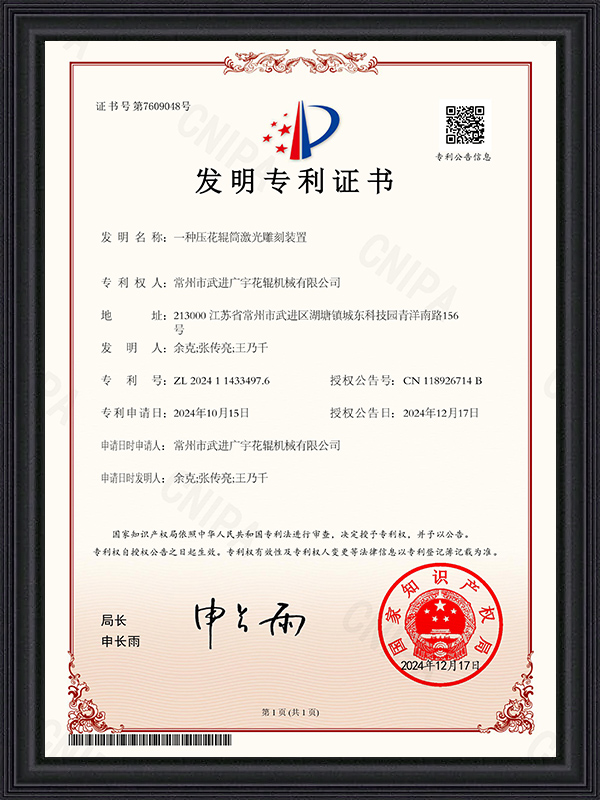
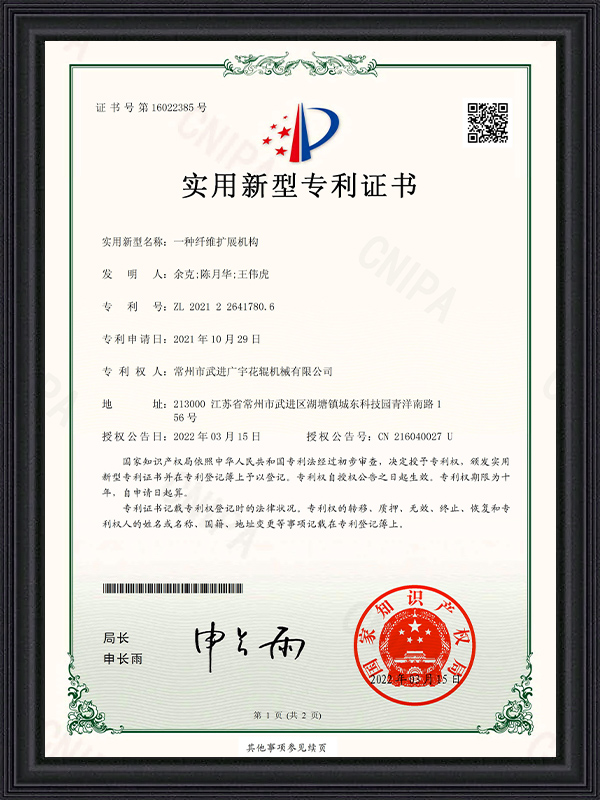
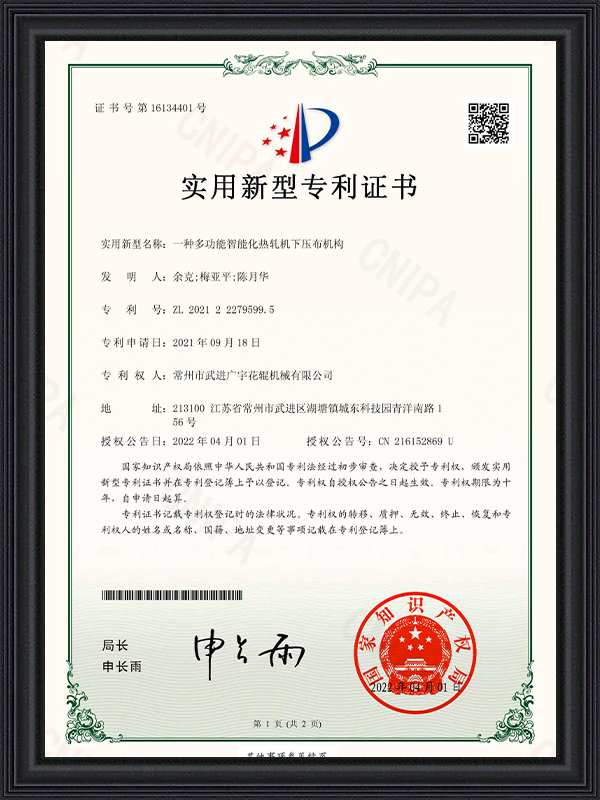
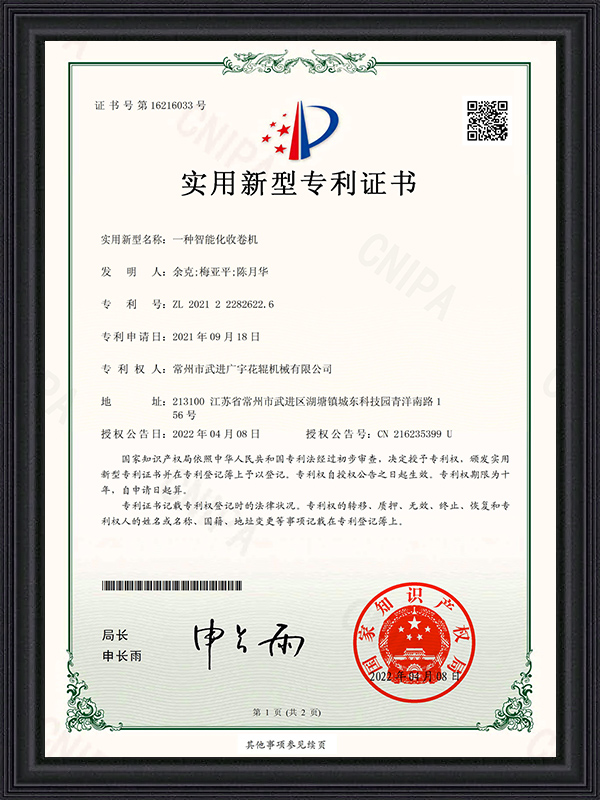
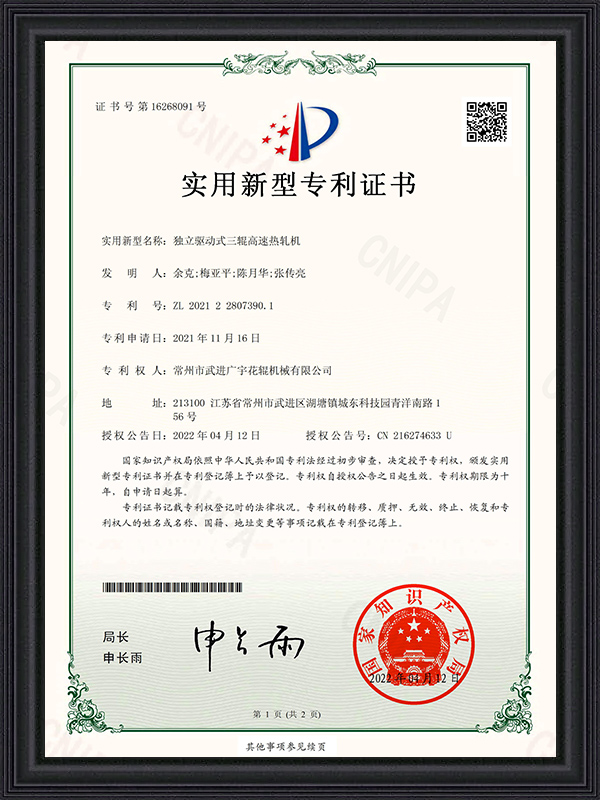
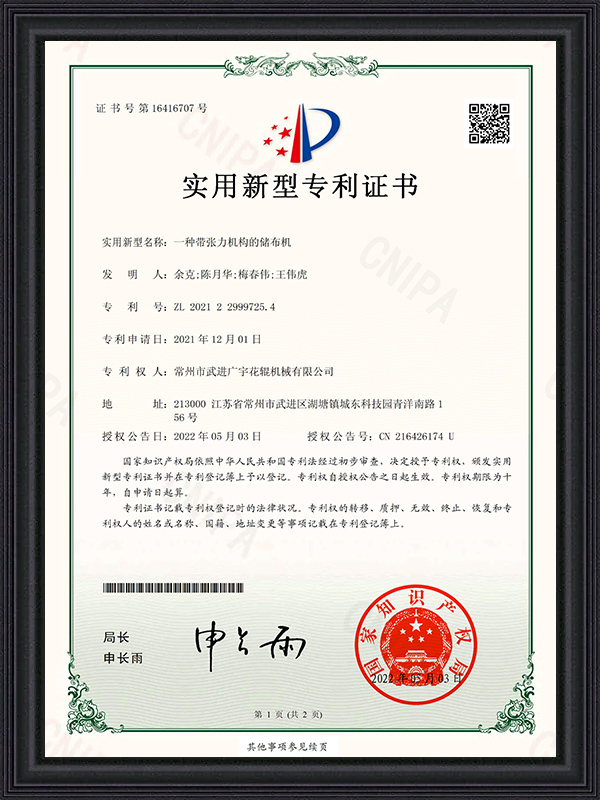
Changzhou Wujin Guangyu Embossing Roller Machinery Co., Ltd. designs and builds rolling rollers for continuous rolling and calendering processes in metal sheets, plastics and composite materials. As a Rolling Roller manufacturer, we run the complete production loop in-house - roller blank machining, laser engraving and hard chrome electroplating - so the roller that reaches your line is made and inspected by the same team that supports the project.
We are a China Rolling Roller Factory with more than four decades of precision forming experience. Our rolling roller range is used in nonwovens, plastic films, packaging, papermaking, metal processing and composite lines, and is supplied both as replacement rolls and as core components of complete machines.
Rolling roller range
Our rolling roller family covers the three configurations most often specified on production lines. Each is machined from high-quality alloy steel and heat-treated for the hardness, wear resistance and dimensional stability required in continuous operation.
Hot Rolling Roller
For heated rolling and hot calendering where the roller body controls surface temperature and heat transfer into the web.
Cold Rolling Roller
For densifying, smoothing and gauging metal sheets, plastics and composites without process heating.
Alloy Steel Uniformity Calendering Roller
For applications that demand consistent caliper and nip pressure across the full working width.
Matching the roller to the process
Selection starts with the process conditions, not the roller alone. We use your material, line speed, nip load and thermal requirements to define the shell, crown and surface finish.
| Roller type | Typical process | Primary materials | Engineering focus |
|---|---|---|---|
| Hot Rolling Roller | Heated rolling, hot calendering, thermal bonding | Nonwovens, films, tissue, laminates | Heat treatment, temperature uniformity, wear resistance |
| Cold Rolling Roller | Cold rolling, surface densifying, thickness gauging | Metal sheets, plastic sheets, composites | Hardness, geometry, surface finish |
| Alloy Steel Uniformity Calendering Roller | Precision calendering under high line load | Technical films, nonwovens, coated substrates | Deflection control, crown compensation, caliper consistency |
Where rolling rollers are used
Rolling rollers are line-critical components in calender and roller press stations. They control thickness, flatness and surface quality in continuous production, so a small geometry error becomes a visible product defect after only a short run.
- Paper and tissue: hot-rolled tissue and paperboard for softness, density and controlled bulk.
- Nonwovens: thermal bonding and calendering of spunbond, meltblown and composite webs.
- Metal sheets and panels: surface finishing, gauging and flattening of aluminum, stainless and galvanized sheet.
- Plastic films and composite materials: smoothing, densifying and thickness control for BOPP, PET, CPP and multi-layer structures.
Engineering and in-house manufacturing
We build rolling rollers for the specific working point of your line. The shell material and heat treatment are selected for strength, hardness, wear resistance, impact resistance and dimensional stability; the profile is machined with the required crown or straightness; and the surface finish is matched to the product being processed.
Our production sequence covers finish machining of roller blanks, CNC precision grinding, high-precision mirror polishing, laser texturing, precision hard chrome plating and final comprehensive inspection. We operate over 100 sets of high-precision machines, including German-imported multi-beam direct laser engraving equipment and automated electroplating lines, inside a 120,000 m² facility.
For hot applications, we consider the thermal design of the roller body, including heating medium, flow path and expected surface temperature uniformity. For cold rolling, the priority shifts to shell hardness, geometric accuracy and low runout. In both cases, journal diameters, bearing positions, drive coupling and deflection behavior under your expected nip load are included in the engineering review.
Quality assurance and acceptance
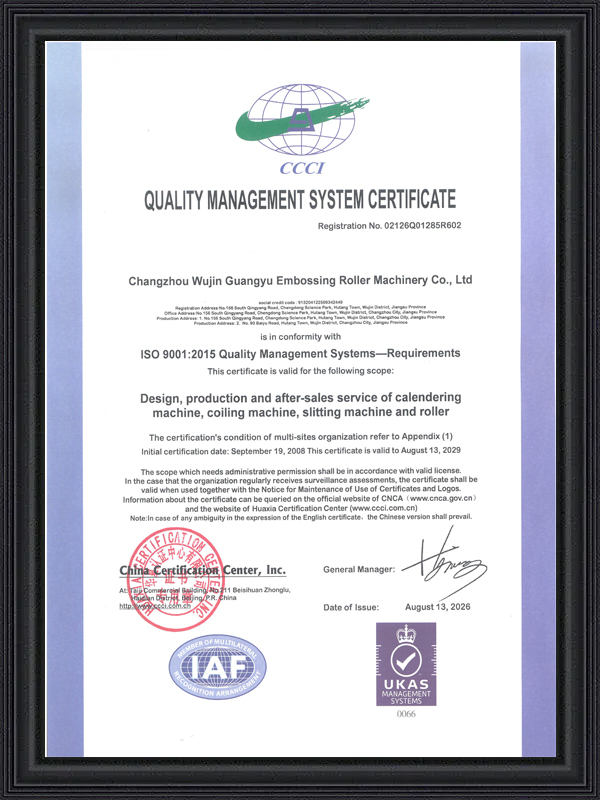
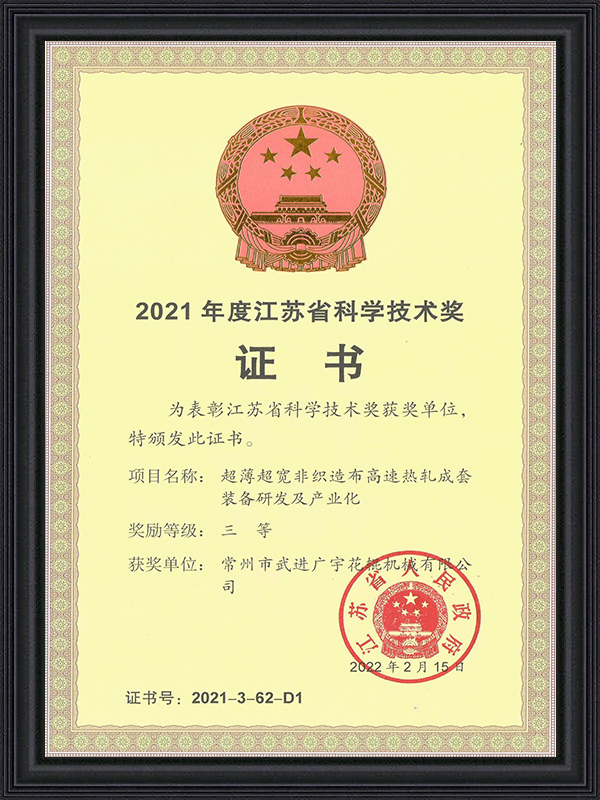
Guangyu operates under an ISO 9001 quality management system, and our products are EU RoHS compliant. We also participated in drafting the national industry standard for nonwoven fabric hot-rolling machines, and the same engineering control applies to our rolling roller range.
- Alloy steel specification and heat treatment matched to the operating temperature.
- Geometric tolerances, runout and surface roughness checked during the machining process.
- Hard chrome finish applied for wear resistance and corrosion protection.
- Final comprehensive inspection before the roller is prepared for shipment.
Line integration and replacement planning
Rolling rollers are specified either for a new calender or as a replacement in an existing line. For new equipment, we coordinate the roller with the frame, heating system and drives, and we can supply the roller together with the complete machine. For retrofits, we measure the existing roller, journals and end fittings so the replacement fits without reworking the line.
Because our wider Industrial Rollers range includes embossing, anilox, mirror and precision industrial rollers, a rolling roller project can be packaged with other roll sets for the same line. When complete equipment is required, our material processing equipment range covers nonwoven finishing, embossing, calendering and lamination machinery.
Information we use to configure your solution
Send us the working conditions rather than only a drawing number. That allows us to check the specification and propose the correct shell, surface and profile.
- Process type: hot rolling, cold rolling, calendering, embossing or lamination.
- Material and web dimensions: width, thickness, basis weight, density and surface requirement.
- Line parameters: speed, nip load, roller face length and diameter constraints.
- Thermal data: surface temperature target, heating/cooling medium and uniformity requirement.
- Mechanical interfaces: journal size, bearing type, drive coupling and frame arrangement.
- Quality targets: roughness, hardness, runout, balancing grade and coating specification.
- Project scope: new line, spare roller, retrofit or OEM volume order.
With these details, we prepare a configuration, dimensional proposal and delivery scope for your review.
Rolling roller FAQs
What is the difference between a hot and a cold rolling roller?
Hot rolling rollers are designed to absorb and transfer heat into the web during processes such as thermal bonding and hot calendering. Cold rolling rollers are used without process heating, mainly for densification, flattening and surface quality control. The shell specification differs because the operating temperature changes the deflection and heat-treatment requirements.
Can you make a single replacement roller for an existing machine?
Yes. We can supply a replacement rolling roller to an existing calender or rolling line. Provide the original roller diameter, face length, journal details, heating/cooling arrangement and process data so we can match the geometry and performance.
What material do you use for rolling rollers?
Our rolling rollers are manufactured from high-quality alloy steel and processed with heat treatment to achieve the required hardness, wear resistance, impact resistance and dimensional stability. For special process conditions, we adjust the shell material and coating to meet temperature, corrosion or surface requirements.
Do you supply the rolling roller and the complete machine together?
Yes. We build both rollers and material processing equipment. For nonwoven finishing, embossing, calendering and lamination projects, we can supply the roller set together with the machine frame, heating system and controls as a complete package.
How do you control the quality of a rolling roller before delivery?
Production follows our ISO 9001 quality management system. The closed-loop process includes final comprehensive inspection covering dimensional tolerances, surface finish, hardness and plating quality. Acceptance criteria can be agreed before manufacturing when your project requires specific test records.