Precision Industrial Roller

Home / Products / Industrial Rollers / Precision Industrial Roller / Chill Roller/Casting Roller
  • Core Unique Selling Points
  • Product Features & Advantages
  • Application Fields
  • Product Details

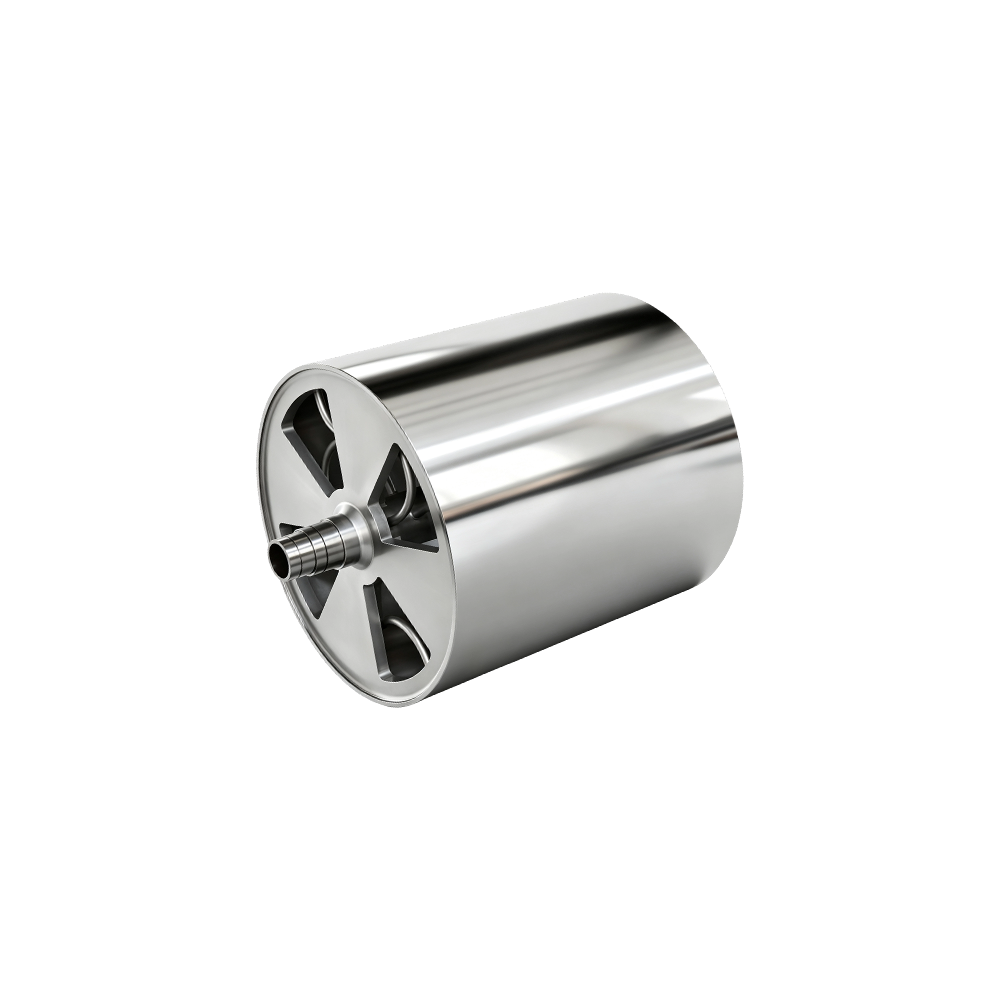
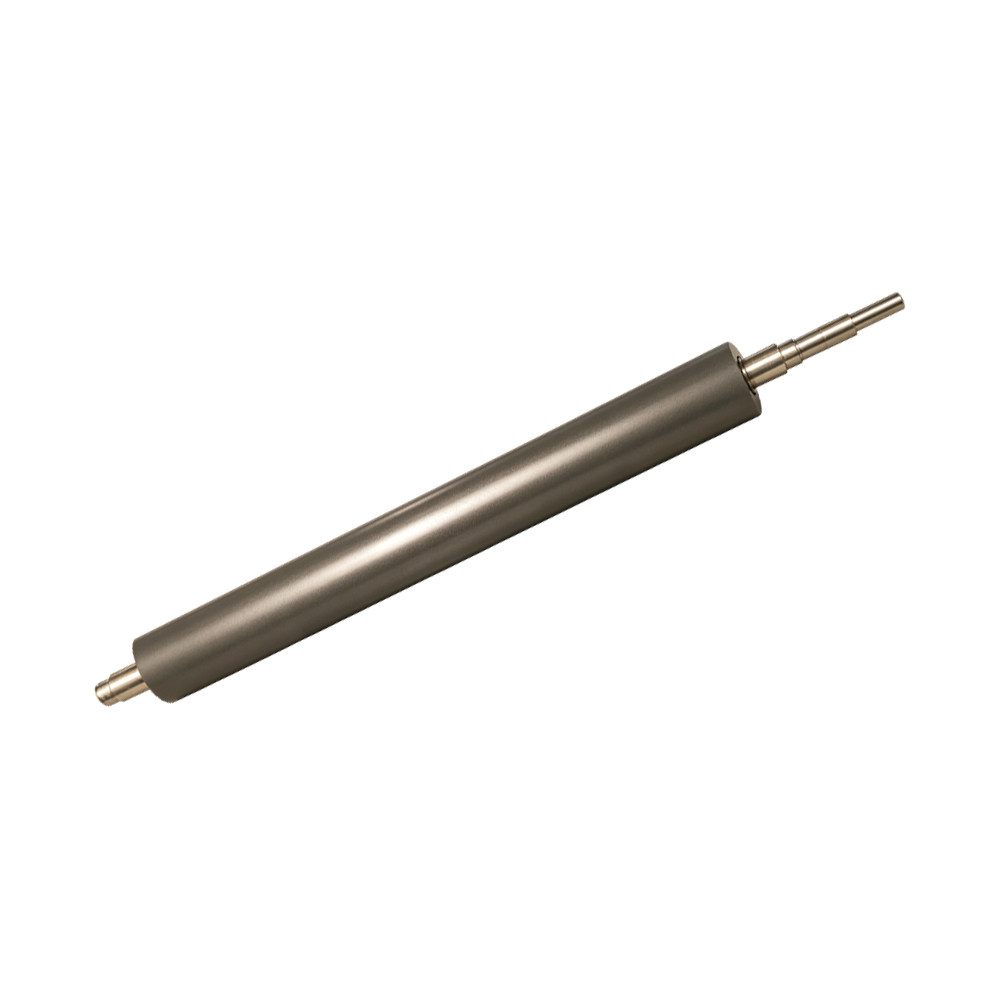
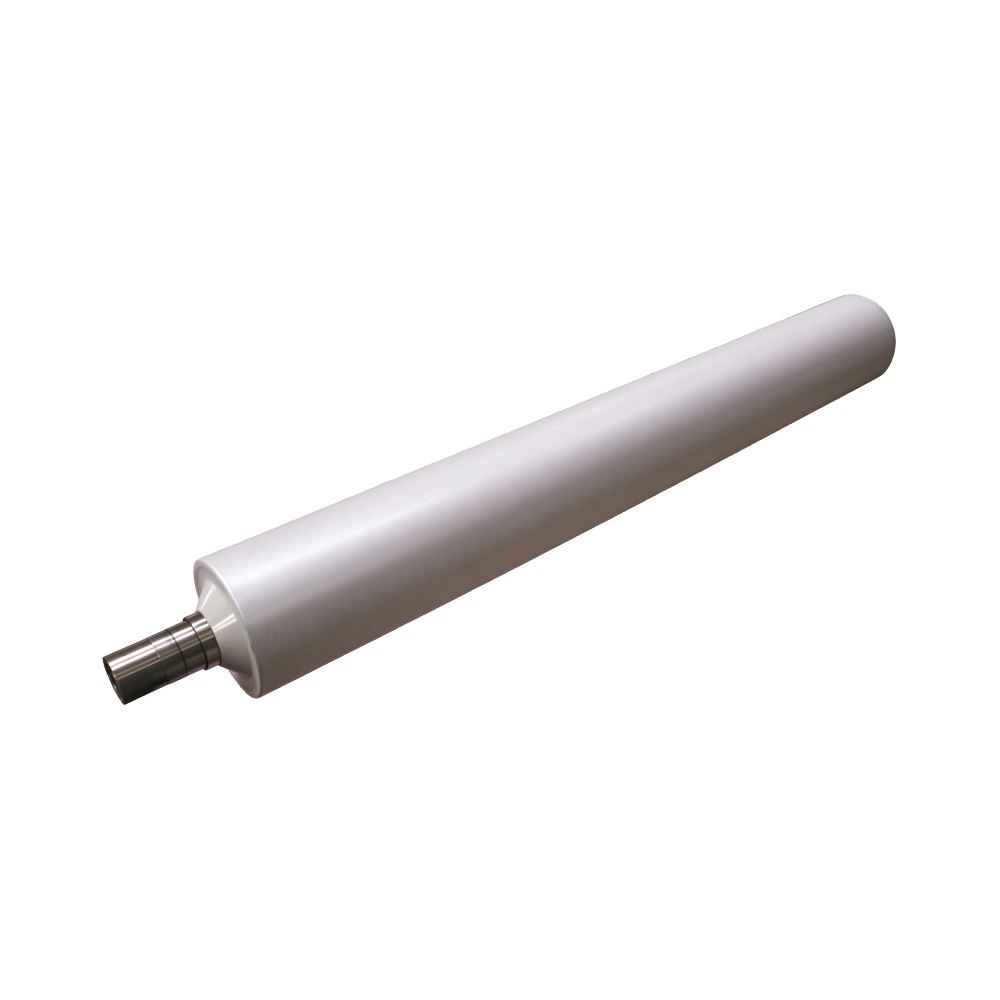
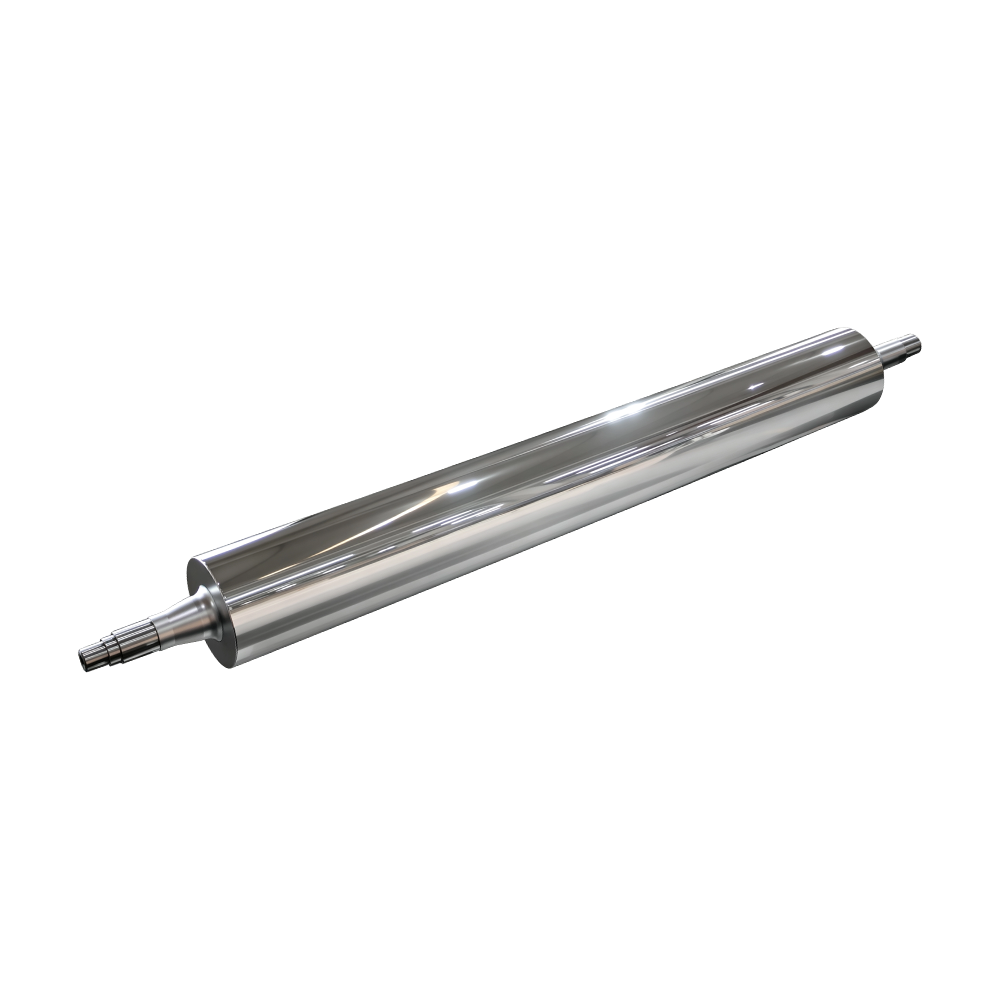
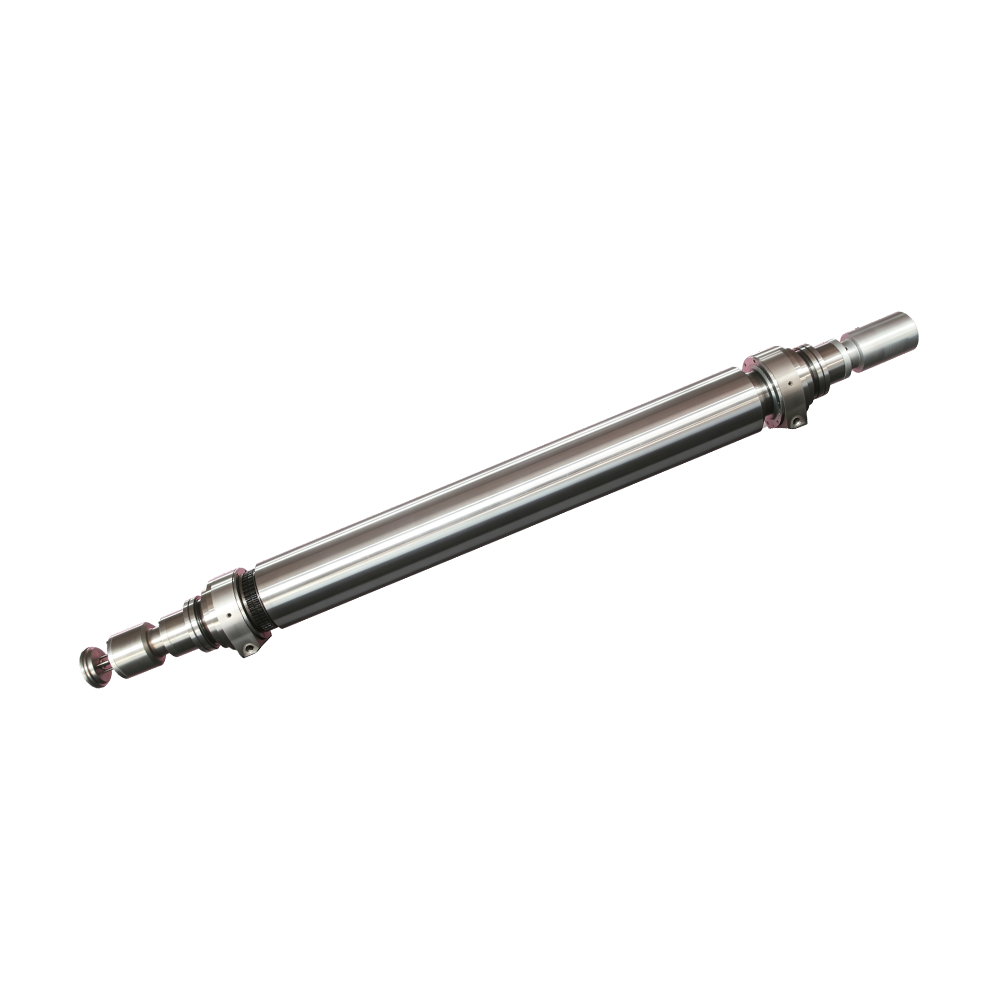
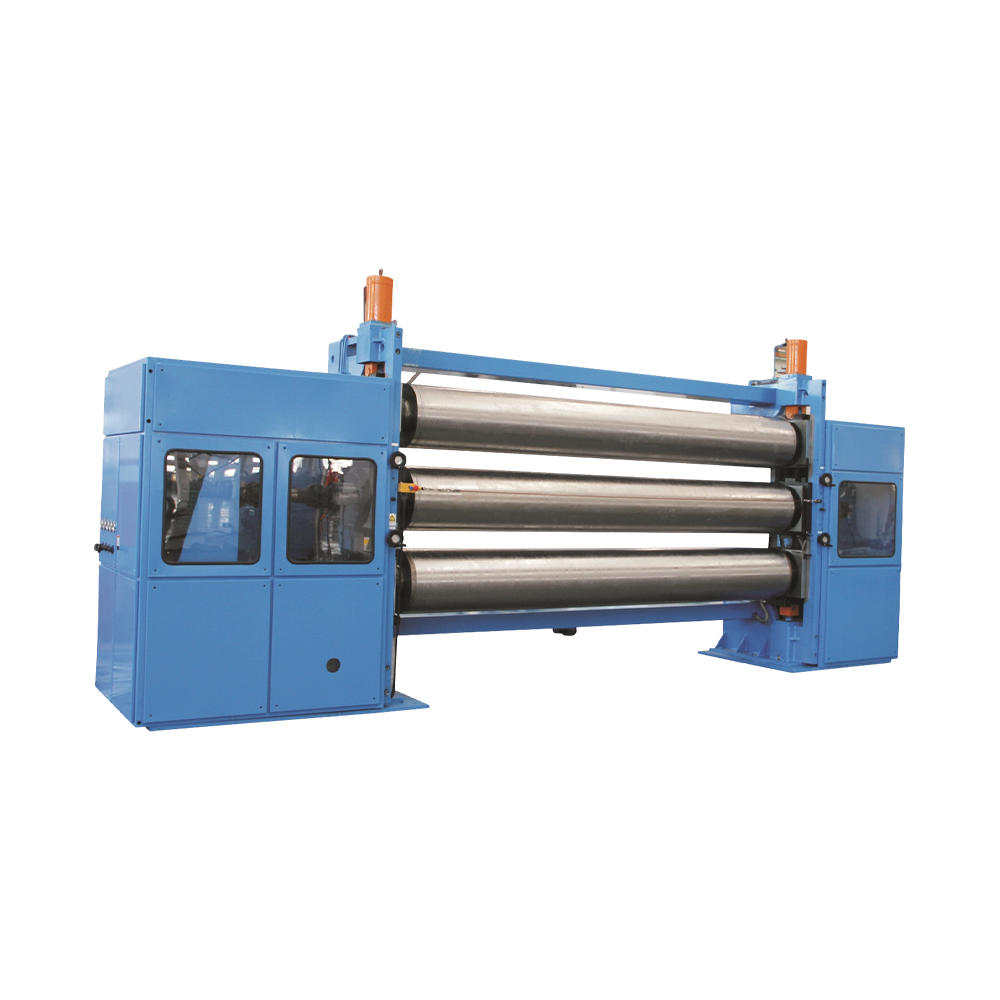
·Staggered double-layer spiral dual-flow channel heat exchange structure achieves axial temperature differential ≤±0.5℃ across the entire roller, eliminating transverse crystallization unevenness and thickness wave defects on wide-width production lines. Unlike the common simple single-spiral welded water channels on the market, Guangyu chill roll uses CNC integrally milled double-layer independent circulating cooling channels with bi-directional staggered coolant flow for heat exchange without dead zones. Under instantaneous contact quenching conditions with 280–310℃ high-temperature PET and PP melts, the 3800mm ultra-wide roller body maintains highly uniform temperature across the entire surface, thoroughly resolving the common industry problem of excessive cooling at both ends and insufficient cooling in the center. It stably controls cast sheet crystallization consistency, reducing film breakage probability in biaxial stretching from the source.

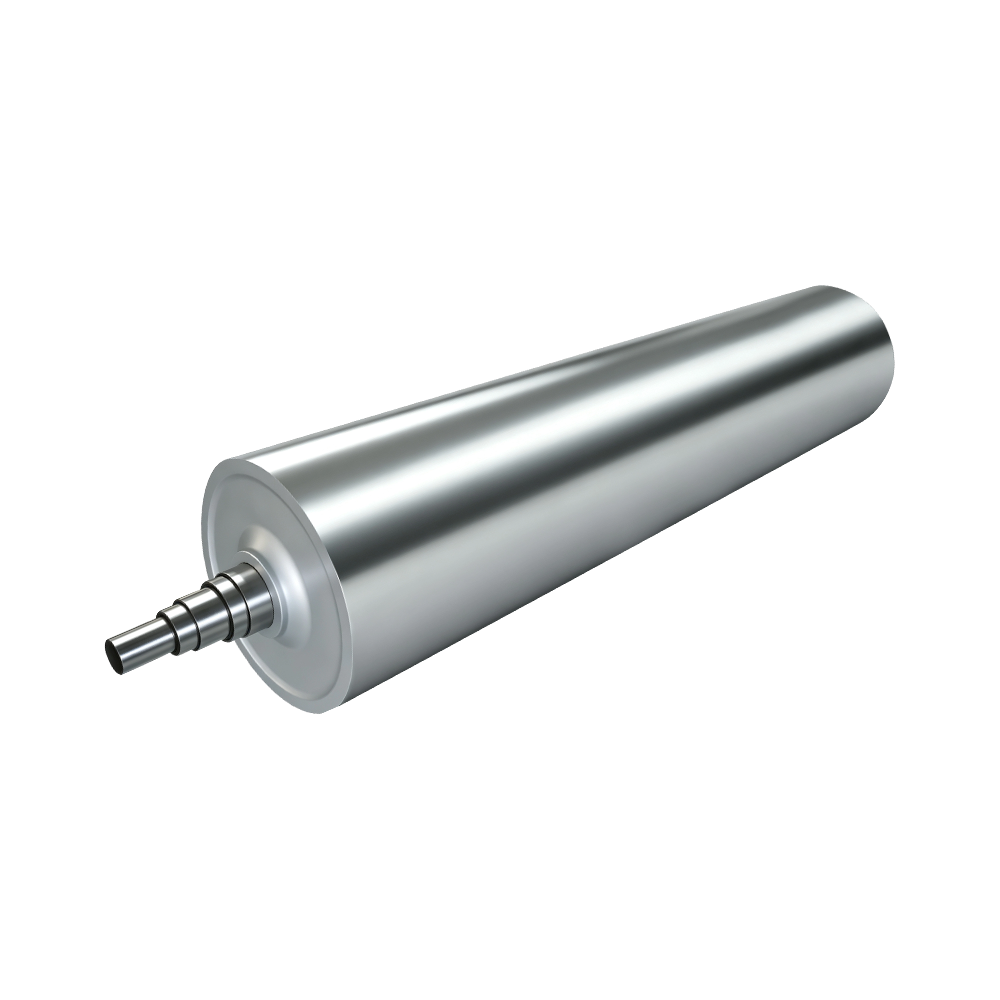
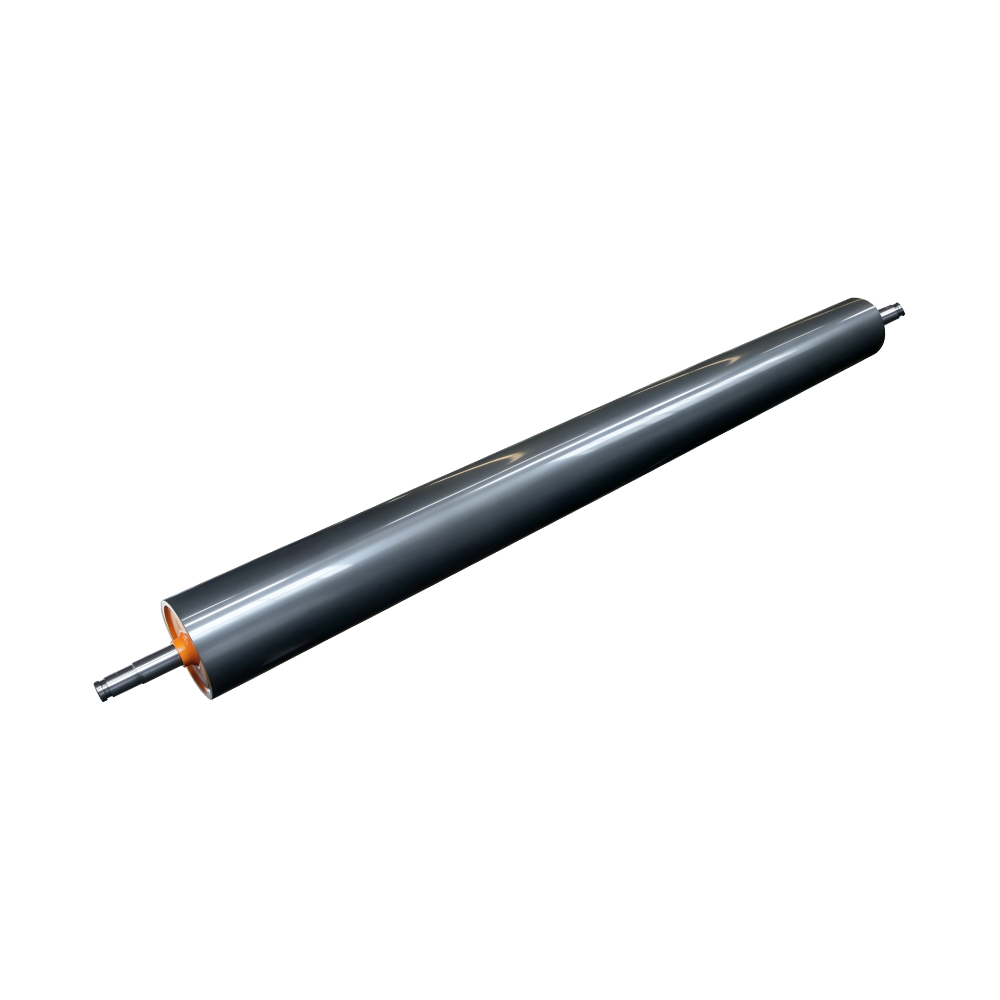
·Integral forging with multi-stage stress-relief process minimizes roller body deflection under large-diameter heavy-load long-term operation, with static concentricity ≤0.008mm and radial runout ≤0.0025mm at high speed. Conventional chill rolls typically use seamless steel pipe welded flanges, which are prone to deformation under long-term alternating hot-cold cycles. Guangyu selects high-quality alloy forging with integral machining, completing three-stage stress release through quenching and tempering, low-temperature tempering, and vibration stress relief. The roller provides sufficient rigidity margin, accommodating Φ600–Φ2800mm large diameters to meet continuous operation requirements of BOPET and lithium battery separator high-speed casting lines, preventing periodic thickness fluctuations in mother sheets caused by micro-deformation.

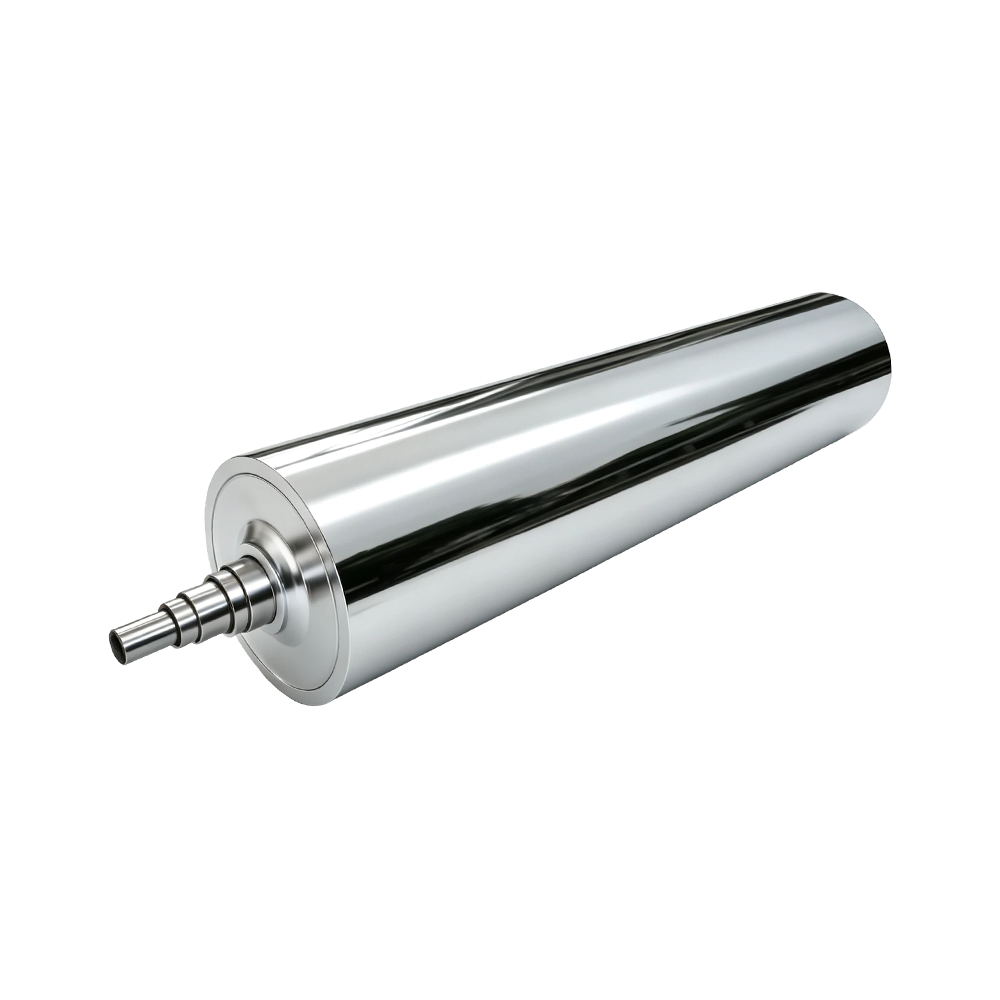
·Ultra-precision multi-stage mirror polishing combined with dense thick-layer hard chrome composite surface achieves minimum roughness Ra≤0.006μm with chrome layer thickness ≥0.12mm, resisting erosion, scratching, and maintaining long-term mirror precision. Roller surface precision is directly replicated onto the cast substrate. Multi-stage progressive grinding and nano-level ultra-mirror polishing processes deposit a low-porosity hard chrome layer with metallurgical bonding to the substrate. During production, the surface resists corrosion from melt extracts and scratching from impurity particles. Compared with ordinary chrome-plated chill rolls, mirror surface retention cycle is extended by 110%, significantly reducing offline re-polishing frequency and ensuring long-term stability of film light transmittance and gloss.

·Customized flow rate matching design supports high-velocity cooling water circulation with 35% improved heat exchange efficiency, achieving rapid melt quenching and precise control of film haze and optical properties. Fluid dynamics simulation optimization addresses different polymer material characteristics: BOPP requires rapid deep cooling, PET requires gradient cooling control, and lithium battery separators require strict cooling rate control. Through internal flow channel cross-section and lead orientation optimization, the system matches customer line water supply parameters to precisely control melt cooling rates, helping factories stably regulate cast sheet spherulite size for high-barrier optical films and new energy separator production standards.

·Full-condition dynamic balancing calibration meets G0.8 grade, exceeding industry standard G2.5, operating without resonance or vibration marks at 350m/min ultra-high line speed. Biaxially oriented film production lines are continuously upgrading to higher speeds, with vibration directly creating visible transverse ripples on cast sheet surfaces. Guangyu factory implements G0.8 high-precision dynamic balancing inspection with integrally forged journal structures dispersing loads. In ultra-thin optical mother sheets and lithium battery separator production, it effectively avoids vibration-induced thickness deviations, significantly improving high-end film yield rates.

·Core Process Value: The chill roll is the first-stage sizing core component in biaxially oriented film production lines. Molten resin extruded from the die instantly contacts the roller surface for rapid quenching and solidification, with the crystalline state, thickness uniformity, and surface gloss of the cast sheet all determined by chill roll performance. Many factories overlook roller temperature differential precision, resulting in frequent film breaks during subsequent longitudinal and transverse stretching, batch-to-batch haze fluctuations, and thickness deviation exceedances. Guangyu chill roll features specialized structural optimization for this pain point, prioritizing overall heat exchange balance over mere mirror appearance, balancing mechanical rigidity, thermal stability, and surface wear resistance for 24/7 continuous mass production.

·Long-Term Operational Cost-Effectiveness: The thick low-porosity hard chrome layer resists chemical media corrosion, preventing pitting when processing biodegradable materials and modified filled films. The forged substrate resists cold-heat fatigue, maintaining dimensional stability under years of alternating cycles with significantly extended overhaul intervals. Localized minor scratches support localized polishing repair without complete chrome stripping and re-plating, with maintenance costs far below ordinary welded chill rolls. Uniform temperature reduces film breaks and scrap losses caused by uneven crystallization, with multiple line customers reporting defect reductions of 82%.

·Product Quality Enhancement: Transverse thickness deviation of cast sheets is reduced, easing thickness control in subsequent stretching processes. Uniform crystallization distribution enhances batch-to-batch consistency of film light transmittance and thermal shrinkage. The ultra-mirror surface with no fine scratches or pitting eliminates surface bright spots and dark specks, meeting optical-grade film and high-end food packaging film appearance standards.

·Biaxially Oriented Packaging Films: Suitable for BOPP, BOPET, BOPA, BOPE film line casting units, producing food packaging films, daily chemical label films, and retort films; widely supplied to film manufacturers in Southeast Asia and the Middle East.

·Lithium Battery Separator Base Material Lines: PP/PE wet and dry process separator cast sheet formation, strictly controlling cooling rates to ensure uniform base material pore structure; serving new energy material manufacturers in domestic and Southeast Asian markets.

·Optical Functional Film Industry: PET optical base films, release films, brightness enhancement film mother sheet rapid quenching and sizing; ultra-mirror low-defect roller surfaces ensure high light transmittance and low haze, supplying Japanese, Korean, and domestic optoelectronic material plants.

·PLA and PBAT Biodegradable Film Casting Lines: Cooling channels optimized for biodegradable material melt characteristics, resisting acidic degradation resin extract corrosion, suitable for new eco-material production lines.

·CPP and CPE Cast Thick Sheet Base Material Lines: Cast thick sheet cooling and sizing in casting processes, paired with vacuum suction air knives to improve melt adhesion and eliminate bubbles and wrinkles on cast sheet surfaces.

·PS and PET Sheet Extrusion Lines: Food thermoforming sheets and decorative rigid sheets cast forming, with optional mirror or soft-mirror roller surfaces according to product requirements.

Exclusive Core Parameters Internal flow channel structure CNC integrally milled staggered double-layer independent dual-flow channels
Axial temperature differential ≤±0.5 ℃
Static concentricity ≤0.01 mm
Long-term high-speed radial runout ≤0.0025 mm
Factory dynamic balancing grade G0.8
Minimum surface roughness Ra≤0.006 μm
Standard chrome layer thickness ≥0.12 mm
Standard cooling medium pressure test 1.8 MPa
General Specifications Roller diameter range Φ500 mm–Φ2800 mm
Effective working width 600 mm–4200 mm
Compatible cooling media Circulating cooling water/ethylene glycol low-temperature coolant
Maximum compatible line speed ≤350 m/min
Compatible melt contact temperature range 220 ℃–310 ℃
Optional roller surface finishes Ultra-mirror, soft-mirror
Factory documentation Material certificate, dimensional accuracy inspection, roughness report, hydrostatic test record
Certifications ISO9001, ISO14001, CE, SGS third-party testing support

40 Years

of Precision Forming Manufacturing

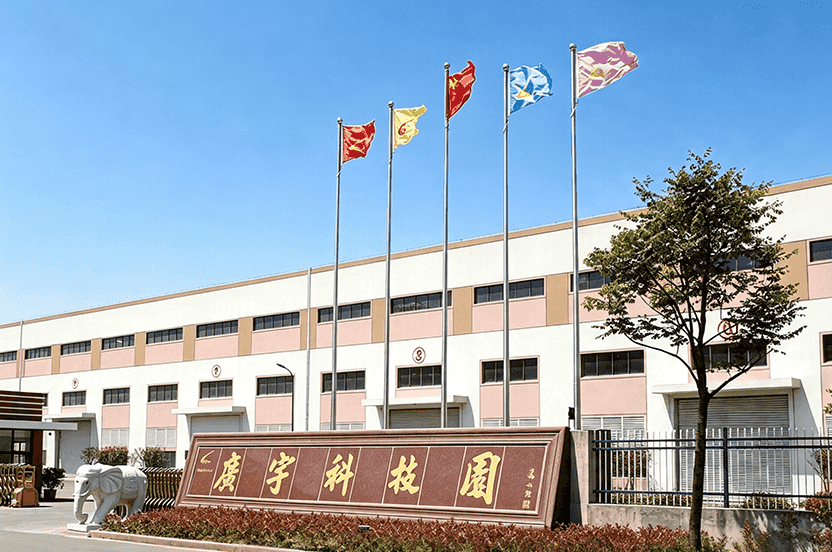
Guangyu Embossing Roller Machinery specializes in the R&D and manufacturing of precision rollers and embossing/calendering equipment. We serve a diverse range of industries including rubber and plastics, nonwovens, papermaking, leather, and metal press forming, offering customized roller solutions and fully integrated machinery packages.


The company operates a complete closed-loop production line in-house, encompassing roller blank fabrication, laser engraving, and hard chrome electroplating. We have participated in the formulation of the industry standard for nonwoven fabric hot-rolling machines and hold both ISO 9001 and EU RoHS certifications. Our products are exported to more than 50 countries and regions worldwide.
  • Founded in Founded in

    Founded in

    0

  • Founded in Founded in

    Country of Sale

    0+

  • Founded in Founded in

    Employees

    0+

  • Founded in Founded in

    Factory
    Area

    0+

Certificate Of Honour
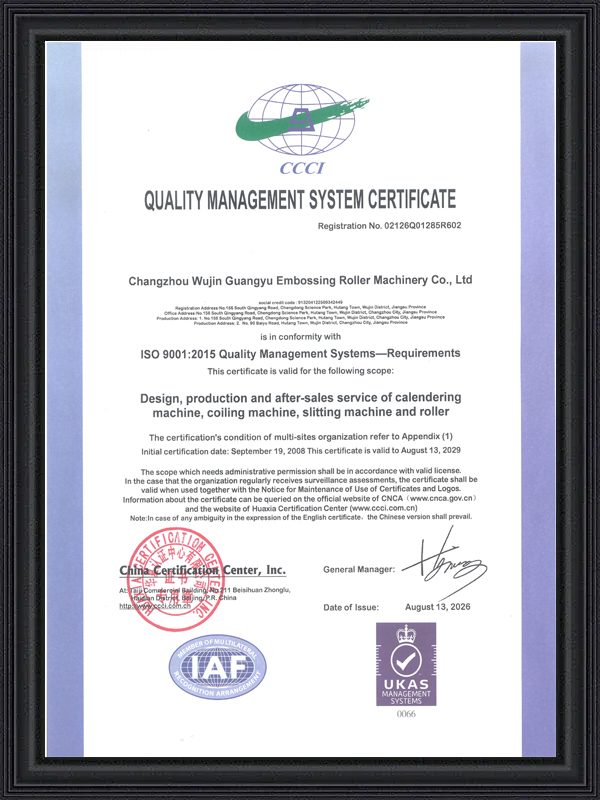
  • Quality Management System Certificate
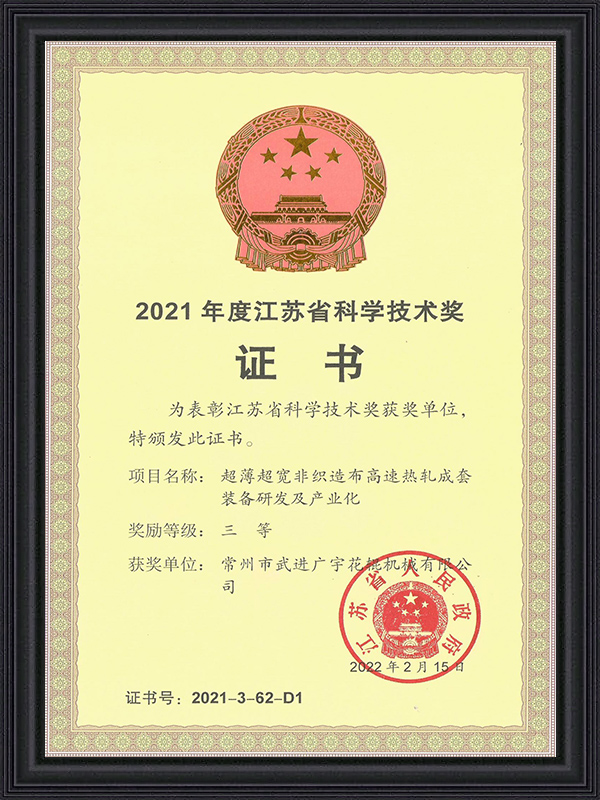
  • Certificate
  • Certificate
  • Certificate
  • Certificate
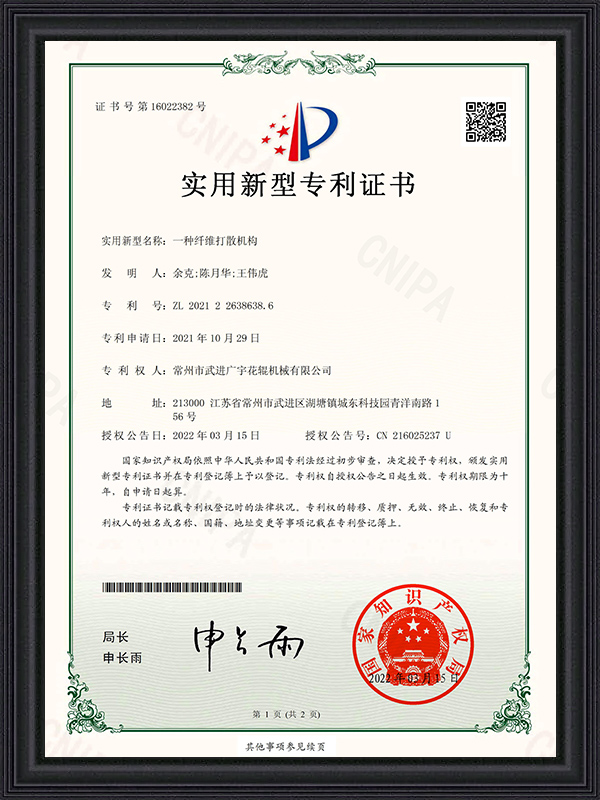
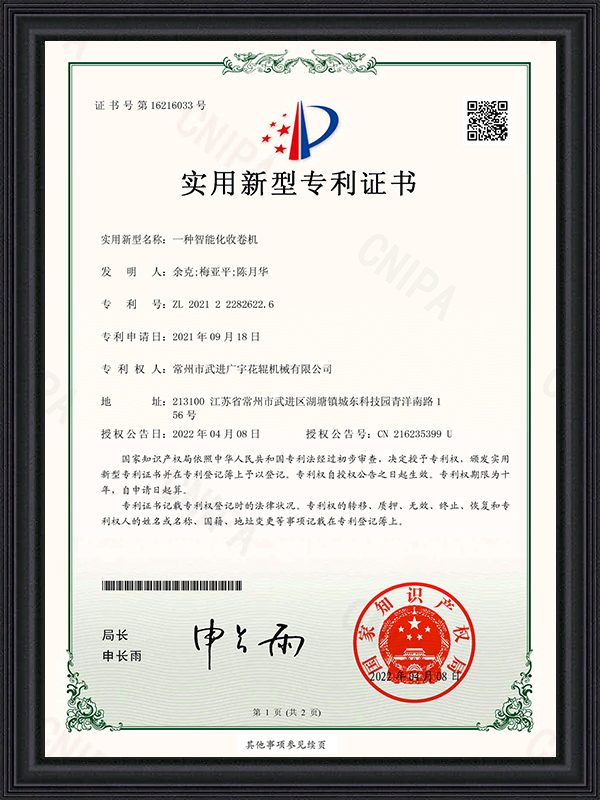
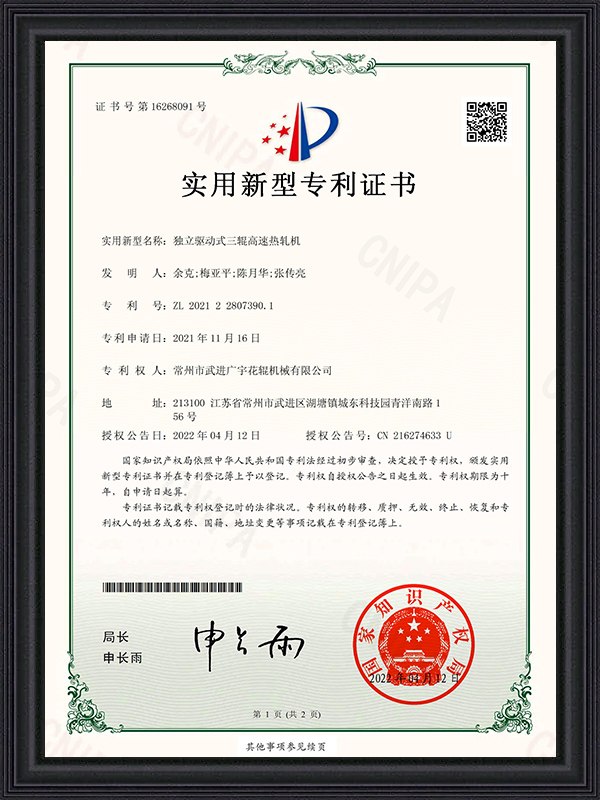
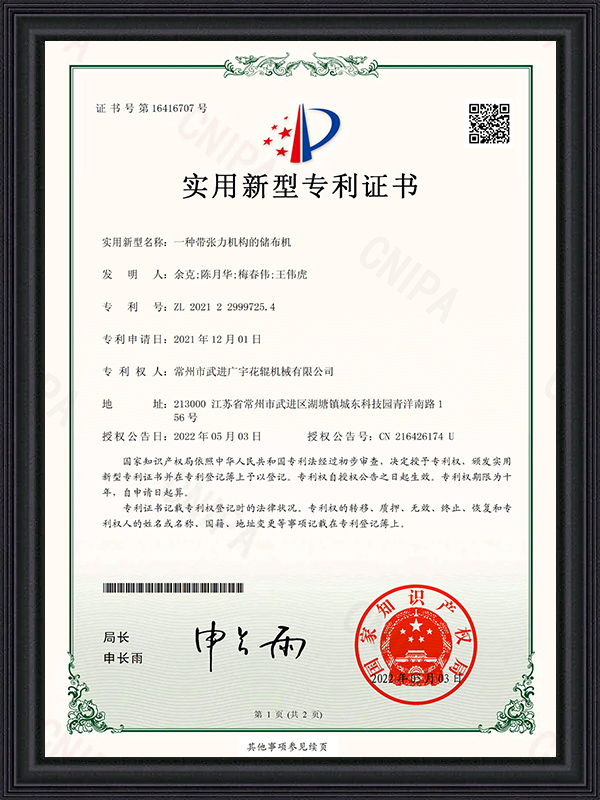
  • Utility Model Patent Certificate
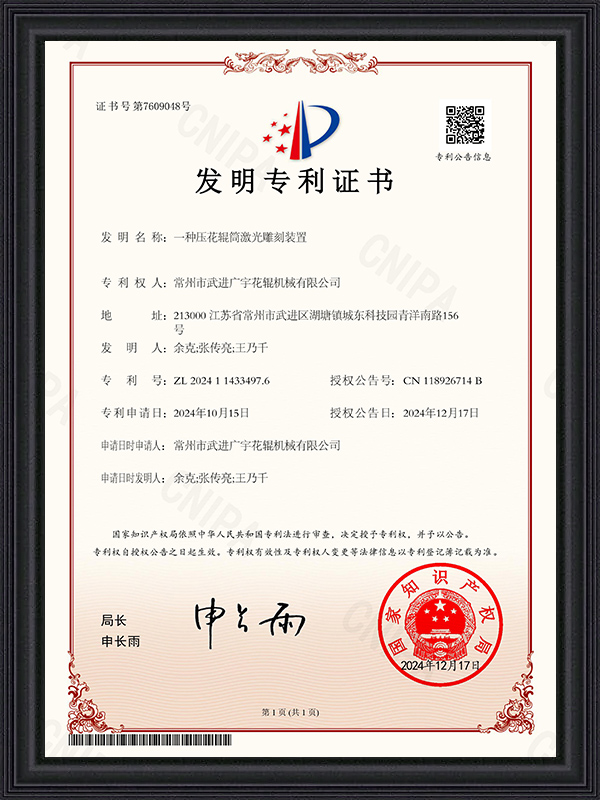
  • Patent Certificate
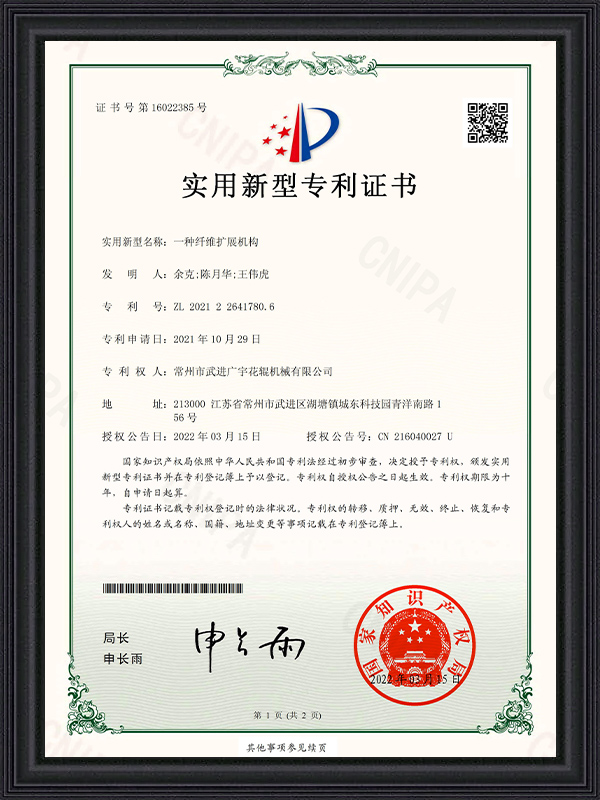
  • Utility Model Patent Certificate
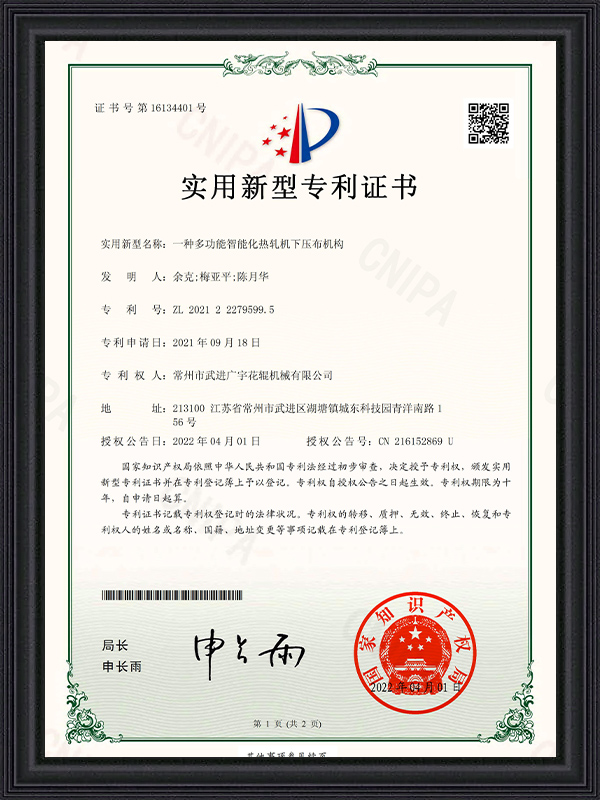
  • Utility Model Patent Certificate
  • Utility Model Patent Certificate
  • Utility Model Patent Certificate
  • Utility Model Patent Certificate

Pay Attention to Our Latest News and Exhibitions

Technical Innovation & Global Project Updates