·Variable-Lead Spiral Dual-Flow Channel Design
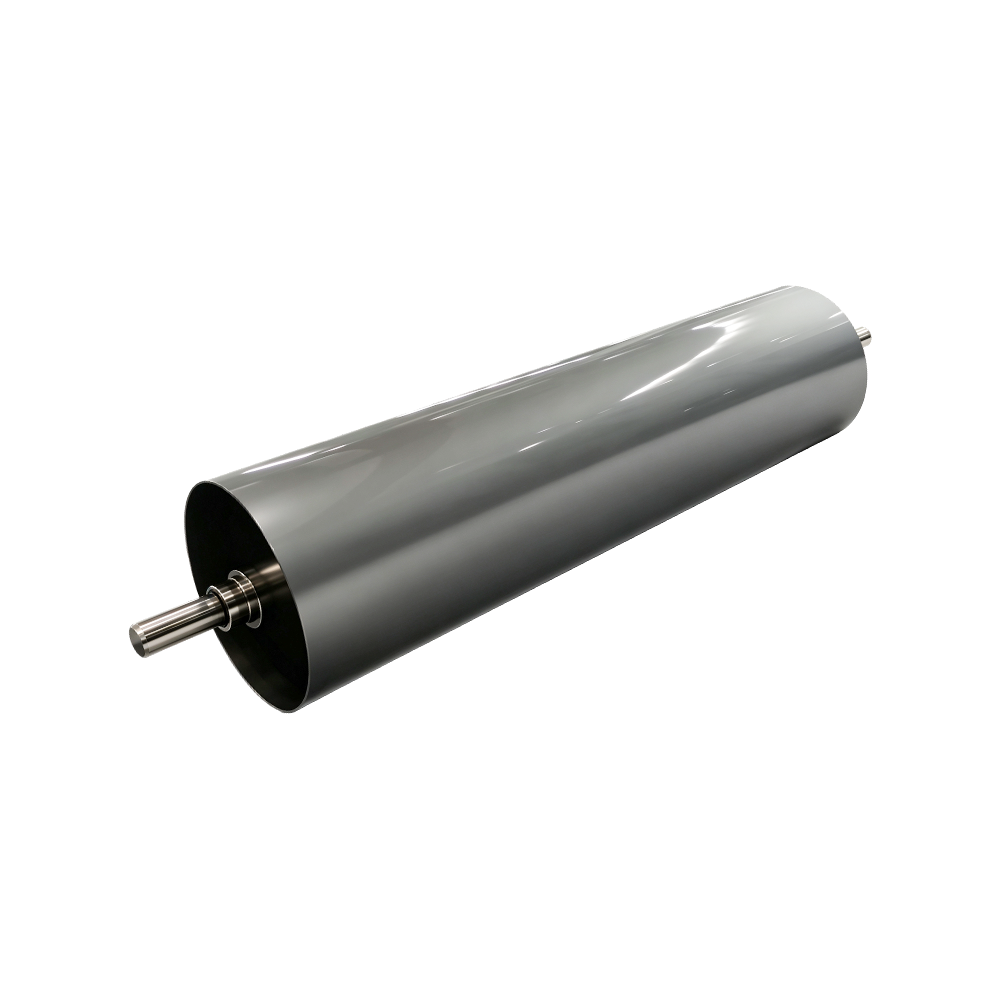
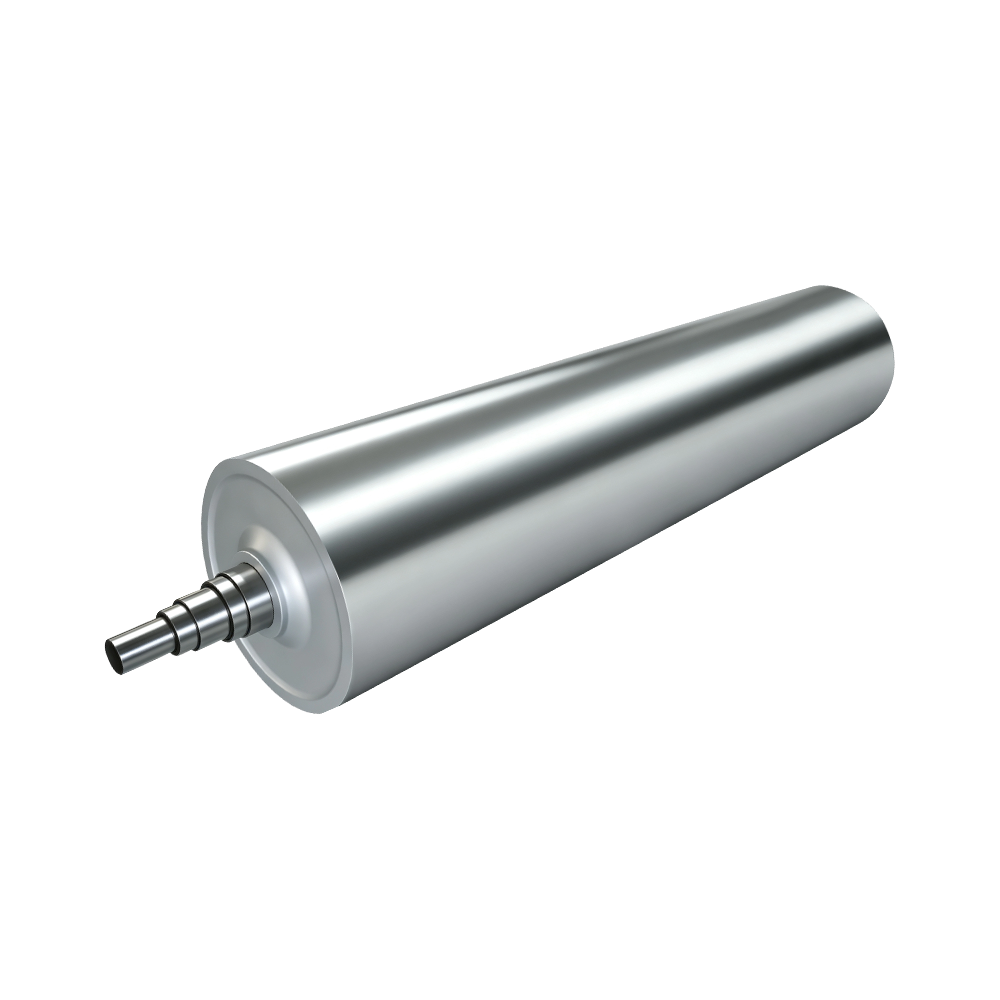
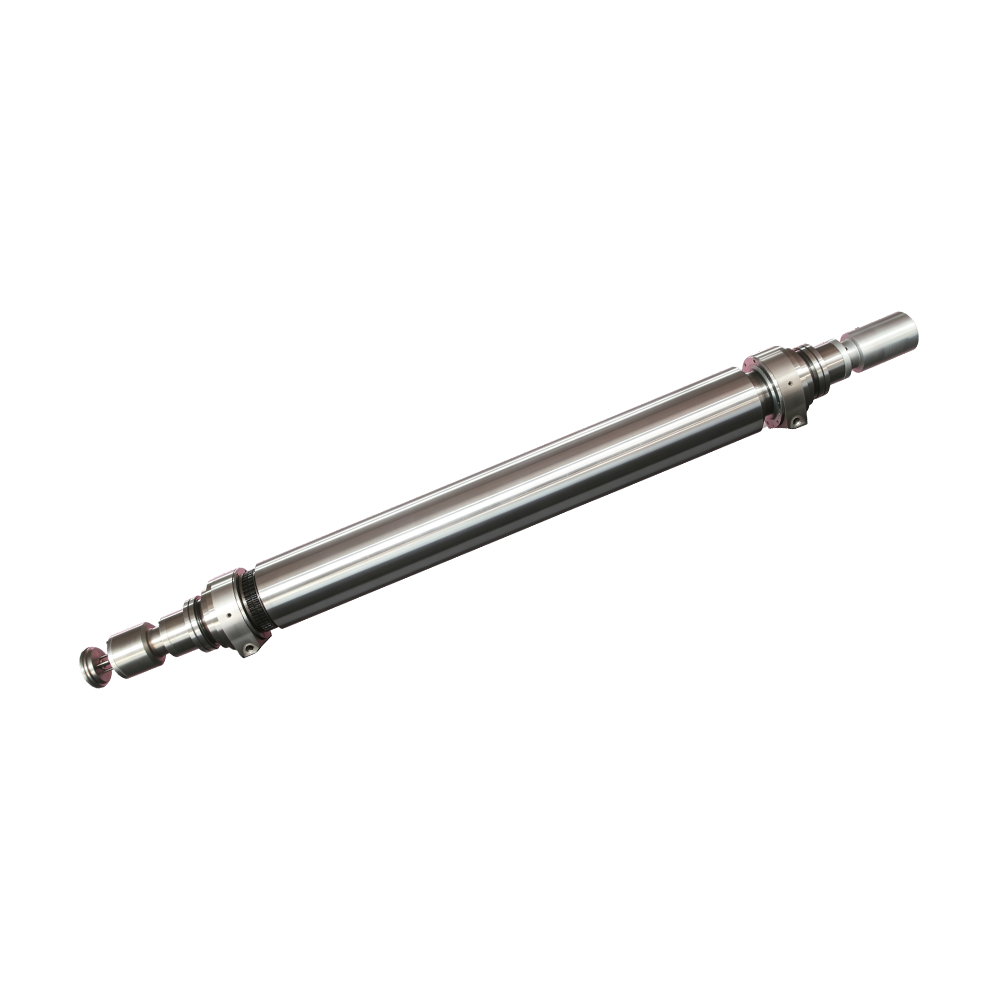
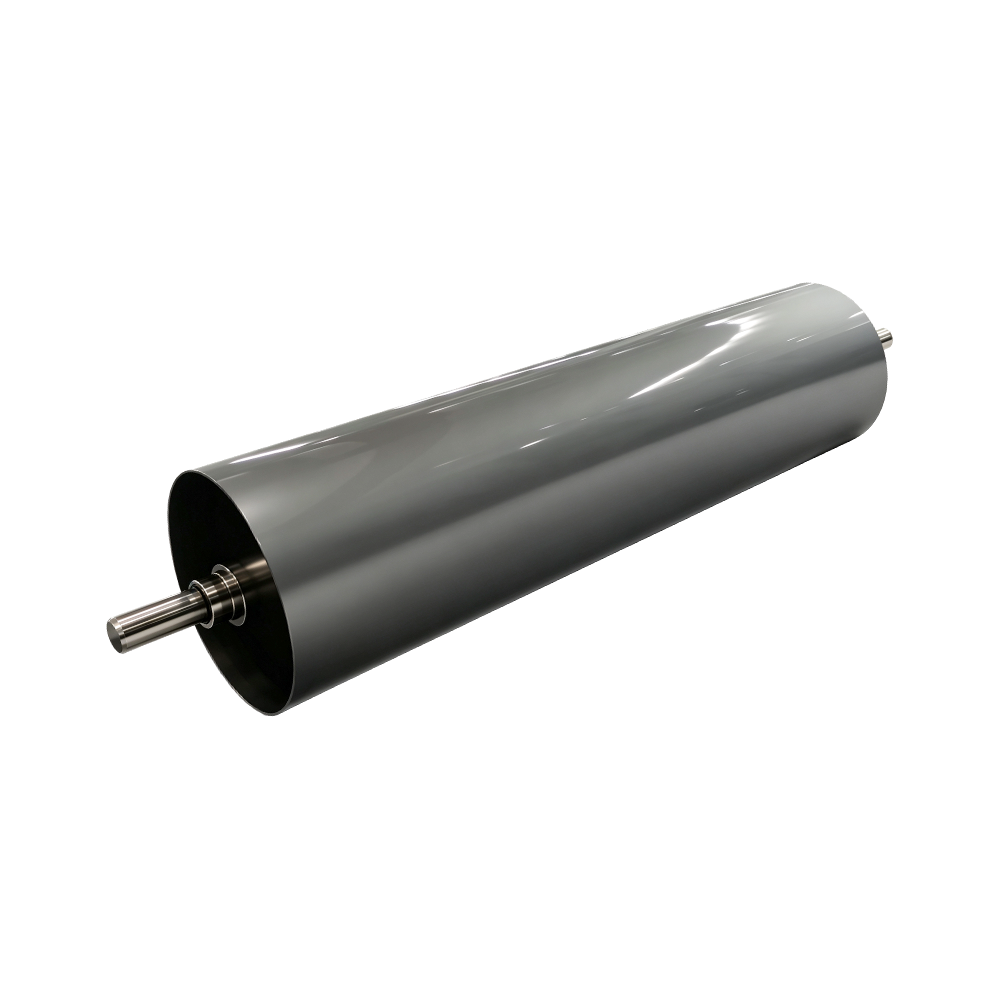
Achieves whole-roller surface temperature differential ≤±0.45℃, precisely matching CPP, CPE, and CPVA differentiated crystallization rates. Ordinary cast film chill rolls typically use equal-lead simple spiral channels, with medium temperature rise along the flow path causing large temperature differences between roller inlet and outlet. The variable-lead dual-flow channel integral milling technology dynamically compensates heat exchange efficiency along the axial direction. Precise temperature control targets three material characteristics: CPP requires gradient slow crystallization, CPE requires low-temperature rapid setting, and CPVA water-soluble film requires strict temperature control to avoid hydrolytic degradation. On 3600mm wide high-speed production lines, transverse film thickness tolerance is stably controlled within ±1.2μm, eliminating common defects including film roll ridges, warping, and inconsistent haze between left and right sides.
·Ultra-Mirror Hard Chrome Composite Surface
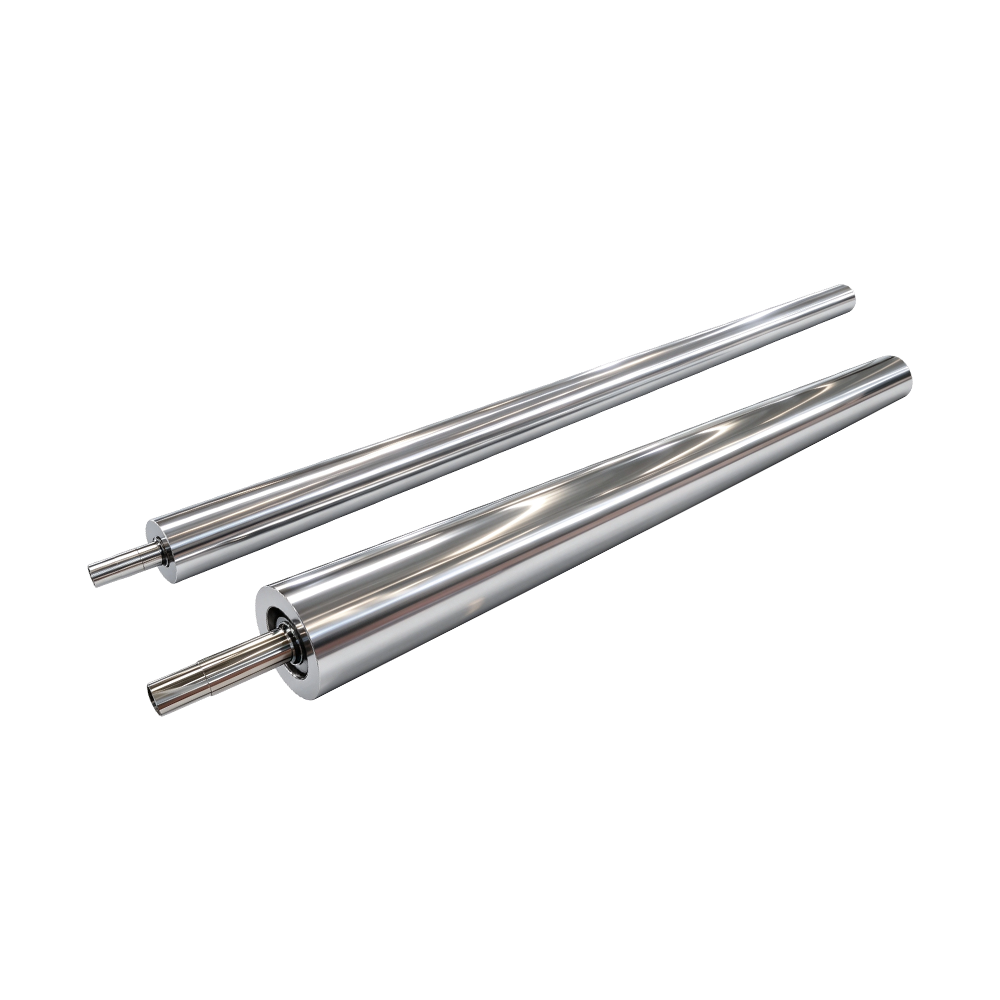
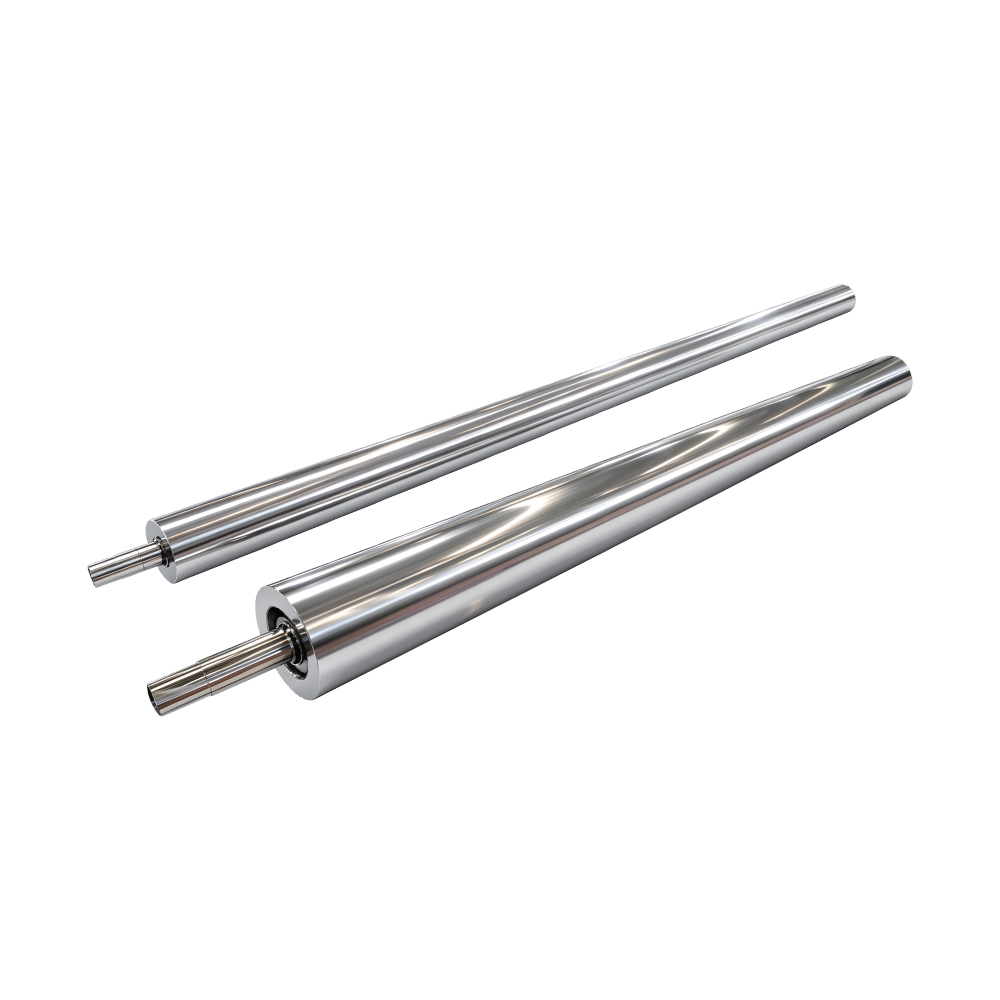
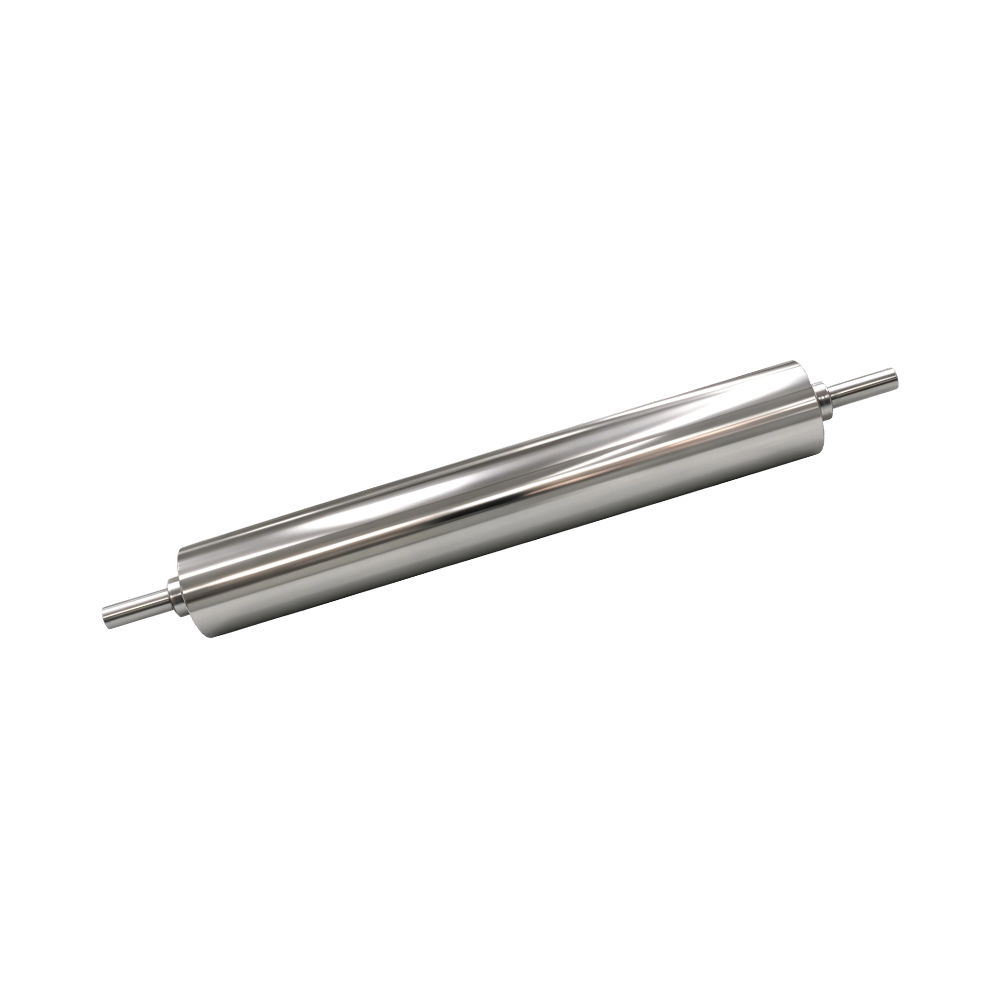
Delivers stable surface roughness Ra≤0.008μm with a dense, low-porosity chrome layer suitable for CPVA water-soluble materials, providing hydrolysis resistance and low additive adhesion. Ordinary cast film chill rolls typically have surface roughness ≥Ra0.02μm, easily replicating fine lines on film surfaces and failing to meet optical requirements of high-end retort CPP films and high-transparency CPE protective films. Multi-layer gradient hard electroplating technology with three stages of progressive ultra-fine mirror polishing ensures the surface resists adsorption of hydrolyzed monomers, simplifying cleaning and significantly reducing roller surface polishing frequency while preventing pitting corrosion from prolonged water-soluble material adhesion.
·Integrally Forged Roller Body
Maintains radial runout ≤0.0025mm at sustained high-speed operation, compatible with maximum line speeds of 280m/min, preventing periodic water ripples on ultra-thin films. Rejecting the industry-common steel plate welded shell structure, the roller body and journals are integrally forged from alloy steel, undergoing three-stage stress release through quenching and tempering, low-temperature tempering, and vibration stress relief. For 8–60μm ultra-thin CPP retort films, CPE cast protective films, and CPVA water-soluble films, it effectively suppresses periodic vibration marks from high-speed traction, enhancing film light transmittance and surface flatness.
·Zoned Heat Exchange Structure
Optional independent temperature control interfaces allow separate regulation of heat exchange medium flow rates for the left, center, and right sections of the roller on ultra-wide cast film lines. Without changing rollers, factories can switch between conventional CPP, low-temperature CPE elastic films, and heat-sensitive CPVA water-soluble films, reducing spare roller investment and shortening product changeover commissioning time.
·Low-Stress Wear-Resistant Chrome Layer
Resists cracking and peeling under thermal cycling conditions, maintaining stable coating bond strength under long-term alternating water temperature impact. Suitable for continuous water-cooling circulation, withstanding long-term temperature cycling from 20℃ to 95℃. CPVA film production is sensitive to roller temperature fluctuations, with frequent heating and cooling easily causing micro-cracks in ordinary chrome-plated rollers. Gradient chrome deposition process eliminates internal stress in the coating, with complete salt spray and thermal cycling test data. Long-term operation shows no localized coating peeling, significantly extending roller overhaul intervals.
·Material Process Adaptability
This chill roll is positioned as the core component for melt extrusion rapid quenching and sizing, directly determining film crystallization morphology, transparency, and thickness uniformity. The three materials CPP, CPE, and CPVA have vastly different thermal characteristics: CPP has moderate crystallization speed requiring stable uniform cooling for heat seal performance; CPE elastic films develop internal stress with excessively rapid quenching while slow cooling causes sticking; CPVA is a heat-sensitive water-soluble polymer with hydrolysis risk at high temperatures and material extract corrosion on roller surfaces.
·Production Yield Enhancement
Minimal roller surface temperature differential ensures film crystallization consistency, reducing haze fluctuation range by 80% with significant reduction in defects for high-end optical and retort grade films. Ultra-mirror surface finish eliminates replicated scratches and pitting on film surfaces, suitable for high-transparency food packaging films and electronic protective films. Low-adhesion surface design prevents resin additive solidification, reducing manual cleaning frequency and increasing effective production time. The integrally forged structure provides superior rigidity with minimal roller deflection under high-pressure air knife continuous blowing.
·Long-Term Operational Cost-Effectiveness
The chrome layer provides excellent cold-heat fatigue resistance, with overhaul and polishing cycles double those of conventional welded shell chill rolls. Minor surface scratches support localized precision polishing repair without complete chrome stripping and re-plating, reducing maintenance costs. Strong structural compatibility with journals and flange interfaces supports direct replacement on both domestic and European imported cast film units without equipment frame modification.

 English