
 English
 русский
 Español
 عربى


Tel:
+86-519-86701036 / 86702036

Content
Choose material processing equipment by working backward from the finished product. Define the material (nonwoven, tissue, film, composite or metal sheet), the required surface effect, the line speed and the working width first. Then select the machine type: an embossing machine for patterns, a calendering machine for bonding and smoothing, a lamination line for composites, and slitting and winding units for finishing. Buy a complete finishing line when quality and floor space matter most, and standalone machines when you are upgrading one step of an existing line.
Material processing equipment covers the machines that shape, bond, texture, cut and roll flat materials after they are formed. In practice that means embossing, thermal calendering, lamination, slitting, winding and finishing for nonwovens, fibrous materials, plastic films, tissue paper and composites. These systems serve medical and hygiene products, packaging, protective gear, filtration and industrial materials.
Modern machines combine advanced manufacturing with automated control, which brings stable operation, high production efficiency and broad applicability. The practical result for a buyer is simple: the equipment you pick sets the quality ceiling of every meter you produce.
A reliable selection follows a fixed order. Each step narrows the field, so by step five only two or three machine configurations remain.
Spunbond, spunlace, meltblown, thermal bond and biodegradable fiber nonwovens each respond differently to heat and pressure. Write down whether the goal is bonding strength, gloss, a visible pattern, a laminated structure or a precise roll width.
Working width and line speed decide the frame size and drive design. As a reference, standard winding machines run at 300 meters per minute and high-speed models reach 650 meters per minute, while tissue embossing models handle a 3500 mm working width.
Decide whether you need pattern forming, thermal consolidation, lamination, slitting or winding. Many plants need two or three of these in sequence, which leads to the finishing line question covered later in this article.
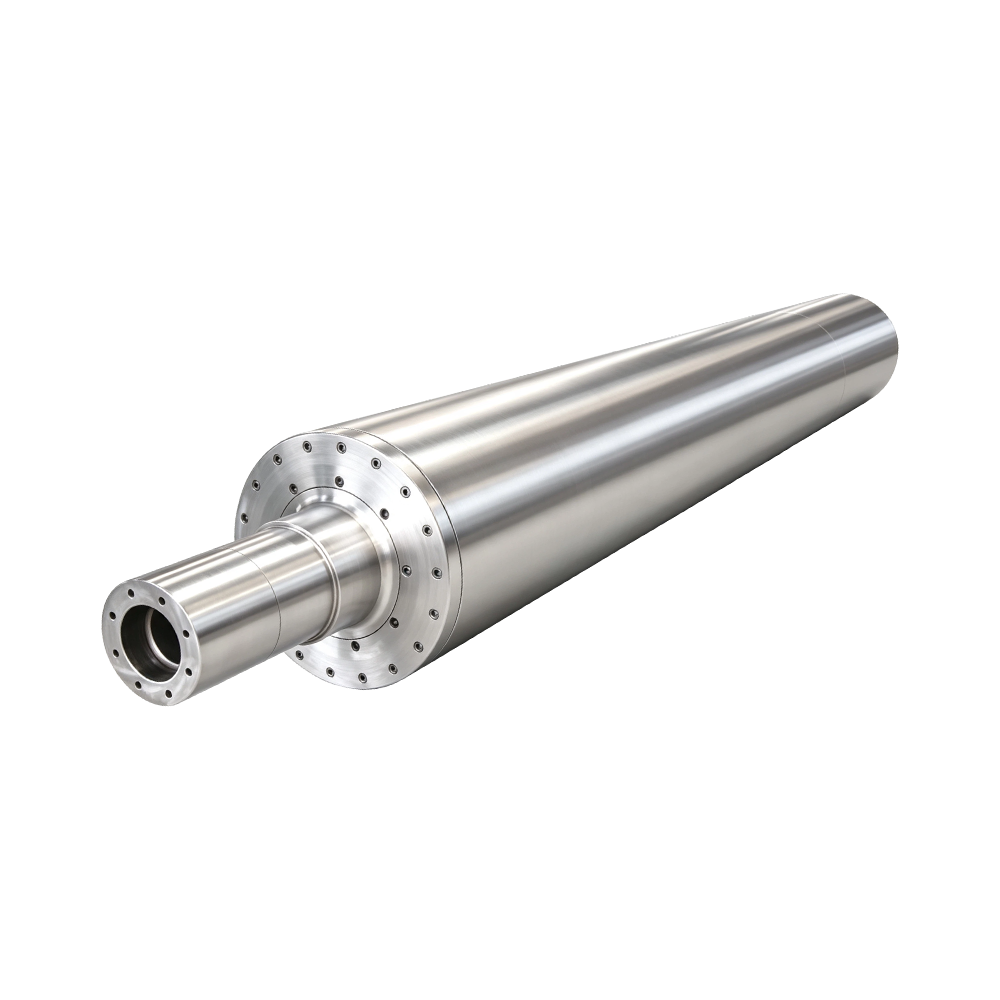
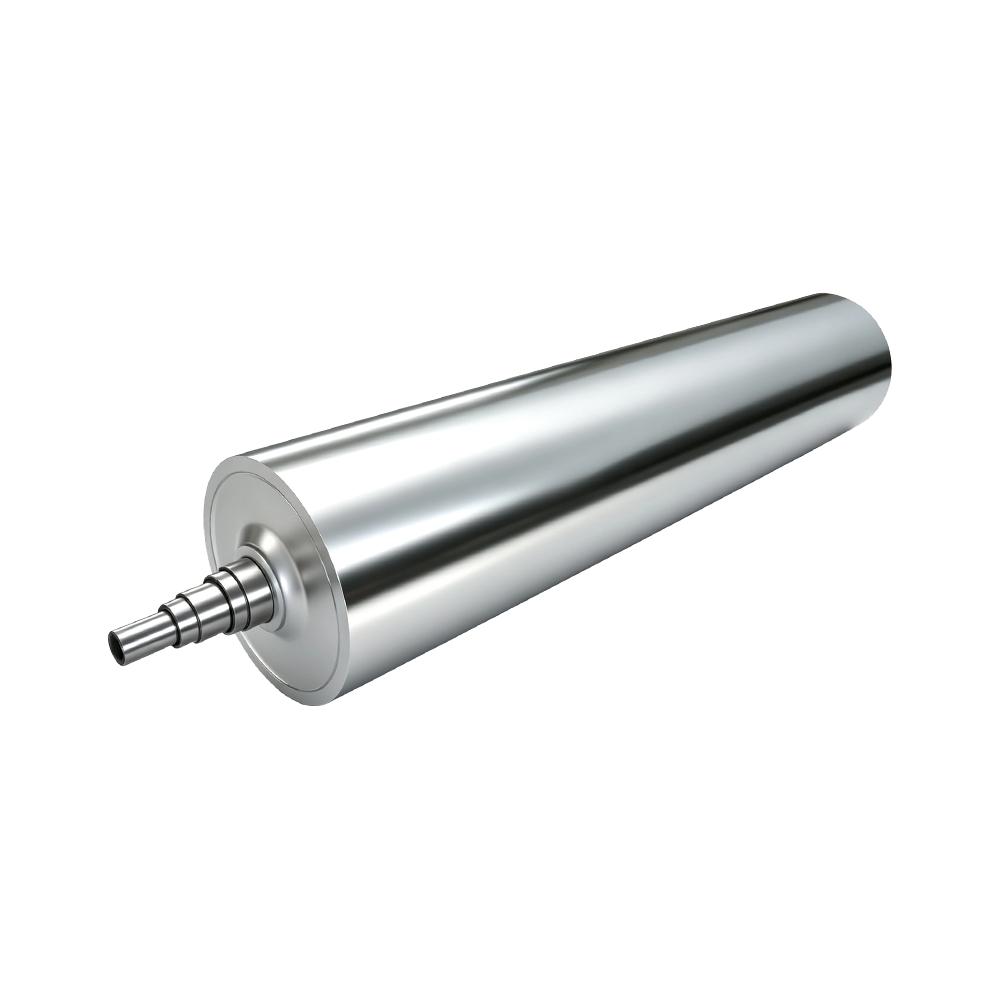
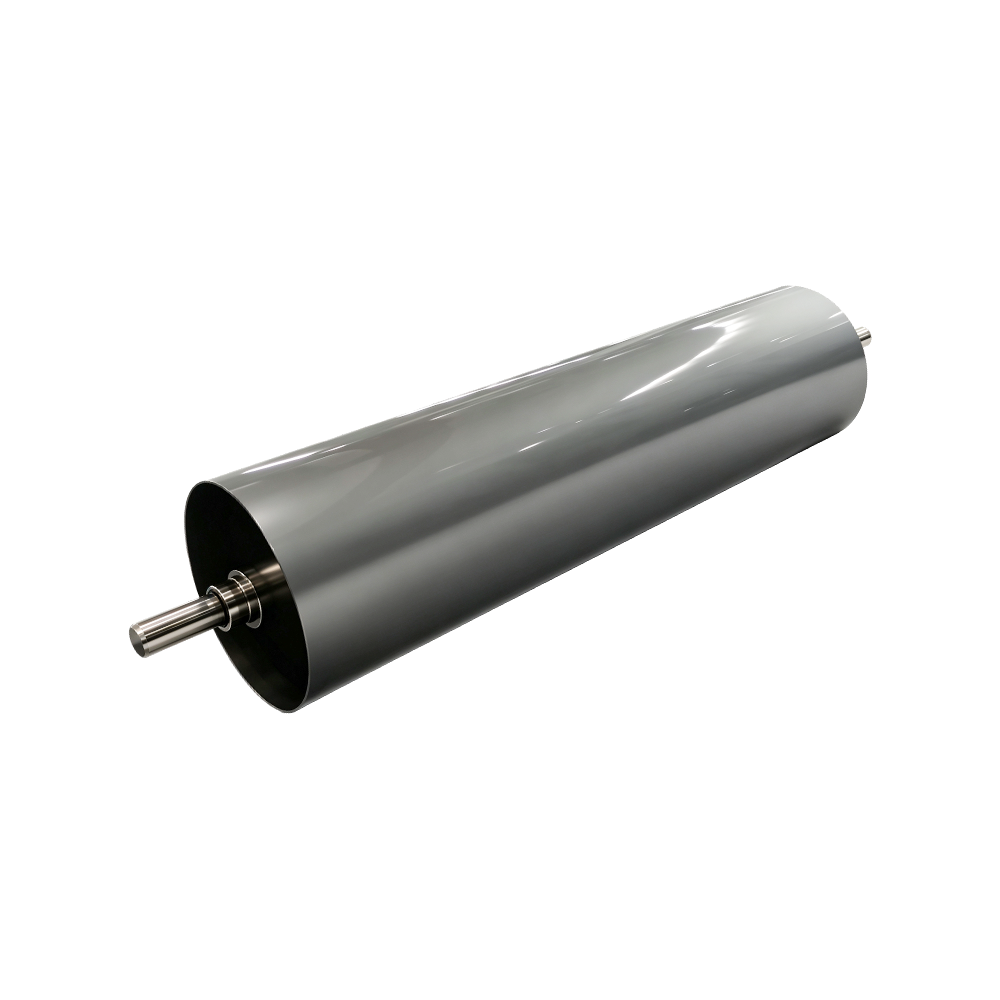
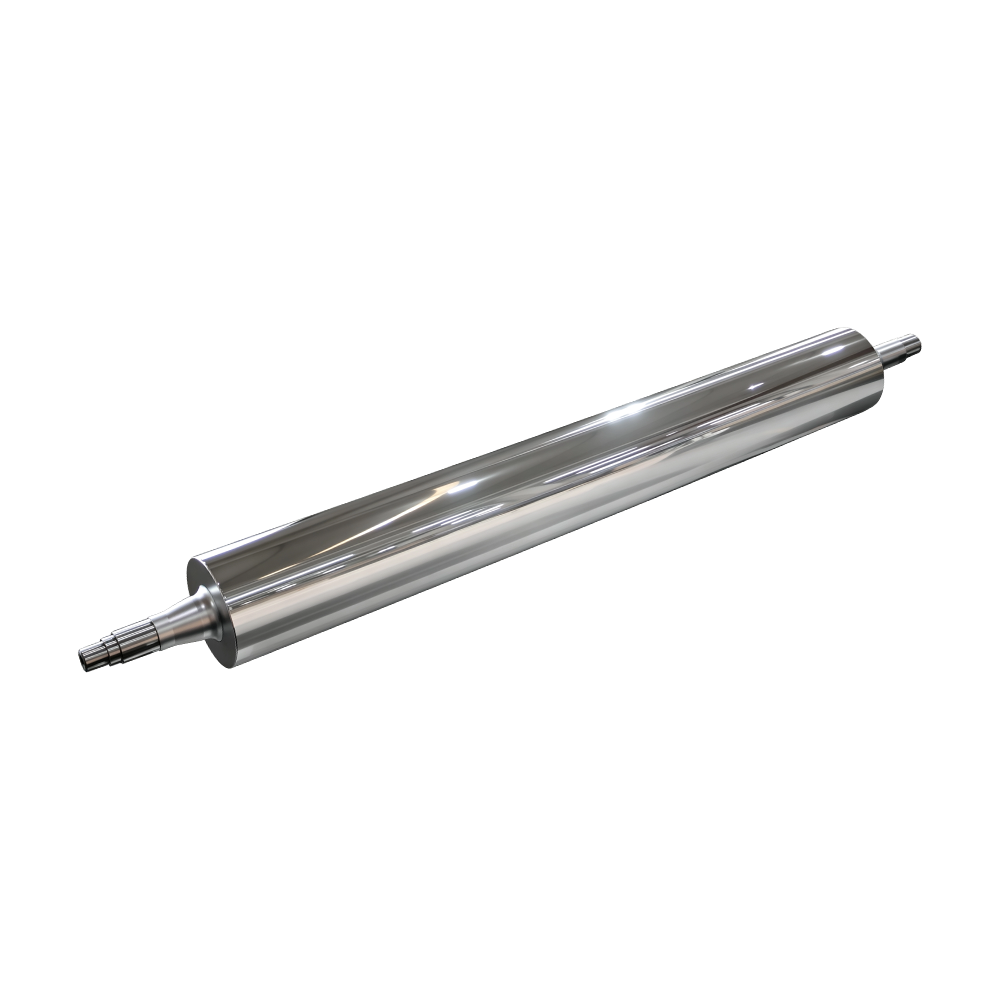
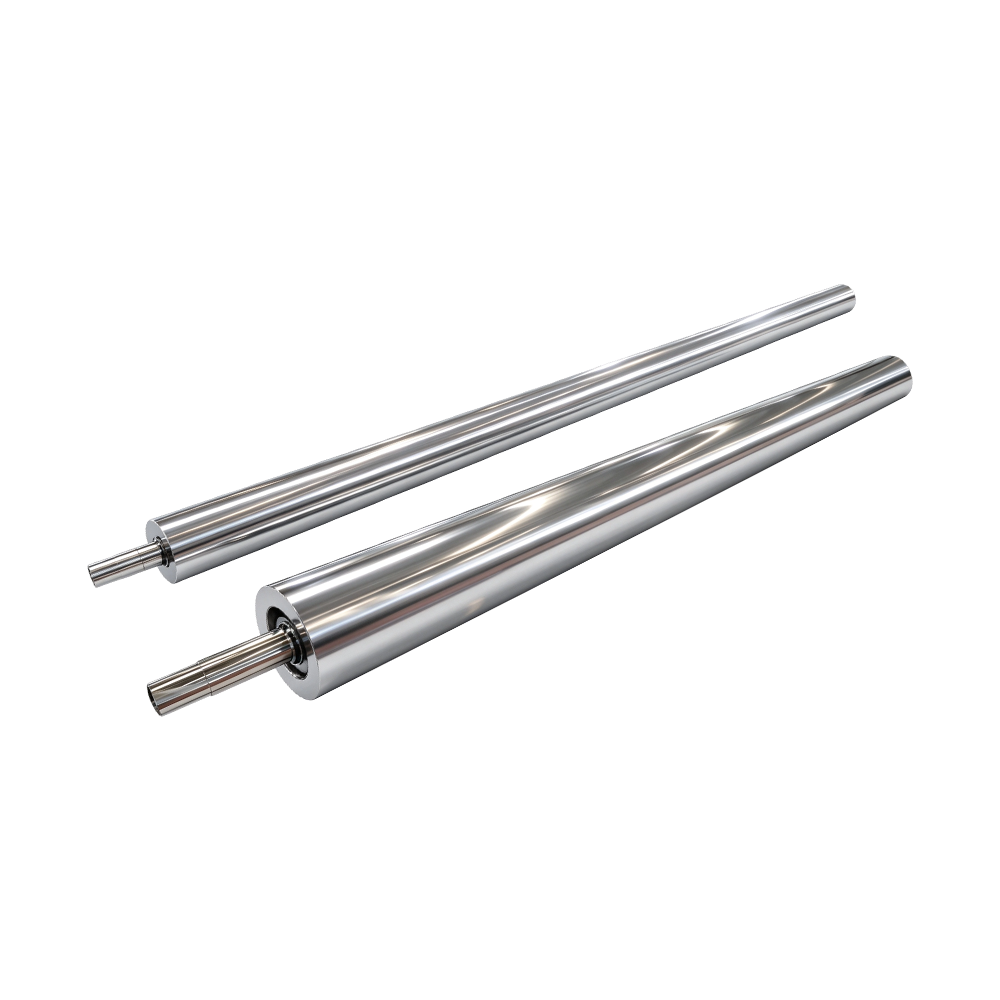
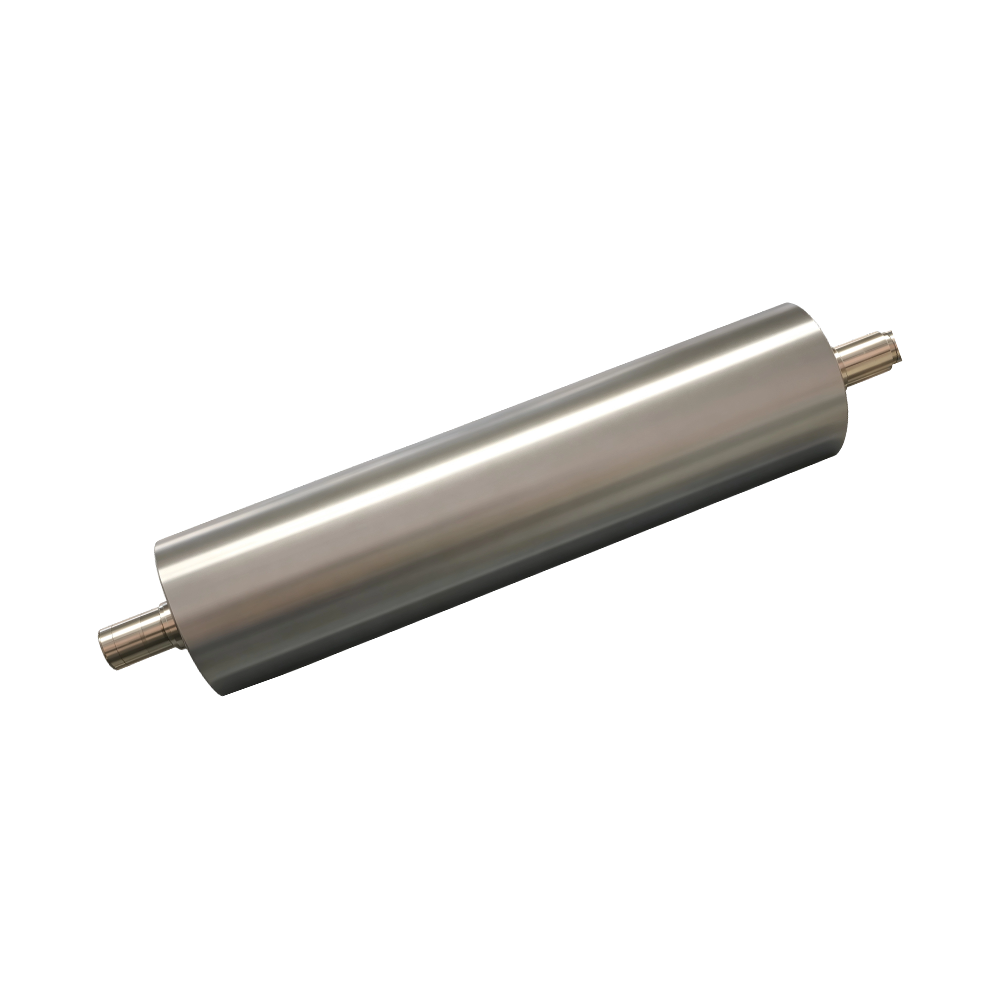
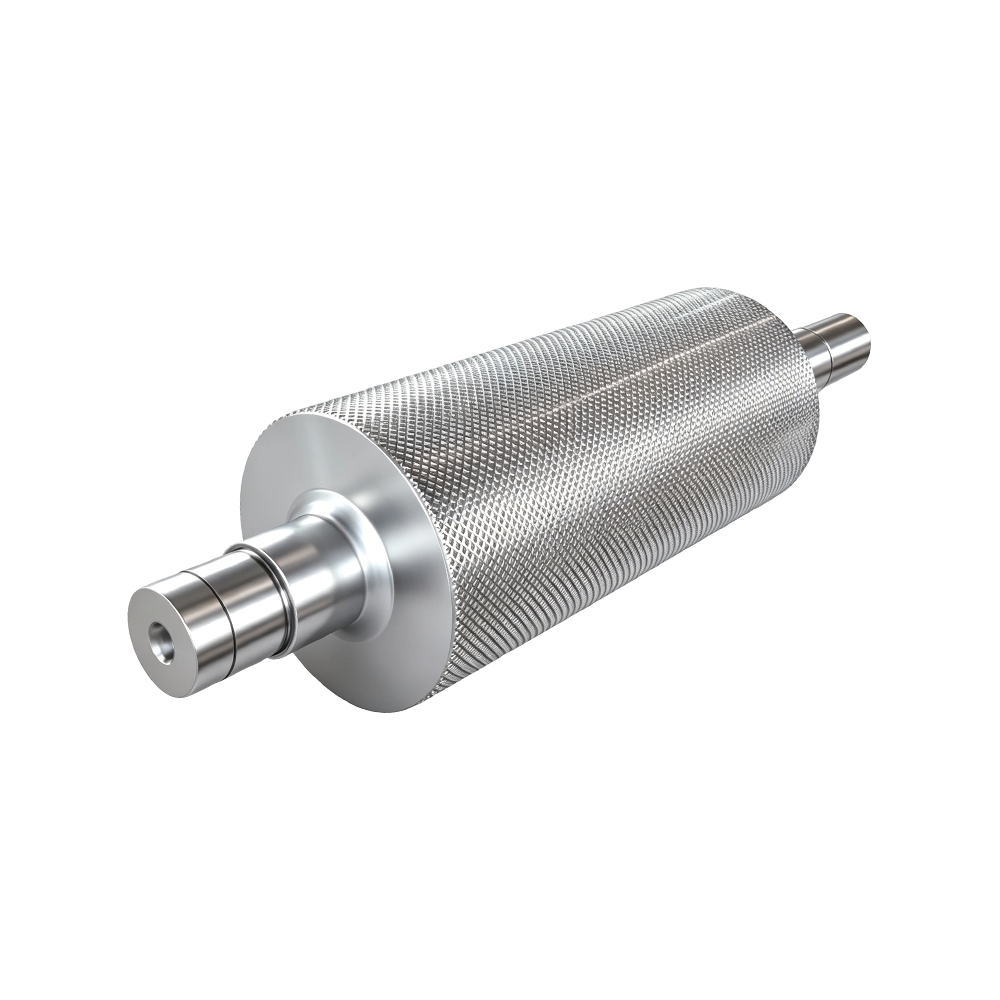
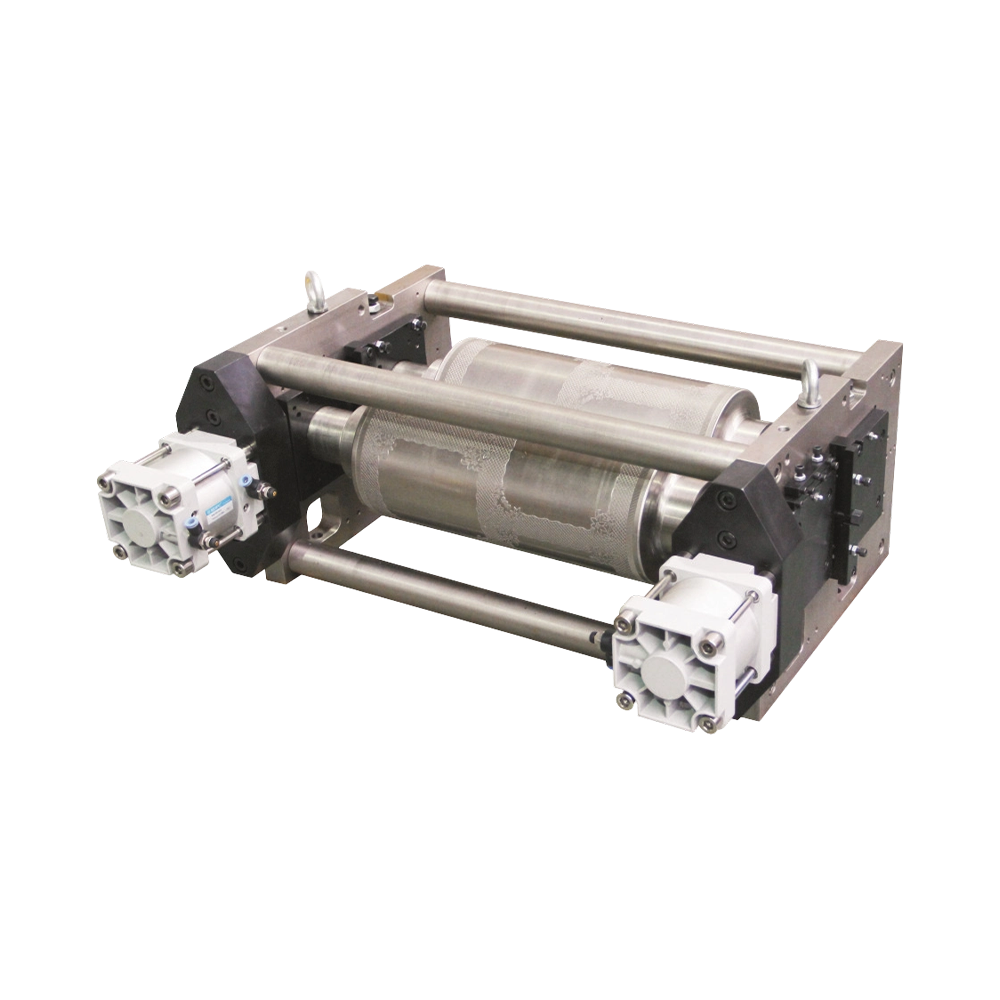
The rollers do the real work inside embossing and calendering machines. Ask about roller material, surface hardness, runout and temperature uniformity. A well-made roller holds the full face within plus or minus 0.8 degrees Celsius, which prevents shallow edges and over-pressed centers.
Complete production lines and customized solutions should be available to match your process, not the other way around. Confirm in-house capability, certification and after-sales service before finalizing the specification.
Specification Checklist
Send these six items with any inquiry: material type, web width, line speed, required surface effect, heat medium and roll diameter. A complete brief shortens design time and reduces revisions.
Neither machine is better in general. An embossing machine is better when the product needs a visible or functional pattern. A calendering machine is better when the product needs thermal bonding, consolidation or a controlled surface level. The double-sided specialty machine combines both functions in one unit.
| Factor | Embossing Machine | Calendering Machine |
|---|---|---|
| Main purpose | Form patterns and textures | Bond fibers, level and smooth the surface |
| Typical materials | Tissue paper, films, metal sheet, nonwovens | Spunbond, spunlace, ES fiber, geotextile |
| Key control | Pattern depth and registration | Heat and pressure balance |
| Best choice when | The surface design sells the product | Strength and uniformity sell the product |
| Combined option | Double-sided specialty machine forms patterns on the front and back while leveling the surface in one pass | |
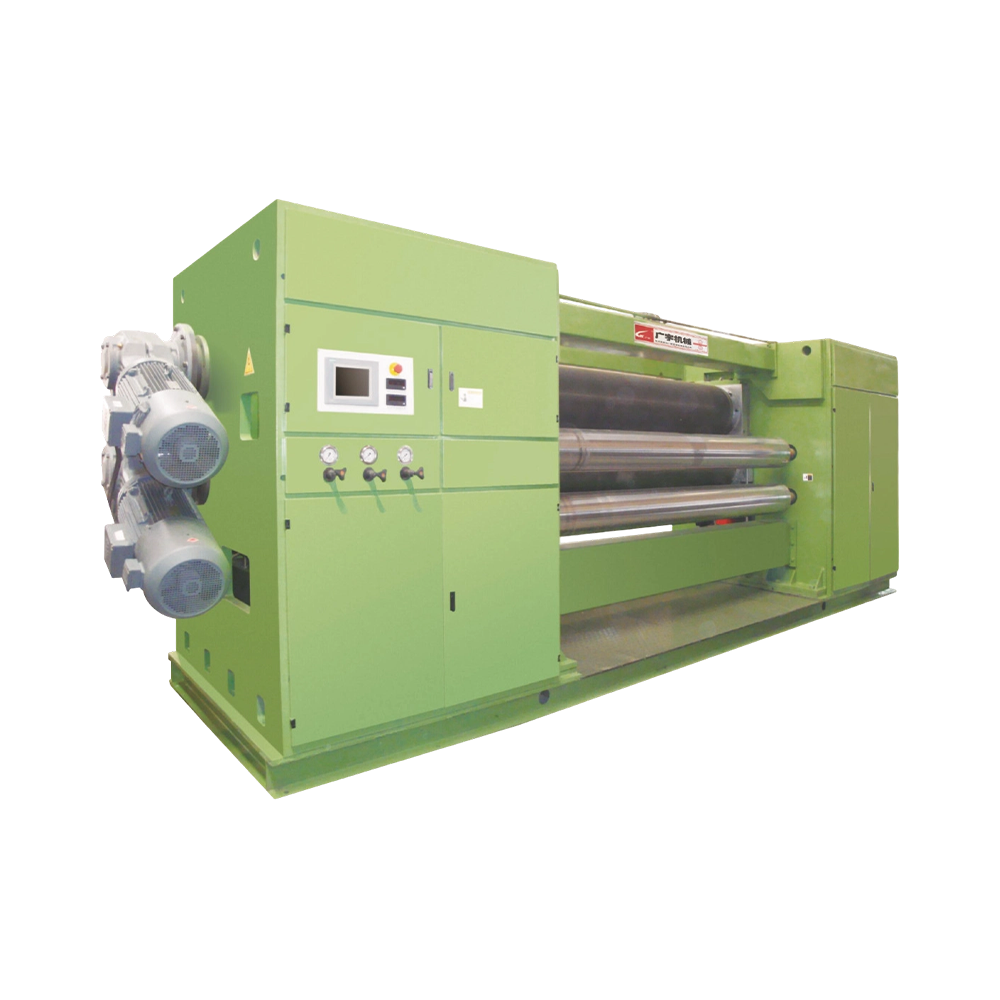
The thermal calendering approach works through coordinated heat and pressure to create fiber-to-fiber bonding. Because the result depends on the nip, the quality of the rolls, not just the frame, determines whether the web comes out even from edge to edge.
Explore machines for embossing, calendering, lamination, slitting and winding. Swipe or use the buttons to browse the series. Each unit can be configured to your material, width and speed targets.
 Embossing and Calendering Equipment Double-Sided Specialty Embossing & Calendering Machine
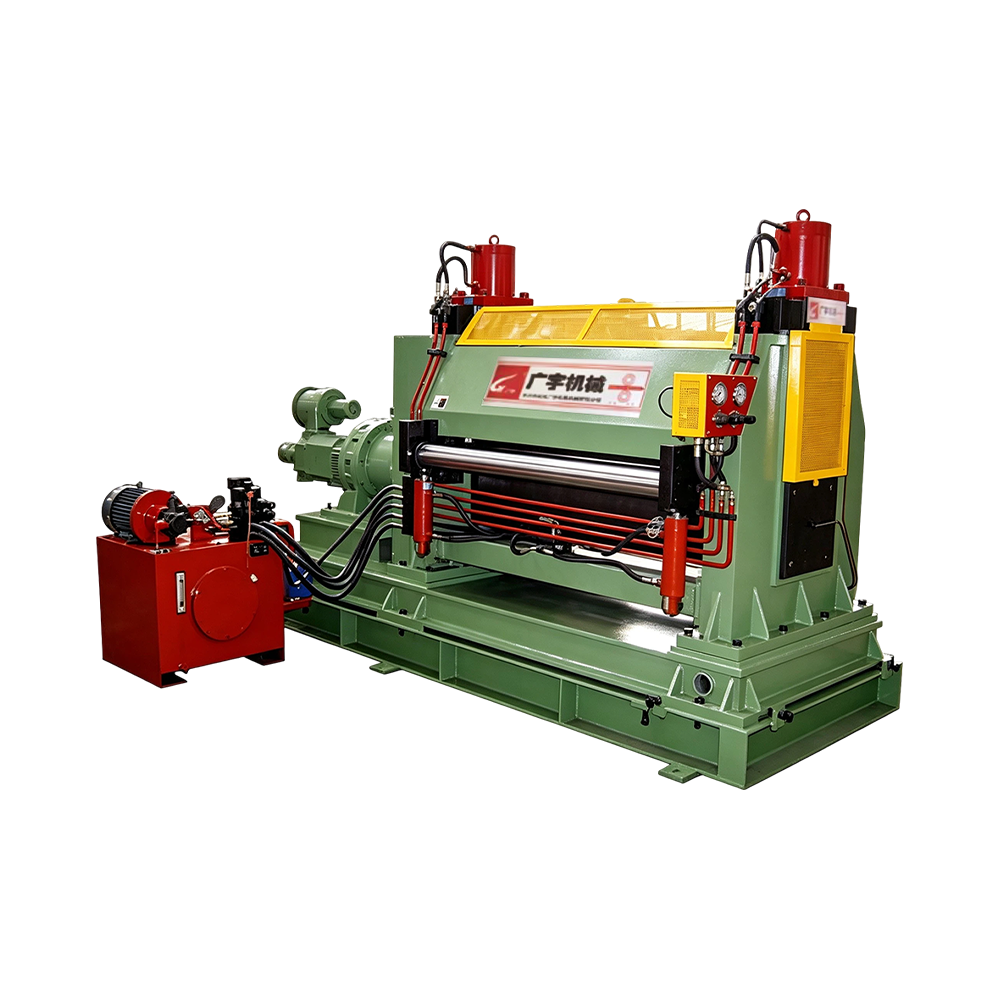 Embossing and Calendering Equipment Single & Double-Sided Metal Sheet Embossing Machine
 Embossing and Calendering Equipment Standard Tissue Paper Embossing Machine
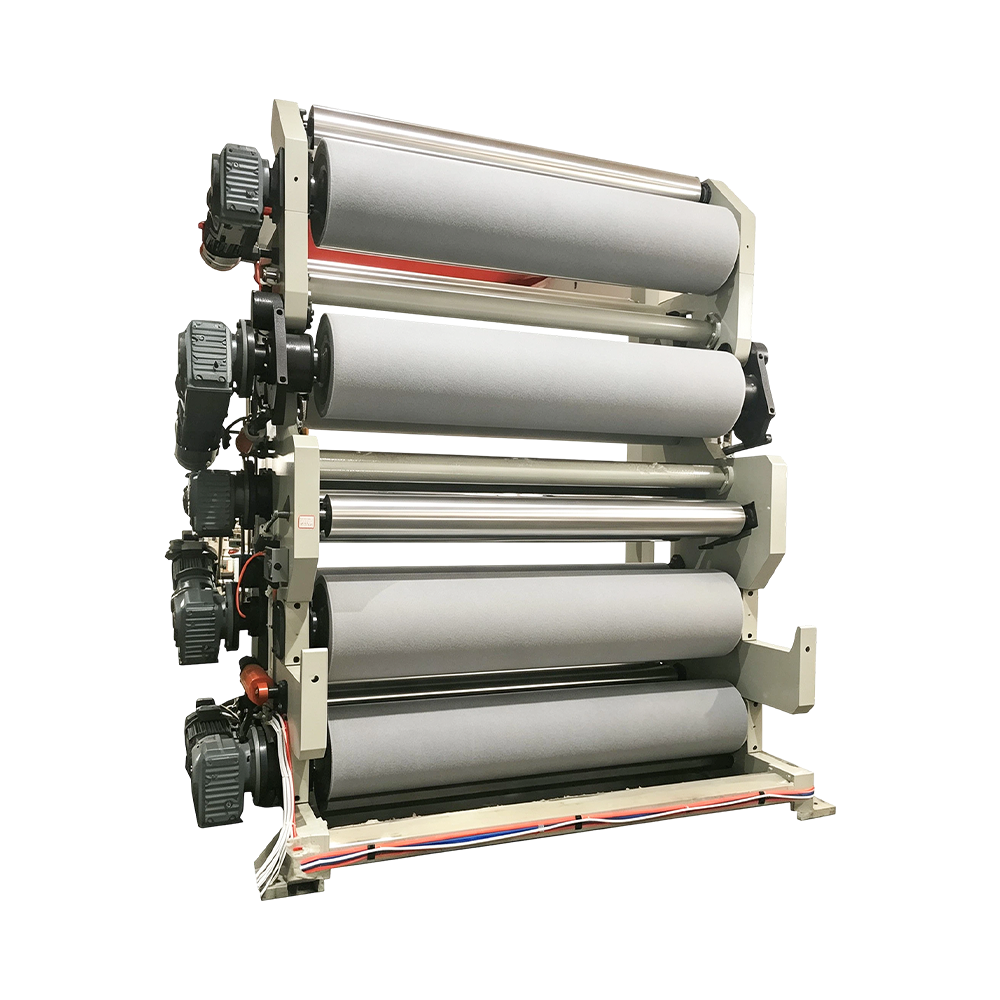
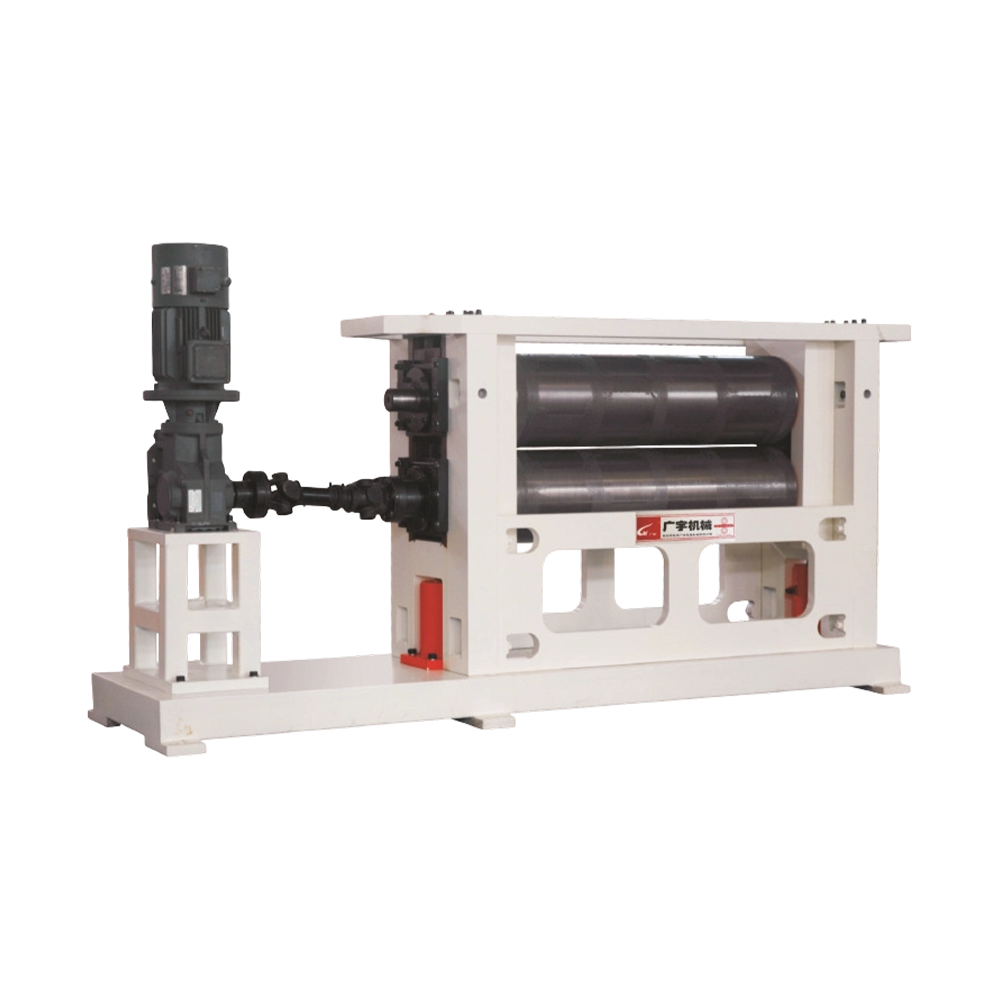 Embossing and Calendering Equipment High-Speed Multi-Ply Tissue Embossing Machine
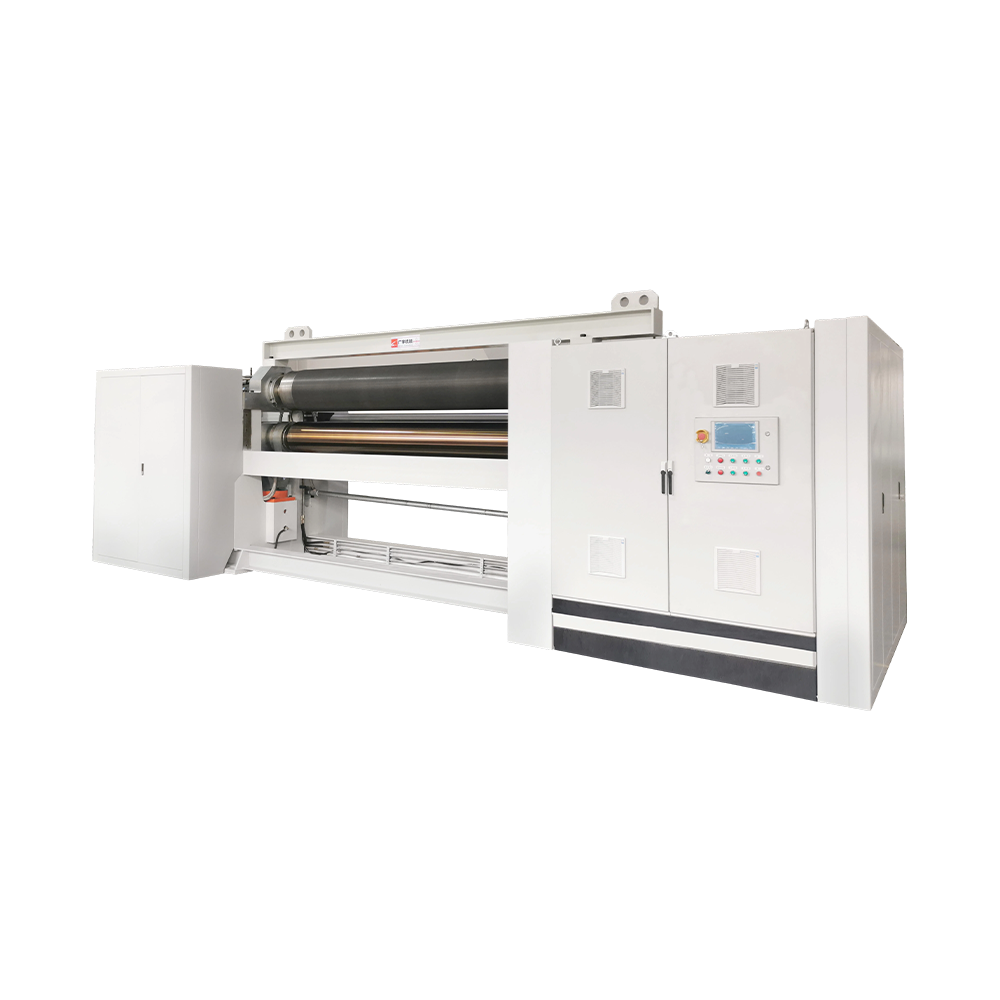 Nonwoven and Fiber Material Processing Nonwoven Thermal Calendering Machine
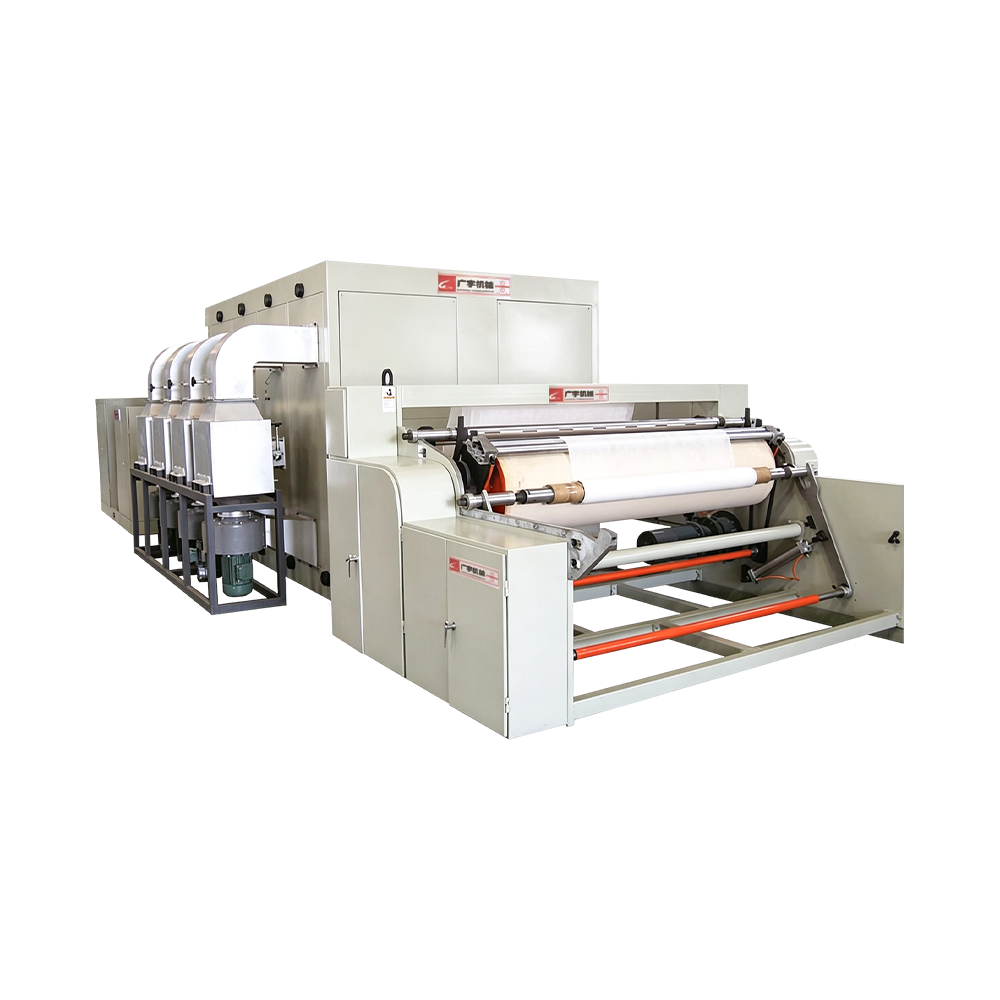 Nonwoven and Fiber Material Processing Nonwoven Finishing Line
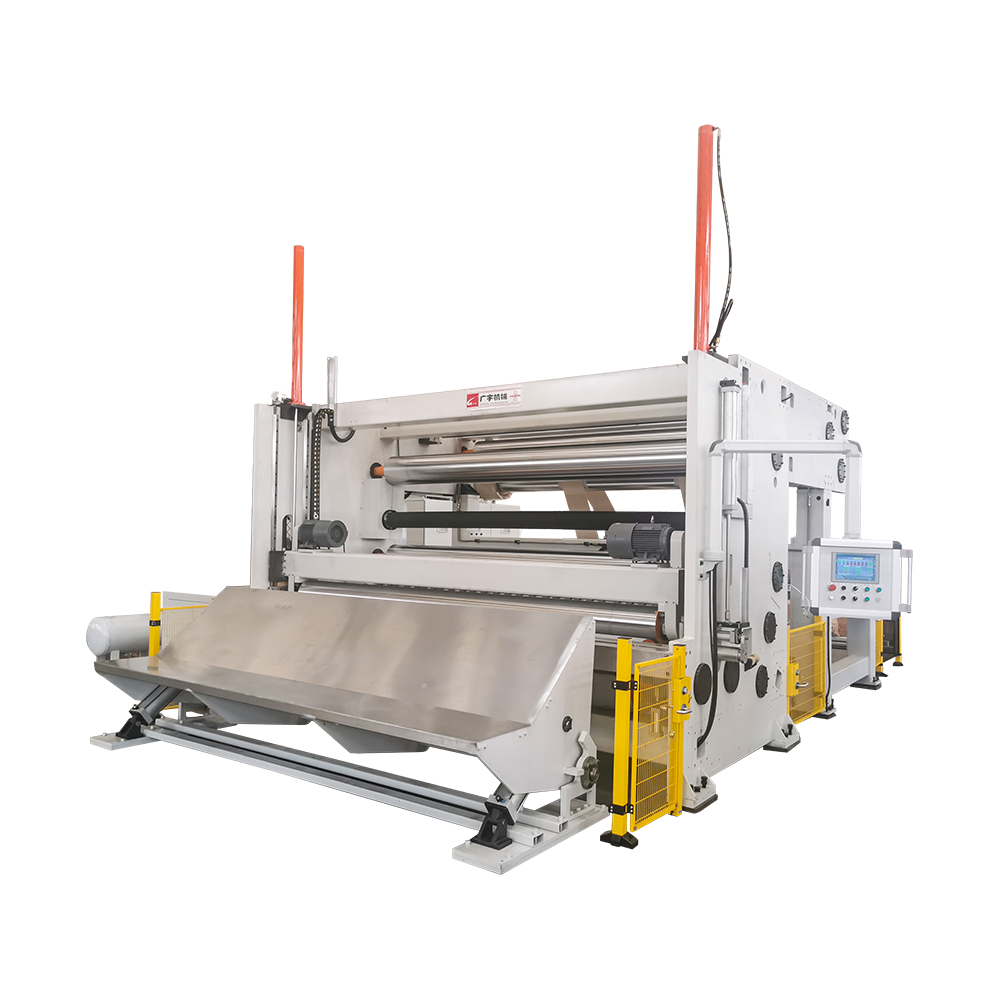 Nonwoven and Fiber Material Processing Nonwoven Slitting Machine
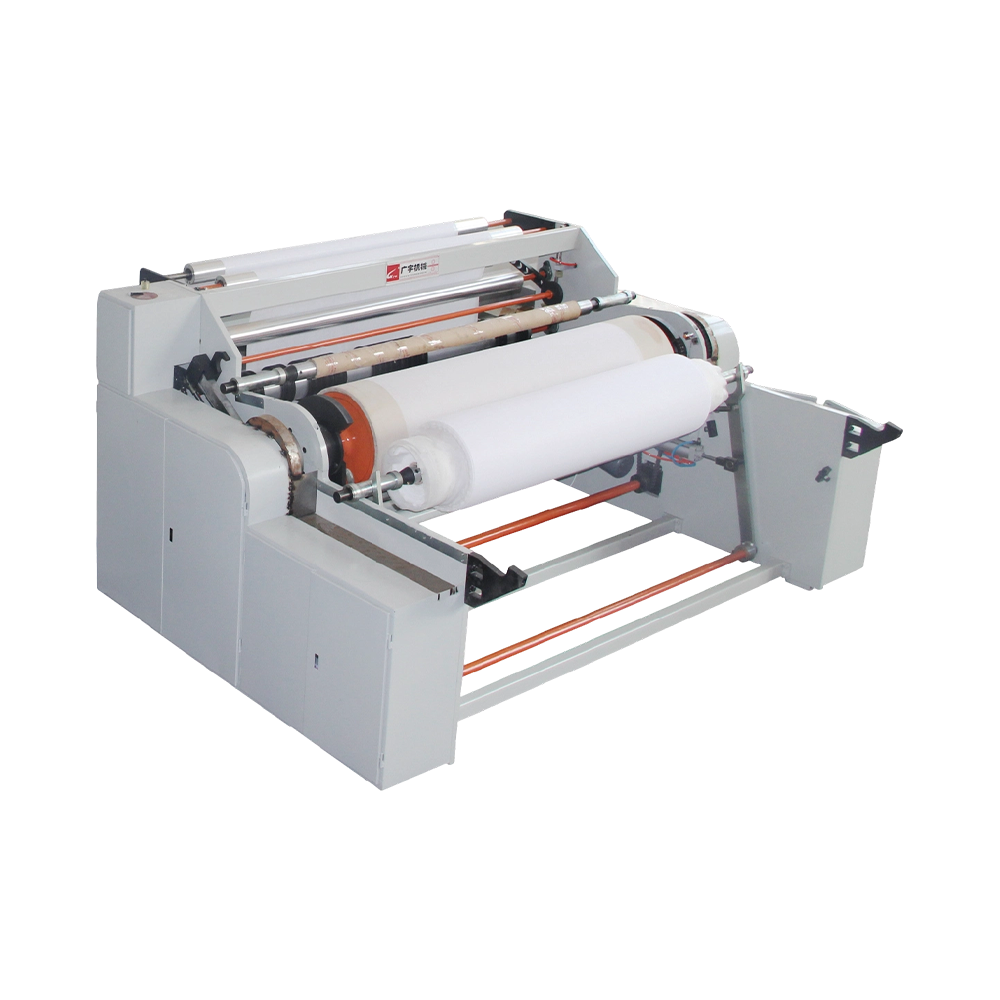
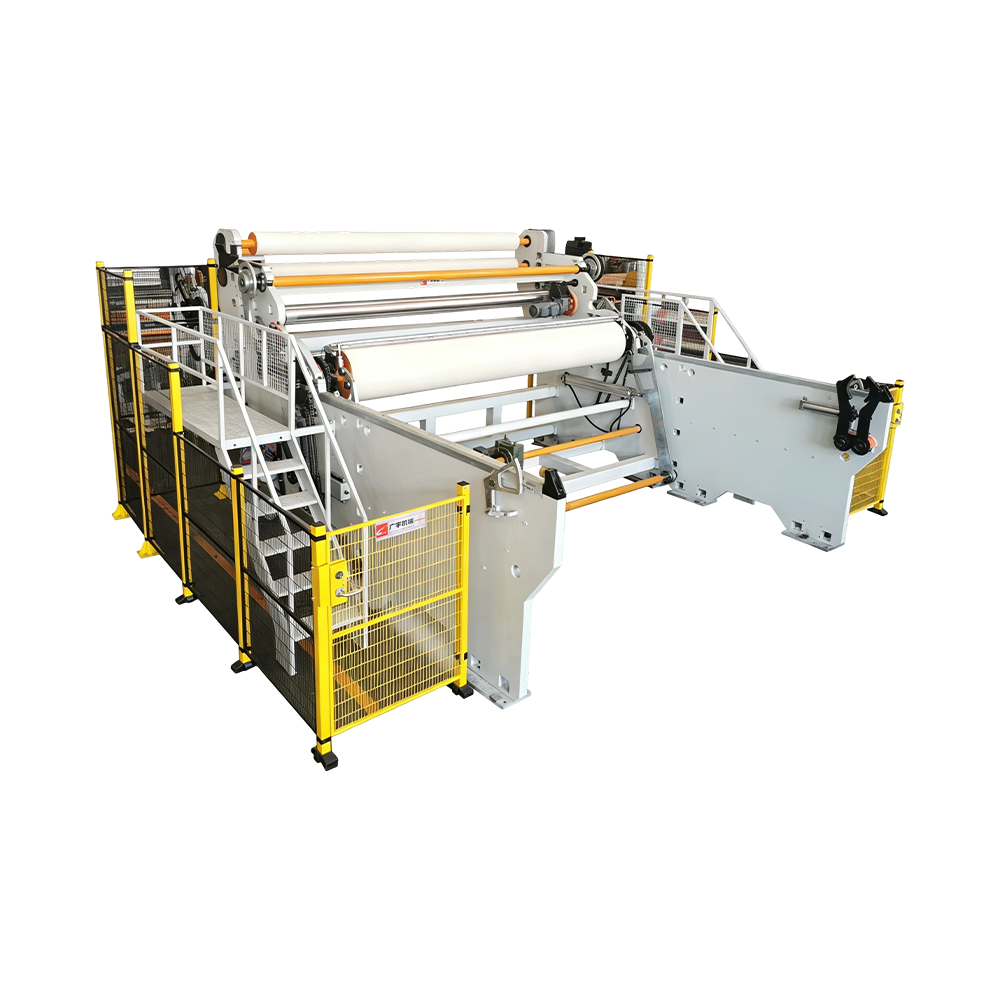 Nonwoven and Fiber Material Processing Nonwoven Winding Machine
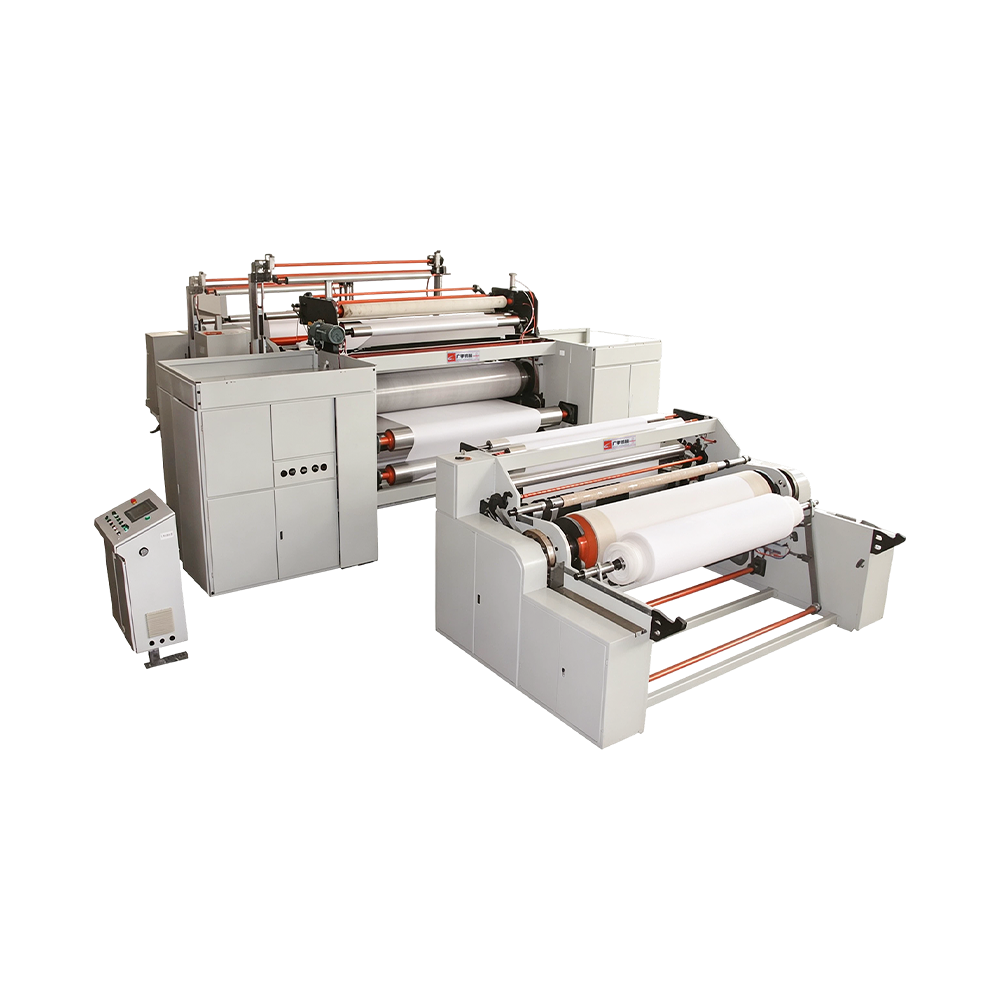 Lamination and Bonding Equipment Thermal Lamination Calendering Line
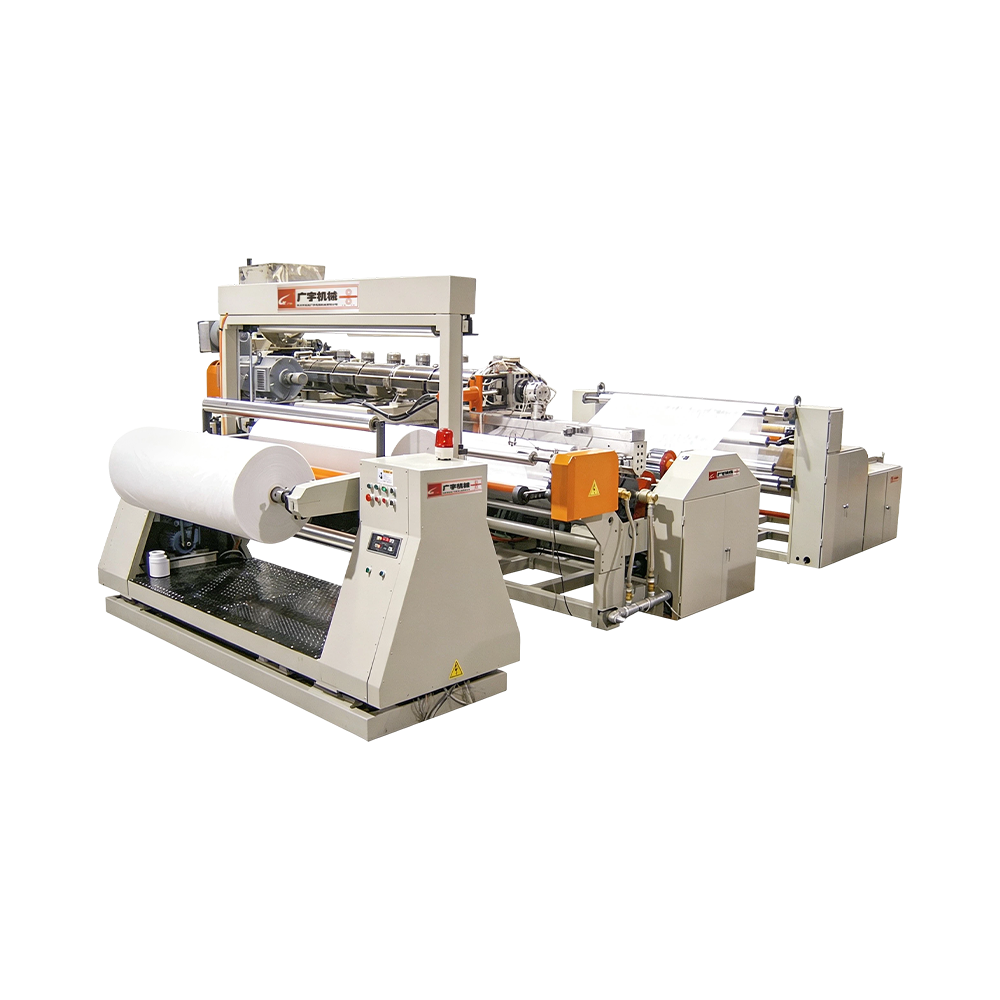 Lamination and Bonding Equipment Extrusion Lamination Coating Line
A complete finishing line is the better choice for new plants and for lines where consistency across steps matters. Standalone machines are the better choice when one stage of a working line needs an upgrade. The deciding question is whether your bottleneck is a single step or the handoff between steps.
A nonwoven finishing line performs thermal consolidation, gloss adjustment, pattern texturing, moisture setting, slitting and automatic winding in one continuous process. Web tension and temperature stay coordinated from the first roll to the last, which reduces handling and edge damage.
A separate slitting or winding machine fits an existing line with minimal disruption. It is the right path when only the final dimensional cutting or roll formation limits output, and the rest of the line already performs well.
Slitting deserves special attention. The slitting machine is the final dimensional cutting station, so any width error here becomes a customer complaint. Winding is equally important, because parent rolls must be compact and even for storage, transport and downstream converting.
The same selection steps lead to different answers in different industries. These four scenarios show the pattern.
Thermal calendering consolidates spunbond, spunlace and biodegradable fiber webs. A finishing line then slits and winds the fabric into clean rolls. Priorities are bonding uniformity and clean edges.
The standard tissue embossing machine runs at up to 300 meters per minute on a 3500 mm width and suits small to medium converters. The multi-ply model processes two to three independent webs at once on the same width to lift output.
For aluminum sheet, galvanized steel and color-coated steel, a heavy-duty embossing machine textures the surface. One-key switching between single-sided and double-sided synchronous embossing keeps changeovers short.
A thermal lamination calendering line joins fiber webs and nonwoven or film composites using a multi-roll heat-pressure system. An extrusion lamination coating line combines extrusion, chill roll casting and substrate lamination in a single continuous process.
| Machine | Process Stage | Reference Figure |
|---|---|---|
| Standard tissue embossing machine | Pattern forming | 300 m/min, 3500 mm width |
| Multi-ply tissue embossing machine | High-volume pattern forming | 2 to 3 webs, 3500 mm width |
| Nonwoven winding machine | Roll formation | 300 m/min standard, 650 m/min high-speed |
| Nonwoven thermal calendering machine | Thermal bonding | Heat and pressure consolidation |
Every embossing, calendering and lamination machine is only as accurate as its rolls. A supplier that forges, machines, engraves and plates its own rollers can control straightness, hardness and surface finish across the full face. Guangyu operates a closed-loop production line covering roller blank fabrication, laser engraving and hard chrome electroplating. The company has taken part in drafting an industry standard for nonwoven fabric hot-rolling machines and holds ISO 9001 and EU RoHS certification. With 40 years of precision forming experience and exports to more than 50 countries and regions, it can support both single machines and fully integrated lines.
Practical Tip
Ask for a sample run on your own material before approving a final design. Real web behavior under heat, pressure and tension reveals more than any specification sheet.
The best material processing equipment is the equipment that fits your material, your width, your speed and your finished surface. Use the five-step method, compare embossing and calendering by purpose, and decide between a finishing line and standalone units by finding your real bottleneck. To see the full range, visit the Material Processing Equipment category, review embossing and calendering equipment or nonwoven and fiber material processing equipment, or contact our engineering team with your process requirements.

Tel:

E-mail:

Add:

Copyright © Changzhou Wujin Guangyu Embossing Roller Machinery Co., Ltd. All Rights Reserved Precision Industrial Rollers Manufacturer Calendering Machines Factory
