
 English
 русский
 Español
 عربى


Tel:
+86-519-86701036 / 86702036

Content
Pick the embossing roller by the material it must press, not by the pattern alone. Special alloy steel is the best all-round choice for hot, long-run lines such as nonwovens, films and synthetic leather. Engineering plastic sheet lines need a low-distortion steel body with an anti-stick coating and tight temperature control. Silicone rollers work best as the soft partner roll, and ceramic faces suit abrasive, wear-heavy duty. A good pattern roller then depends on four numbers: surface hardness, temperature uniformity, runout and engraving tolerance.
An embossing roller, also called a pattern roller, presses a texture into a moving material. It is used for surface texturing of plastic films, nonwovens, tissue paper, synthetic leather, leather, rubber products and metal sheets. Through precision engraving, it creates patterns that raise the decorative effect, the functional performance and the added value of the finished product.
The roller can be made from special alloy steel, ceramics, silicone or engineering plastics, depending on the material and the process. Whatever the face material, a good embossing roller shows clear pattern definition, uniform embossing, wear resistance, corrosion resistance and long service life.
The fastest route to the right pattern roller is to answer six questions in order. Each answer removes options, and most buyers find that two roller types remain by the end.
Before You Request a Design
Prepare six items: material, temperature, roller size, line speed, pattern drawing and surface finish. With these, an engineering team can propose a roller design in a single round instead of several.
Steel is better for most lines, because it combines hardness with toughness and can carry deep internal temperature-control channels. A ceramic face is better only where abrasion is the main cause of failure. The table summarizes the difference in practical terms.
| Point of Comparison | Special Alloy Steel | Ceramic |
|---|---|---|
| Strength | Tough, resists heavy line pressure | Very hard, needs careful handling |
| Temperature control | Deep spiral channels, difference within plus or minus 0.8 degrees Celsius | Depends on the roller body design |
| Wear life | About 120 percent longer than conventional 40Cr steel | Excellent against abrasive contact |
| Repair | Coating can be restored without full replacement | Confirm repair options with the supplier |
| Best for | Hot, wide, long-run production | Wear-dominated duty |
What makes the steel option strong is its construction. A forged 34CrNiMo6 billet with vanadium, molybdenum and titanium strengthening holds HRC 60 to 65 hardness. A laser-clad nano-graphene coating from 0.08 to 0.15 mm thick bonds metallurgically to the body, so it does not peel, and it resists acid, alkali and film additives. Integral forging also removes the welding stress that deforms spliced rollers.
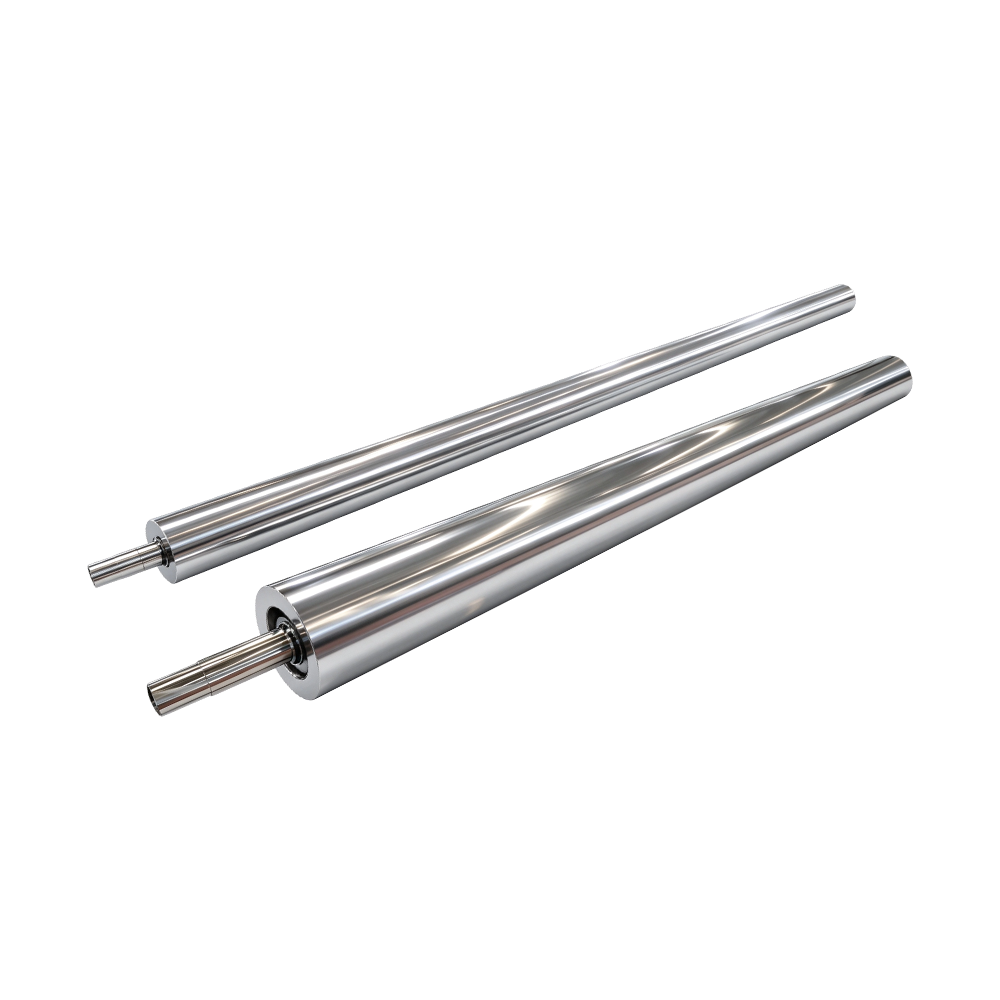
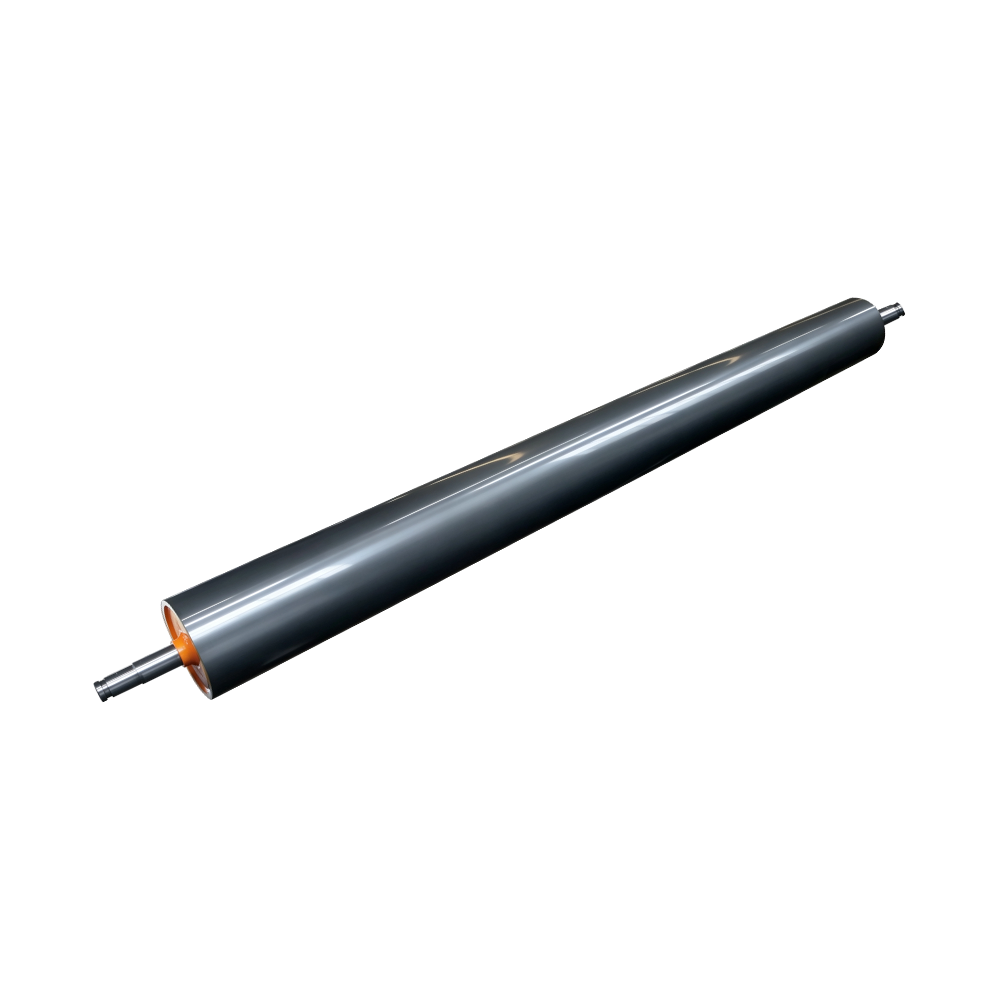
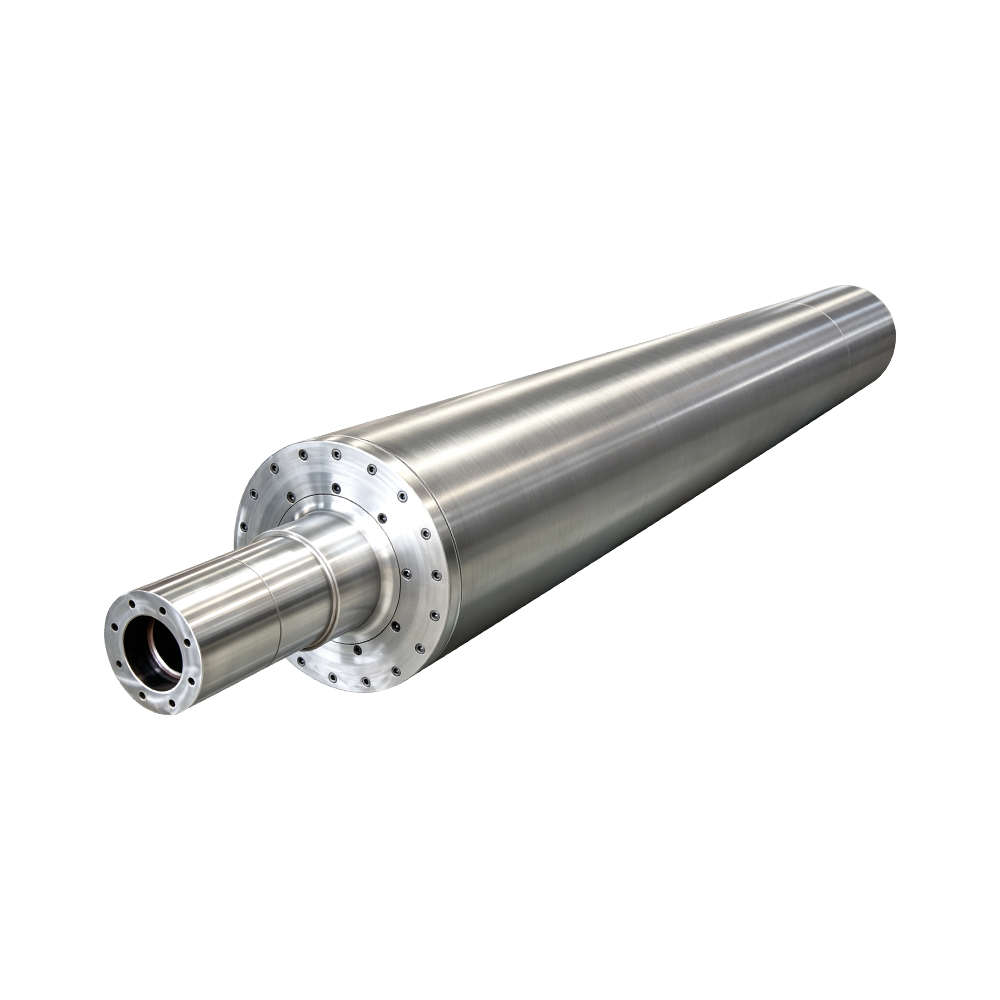
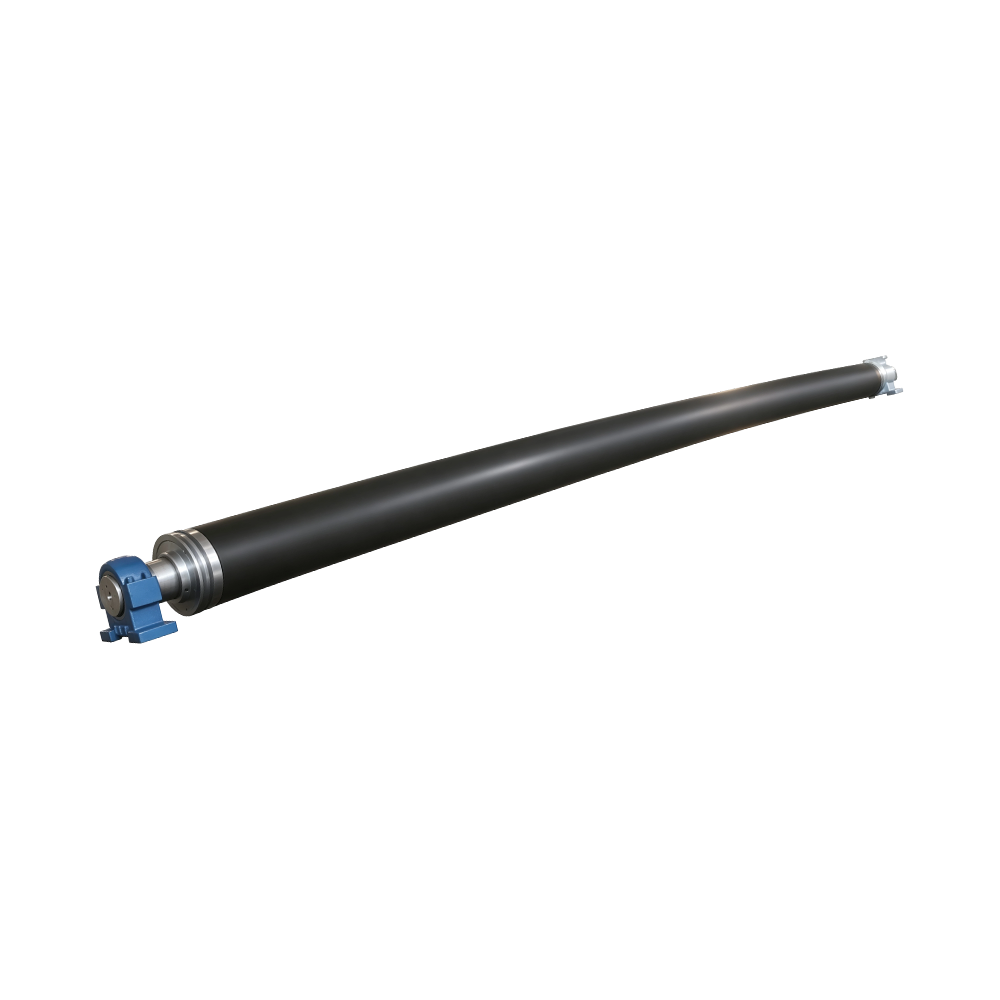
Five face materials for different processes, all engraved to your pattern. Swipe or use the arrows to browse, then open any roller for full specifications.
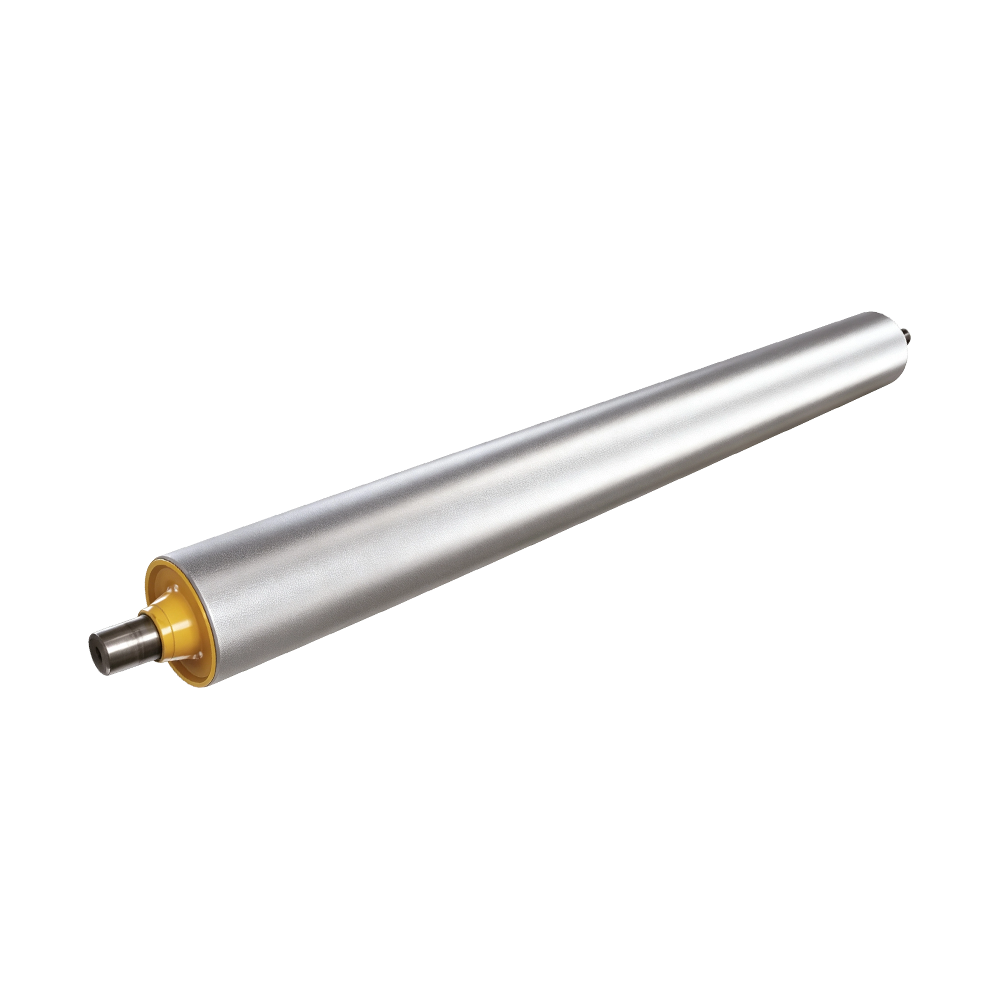
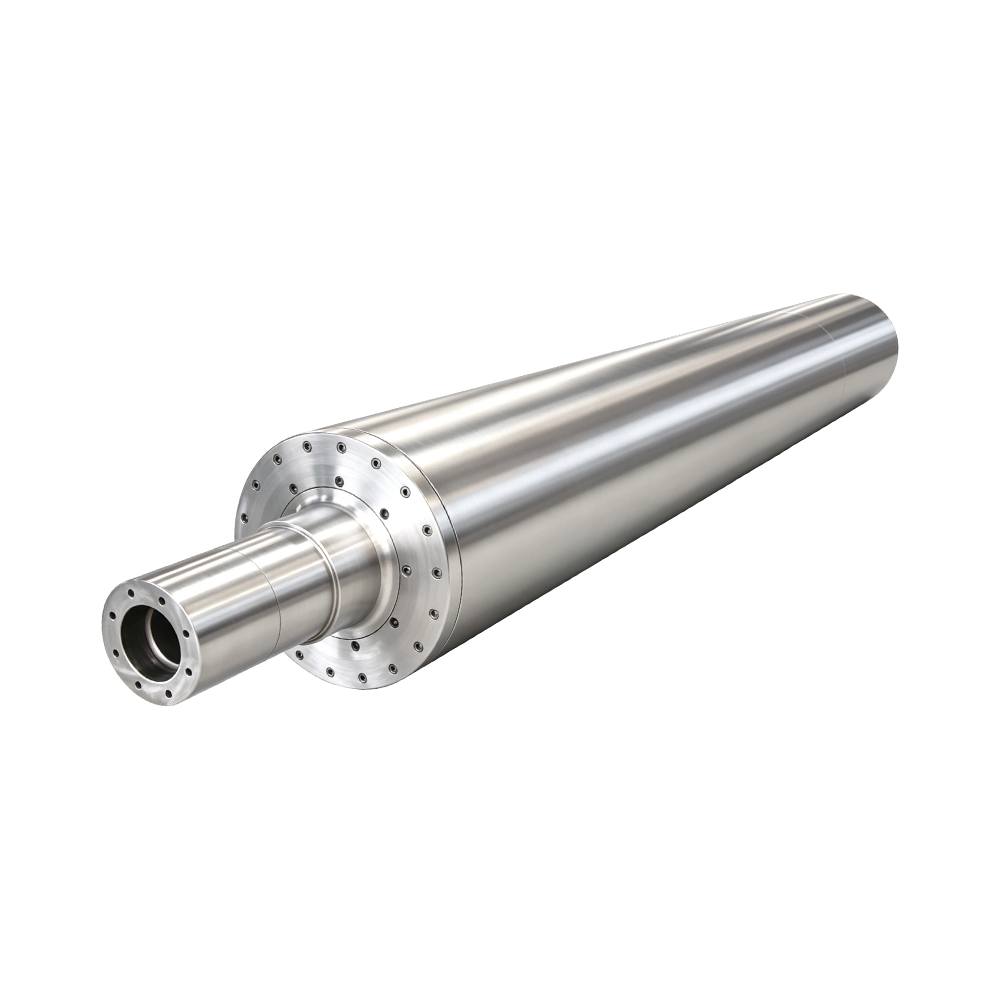 High-Performance Special Alloy Steel Embossing Roller Embossing Roller
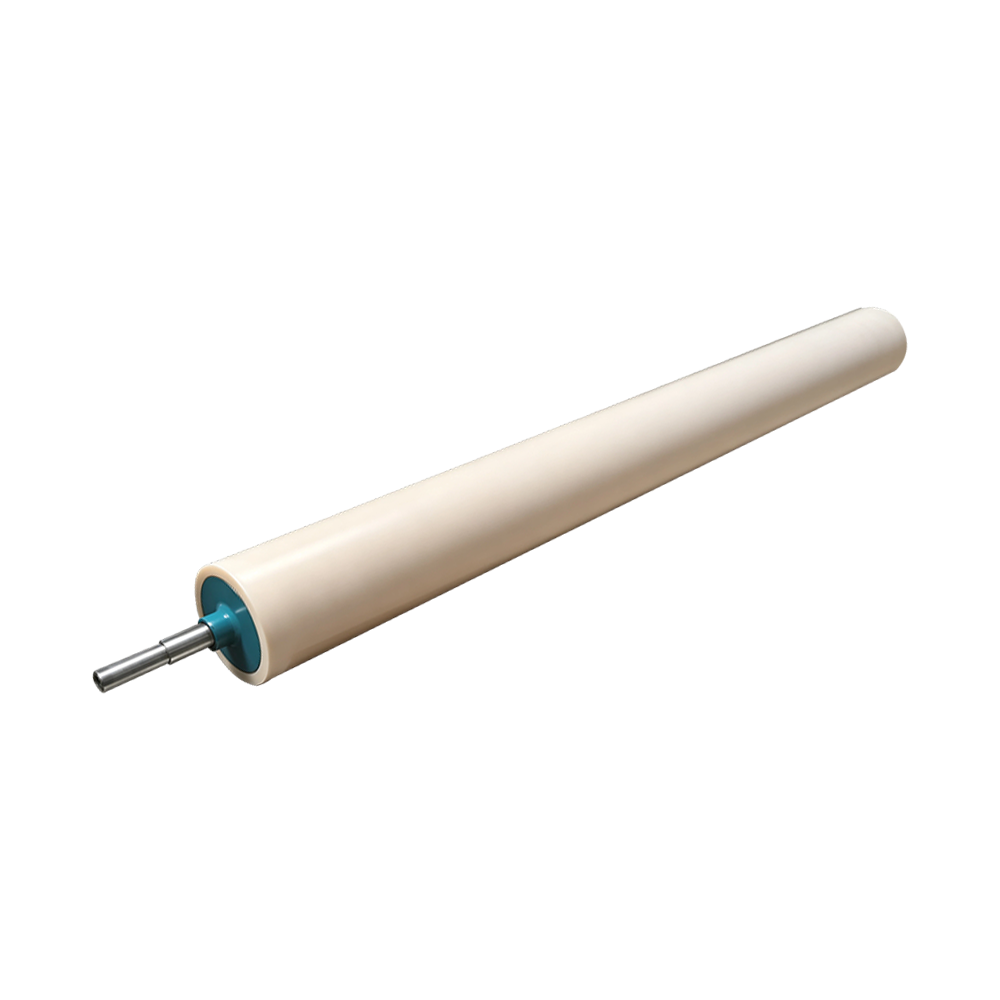 High-Performance Nano-Modified Silicone Embossing Roller Embossing Roller
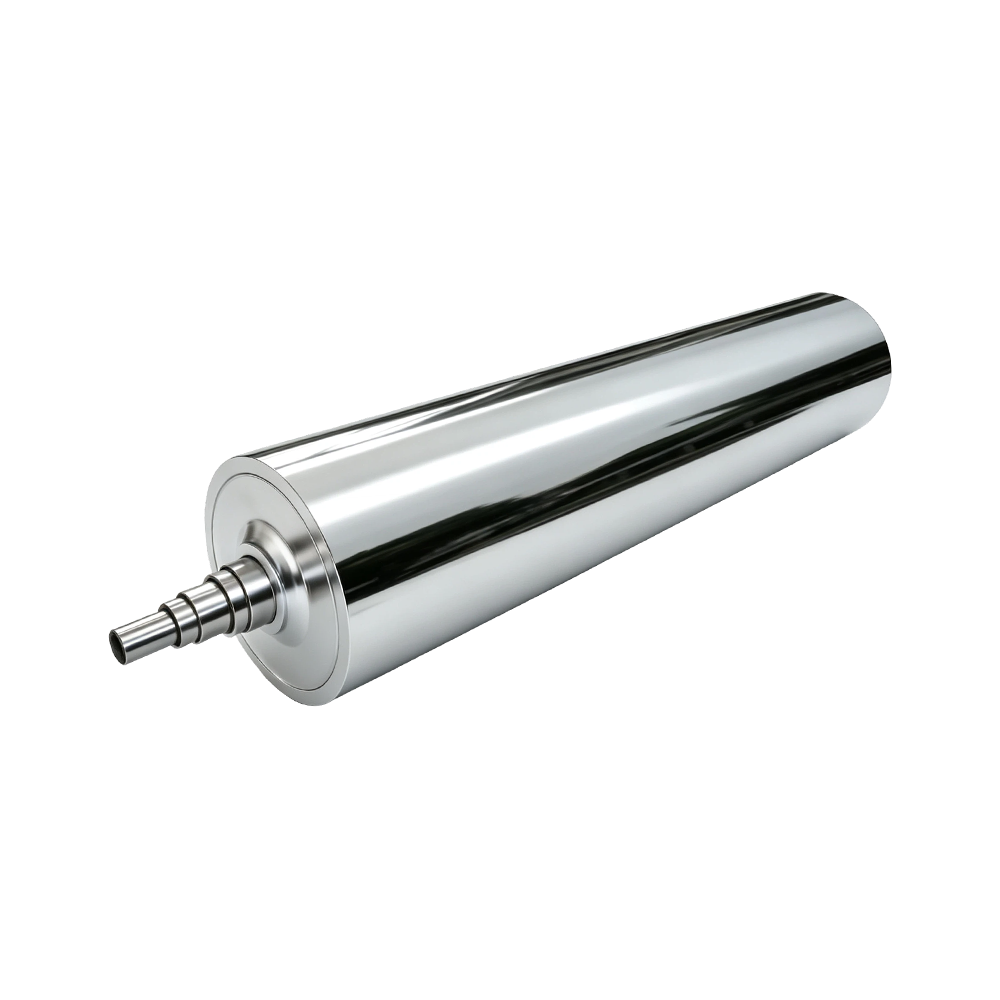
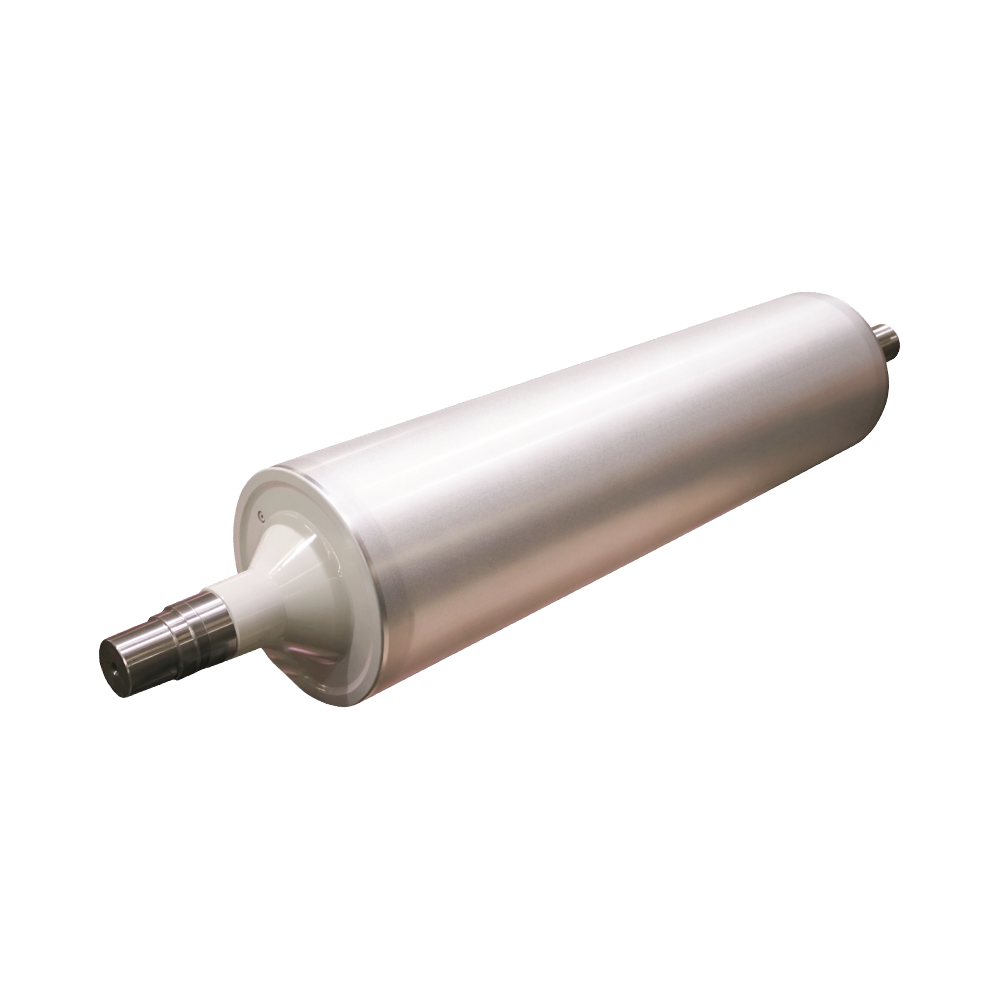 Engineering Plastic Embossing Roller Embossing Roller
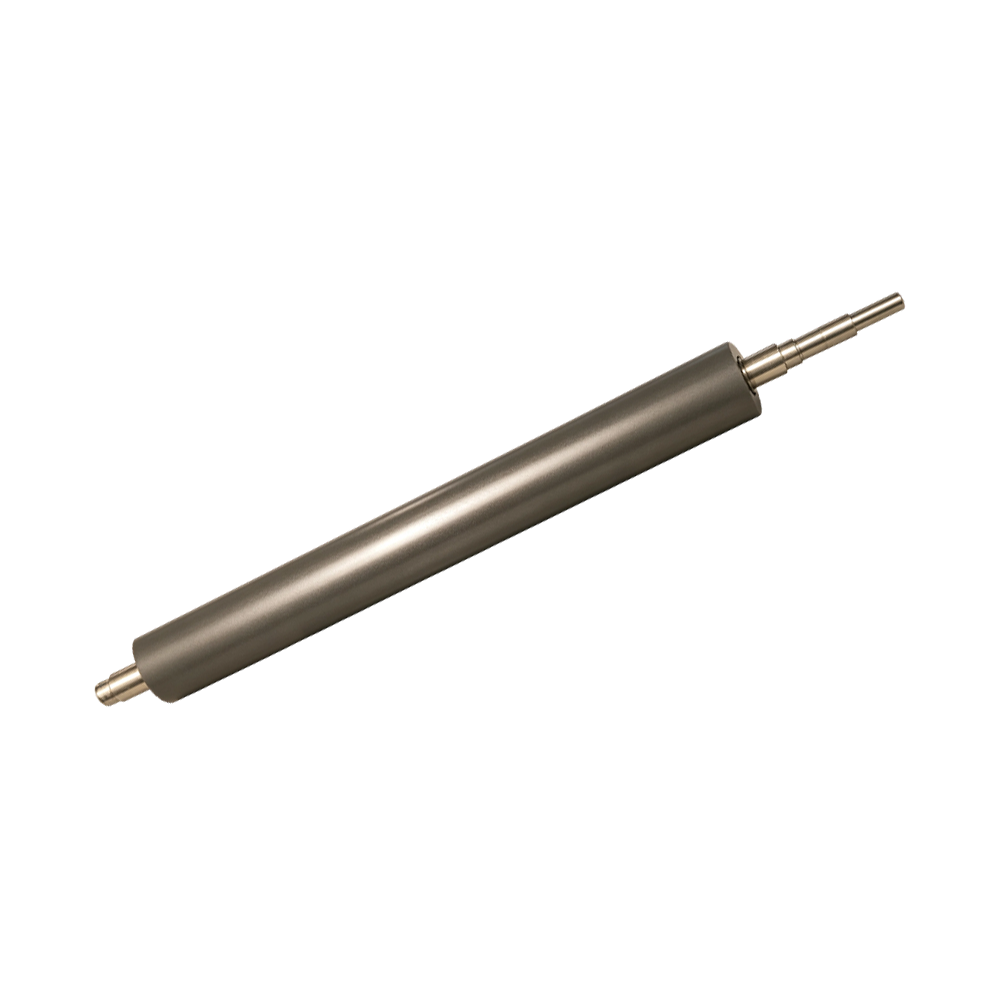 Ceramic Embossing Roller Embossing Roller
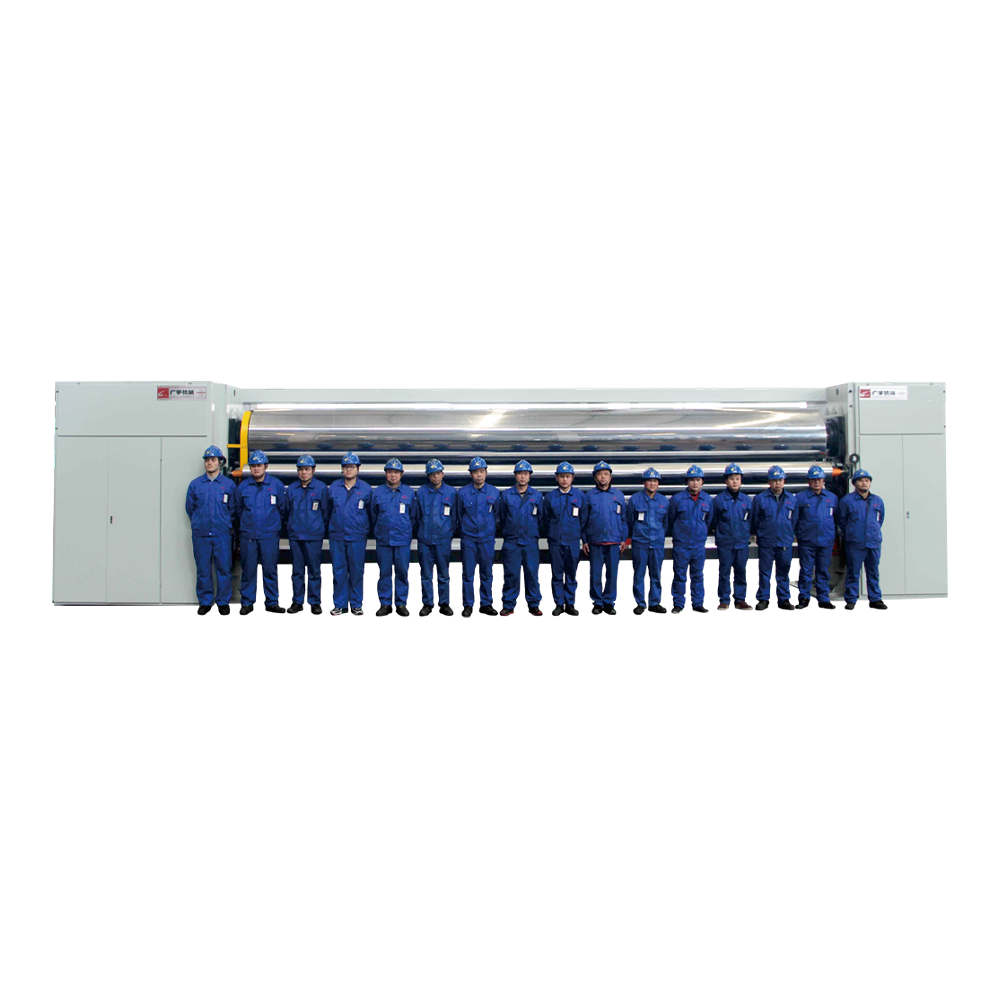
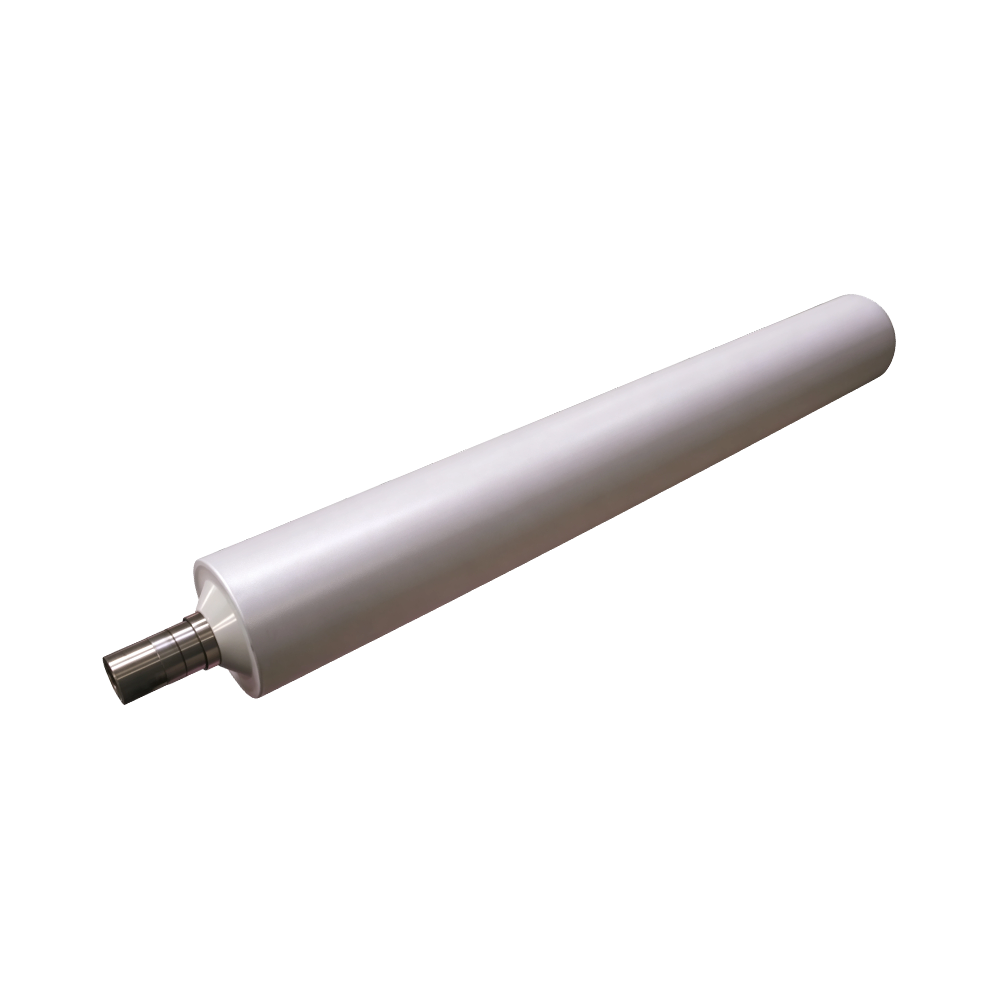 Hard Alloy Steel Embossing Roller Embossing Machine
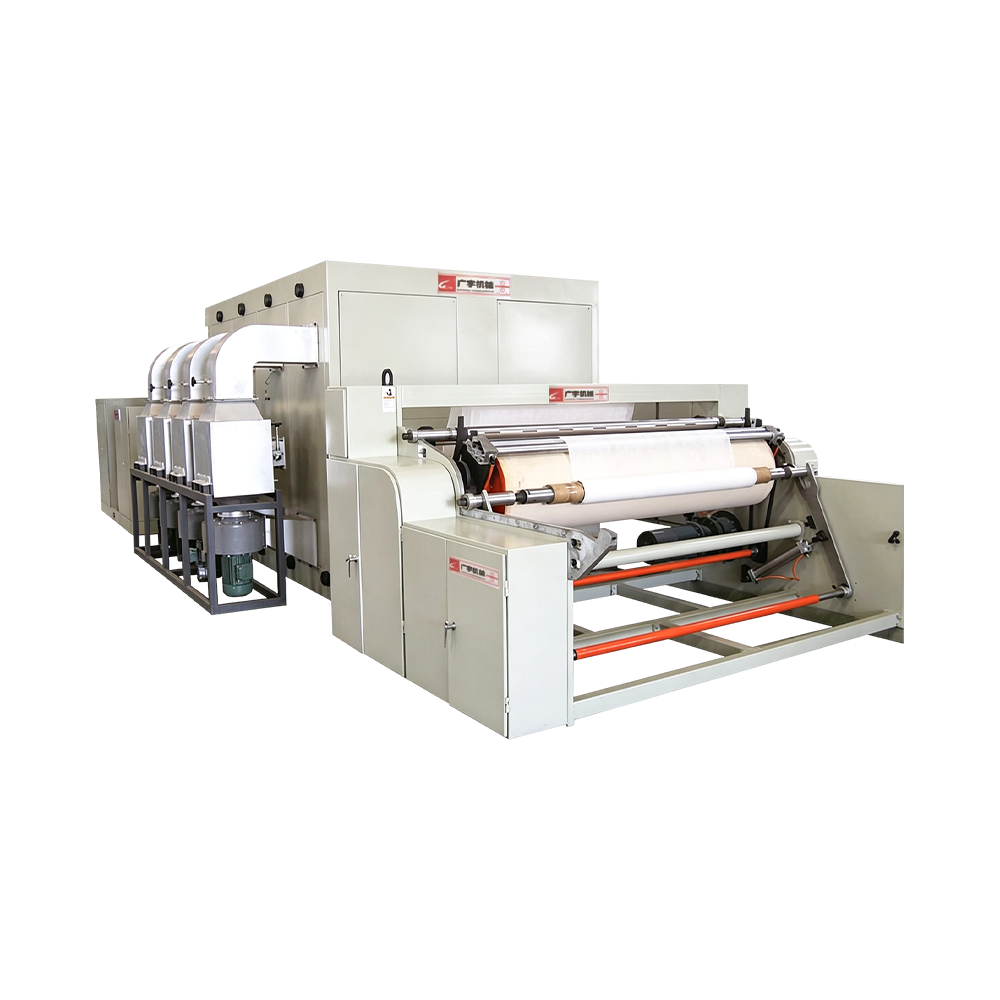
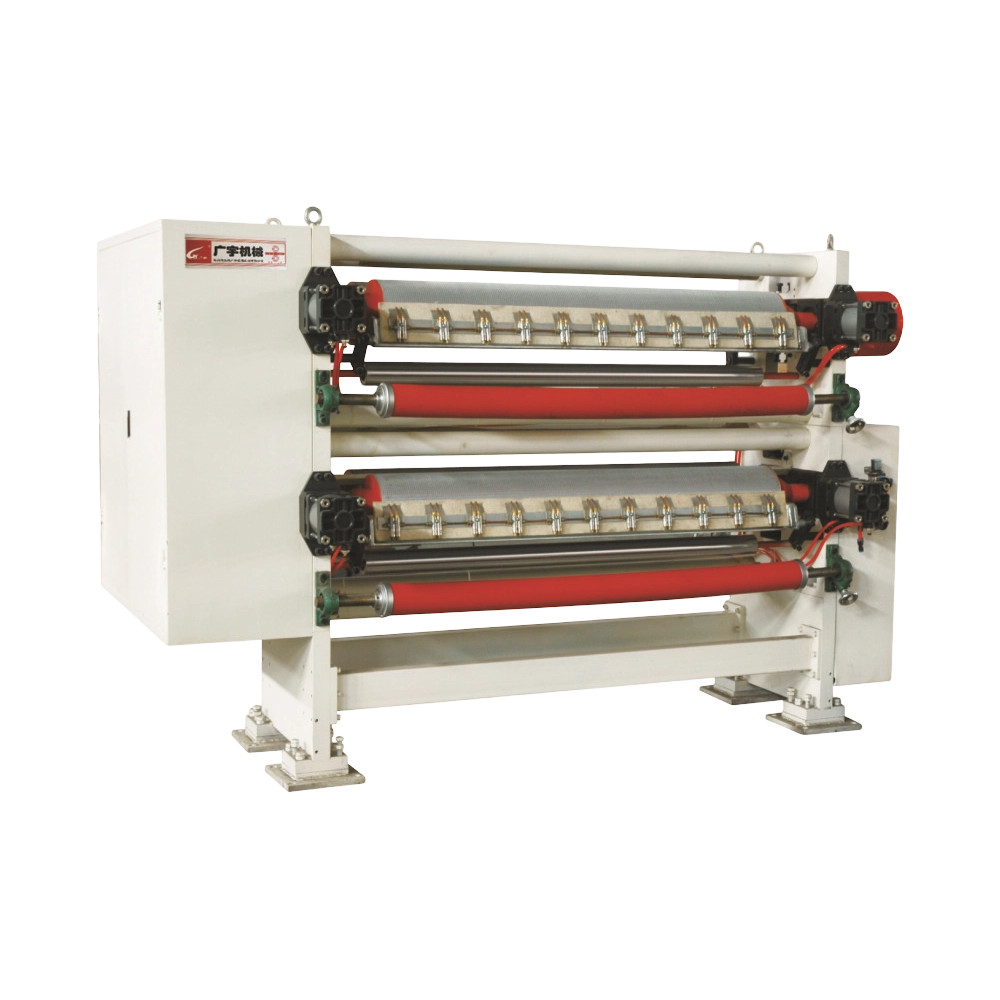 High-Speed, High-End Embossing Machine for Household Paper
Do not treat them as rivals. In most embossing nips, a hard engraved steel roller carries the pattern and a softer silicone-faced roller supplies the cushioned counter surface. Choose steel for the pattern roll and silicone for the partner roll, unless your process uses a different pairing.
Whichever pairing you choose, ask the supplier to confirm the working temperature limit of each face material, since steel and silicone tolerate heat differently.
The same selection questions produce different answers in different industries. Four common scenarios follow.
Spunbond, spunlace and SMS fabrics are embossed with breathable micro-patterns and three-dimensional channels for masks, bed sheets and diaper top sheets. At 260 degrees Celsius hot-rolling, the roller must release cleanly. A self-lubricating coating prevents fiber adhesion, and water wiping is enough to clean it.
CPP, CPE, LLDPE, PLA and aluminum foil composite films need anti-slip textures, matte finishes and micro-perforated breathability. Corrosion resistance matters because plasticizers attack weaker surfaces, and stable production at 200 meters per minute is achievable on a well-built roller.
PVC and PU synthetic leather and TPO instrument panel skins need genuine-looking leather grain and pebble grain that does not whiten or flatten over long runs. Deep engraving and high wear resistance protect pattern depth across a full production campaign.
PC solid sheet, PMMA acrylic and PET optical substrates are heat sensitive. The engineering plastic embossing roller uses a 42CrMoA low-distortion steel body at HRC 52 to 58, with temperature difference held within plus or minus 0.6 degrees Celsius and runout within 0.003 mm. Optional DLC or modified PTFE coatings stop molten plastic from sticking and cut cleaning frequency by 70 percent compared with conventional chrome-plated rollers.
| Specification | Special Alloy Steel Roller | Engineering Plastic Roller |
|---|---|---|
| Roller diameter | 80 to 1200 mm | 100 to 1100 mm |
| Working width | 300 to 3600 mm | 400 to 3200 mm |
| Line speed | 20 to 220 m/min | 5 to 120 m/min |
| Temperature difference | Within plus or minus 0.8 degrees Celsius | Within plus or minus 0.6 degrees Celsius |
| Radial runout | Within 0.004 mm | Within 0.003 mm |
| Heat medium pressure | Cooling water or thermal oil, up to 1.6 MPa on both designs | |
Four checks reveal the difference quickly. First, ask for surface hardness and the heat treatment route. Triple stress-relief tempering keeps a roller from bending above 200 degrees Celsius. Second, ask how temperature uniformity is achieved, since integral forging with spiral channels avoids the shallow ends and over-pressed center that plague wide rollers. Third, ask for engraving tolerance. Depth tolerance of plus or minus 0.003 mm on special alloy rollers, and plus or minus 0.004 mm on engineering plastic rollers, produces even texture across the whole roll. Fourth, ask what is inspected before shipment. Roundness, runout, temperature differential, hardness and pattern depth should all be checked individually.
Care and Storage
Wipe residue at each shift change, avoid metal scrapers, and check heat medium flow regularly. For export or storage, rust-preventive oil with vacuum moisture-proof packaging protects a finished roller for six months of ocean shipping.
A pattern roller is only as good as the chain that produces it. Guangyu runs a closed-loop production line covering roller blank fabrication, laser engraving and hard chrome electroplating. With 40 years of precision forming experience, ISO 9001 and EU RoHS certification, and a role in drafting the industry standard for nonwoven fabric hot-rolling machines, the company supplies customized embossing rollers and complete machinery packages to more than 50 countries and regions.
The right embossing roller is the one whose face material, temperature control and engraving precision match your material and line. Use special alloy steel for demanding hot lines, engineering plastic rollers for heat-sensitive sheet, silicone as a soft partner roll and ceramic for abrasive duty. Browse the embossing roller range, explore all industrial rollers, or contact our engineering team with your pattern drawing and process data.

Tel:

E-mail:

Add:

Copyright © Changzhou Wujin Guangyu Embossing Roller Machinery Co., Ltd. All Rights Reserved Precision Industrial Rollers Manufacturer Calendering Machines Factory
