
 English
 русский
 Español
 عربى


Tel:
+86-519-86701036 / 86702036

Content
Quick Answer
The right nonwoven roller is the one that matches your line temperature, working width, line speed and target pattern. For hot calendering at high temperature and long runs, a forged special alloy steel roller with uniform internal temperature control is the safest choice. For soft contact or a cushioned nip, a silicone-faced roller is the better partner. Choose by process data first, then by surface finish and pattern, and always confirm the choice with a manufacturer that machines, engraves and plates in-house.
A nonwoven roller is a precision roll that bonds, smooths or patterns a fiber web as it passes through a heated or cold nip. In spunbond, spunlace and SMS lines, the roller decides three things: how strongly the fibers are bonded, how the surface feels and looks, and how long the line can run without a stop. Industrial rollers of this type also serve plastic films, packaging, papermaking, metal processing, composite materials and lithium-ion battery production.
Because one roller touches every meter of fabric, small errors multiply quickly. A runout of a few thousandths of a millimeter can show up as uneven bonding across a 3 meter wide web. That is why roller selection is a process decision, not a catalog decision.
The direct answer is to work through four checks in order: temperature, geometry, speed and surface. Skipping any one of them is the most common reason a roller underperforms after installation.
Hot-rolled nonwoven lines often run at 260 to 280 degrees Celsius. Many conventional alloy steel rollers begin to bend from thermal expansion above 200 degrees Celsius. A roller made from a stress-relieved special alloy can hold radial runout within 0.004 mm at 280 degrees Celsius, which removes the need for mid-run calibration. If your line runs hot, ask for the maximum continuous temperature and the short-term peak temperature in writing.
Standard roller outer diameters range from 80 mm to 1200 mm, with effective working widths from 300 mm to 3600 mm. Wide rollers are prone to a classic fault: shallow edges and an over-pressed center. Integral forging with spiral temperature-control channels keeps the temperature difference across the whole roller face within plus or minus 0.8 degrees Celsius, even at the widest dimension.
Applicable line speeds for modern roller designs run from 20 to 220 meters per minute. At higher speeds, heat transfer must be uniform and the roller must stay round. Roller journals that are forged as one piece with the body can raise load capacity by about 60 percent compared with joined designs, which matters for heavy-duty, large-diameter units.
Surface roughness is normally offered as Ra 0.1 for high gloss, Ra 0.4 for general use and Ra 0.8 for a matte finish. For patterned bonding, laser engraving can reach a minimum pattern spacing of 0.2 mm with depth tolerance of plus or minus 0.003 mm and pattern reproduction accuracy of 99.7 percent. Define the finish and the pattern before you define the material.
Selection Tip
Send your engineering team five numbers before requesting a design: process temperature, web width, line speed, heat medium (thermal oil or water) and required Ra value. These five figures remove most of the guesswork from a custom roller proposal.
Neither is better in every case. A steel roller carries the pattern and the heat, while a silicone or other soft-faced roller provides the cushioned counter surface. The best result usually comes from pairing them correctly, not from choosing one over the other. The table below summarizes the typical roles of each roller face material.
| Roller Type | Best Role | Main Strength | Watch Out For |
|---|---|---|---|
| Special alloy steel | Patterned hot roll | Hardness, heat stability, fine detail | Needs a suitable counter roll |
| Nano-modified silicone | Soft counter roll | Cushioned nip, gentle on the web | Confirm temperature limits for your line |
| Engineering plastic | Light-duty embossing | Low weight, non-metal contact | Not for the hottest or heaviest duty |
| Ceramic | Abrasive materials | Very high wear resistance | Handle with care against impact |
| Hard alloy steel | General embossing | Balanced wear and stability | Match grade to working temperature |
Why does the steel face matter so much? A special alloy roller built from 34CrNiMo6 forged billet with vanadium, molybdenum and titanium strengthening can reach a surface hardness of HRC 60 to 65. In measured use, that hardness delivers about 120 percent longer wear life than conventional 40Cr steel rollers and an effective processing mileage of 10 million meters in continuous high-speed embossing. Fewer roll changes also mean fewer interruptions on 24 hour lines.
These rollers are built in-house, from forged blank to laser engraving and surface finishing. Select a product to see full specifications and request a custom design.
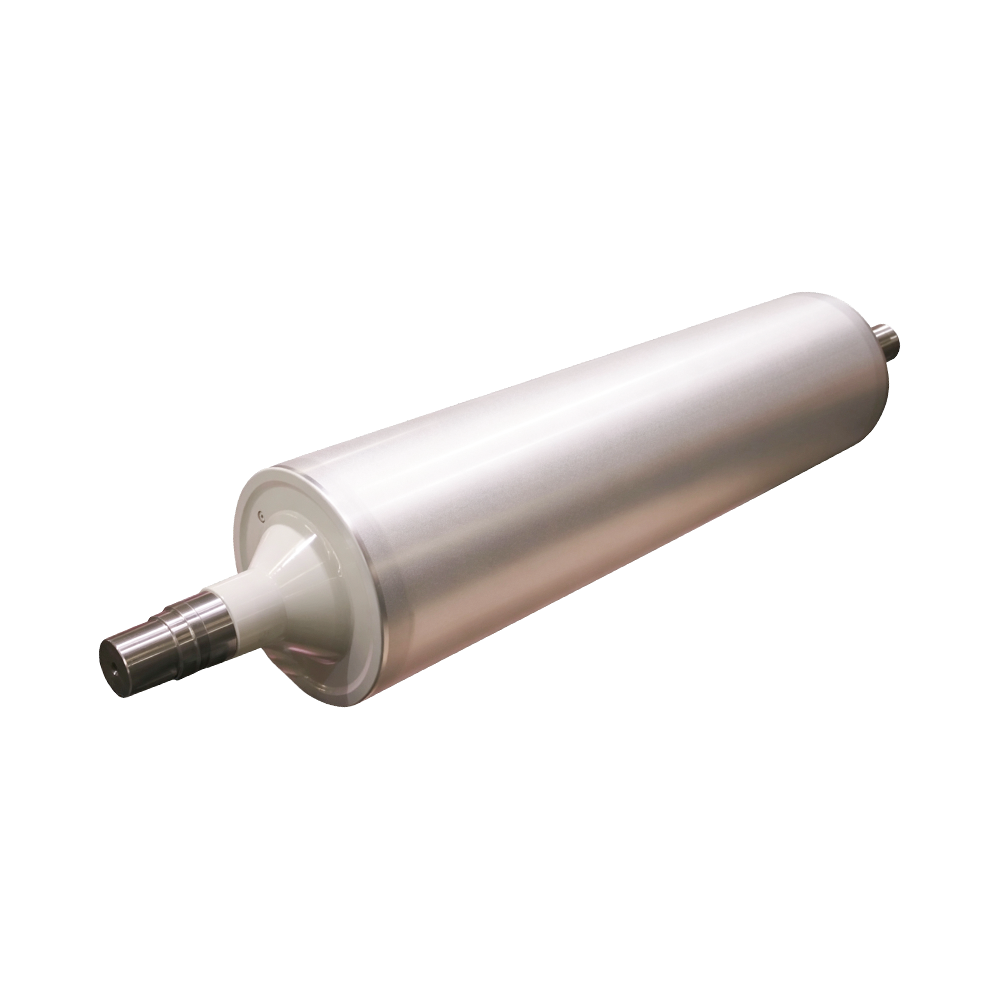
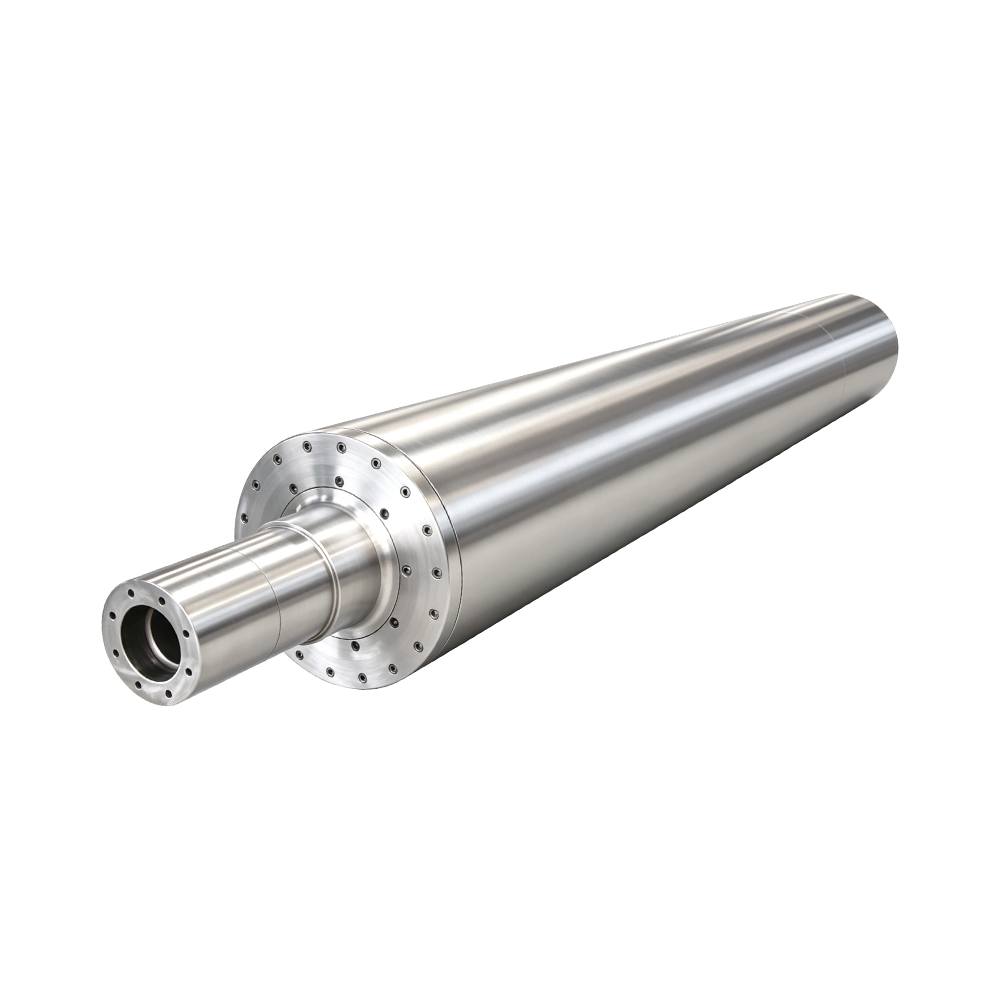 Embossing Roller High-Performance Special Alloy Steel Embossing Roller
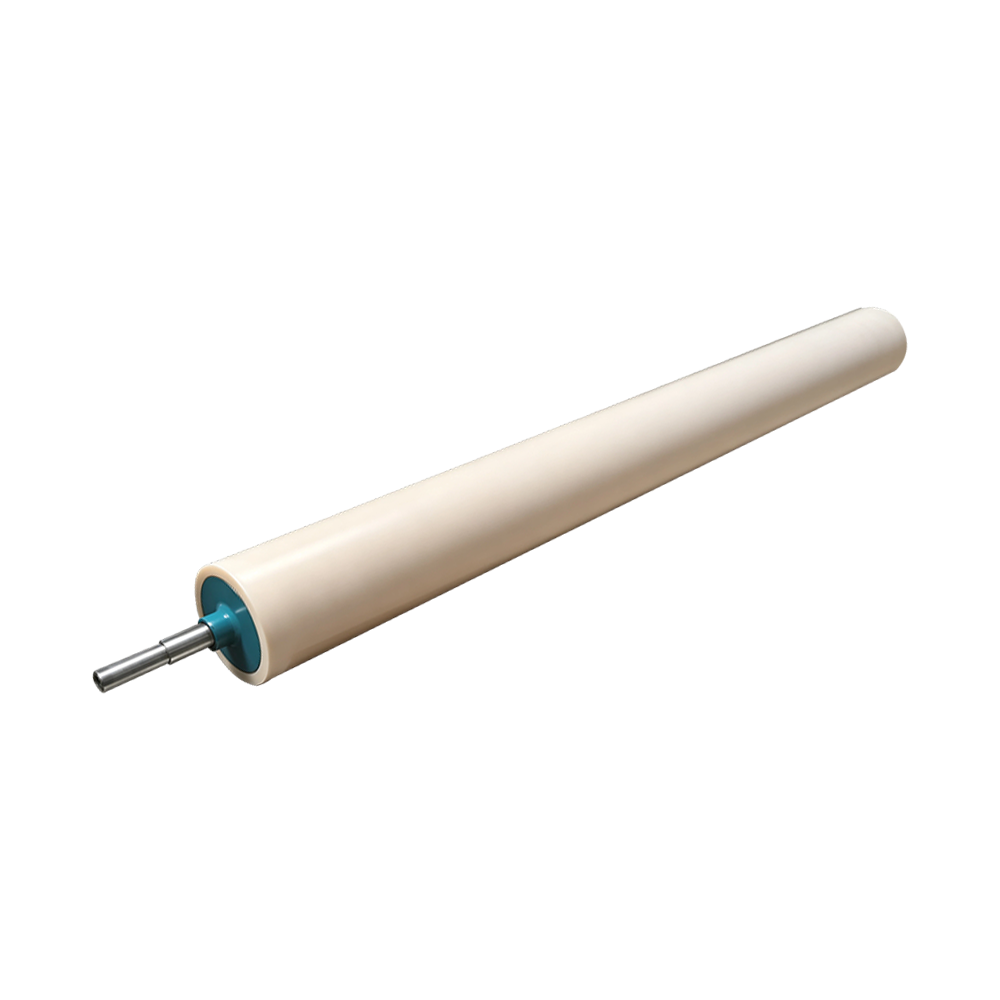 Embossing Roller High-Performance Nano-Modified Silicone Embossing Roller
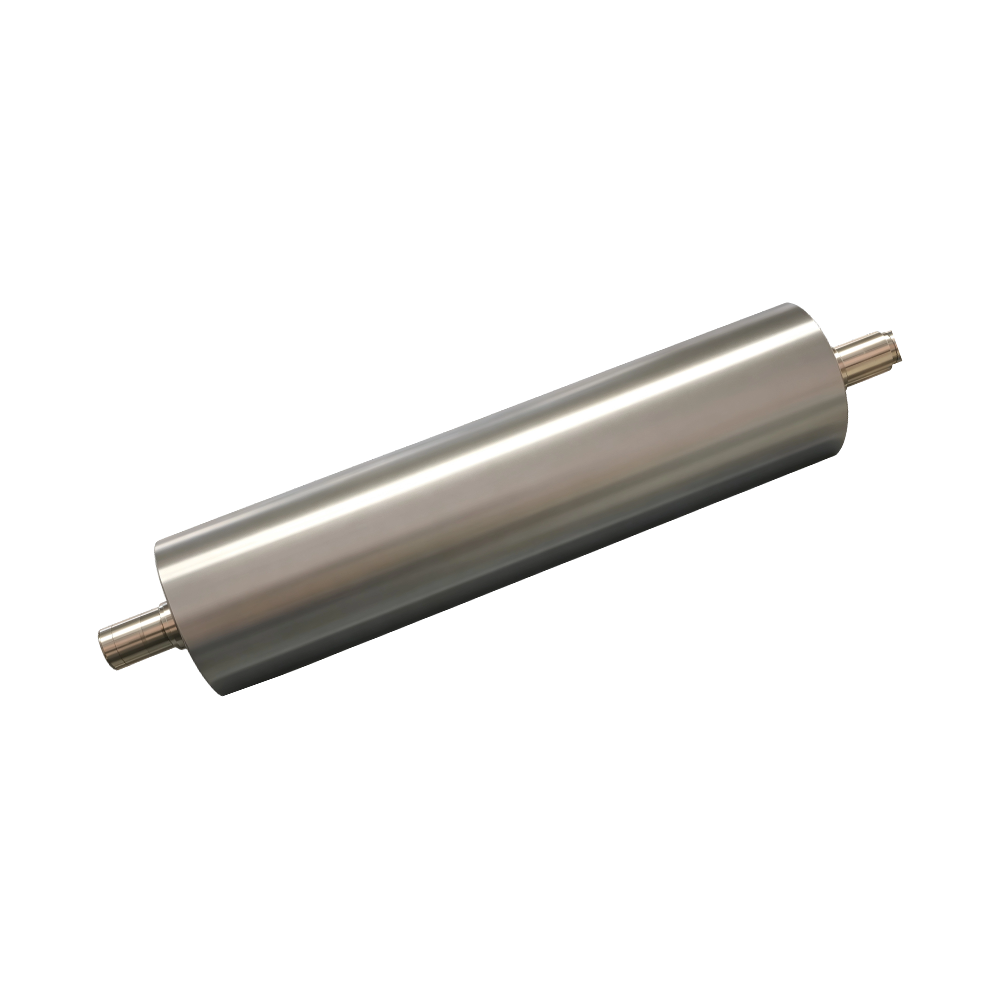
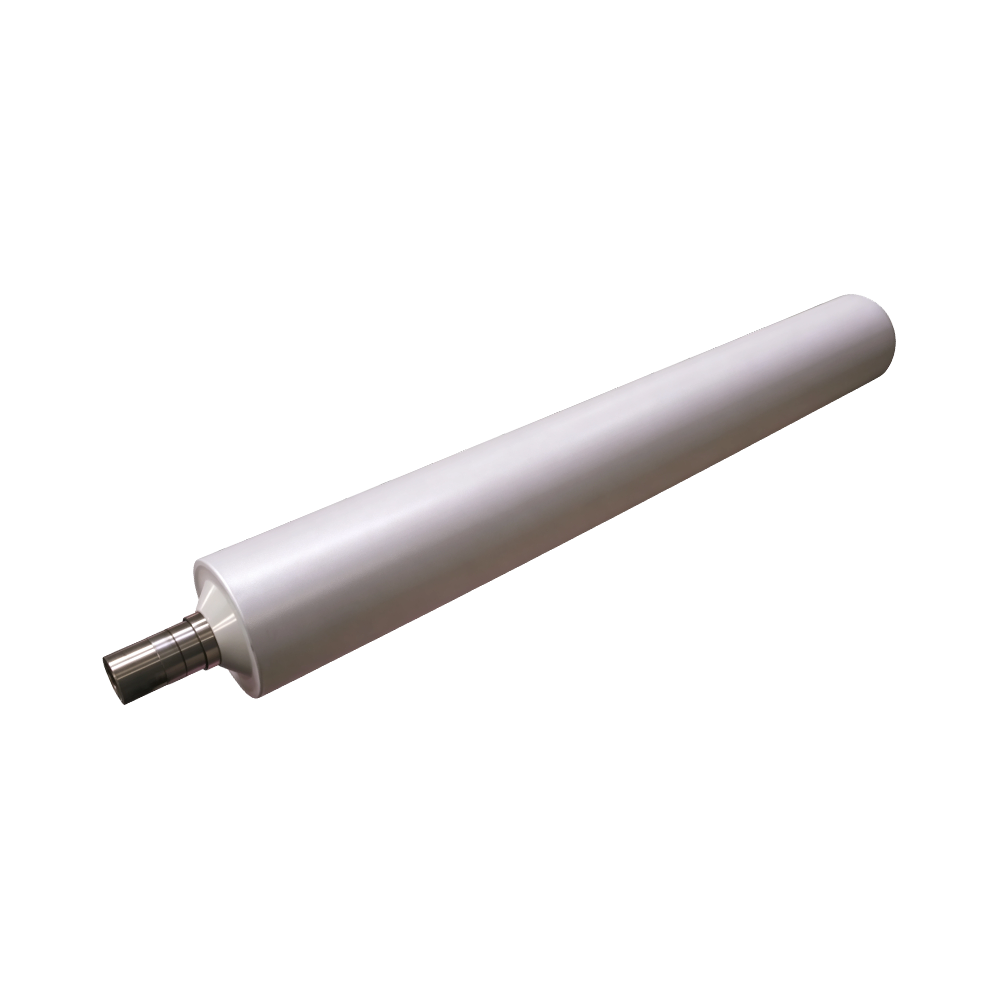 Embossing Roller Hard Alloy Steel Embossing Roller
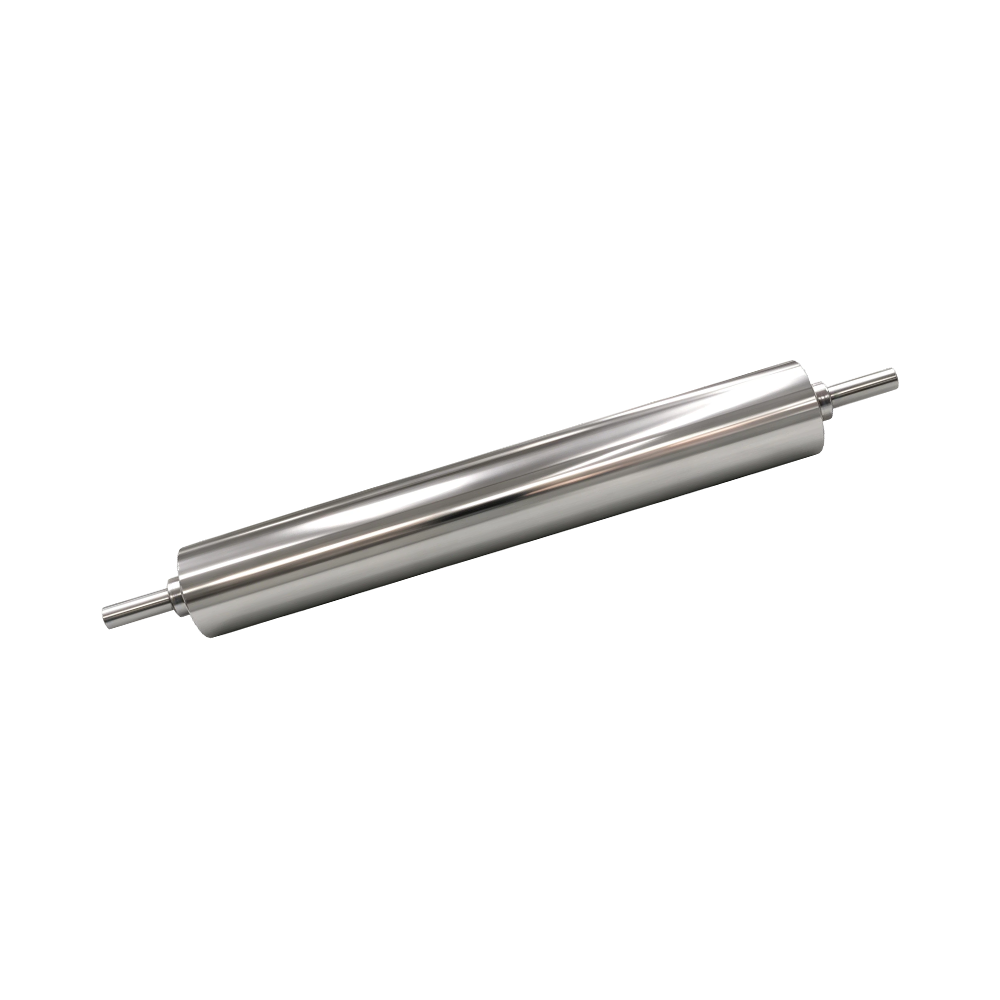
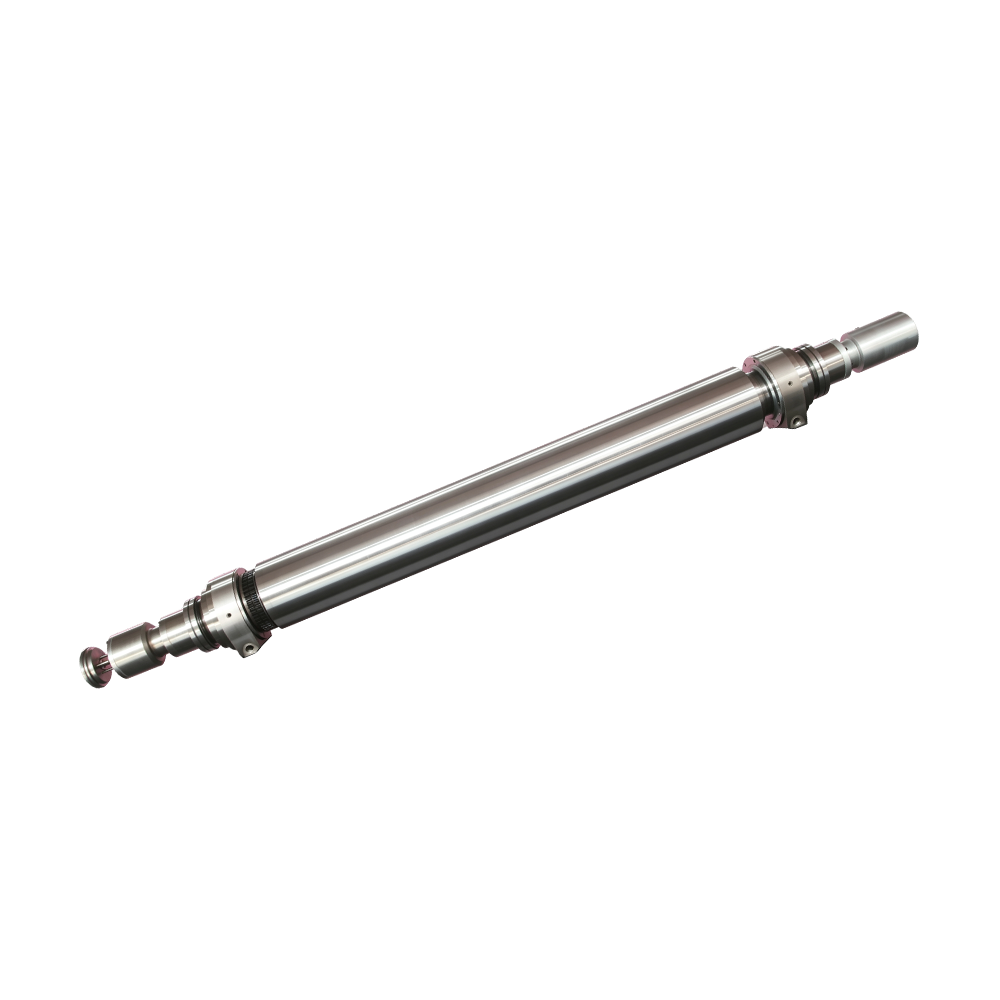 Rolling Roller Alloy Steel Uniformity Calendering Roller
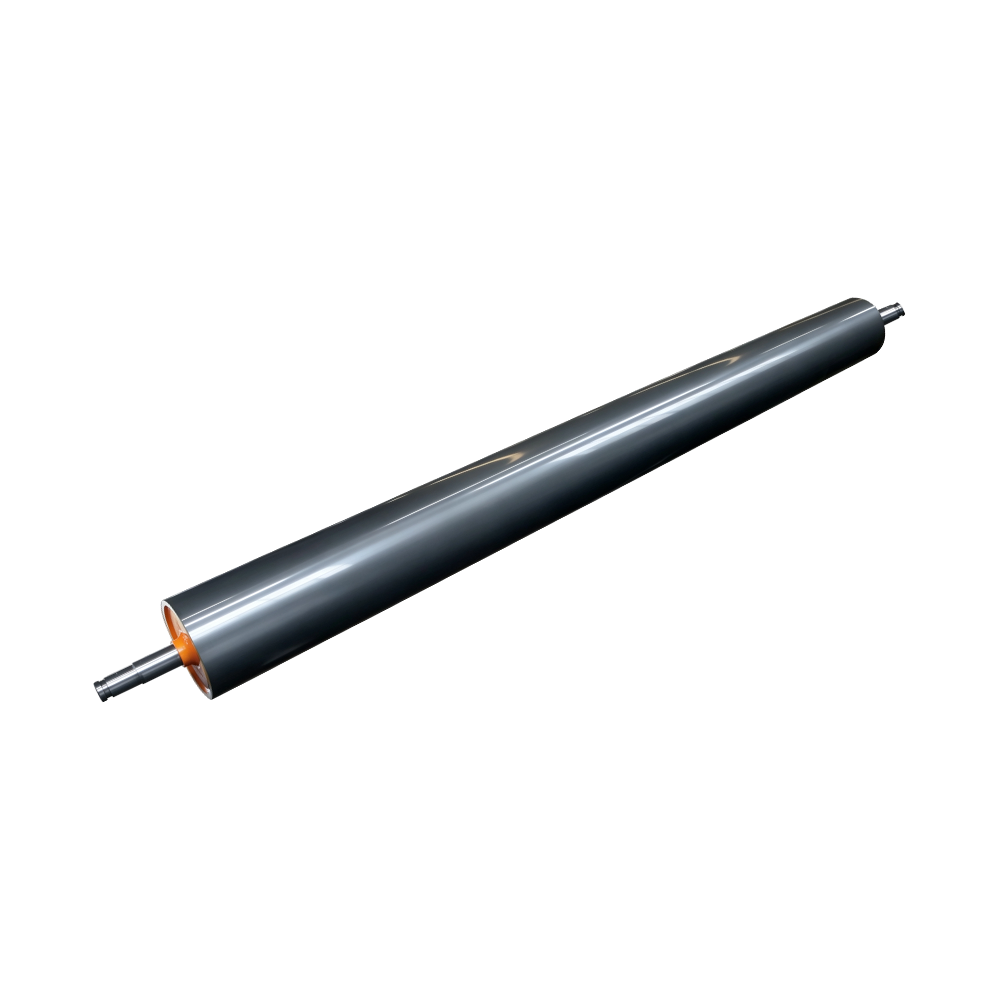 Precision Industrial Roller Specialty Coated Roller
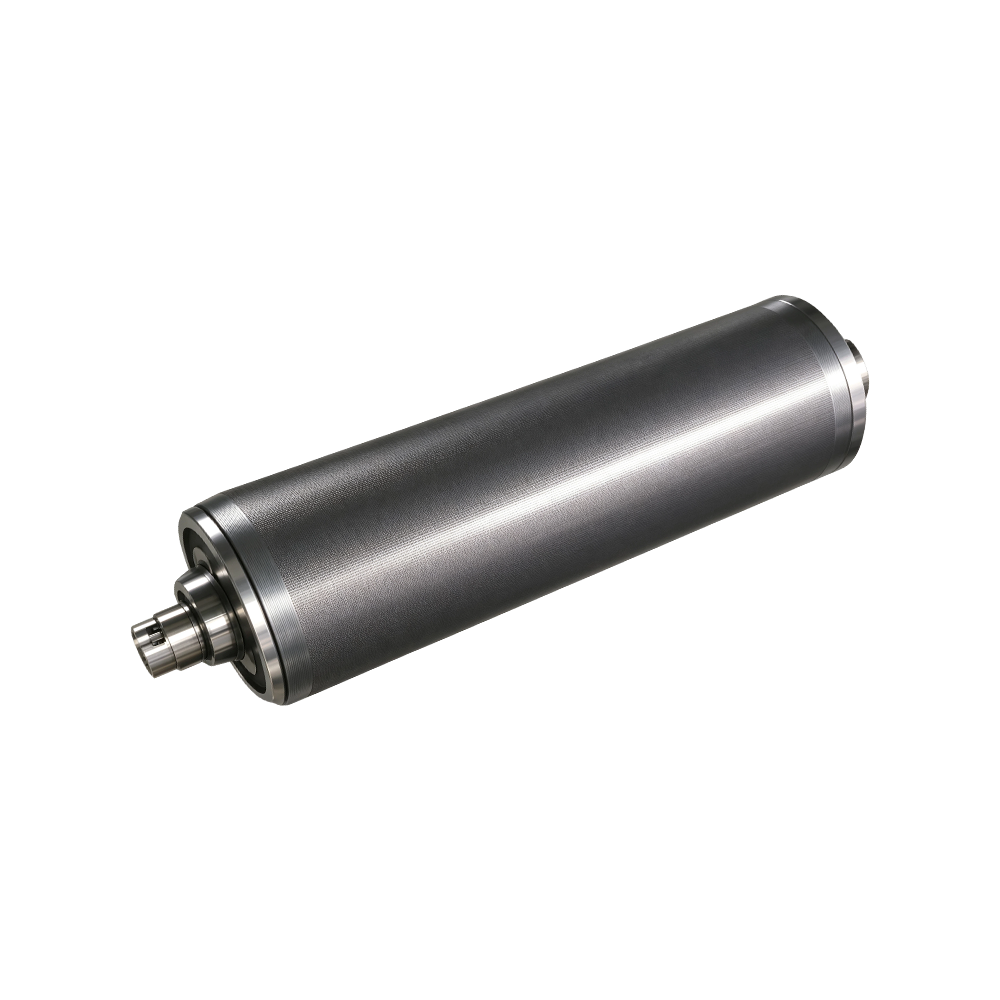 Anilox Roller Hard Alloy Steel Anilox Roller
Use a calendering roller when the goal is thickness control, smoothness or bonding uniformity. Use an embossing roller when the goal is a defined pattern, such as a breathable micro texture or a three-dimensional channel design. Many nonwoven lines use both in sequence.
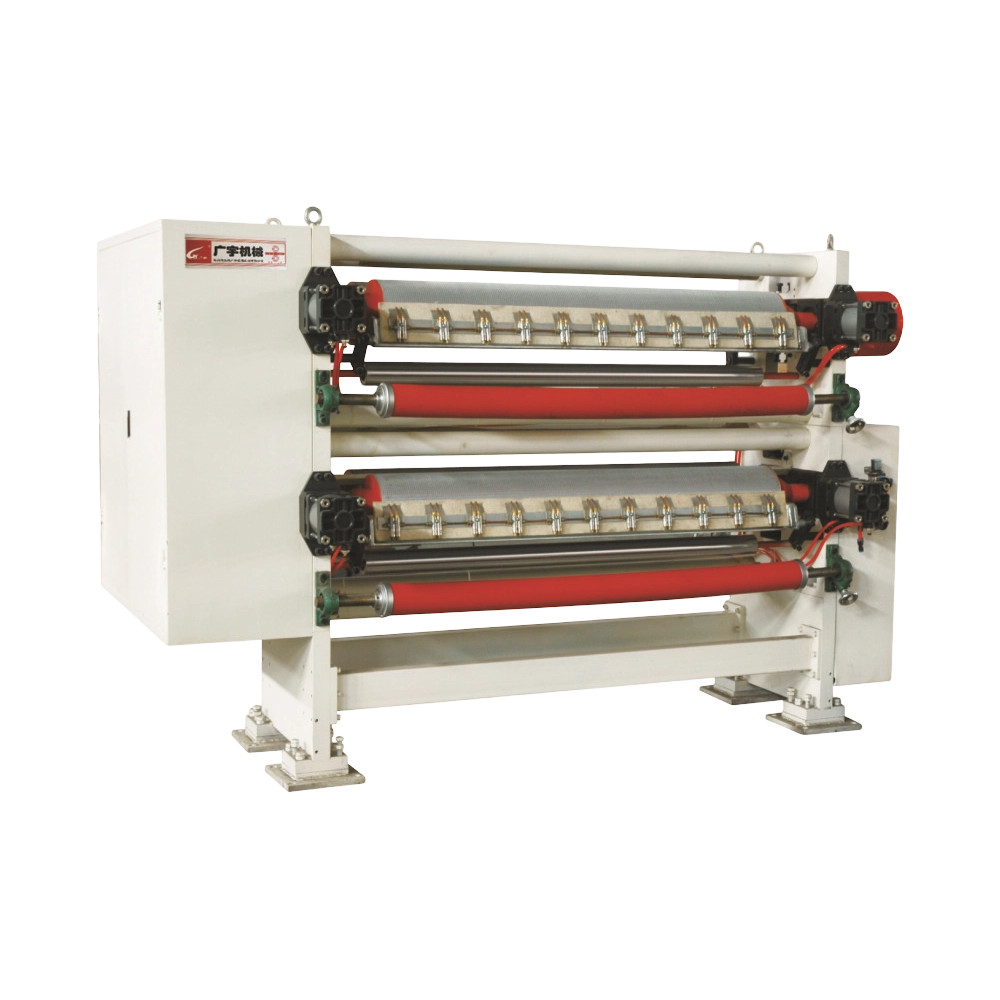
A calendering roller works best when the web needs consistent density and surface quality. Mirror finish rollers give a smooth, glossy face, while matte finish rollers give a softer, lower-gloss look. In both cases, the key performance figure is temperature uniformity. If the roller face varies by more than a degree or so, the fabric will show streaks or uneven hand feel.
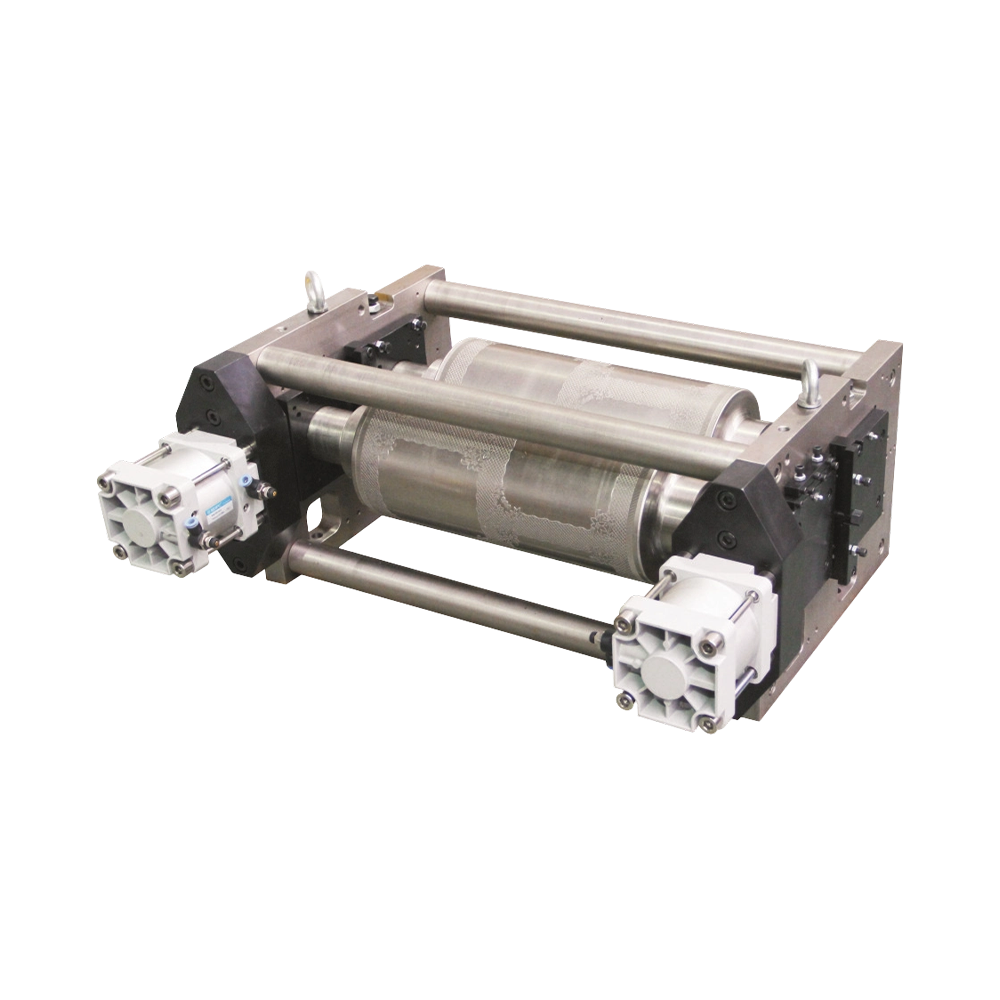
An embossing roller is the correct choice for visible or functional patterns. Laser engraving makes it possible to produce leather grain, diamond anti-slip texture and micro-porous breathable patterns with edges free of burrs. Because the pattern is cut into hardened material, it stays sharp for far longer than patterns milled into softer steel.
Controls thickness, gloss and bonding uniformity. Judge it by temperature uniformity and surface roughness.
Creates patterns and functional textures. Judge it by pattern spacing, depth tolerance and wear life.
Application drives the final specification. The scenarios below show how the same selection checks lead to different roller choices.
For spunbond, spunlace and SMS fabrics used in masks, bed sheets and diaper top sheets, the priority is clean release and uniform breathable patterns. A roller with a self-lubricating surface layer helps prevent fiber sticking at 260 degrees Celsius hot-rolling temperature. A nano-graphene composite coating of 0.08 to 0.15 mm thickness is bonded metallurgically to the substrate, so it does not peel, and it resists the disinfectants common in medical production. Cleaning is simple: water wiping is typically enough to remove residue.
Synthetic leather, instrument panel skins, PVC wall panels and decorative sheets need deep, repeatable textures that do not whiten or flatten over long runs. Heavy-duty large-diameter rollers resist deformation under high pressure and temperature. In this setting, wear life and pattern depth tolerance matter more than line speed.
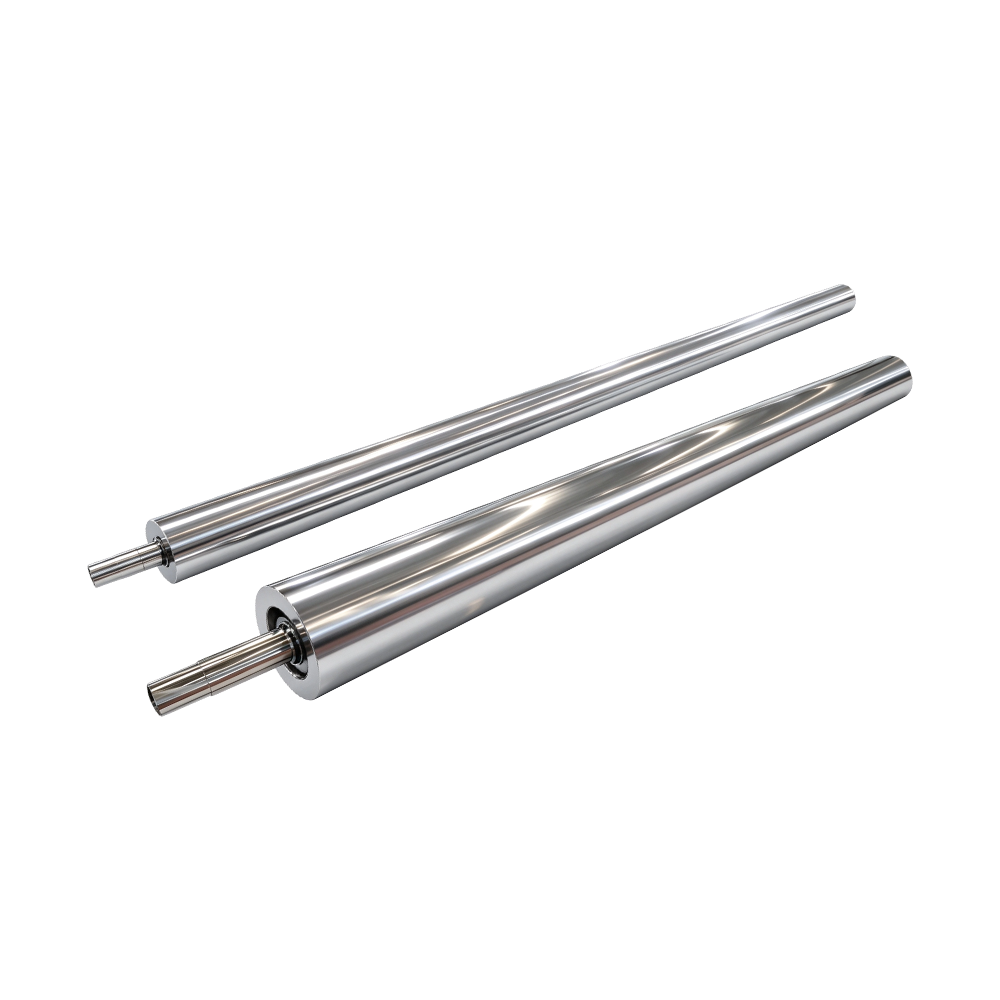
Plastic film, flexible packaging and lithium battery separator production use precision rollers such as chill rollers, preheating rollers and coating equipment rollers. Here, straightness within 0.003 mm and end journal coaxiality within 0.004 mm keep the film gauge stable. Heat exchange channels rated to 1.6 MPa support both water and thermal oil without leakage or local overheating.
| Application | Key Requirement | Recommended Focus |
|---|---|---|
| Hygiene and medical nonwovens | Clean release, fine breathable pattern | Special alloy embossing roller with coating |
| Automotive and building surfaces | Deep texture, long wear life | Hard alloy steel embossing roller |
| Cast film and battery coating | Tight straightness, stable temperature | Precision industrial roller series |
| Printing and coating transfer | Accurate ink or coating volume | Anilox roller |
Even the best roller needs routine care. Daily maintenance prevents unplanned downtime and protects the surface that took so long to engrave.
Repair Before Replace
When a roller has a restorable coating, localized repair through coating restoration can return it to service without a full replacement. Ask your supplier whether your chosen roller design supports this approach.
Two rollers with the same drawing can perform very differently if they are made in different ways. Guangyu operates a closed-loop production line that includes roller blank fabrication, laser engraving and hard chrome electroplating under one roof. The company has taken part in drafting an industry standard for nonwoven fabric hot-rolling machines and holds ISO 9001 and EU RoHS certification. When forging, heat treatment, grinding, cladding and engraving are controlled together, problems can be traced and corrected at the source rather than passed between suppliers.
Each roller is also inspected individually for roundness, runout, temperature differential, hardness and pattern depth before shipment. That level of checking is what supports tolerances of a few thousandths of a millimeter in daily production.
The best nonwoven roller is not the hardest or the most expensive-looking one. It is the one whose temperature rating, width, speed capability and surface finish fit your actual line. Start with the four checks, pair hard and soft rollers deliberately, and confirm every figure with your manufacturer. For custom designs or help with an existing line, visit the Industrial Rollers category, review the embossing roller and calendering roller ranges, or contact our engineering team with your process data.

Tel:

E-mail:

Add:

Copyright © Changzhou Wujin Guangyu Embossing Roller Machinery Co., Ltd. All Rights Reserved Precision Industrial Rollers Manufacturer Calendering Machines Factory
