Founded in
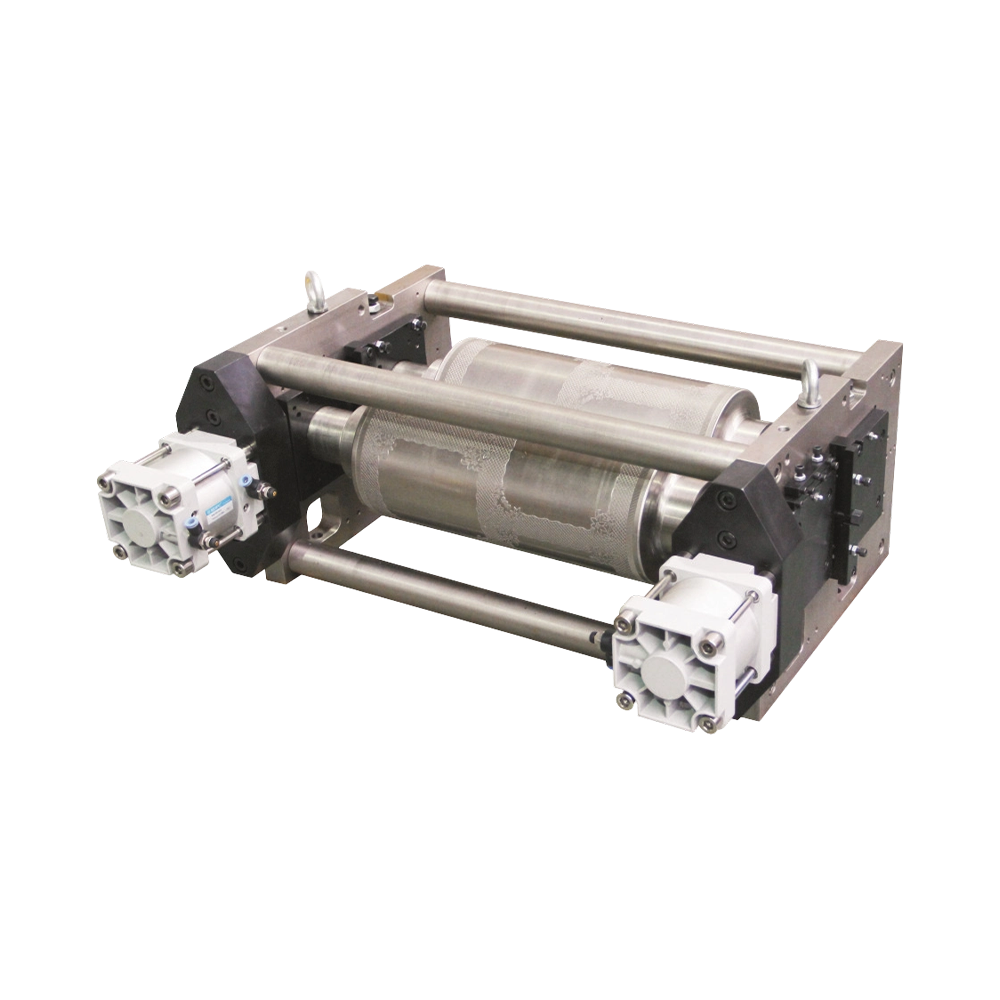
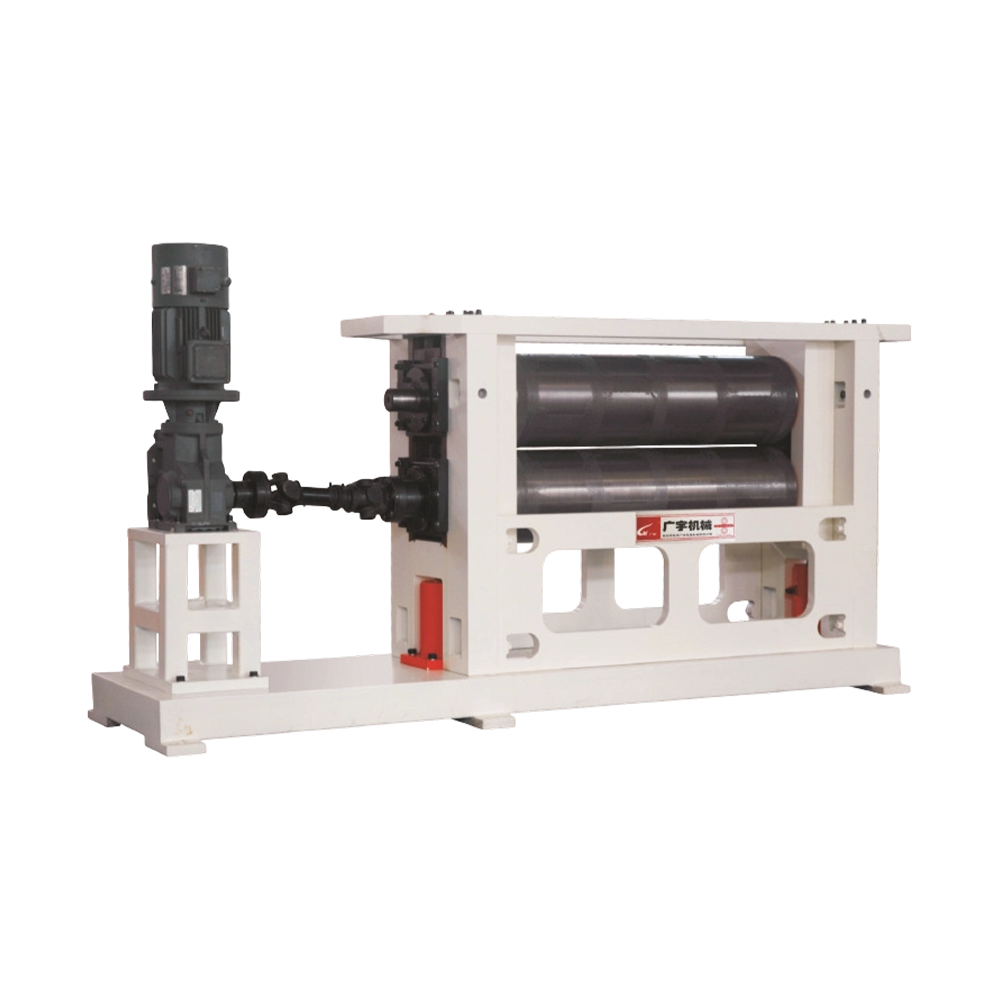
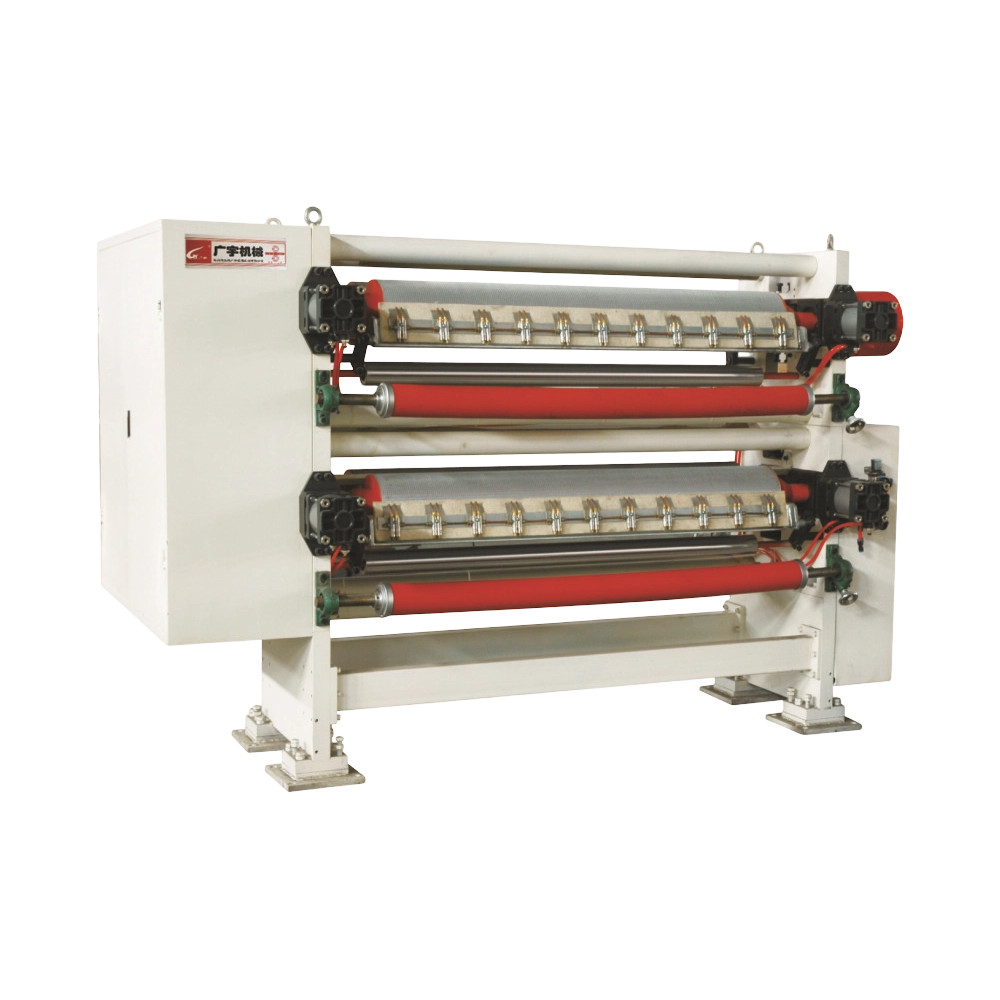
Tissue Paper Embossing Machine is a specialized converting equipment designed for producing embossed household paper products including toilet rolls, facial tissues, napkins, and kitchen towels. Unlike general-purpose embossing equipment, this machine is specifically engineered to handle low-grammage tissue paper (12–60g/㎡) with minimal tensile strength, delivering consistent three-dimensional patterns without tearing, wrinkling, or compromising the natural softness of the finished product. Available in standard, high-speed multi-lane, and premium high-speed configurations with maximum operating speeds up to 300m/min and working widths up to 3500mm, the machine integrates matched embossing rollers, intelligent pressure control, closed-loop tension regulation, and constant-temperature roller heating into a unified system—eliminating the performance mismatches common in machines assembled from third-party components.
Product Advantages
Unlike most equipment manufacturers that source rollers from external suppliers, resulting in poor compatibility between roller hardness, pressure capacity, and machine speed, this machine is equipped with integrally manufactured specialty alloy embossing rollers. Each roller is forged, laser-engraved, and surface-hardened in-house, with material grade, hardness, and pattern depth specifically calibrated to the machine's operating parameters. This matched integration ensures consistent pattern depth through millions of impressions and significantly reduces roller replacement frequency. The upper and lower roller parallelism is controlled within 0.004mm, with pattern depth tolerance ±0.003mm, guaranteeing uniform embossing across the entire web width.
The machine incorporates segmented pneumatic pressure control with multi-point feedback, enabling precise adjustment across the full web width. Nip pressure deviation is maintained within 0.2–0.8MPa range, preventing the common problems of over-pressed edges and under-pressed centers that plague conventional machines. This system adapts to different paper grammages through stepless adjustment, ensuring consistent pattern depth on both sides of multi-ply products and secure layer bonding without delamination. The result is improved water absorption and bulk simultaneously—critical quality attributes for premium tissue products.
Independent variable-frequency drives with tension feedback modules maintain stable tension throughout start-up, steady-state operation, and deceleration. This closed-loop architecture prevents tearing and wrinkling on low-grammage papers down to 12g/㎡—a common failure mode on conventional machines that lack dynamic tension compensation. The stepless speed regulation adapts to varying base paper tensions, minimizing web breaks and maximizing line productivity.
Both embossing rollers incorporate full-surface thermal oil circulation channels with independent temperature control, maintaining synchronized temperature differential ≤±0.8℃ across the entire roller surface. Unlike high-temperature thermal bonding processes that harden and stiffen tissue fibers, this low-temperature heat assistance promotes fiber bonding while preserving the natural softness and bulk of the finished product. The result is a fluffy and soft hand-feel that meets premium household tissue consumer expectations—distinct from the brittle, stiff texture produced by overheated rollers.
The integral cast steel frame undergoes extended stress-relief annealing to eliminate internal casting stress, preventing frame deformation or resonance shift under 24/7 continuous operation. Transmission components are pre-run calibrated before shipment, maintaining consistent clearances through millions of cycles. The machine achieves no-load noise levels ≤72dB with minimal failure rates, suitable for round-the-clock production in tissue converting plants.
Operational Benefits
Two processes completed in one pass reduce combined labor and energy costs by over 30%. Closed-loop pressure and temperature control reduces scrap from stretching and rupture by 80%. Factory-matched paired rollers deliver extended service life with fewer annual replacements and re-grinding cycles. Single machine accommodates metal, film, paper, and nonwoven materials—eliminating multiple dedicated machines and reducing floor space and capital investment simultaneously. Finished products feature symmetrical, uniform texture on both sides with consistent three-dimensional relief, calendered surface finish meeting flatness standards without warping or thickness variation, delivering tangible market premium for end products.
Application Scenarios
The machine supports single-ply embossing, two-ply lamination, and three-ply nested embossing with quick changeover between configurations. Multiple pattern options—including dot, pearl, willow leaf, and square textures—can be applied by changing roller sets, enabling a single machine to produce toilet tissue, facial tissue, kitchen towel, and mini handkerchief products. This flexibility suits small-batch, multi-variety production environments where rapid changeover is essential. Additionally, customized logo embossing is available for commercial, hospitality, and branded tissue applications.
Specifications
Exclusive Core Parameters:
·Upper/lower roller parallelism: ≤0.004mm;
·Roller surface temperature differential: ≤±0.8℃;
·Adjustable pressure range: 0.2–0.8MPa;
·Compatible paper grammage: 12–60g/㎡;
·No-load noise: ≤72dB;
·Speed control: closed-loop tension feedback VFD.
General Specifications:
| Exclusive Core Parameters | Upper/lower roller parallelism | ≤0.004mm |
| Roller surface temperature differential | ≤±0.8℃ | |
| Adjustable pressure range | 0.2–0.8 MPa | |
| Compatible paper grammage | 12–60 g/㎡ | |
| No-load noise | ≤72 dB | |
| Speed control | Closed-loop tension feedback VFD. | |
| General Specifications | Effective working width | 1200mm–2600mm |
| Maximum operating speed | 80–180m/min (standard) | |
| Temperature control medium | Circulating thermal oil | |
| Installed power | 11kw–22kw | |
| Supported processes | Single-ply embossing, two-ply lamination, three-ply nested embossing | |
| Frame material | Integral cast steel | |
| Certifications | CE, ISO9001 |
Founded in
Country of Sale
Employees
Factory
Area
Pay Attention to Our Latest News and Exhibitions
Industry News
2026-11-02
Industry News
2026-11-02
Industry News
2026-11-02
Industry News
2026-08-19
Industry News
2026-08-19
Guangyu is a China Tissue Paper Embossing Machine Supplier and a machine builder that controls the complete roller-to-machine chain in-house. Our tissue embossing machines are engineered for low-grammage household paper from 12 to 60 g/m2, with single-ply embossing, two-ply lamination and three-ply nested embossing in one converting pass. Every machine is supplied with matched specialty alloy embossing rollers, an integral cast steel frame, segmented pneumatic pressure control, closed-loop tension regulation and constant-temperature thermal oil heating.
Three machine platforms cover normal production, high-volume converting and premium/export tissue programs. The base tissue embossing line is quoted from 1,200 to 2,600 mm working width at 80 to 180 m/min; higher-speed configurations extend beyond that range according to the product target.
| Machine Platform | Working Width | Max Operating Speed | Application Fit |
|---|---|---|---|
| Standard Household Paper Embossing Machine | Up to 3,500 mm | Up to 300 m/min | Toilet tissue, facial tissue, napkin and kitchen towel lines with frequent pattern changeovers. |
| High-Speed Multi-Ply Tissue Embossing Machine | 3,500 mm | High-speed multi-web | Converters processing two or three independent paper webs simultaneously to maximize output per square meter of floor space. |
| High-Speed, High-End Embossing Machine for Household Paper | Up to 3,800 mm | Up to 400 m/min | Premium brand tissue, export-oriented production and higher automation requirements. |
Detailed specifications are available on the Standard Household Paper Embossing Machine, High-Speed Multi-Ply Tissue Embossing Machine and High-Speed, High-End Embossing Machine for Household Paper pages.
Our machines are configured around the finished product rather than a generic converting line. The same platform can produce toilet rolls, facial tissue, napkins, kitchen towels and mini handkerchief formats by changing the roller set and process recipe.
Most converting machines rely on rollers bought from outside suppliers, which creates mismatches between roller hardness, pressure capacity and line speed. We avoid that by manufacturing the embossing rollers in our own factory through roller blank fabrication, laser engraving and hard chrome electroplating. Roller material, hardness and pattern depth are calibrated to the machine operating parameters, giving consistent pattern depth through millions of impressions.
Each machine uses independent variable-frequency drives with tension feedback modules to maintain stable tension during start-up, steady-state running and deceleration. This closed-loop architecture is essential for 12 g/m2 paper, where tearing and wrinkling usually occur when tension compensation is too slow or too coarse.
Because embossing and lamination run in one pass, combined labor and energy costs are typically reduced by more than 30 percent compared with separate processes. Closed-loop pressure and temperature control also reduces stretching and rupture waste by up to 80 percent, which directly improves line efficiency and unit cost.
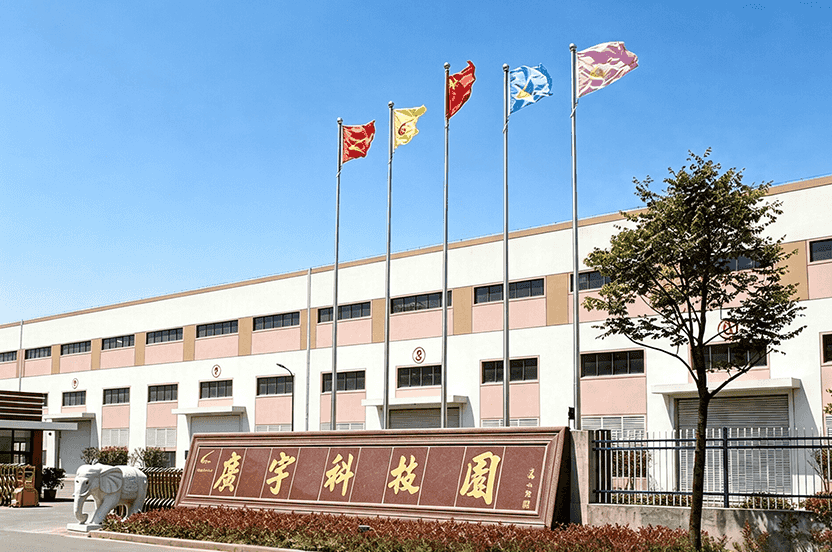
Our Changzhou facility operates a full in-house production loop covering finish machining of roller blanks, CNC precision grinding, mirror polishing, laser texturing, precision hard chrome plating and final comprehensive inspection. The factory is equipped with German-imported multi-beam direct laser engraving machines and fully automated electroplating lines. Annual capacity is published at 20,000+ precision rollers and 800+ embossing and calendering machines.
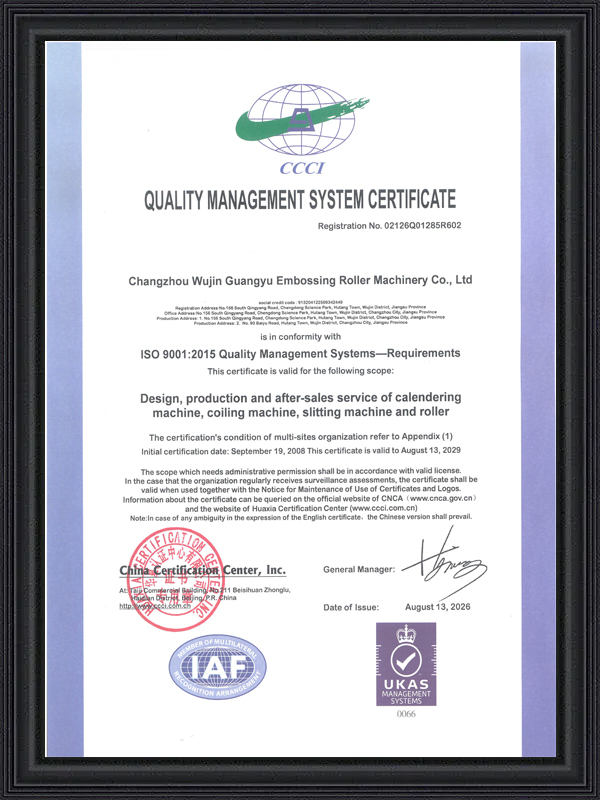
Tissue embossing machines are built under ISO 9001 quality management, carry CE certification, and use EU RoHS-compliant roller materials. Before shipment, transmission components are run and calibrated, and roller parallelism, surface temperature uniformity, pressure distribution and noise level are checked against the machine specification.
Our proposal is based on the working point, material and production target, not on a standard machine template. To prepare a configuration and quotation, we need the following project inputs.
| Project Input | How It Affects the Machine |
|---|---|
| Base paper grammage and web width | Sets roller geometry, pressure range, heating capacity and drive power. |
| Finished product type and ply count | Defines single-ply, two-ply lamination or three-ply nested configuration. |
| Target line speed and shift output | Determines whether a standard, multi-ply or high-end platform is appropriate. |
| Pattern type or customer logo | Selects the roller engraving and confirms pattern depth and repeatability. |
| Roller heating requirement | Defines the thermal oil circulation unit and temperature control range. |
| Existing line interface | Aligns unwind, rewind, control signals and safety interlocks with your converting line. |
Tissue embossing machines are delivered with matched paired rollers, which reduces the frequency of roller replacement and re-grinding cycles compared with machines assembled from third-party components. The cast frame is designed for continuous operation, and the thermal oil circulation system keeps roller surface temperature uniform across the full working width.
Our tissue embossing machines are designed for 12 to 60 g/m2 base paper. Closed-loop tension feedback and segmented pressure control allow stable running on very low grammage paper without tearing or wrinkling.
Yes. The machine supports single-ply embossing, two-ply lamination and three-ply nested embossing with quick changeover. Dot, pearl, willow leaf and square pattern roller sets can be exchanged, and custom logo embossing is available for branded tissue.
We manufacture the rollers in-house and calibrate material grade, hardness and pattern depth to the machine speed, pressure and heating parameters. Roller parallelism is held within 0.004 mm, with pattern depth tolerance of ±0.003 mm.
The base line is available from 1,200 to 2,600 mm at 80 to 180 m/min. The Standard Household Paper platform reaches up to 3,500 mm at 300 m/min, and the high-end platform runs up to 3,800 mm at 400 m/min.
Machines are CE certified and produced under an ISO 9001 quality management system. Roller materials are EU RoHS compliant, and our factory has participated in drafting the industry standard for nonwoven fabric hot-rolling machines.