Changzhou Wujin Guangyu Embossing Roller Machinery Co., Ltd. is a China Lamination and Bonding Equipment Manufacturer and OEM factory. We design and build thermal lamination calendering lines, extrusion lamination coating lines and related multi-roll systems for nonwovens, films, paper and textiles. These lines create multi-layer structures with controlled bonding strength, uniform thickness and stable operation, which is why they are specified in medical protective materials, flexible packaging, automotive interiors, new energy and high-performance composite applications.
Because the same factory machines the rollers, engraves the patterns and hard-chrome plates the surfaces, every line is engineered as one system. Roller section, temperature control, nip loading, web handling and control interface are matched to the product structure rather than assembled from unrelated general-purpose modules.
Our Lamination and Bonding Equipment Range
The range is built around two core line types, each configurable for layer count, working width, line speed and downstream equipment. This family sits inside our broader Material Processing Equipment product group, so lamination can be combined with embossing, calendering, slitting or winding in one production package.
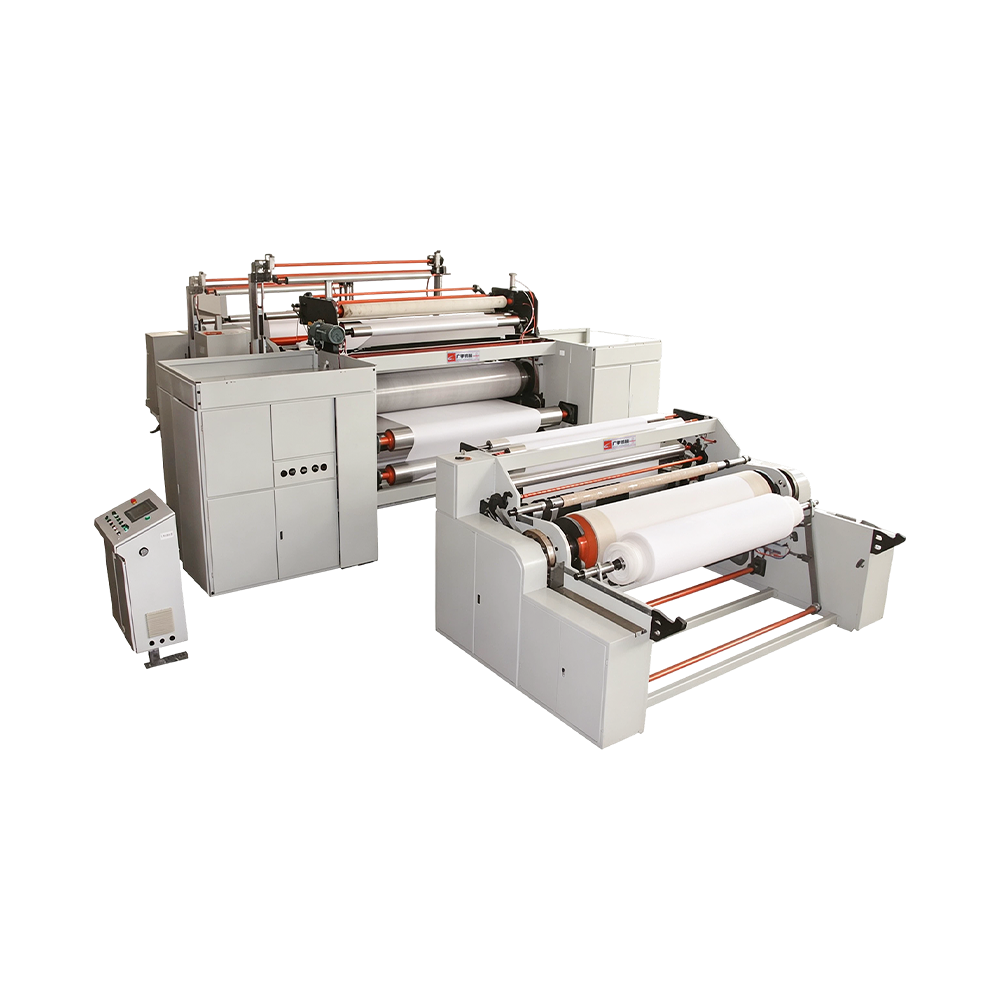
Thermal Lamination Calendering Line
A multi-roll bonding system for heat-pressure consolidation of fiber webs and thermal lamination of nonwoven/film composites. It handles both fiber-to-fiber bonding and adhesion between dissimilar materials such as spunbond, meltblown, film and tissue. See the Thermal Lamination Calendering Line for configuration details.
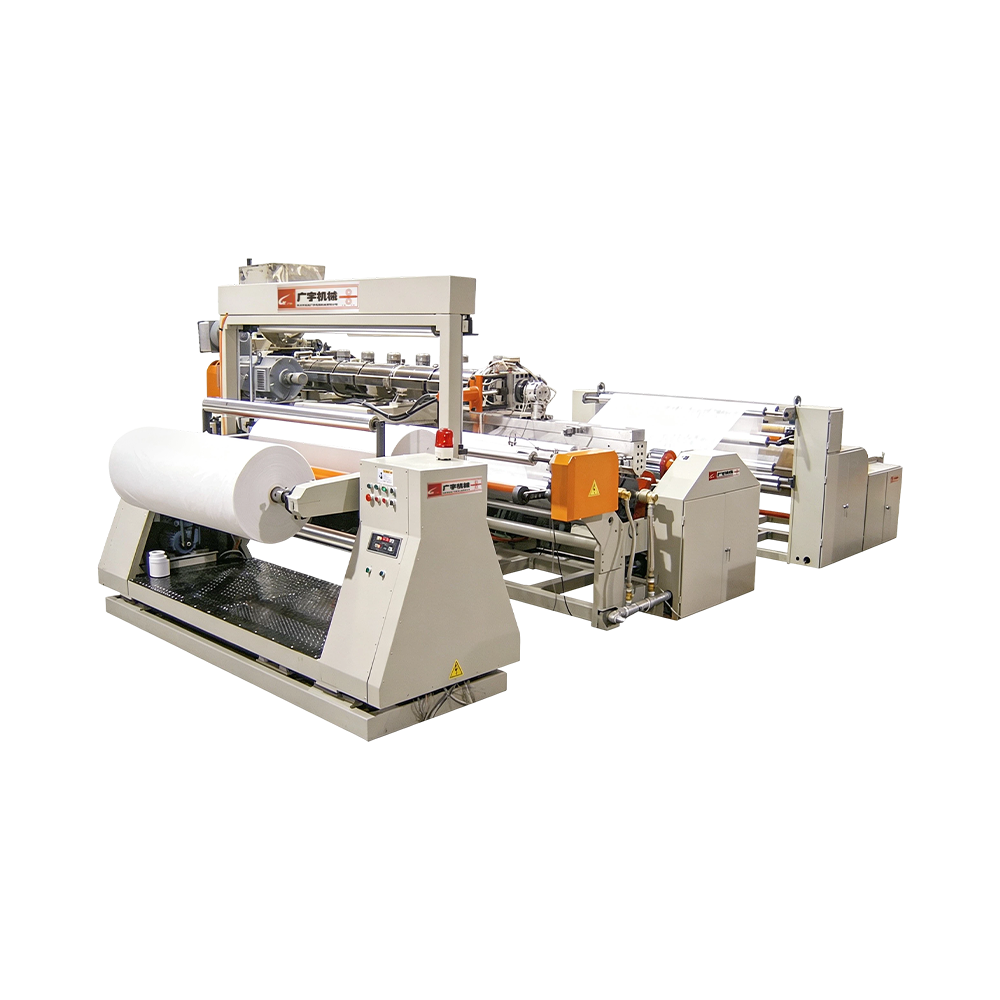
Extrusion Lamination Coating Line
A continuous film-forming and laminating system that integrates extrusion, chill roll casting and substrate lamination in one process. It is used when a polymer layer must be applied directly to paper, film, foil or nonwoven to build barrier, sealing or protective properties. See the Extrusion Lamination Coating Line for process scope.
| Line type |
Process principle |
Materials handled |
Typical applications |
| Thermal Lamination Calendering Line |
Heated multi-roll nip bonding preformed webs or films without an extrusion step |
Spunbond, meltblown, PP/PE films, tissue, textile webs |
Hygiene materials, medical packaging, filtration media, automotive interior layers |
| Extrusion Lamination Coating Line |
Molten polymer extrusion combined with chill roll casting and substrate lamination |
Paper, board, aluminum foil, PET/PP film, woven and nonwoven fabrics |
Flexible packaging, barrier structures, release liners, composite sheets |
Applications and Material Fit
We match the line to the final laminate rather than forcing a standard machine into the process. The common working range covers:
- Hygienic and sterile packaging: medical nonwovens, masks, protective clothing, sterilizable packaging films
- Paper product processing: tissue lamination, paper/film composite, food wrap and sheet packaging
- Automotive interior components: door panels, dashboards, seat covers, acoustic and trim layers
- New energy and electronic materials: separator films, insulating layers and battery-related webs
- Flexible packaging materials: barrier films, coated papers, foil laminates and release liners
- Civil fiber and building decoration: fiberboard, laminated panels and decorative sheet composites
Critical Specifications We Configure
Our proposal is based on the working point, material and production target. We define these variables with each customer before releasing the line for fabrication:
- Finished layer structure and bonding requirement: determines number of unwind stations, nip positions and adhesion mechanism.
- Substrate, basis weight and thickness: sets roller temperature, nip pressure, tension range and cooling demand.
- Working width and line speed: establishes roll face length, drive power, thermal capacity and control response.
- Surface effect: embossed, mirror, matte or structured finish, including pattern depth, repeat and roller crown.
- Web handling and downstream process: edge guiding, splicing, slitting, winding, printing or in-line inspection.
- Utilities and site conditions: heating medium, available power, cooling water, compressed air, floor space and foundation.
Automation Integration, Installation and Acceptance Testing
We configure the control system around the required line interface. Speed synchronization, heating zone regulation, nip pressure control and tension management are coordinated so the lamination line can run in-line with existing unwinds, coaters, printers or slitters. For new lines, the mechanical package is supplied as a complete unit ready for site installation; for existing production, we support retrofits to embossing, calendering or nonwoven finishing lines.
Before shipment, each line is run through a final comprehensive inspection. Acceptance criteria are agreed at the order stage and normally cover bond strength, thickness uniformity, layer alignment, pattern definition and stable operation at the specified line speed. Our service scope includes installation supervision, commissioning, operator training, spare roller supply and scheduled maintenance planning.
Factory Quality Control and Compliance Evidence
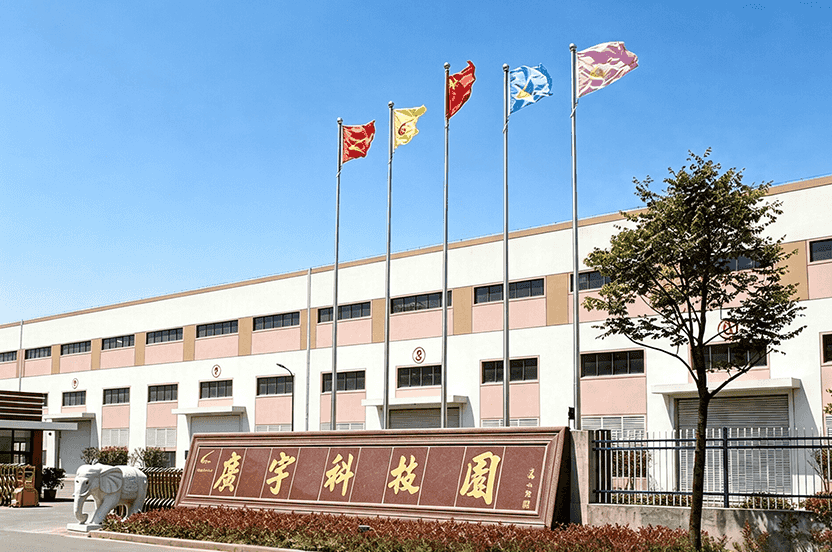
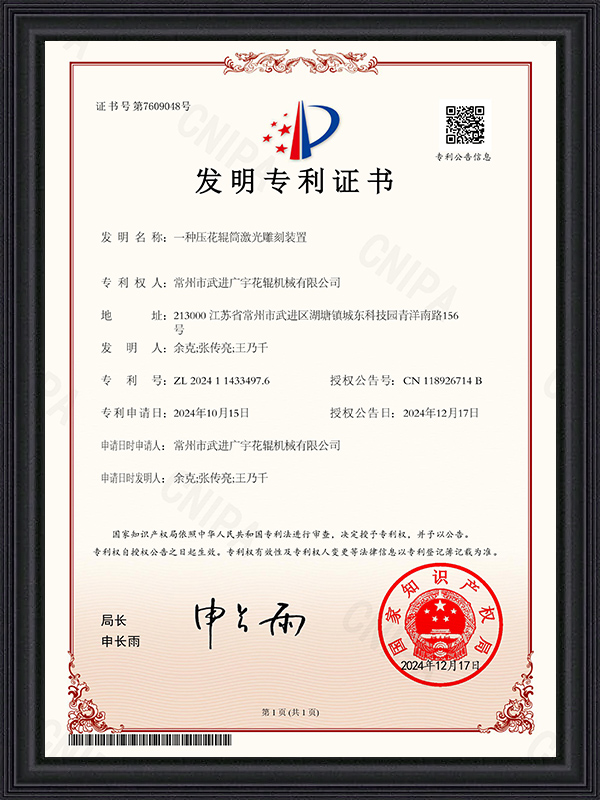
Guangyu operates a closed-loop production line including roller blank fabrication, CNC precision grinding, mirror polishing, laser texturing and hard chrome plating. This gives us direct control over the parts that determine lamination quality: roll geometry, surface finish, hardness and pattern depth.
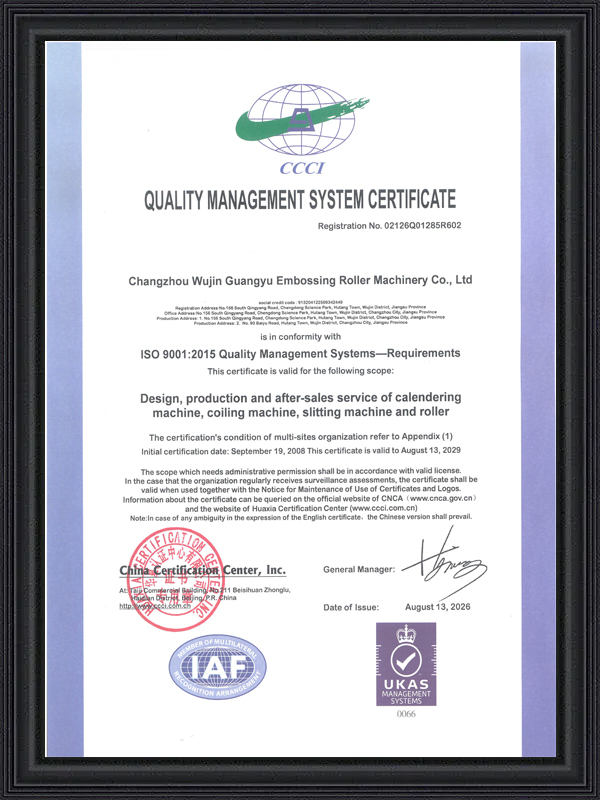
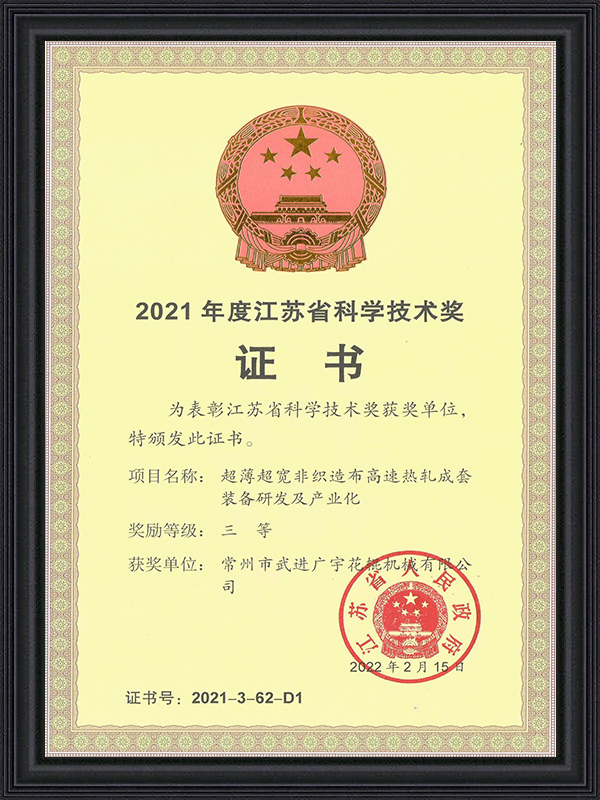
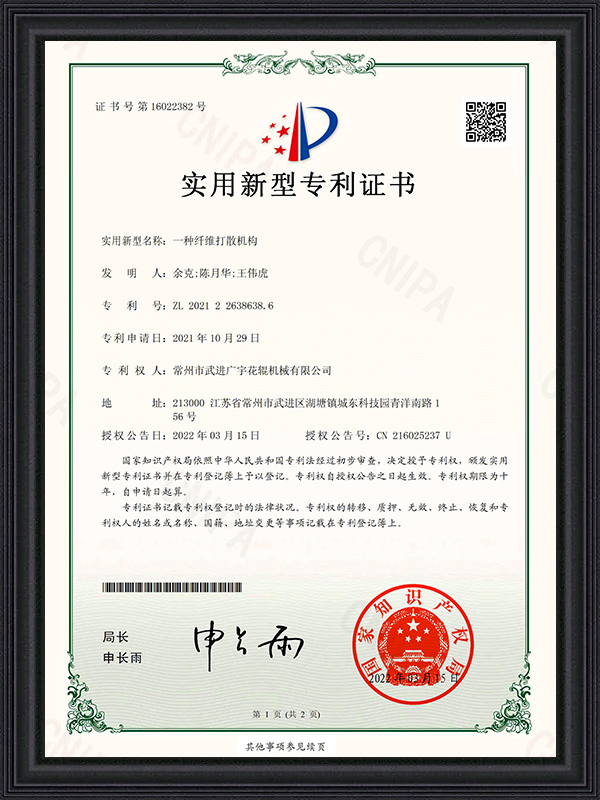
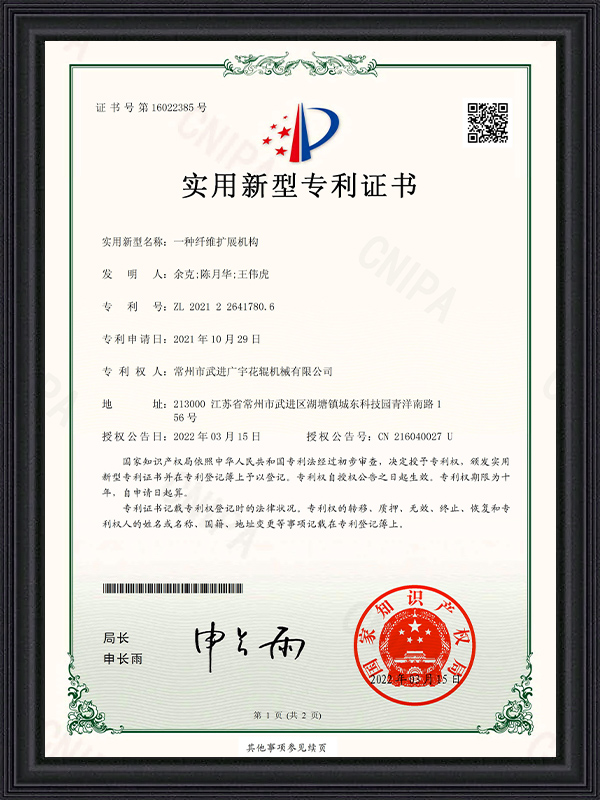
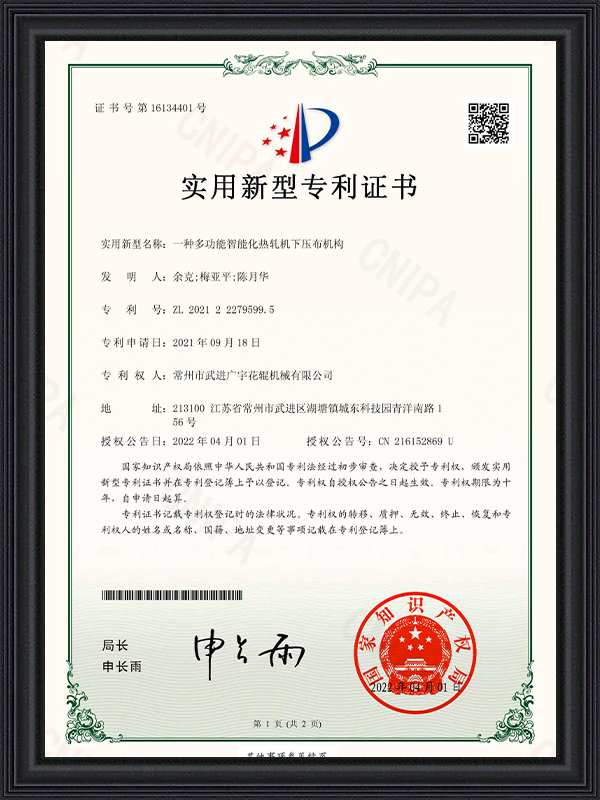
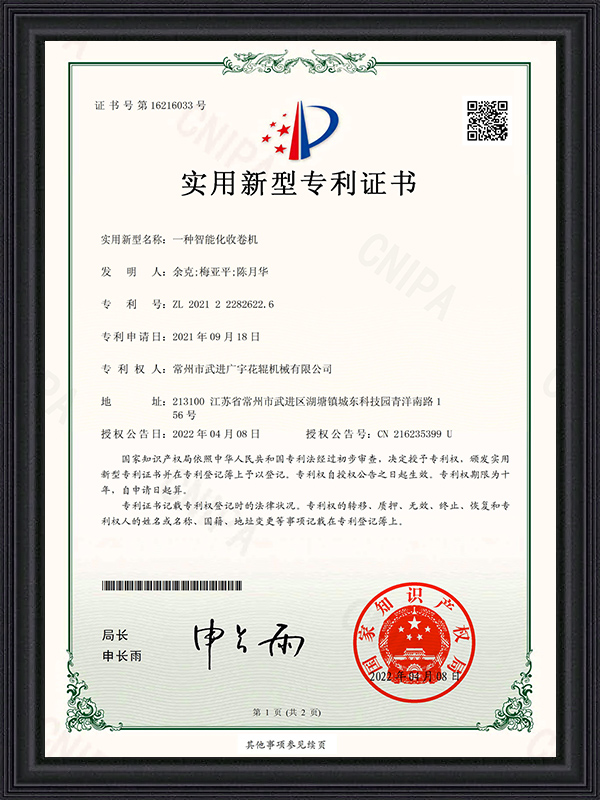
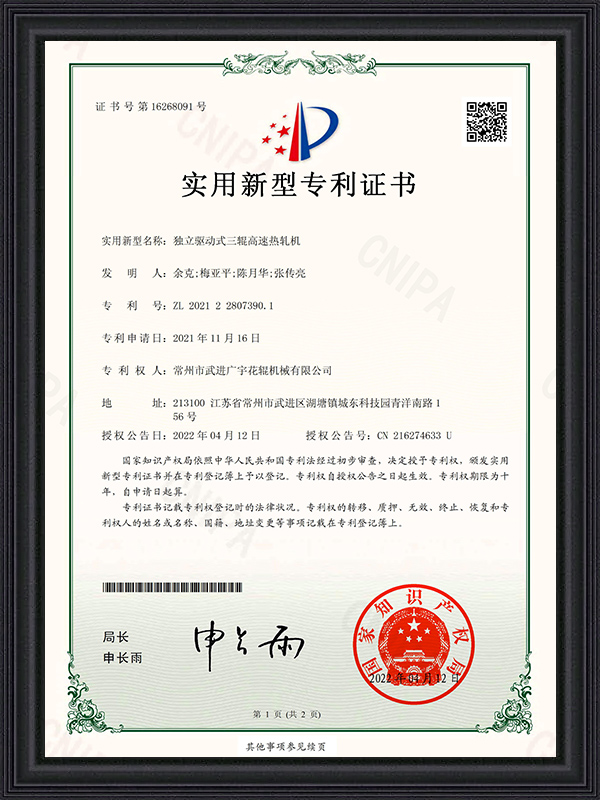
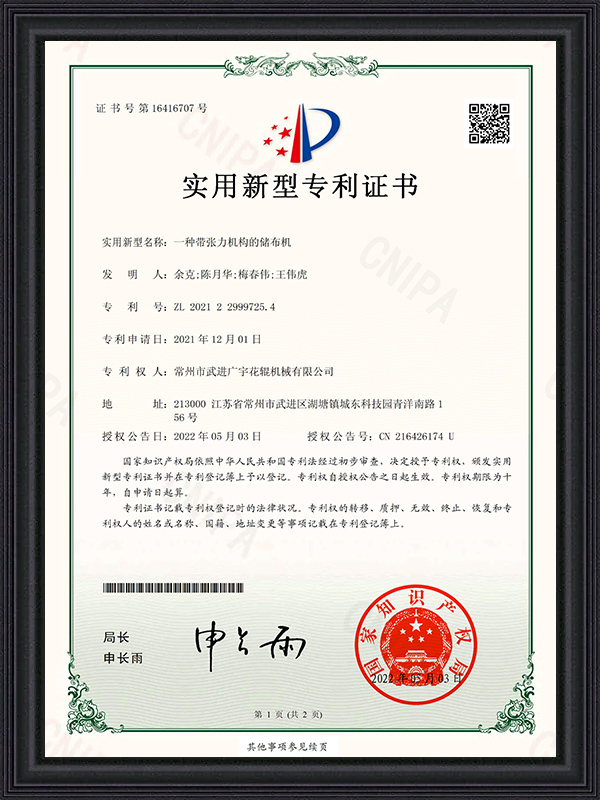
The company holds ISO 9001 quality management system certification and EU RoHS compliance, and has participated in drafting the industry standard for nonwoven fabric hot-rolling machines. Our lamination and bonding equipment product lines are exported to more than 50 countries, supported by in-house technical liaison and after-sales service.
Information We Use to Configure Your Solution
| Project data |
How we use it |
| Layer structure and final laminate |
Selects lamination method, number of nips and unwind stations, and adhesion mechanism |
| Materials, basis weights and widths |
Sets roller face, thermal capacity, nip pressure and tension range |
| Line speed and output target |
Determines drive configuration, cooling capacity and control architecture |
| Surface pattern or finish |
Defines embossing roller engraving, pattern repeat and roll surface treatment |
| Utilities and installation site |
Confirms heating medium, available power, footprint and foundation requirements |
| Compliance and quality requirements |
Agrees inspection points, documentation and acceptance test criteria |
Lamination Line FAQs
What is the difference between your thermal lamination line and extrusion lamination line?
Thermal lamination uses heated nips and pressure to bond preformed webs or films. Extrusion lamination creates the polymer layer in-line by extruding molten resin, casting it onto a chill roll and laminating it to a substrate. The thermal line is preferred for soft nonwoven and film composites; the extrusion line is used when a barrier or sealing layer must be applied in the same pass.
Can you machine custom embossing patterns on the lamination rolls?
Yes. Our in-house laser engraving systems reproduce customer artwork, product textures or existing patterns, and pattern depth and repeat are adjusted for the substrate and line speed. We can also supply replacement embossing rolls for existing production lines.
Do you supply the lamination line as a complete system?
We provide integrated complete-equipment packages covering the lamination section, unwind and rewind stands, control system and downstream interfaces. For customers with existing equipment, we also engineer upgrades and retrofits to embossing, calendering and nonwoven finishing lines.
What project information do you need to prepare a quotation?
We need the finished layer structure, substrate types and basis weights, working width, target line speed, required surface finish or pattern, utilities available on site, and the downstream process. With these inputs we can specify the roller package, heating capacity, drive configuration and control scope.
How do you support maintenance and spare parts?
We provide technical documentation, commissioning support and operator training with each line. Replacement rollers and wearing parts can be supplied from our factory, and our after-sales team supports preventive maintenance planning for overseas customers.


 English
 русский
 Español
 عربى