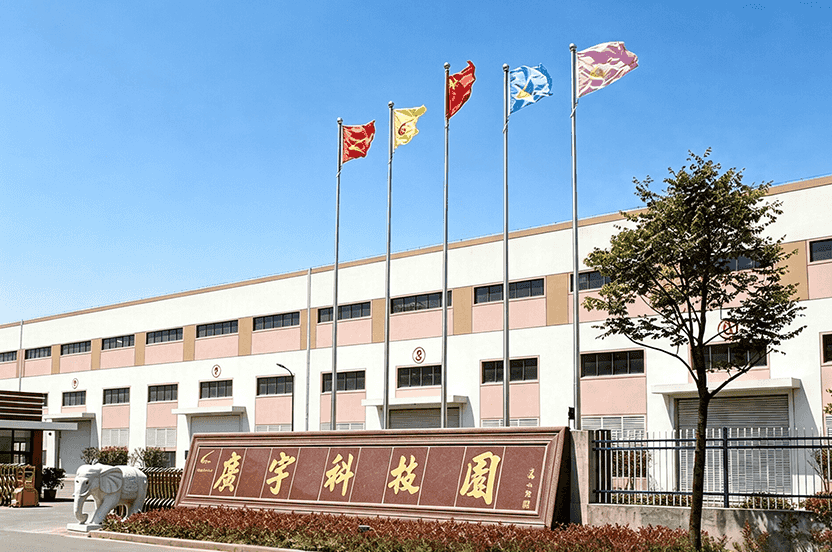
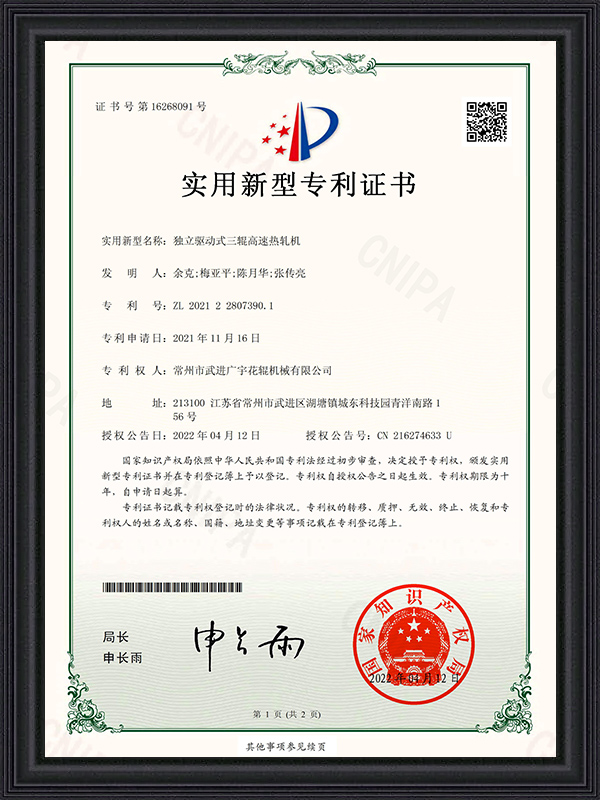
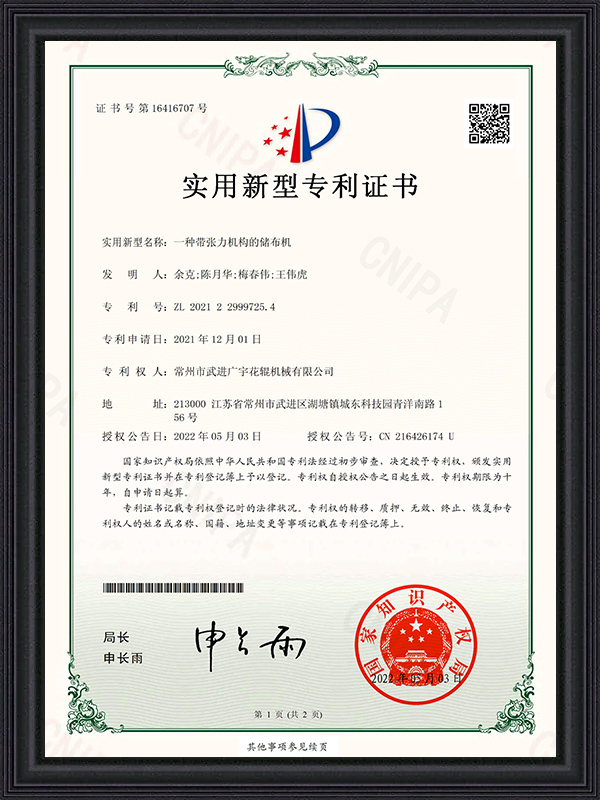
Changzhou Wujin Guangyu Embossing Roller Machinery Co., Ltd. designs and builds Embossing and Calendering Equipment Manufacturer solutions for tissue converters, nonwoven producers, film processors and metal sheet formers. Our machines texture, emboss, calender and finish webs in a single pass, using high-precision rollers with intelligent pressure, temperature and tension control. Because we manufacture both the working rollers and the complete machine in our Changzhou factory, roller hardness, pattern depth and frame stiffness are matched to the specific production line rather than assembled from third-party components.
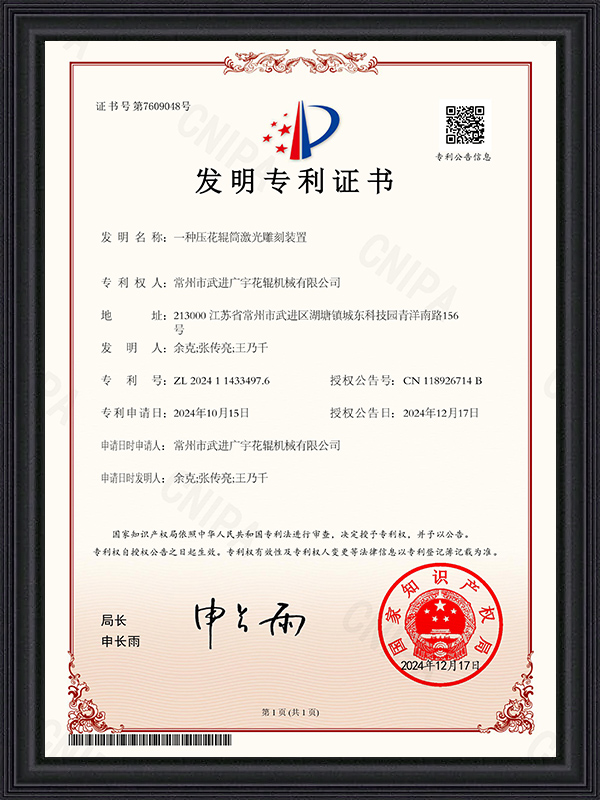
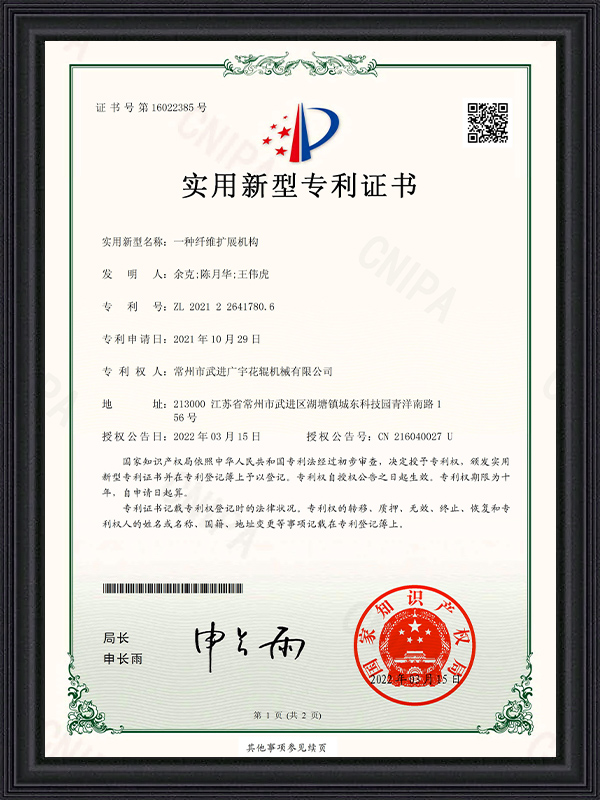
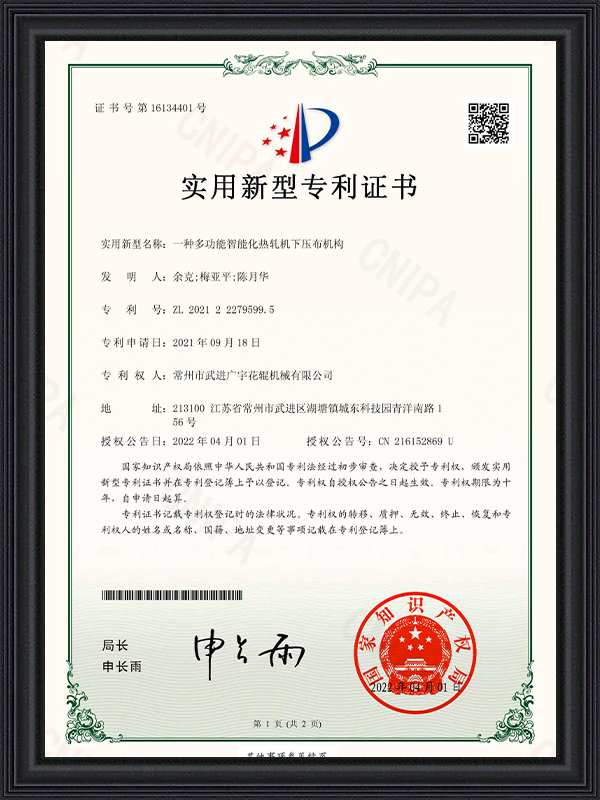
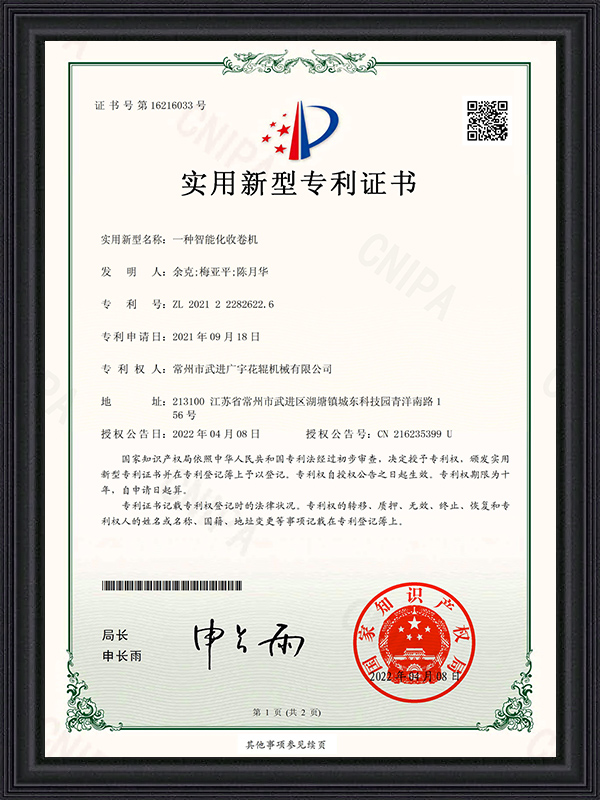
The company operates a closed-loop production process covering roller blank fabrication, laser engraving and hard chrome electroplating. This is also an OEM factory, so we can build to your specification as well as deliver our own machine range. Our current production capacity is sized for more than 20,000 precision rollers and 800 embossing/calendering machines annually, with equipment exported to over 50 countries.
Our Embossing and Calendering Equipment Range
Three machine families cover the majority of embossing and calendering work. Each family is delivered with matched rollers, control systems and line-interface packages, and can be configured from small-batch development through continuous production.
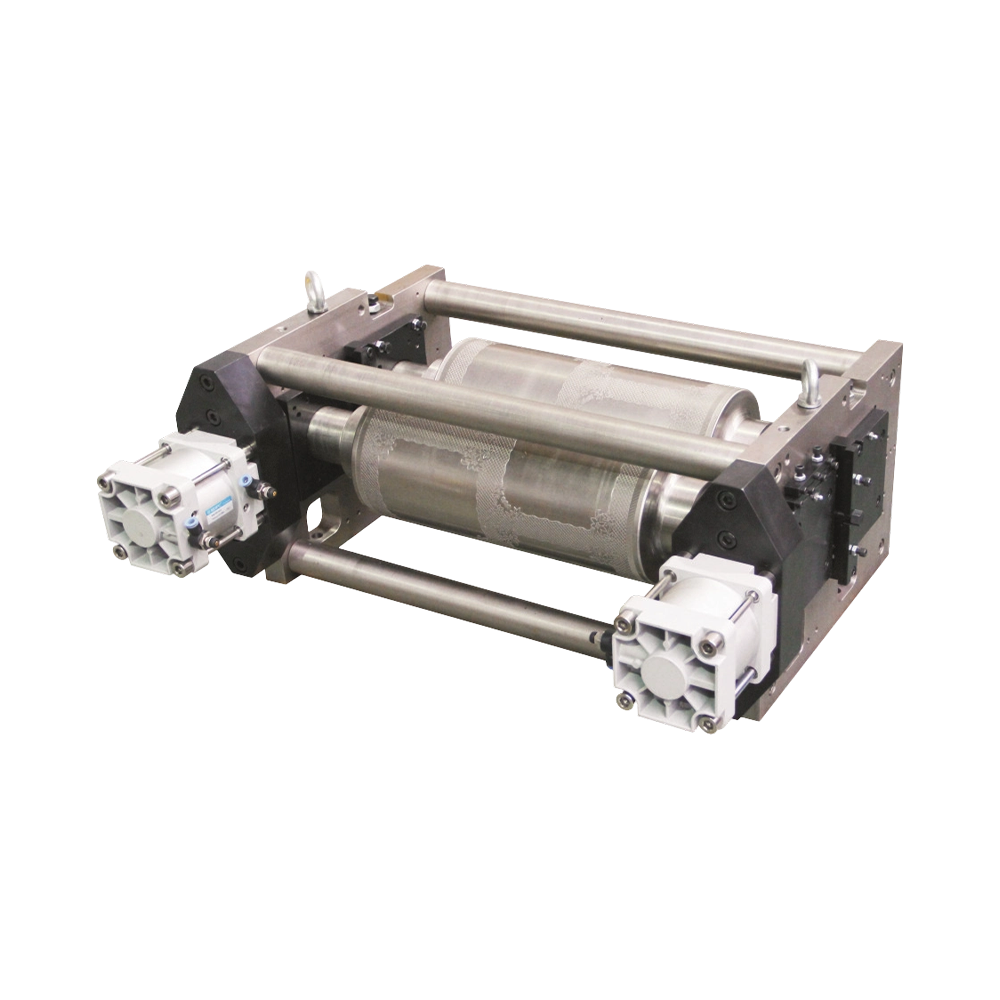
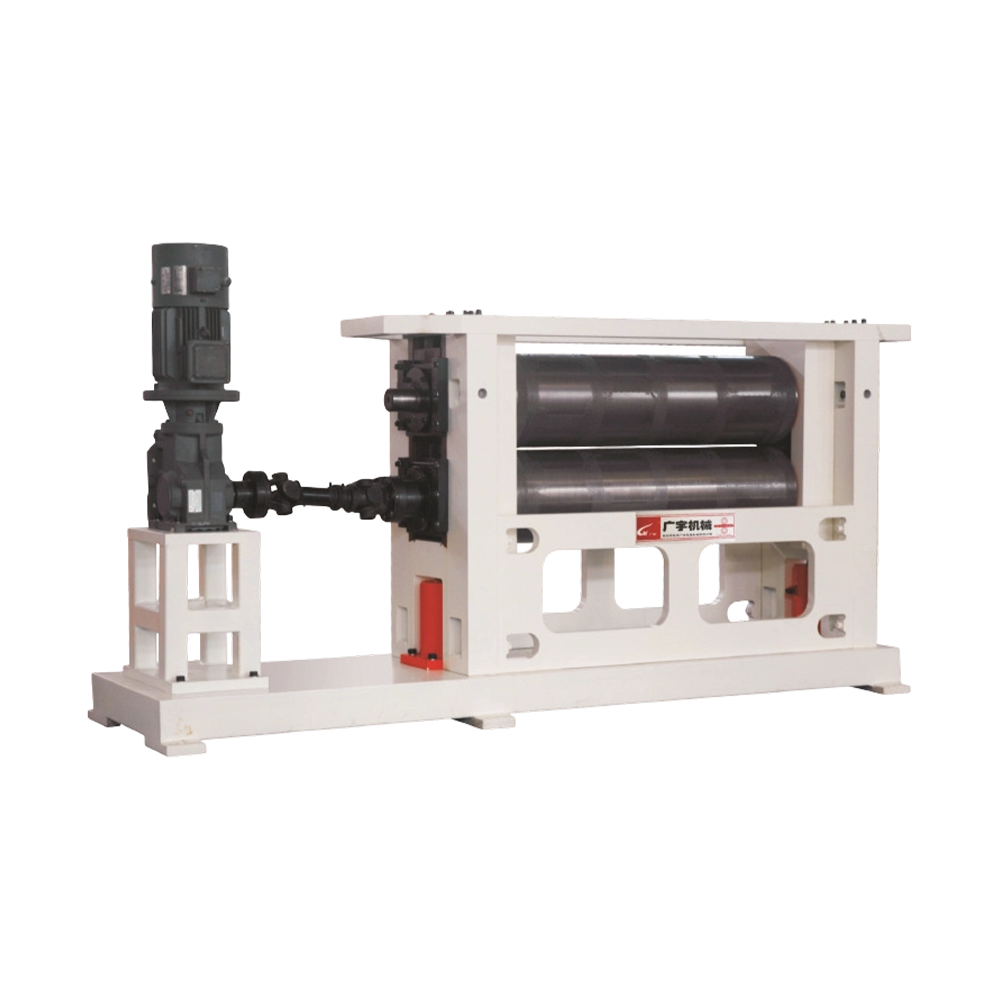
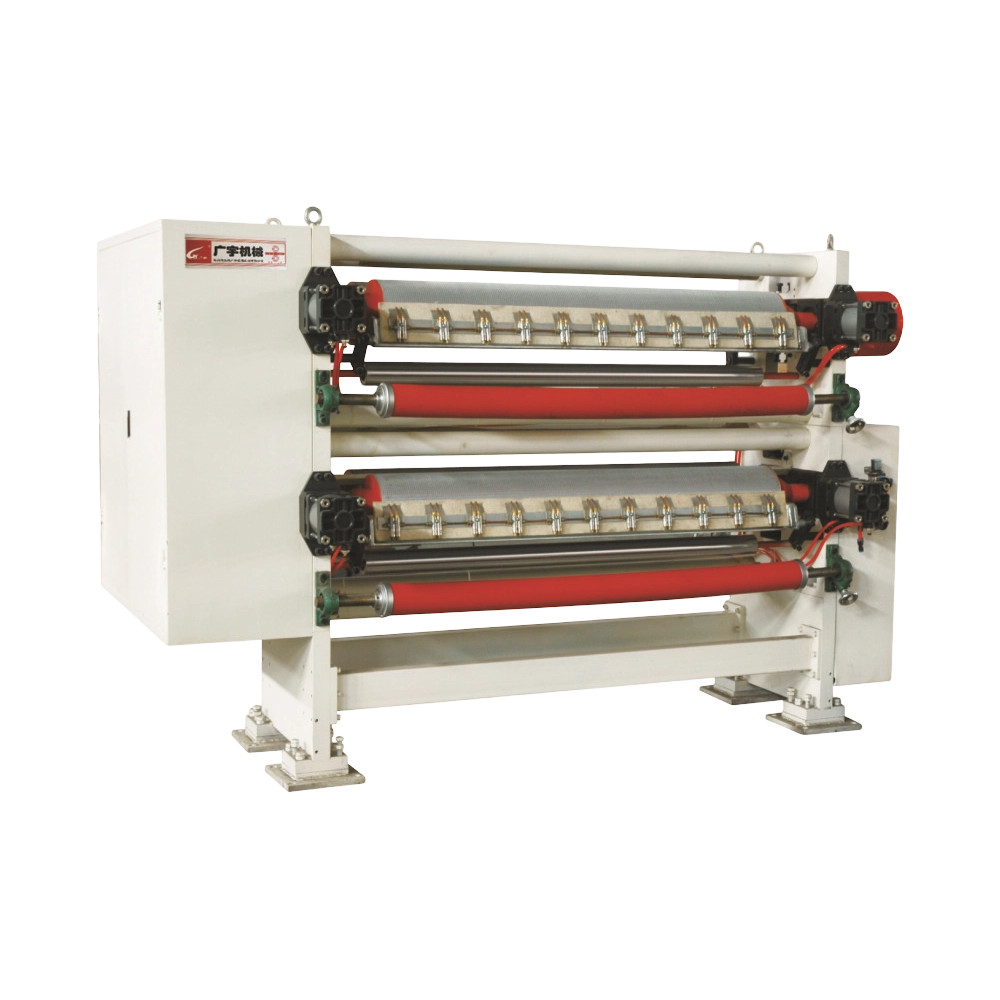
Combines embossing and calendering in one pass for simultaneous front-and-back pattern forming and surface leveling of nonwovens, plastic films, thin metal sheets, paper and synthetic leathers. The synchronized upper/lower twin-roller opposed pressing structure uses independently heated rollers and segmented servo-hydraulic pressure control. This eliminates two-pass flipping, curl, wrinkling and pattern-depth discrepancies, making it suitable for metal decoration, high-end packaging, hygiene products and automotive interiors.
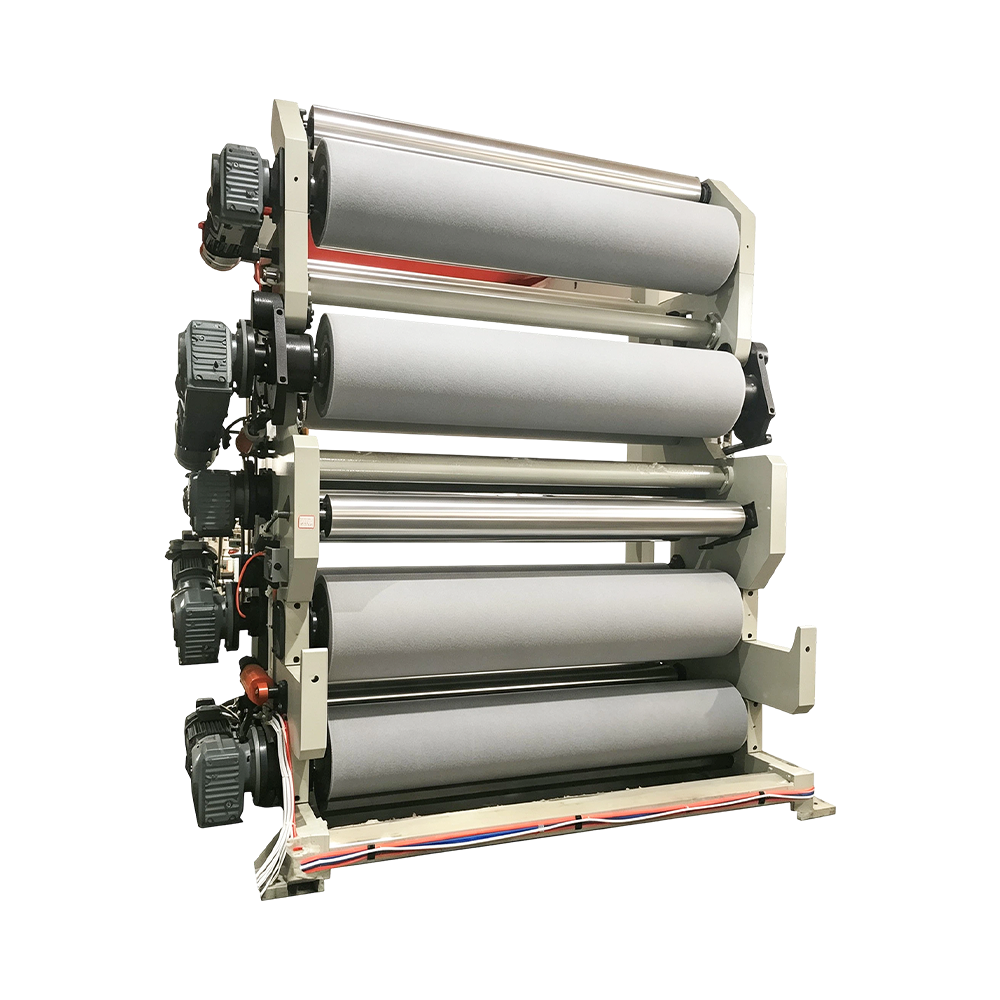
A dedicated converting line for low-grammage tissue from 12 to 60 g/m², producing toilet rolls, facial tissue, napkins and kitchen towels. Available as a standard machine up to 300 m/min and 3500 mm working width, or as a high-end household-paper line up to 400 m/min and 3800 mm width. Multi-lane high-speed versions process two to three webs simultaneously. The machine combines matched embossing rollers, segmented pneumatic pressure control, closed-loop tension regulation and constant-temperature roller heating to protect softness and bulk.
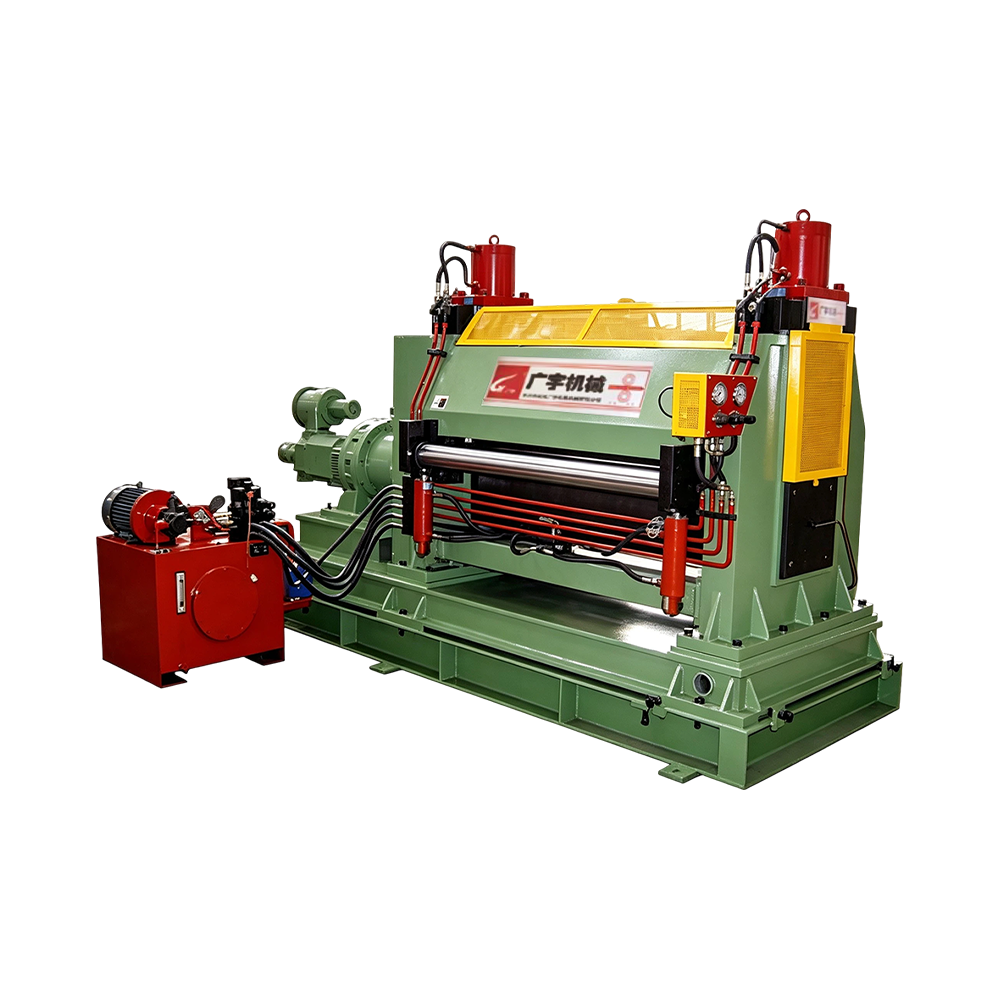
Heavy-duty surface texturing for aluminum, galvanized steel, color-coated steel, stainless steel, cold-rolled steel and copper strip. Supports one-key switching between single-sided and double-sided synchronous embossing modes. Working width up to 1500 mm, sheet thickness from 0.1 to 3.0 mm, yield strength up to 400 MPa and maximum speed 80 m/min. Applications include anti-slip tread plates, decorative building panels, elevator and appliance panels, HVAC heat-exchange plates, container panels and storage rack components.
Application Fit at a Glance
| Material family |
Recommended machine family |
Process notes |
| Tissue and household paper, 12-60 g/m² |
Tissue Paper Embossing Machine |
Low-tension conveying prevents tearing; temperature-controlled rollers keep paper soft and bulky. |
| Nonwovens, films, synthetic leather, paper |
Double-Sided Specialty Embossing & Calendering Machine |
Synchronized upper/lower heated rollers give uniform pressure and temperature across the web width. |
| Aluminum, galvanized steel, color-coated steel, stainless steel, cold-rolled steel, copper |
Single & Double-Sided Metal Sheet Embossing Machine |
Heavy hydraulic pressure, one-key mode switching, and a standard texture library of over 30,000 patterns. |
Engineering Value: Rollers, Heat and Pressure
Rollers are the heart of this equipment, and we control their entire manufacturing loop. Each working roller starts as an integrally forged alloy steel substrate, is engraved with five-axis laser texturing, and receives hard chromium or ceramic surface reinforcement. For double-sided machines, the upper and lower rollers are matched, pre-run-in and calibrated as one set before delivery. Pattern depth tolerance is maintained within ±0.003 mm and parallelism within ±0.004 mm on the specialty and tissue machines, which is what keeps pattern definition sharp over millions of steel-to-steel cycles.
Heavy-duty metal sheet rollers use 42CrMo alloy steel with surface hardness HRC60-65. Thermal control is balanced on both working rollers through internal thermal-oil circulation channels with independent temperature modules. The controlled temperature differential is held within ±0.7 °C on the specialty machine and ±0.8 °C on tissue lines, preventing the curl, warping and faint-pattern defects that occur when only one roller is heated.
- Specialty and metal machines use segmented servo-hydraulic pressure with multi-point feedback and pressure fluctuation below 3%.
- Tissue lines use segmented pneumatic pressure control with nip pressure deviation in the 0.2-0.8 MPa range, adapting to different paper grammages without over-pressed edges.
- The integral cast-steel annealed frame removes internal casting stress and keeps frame deformation within tight limits for 24/7 operation.
Controls, Automation and Line Integration
Every machine is supplied with PLC-controlled variable-frequency drive systems and can be integrated with uncoilers, edge guides and tension winders. Closed-loop tension control holds low-grammage tissue webs from start-up through deceleration, avoiding web breaks and wrinkling. The metal sheet embosser uses optimized gearbox transmission with synchronized PLC control to keep wide sheets running straight without lateral deviation.
One-key switching changes the metal machine between single-sided and double-sided synchronous modes without re-tooling. Multi-lane tissue configurations process several base paper webs simultaneously across one working width, increasing output without additional floor space. We configure the control interface around your line signals and existing automation, and we can coordinate the machine with upstream and downstream equipment during project planning.
Quality Assurance and Factory Acceptance
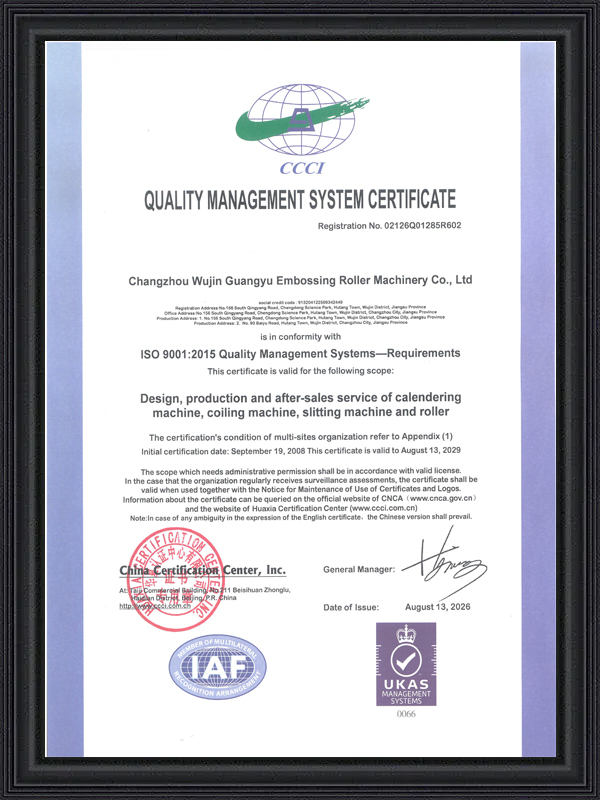
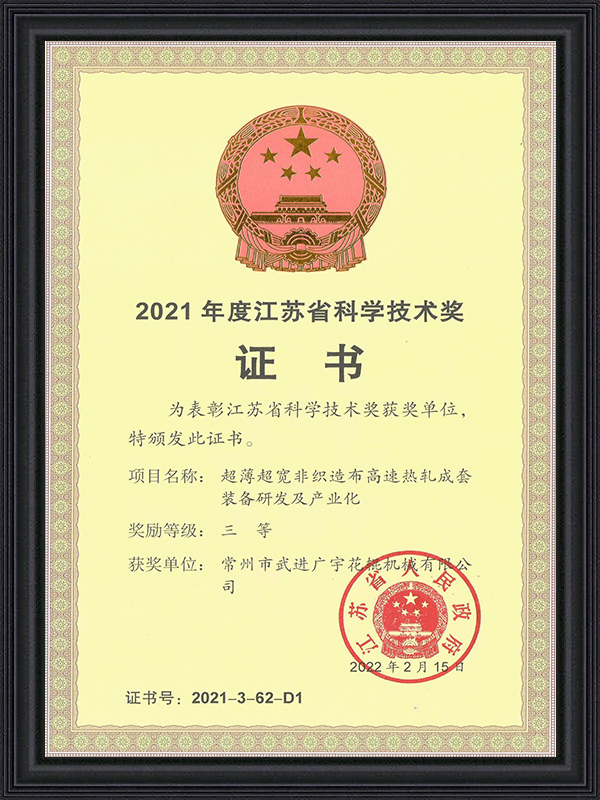
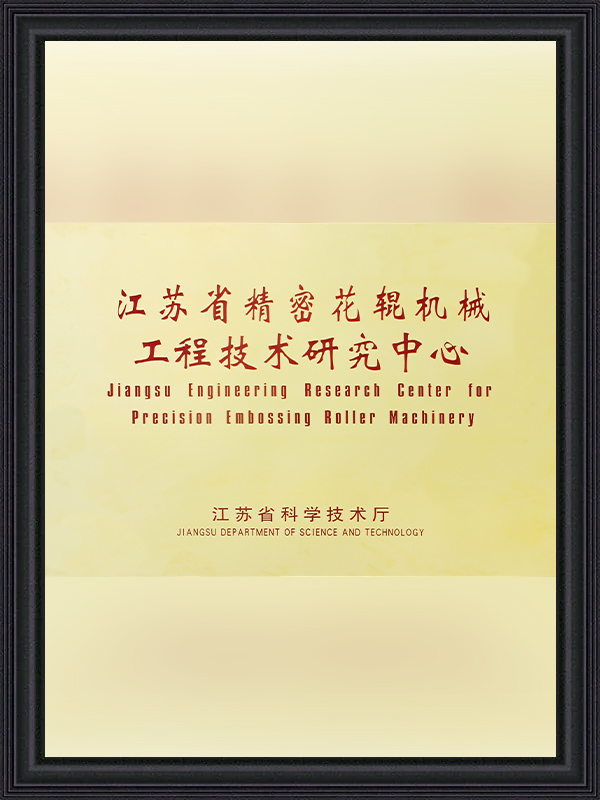
Quality is built in our own factory rather than outsourced. The closed-loop process covers finish machining of roller blanks, CNC precision grinding, high-precision mirror polishing, laser texturing, precision hard chrome plating and final comprehensive inspection. We hold ISO 9001 and EU RoHS certification, and our technical team participated in drafting the industry standard for nonwoven fabric hot-rolling machines.
Frames are stress-relief annealed, transmission components are pre-run calibrated, and rollers are checked for geometry, pattern depth, pressure distribution and temperature uniformity before shipment. The acceptance protocol is agreed at project kick-off and is based on your material, pattern and production target. For tissue machines, no-load noise is controlled to no more than 72 dB.
Information We Use to Configure Your Solution
To prepare a precise machine configuration and quotation, we work from the actual production parameters rather than a standard template. Send us the following details with your enquiry:
| Project input |
Why it matters |
| Material grade, grammage or sheet thickness |
Determines roller material, coating, pressure range and heating requirement. |
| Working width and target line speed |
Sets frame size, drive power, transmission ratio and control system. |
| Single-sided or double-sided mode and pattern artwork |
Controls laser engraving, roller matching and registration requirements. |
| Line interface: unwind, rewind, edge guide, existing drives |
Determines whether the machine operates standalone or integrated into a continuous line. |
| Thermal requirements and temperature range |
Defines thermal-oil flow channels, heater capacity and control modules. |
| Utilities and floor layout |
Confirms power supply, compressed air, cooling and installation access. |
| Acceptance and documentation requirements |
Sets the test protocol, drawings, certificates and compliance evidence needed for your project. |
Service, Spare Parts and Maintenance
Roller life is a maintenance issue, and because we manufacture rollers in-house, refurbishment and re-engraving can be coordinated directly with the machine builder. Matched roller sets reduce replacement frequency, and the metal machine frame deformation is held to no more than 0.03 mm under full load, with stable service life exceeding eight years without recalibration.
Overseas projects are supported by end-to-end technical liaison and comprehensive after-sales maintenance. Replacement roller sets, engraving services and spare parts can be supplied to the original machine specification, which keeps the machine productive across its full service life.
Frequently Asked Questions
What is the maximum speed and width for a tissue line?
Our standard tissue machine runs up to 300 m/min across a 3500 mm working width. The high-end household-paper line reaches 400 m/min and 3800 mm, while multi-ply machines process two or three webs simultaneously at 3500 mm width. We select the drive, tension and roller package based on your base paper and production target.
Can one metal sheet machine produce both single-sided and double-sided patterns?
Yes. The Single & Double-Sided Metal Sheet Embossing Machine switches modes with one key, without re-tooling. It handles aluminum, galvanized steel, color-coated steel, stainless steel, cold-rolled steel and copper strip from 0.1 to 3.0 mm, at line speeds up to 80 m/min and widths up to 1500 mm. Double-sided registration is maintained within 0.015 mm.
What pattern options are available?
We carry a standard texture library of more than 30,000 patterns for metal sheets and develop custom patterns from customer samples or artwork. Laser engraving is done in-house, so pattern depth, direction and repeat distance can be tailored. For tissue and nonwoven lines, engraving is matched to the paper grammage or web structure.
How do you prevent curling on double-sided work?
Instead of heating only one roller, our specialty machines have independent thermal-oil circulation in both upper and lower rollers. Temperature differential across the set is held within ±0.7 °C, so both sides receive the same heat and pressure. The result is flat, warp-free material with consistent pattern depth on both faces.
What project information do you need for a firm proposal?
Send the base material details, working width, target speed, single-sided or double-sided mode, pattern artwork or reference, and line interface. If you have existing unwind or rewind equipment, include its parameters. We use those inputs to prepare machine configuration, roller specification, control layout, documentation and quotation.


 English
 русский
 Español
 عربى