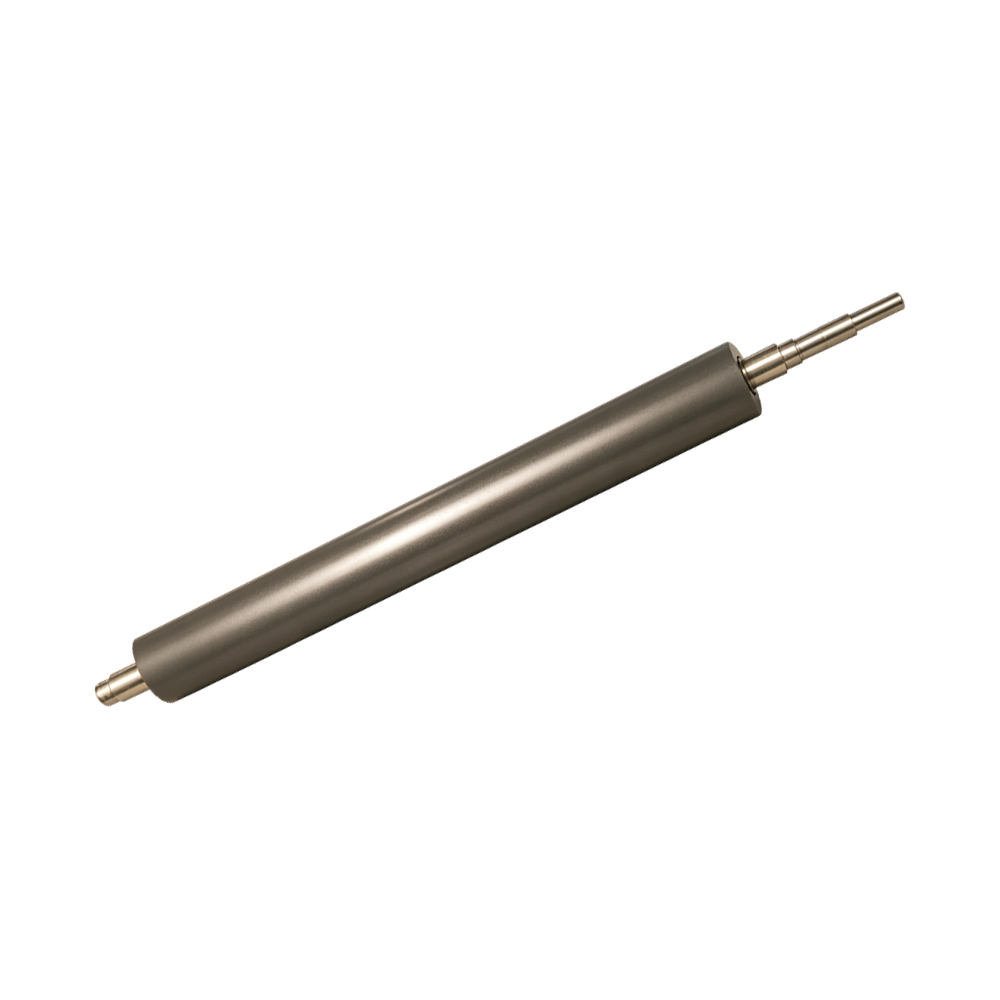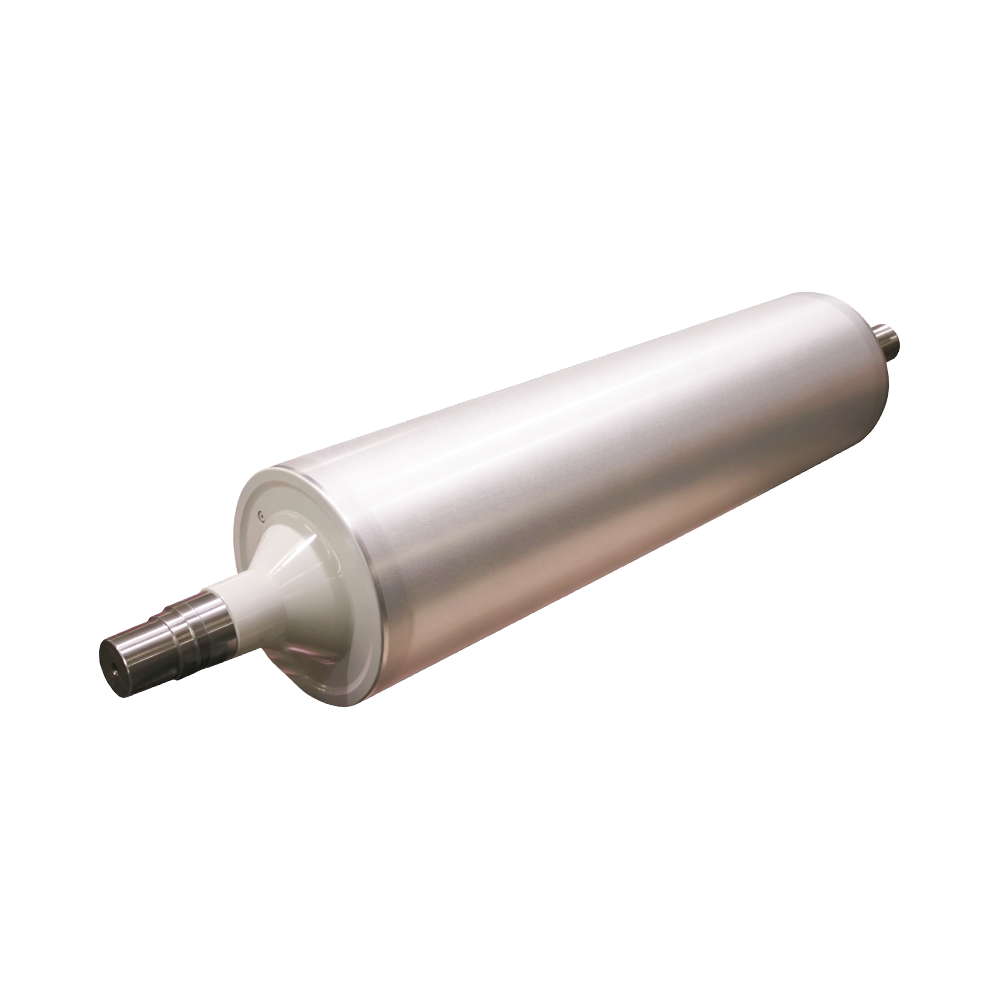
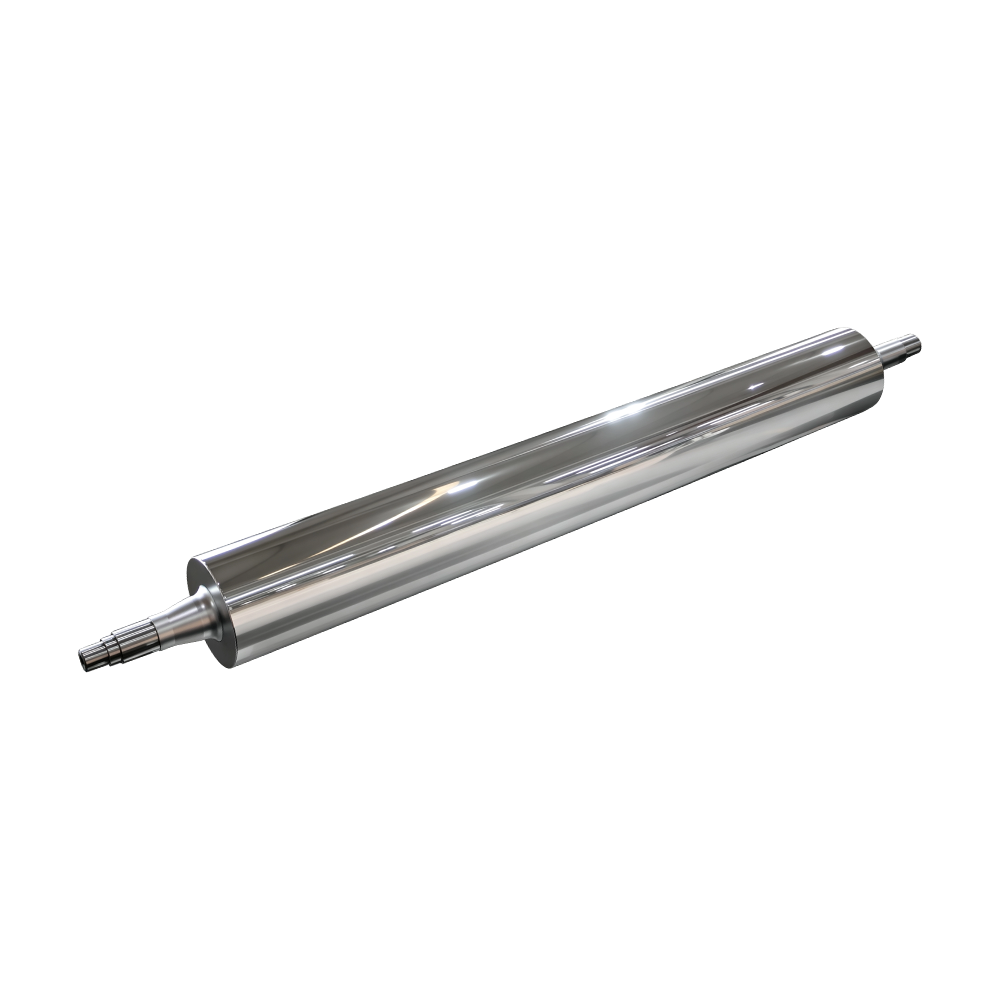
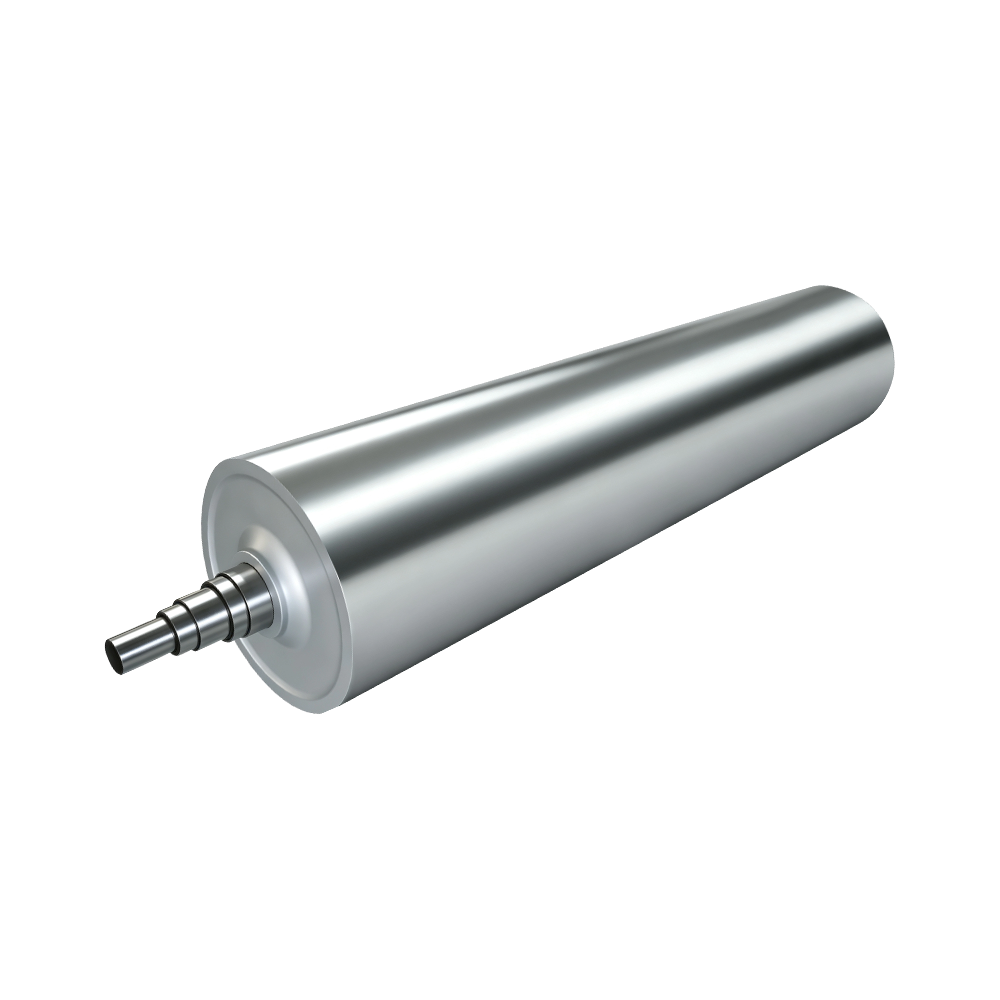
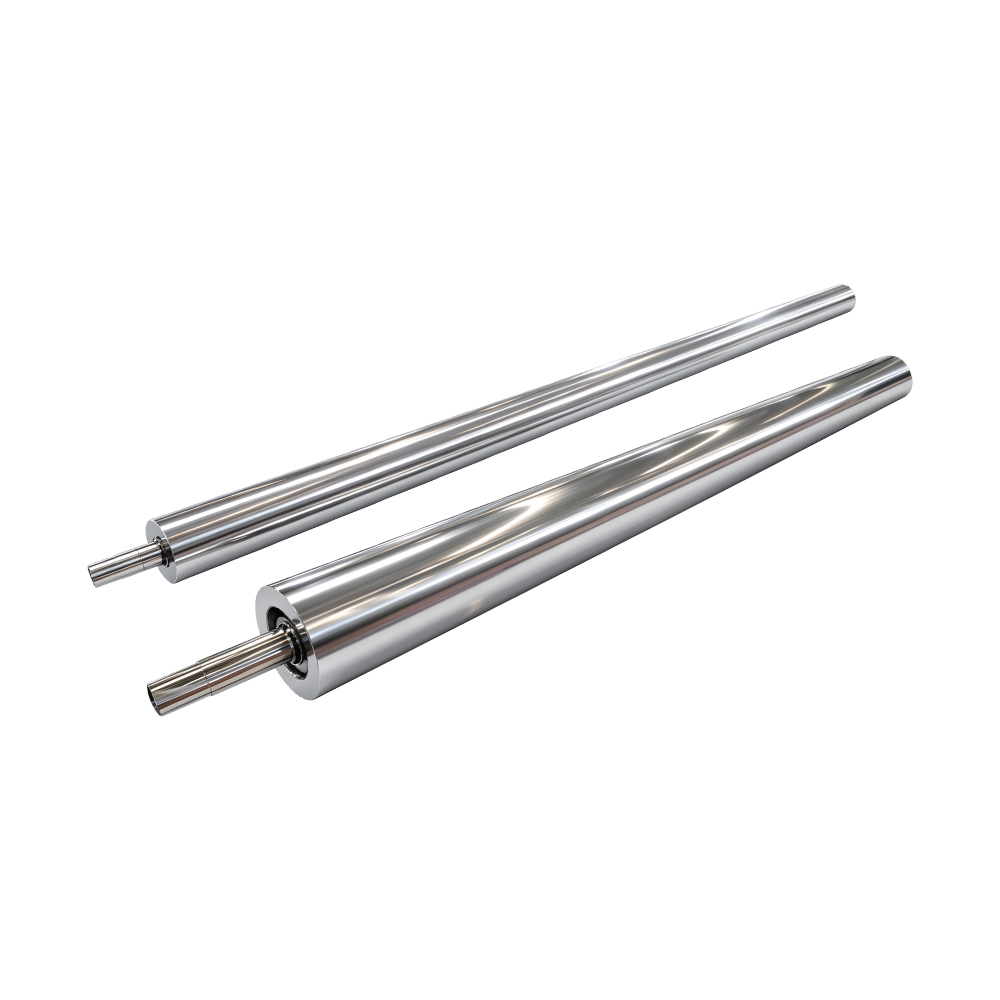
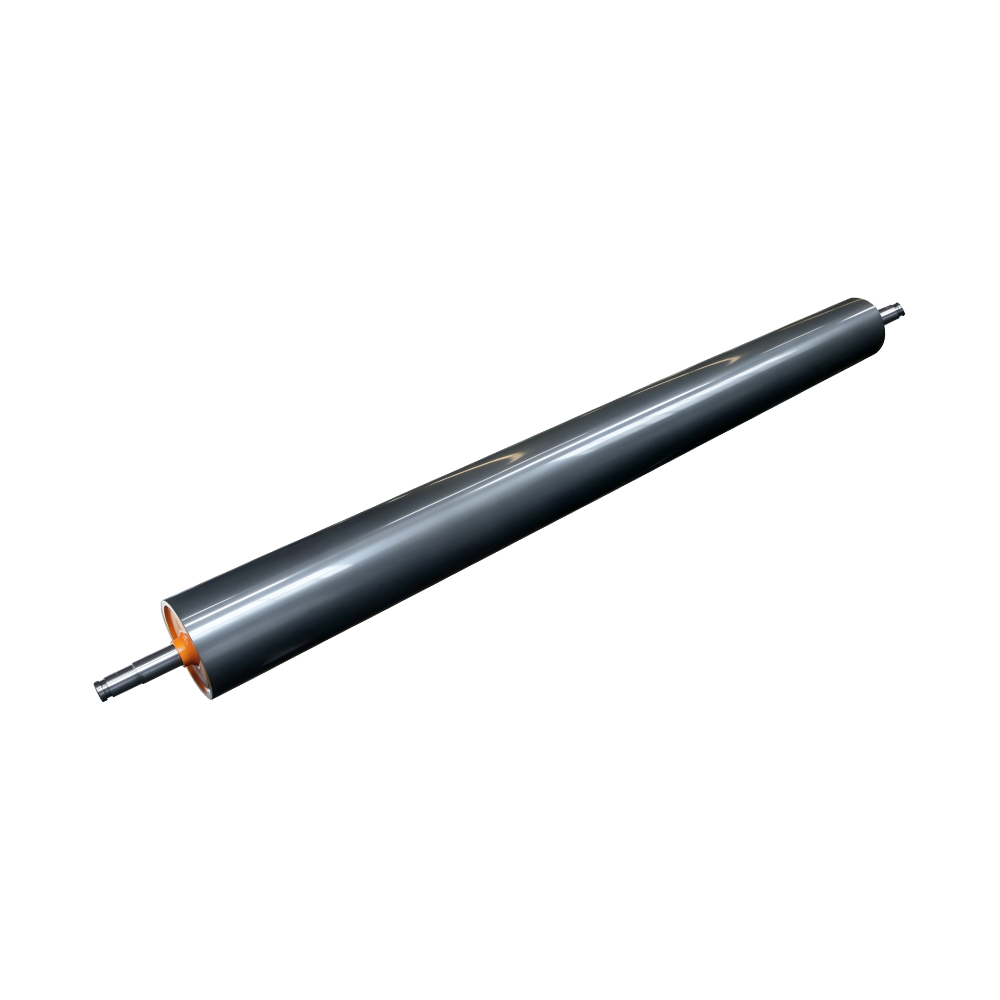
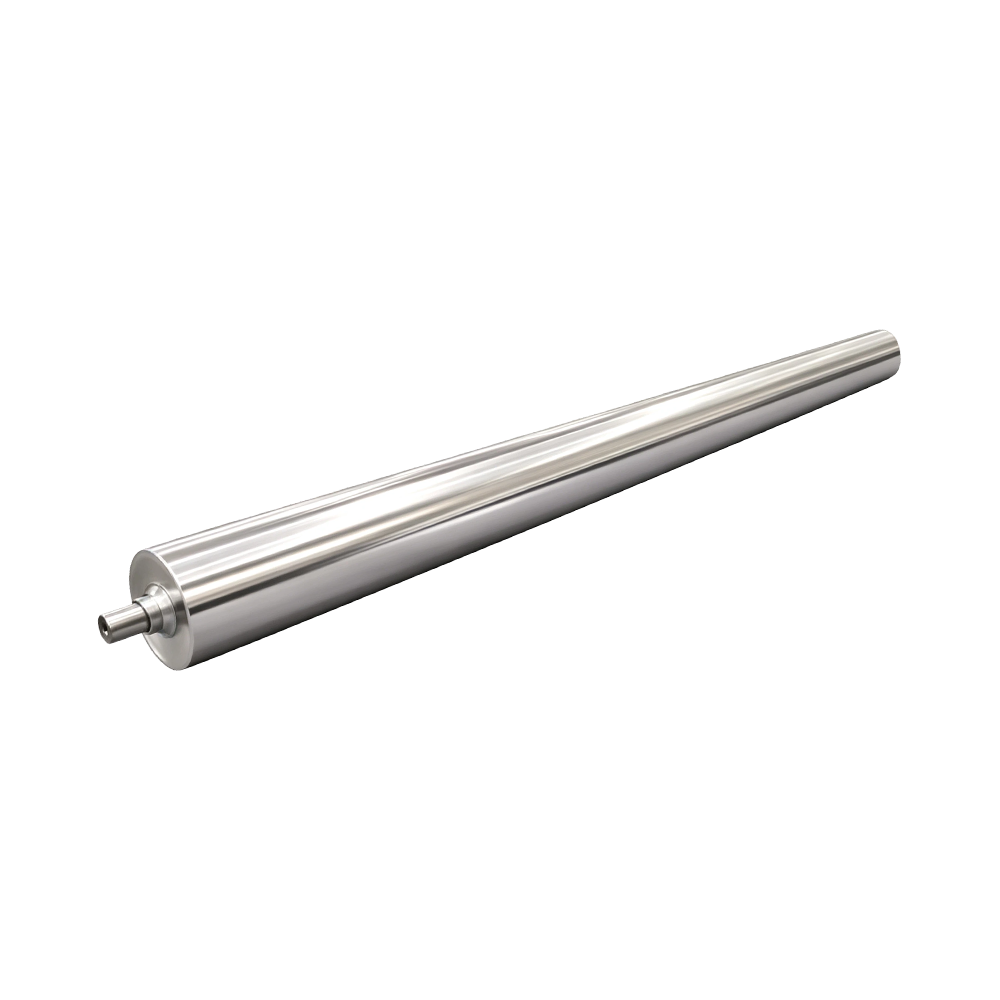
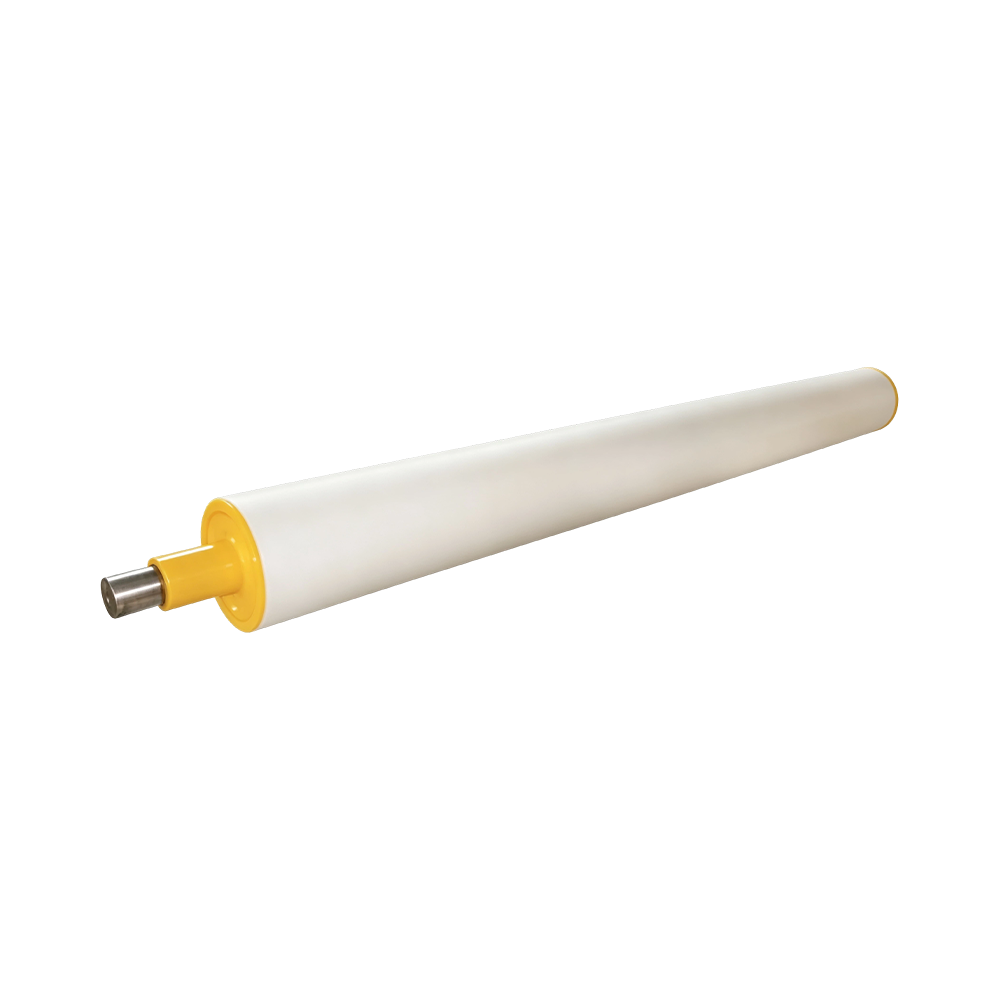
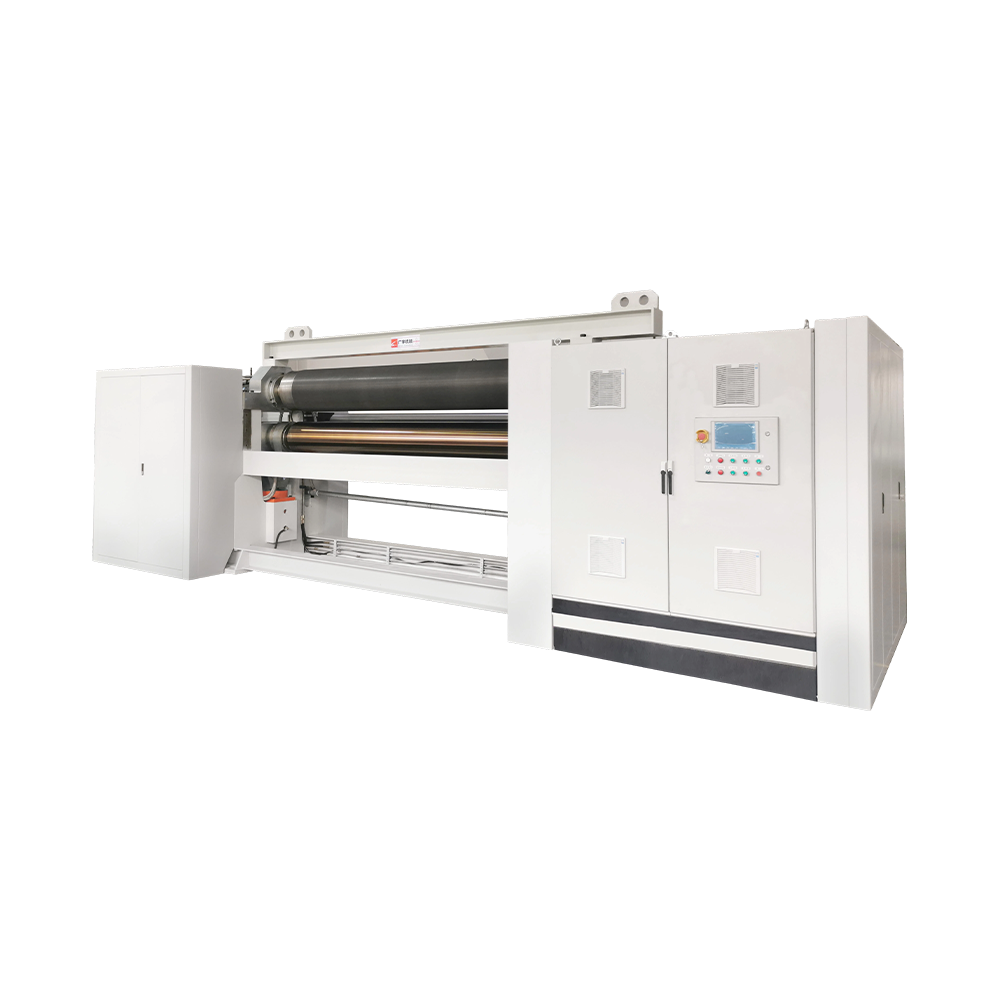
·Composite structure design distinguishes this product from conventional coated rollers or solid ceramic rollers. The steel core provides the mechanical strength required for wide-width, heavy-load production lines, avoiding the brittle fracture risk of pure ceramic rollers. The transition buffer layer eliminates thermal stress differential between the ceramic layer and metal substrate, preventing cracking and peeling under high-temperature cycling. The dense surface layer with no through-pores blocks melt and chemical medium penetration that could attack the substrate. The zirconia ceramic surface layer is formed through plasma spraying with high bonding strength to the substrate and no peeling risk under long-term operation.
·The plasma-sprayed high-purity zirconia ceramic surface layer features extremely low surface energy. When processing PLA, PVC, EVA, and hot-melt nonwoven melts, it does not accumulate low-molecular-weight additives or generate carbonized paste marks, eliminating surface pitting, stringing, and contamination defects on films. Even with anti-stick coatings, conventional alloy steel rollers still experience material adhesion under long-term high-temperature conditions. The ceramic material's inherent hydrophobic and oleophobic properties achieve long-lasting anti-stick performance without additional coatings.
·High-purity zirconia ceramic exhibits strong chemical inertness, unaffected by mild acids, alkalis, or organic additives. Metal rollers are prone to pitting and rust spots in acidic degrading films, medical disinfectant nonwovens, and lithium battery separator slurry environments. The ceramic surface layer maintains pattern integrity without corrosion-induced pattern distortion over long production runs. Salt spray resistance exceeds that of hard chrome-plated rollers by more than 4 times, ensuring stable operation with highly reactive chemical materials.
·The thermal expansion coefficient of ceramic is significantly lower than that of various alloy steels. During temperature cycling between 80–240℃, pattern depth and roundness deformation remain minimal. Metal rollers require recalibration of nip clearance with every temperature change, while ceramic rollers substantially reduce adjustment frequency, achieving stable production rapidly and reducing trial waste.
·Surface microhardness HV1300–1450 effectively resists continuous friction from hard fillers including calcium carbonate, talc, and fiberglass. Metal roller pattern edges gradually wear, resulting in blurred patterns and diminished three-dimensional effects. Under identical conditions, ceramic surface pattern service life is 150% longer than conventional chrome-plated embossing rollers, significantly extending re-engraving cycles.
·The insulating properties of ceramic material reduce static accumulation generated by high-speed friction. Metal rollers, being conductive, easily cause winding deviation and dust attraction during high-speed operation. On optical films, ultra-thin release films, and lithium battery separator high-speed lines, ceramic rollers significantly improve surface cleanliness and enhance finished product yield.