

 English
 русский
 Español
 عربى

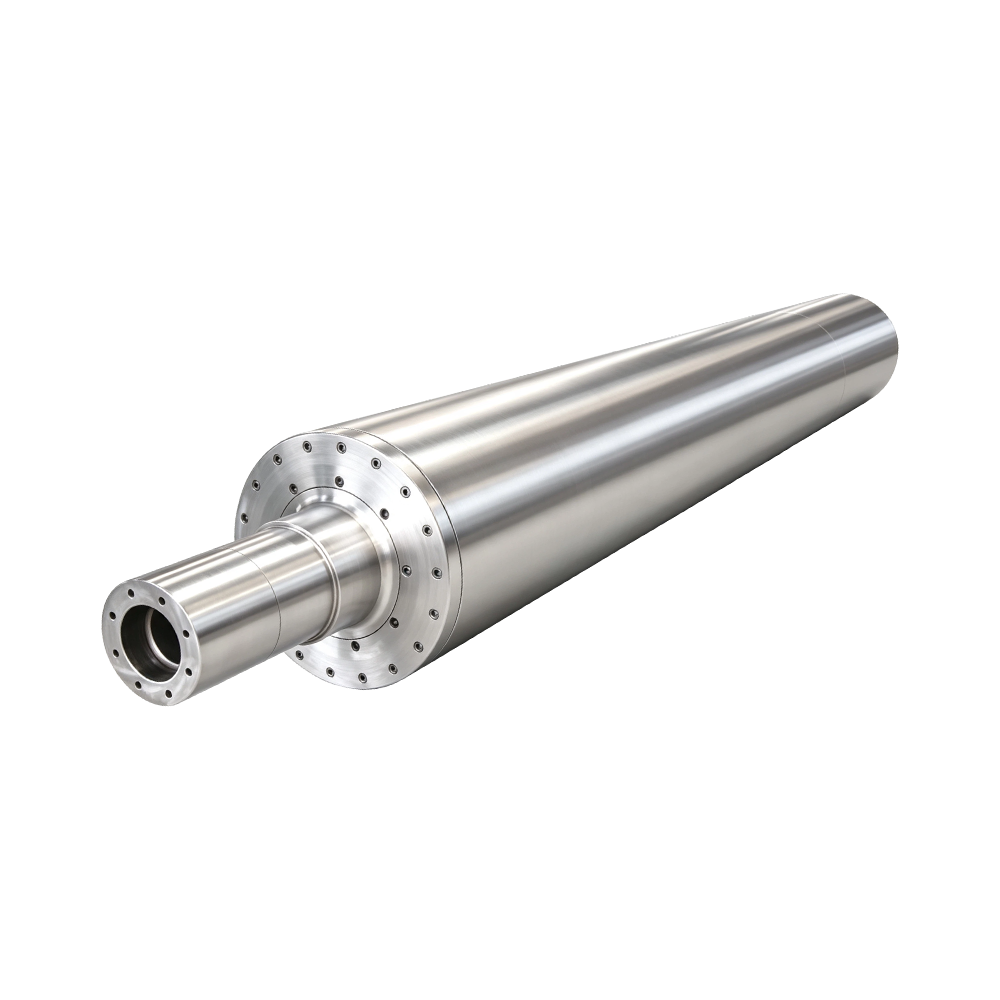
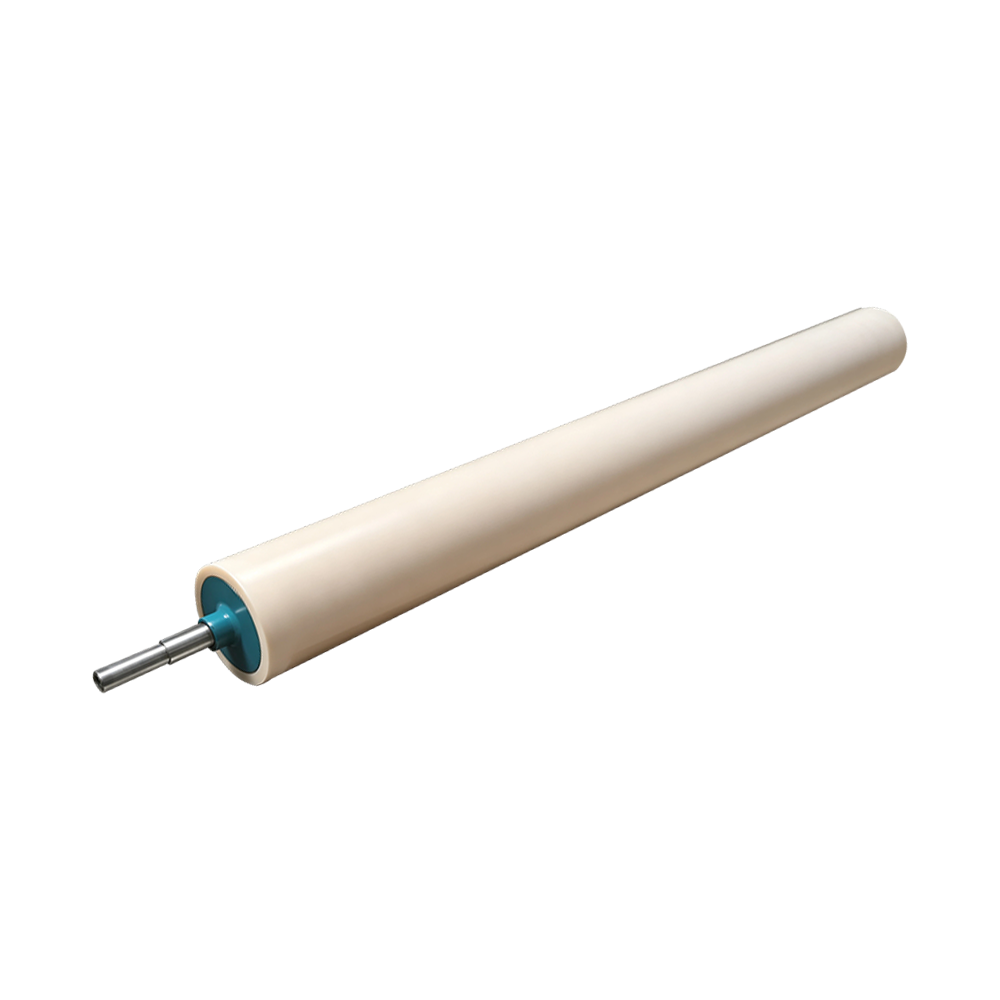
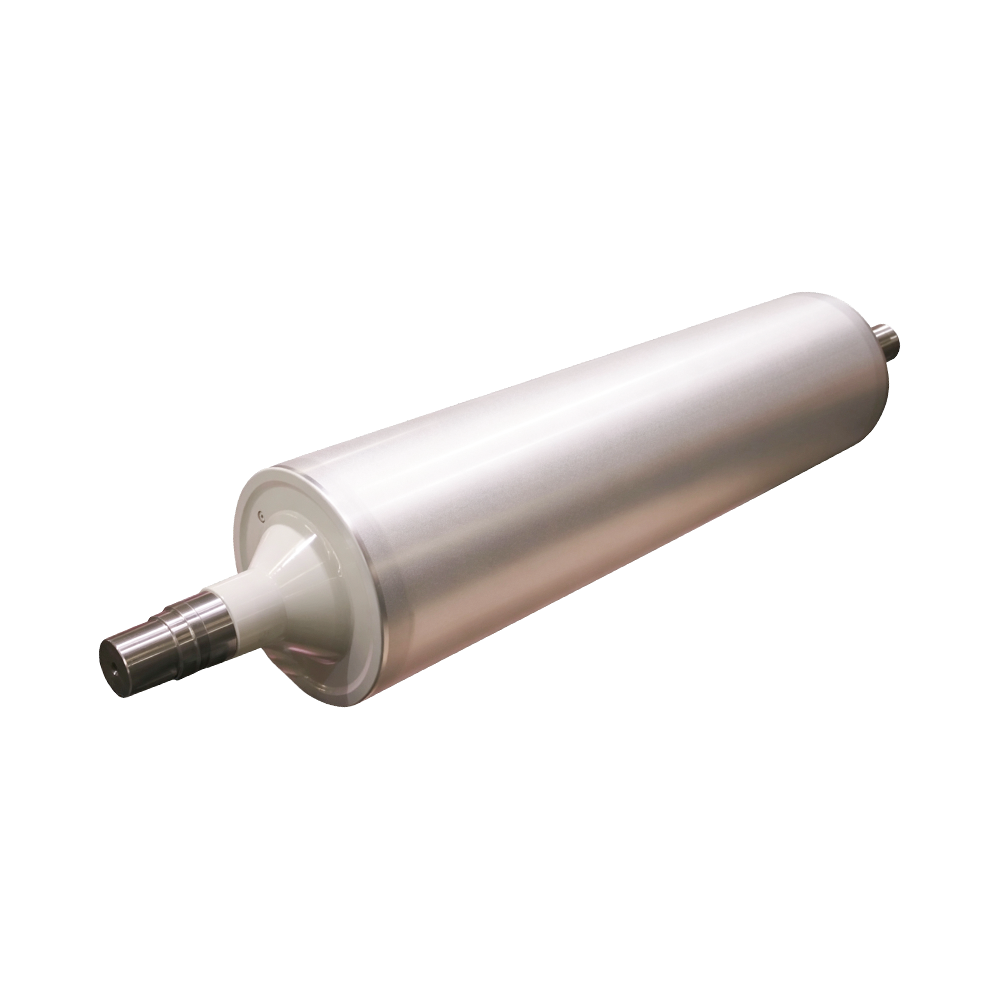
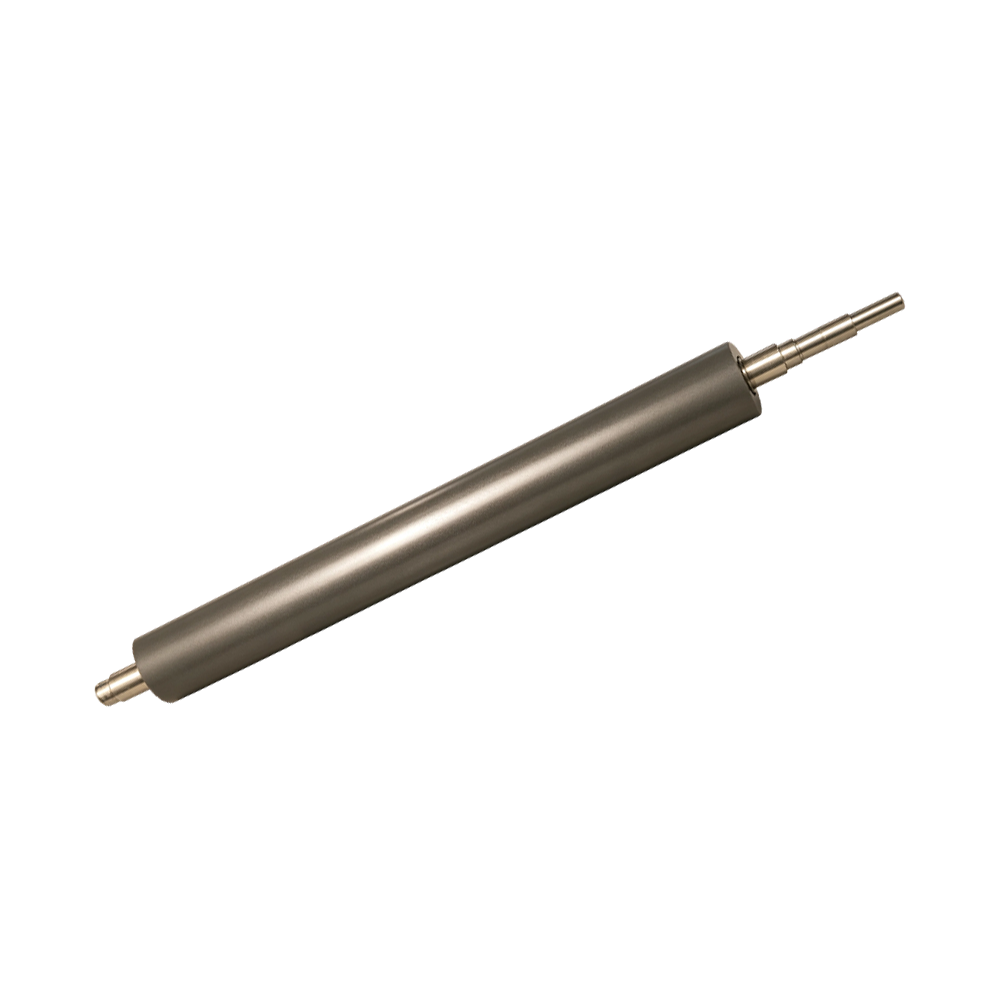
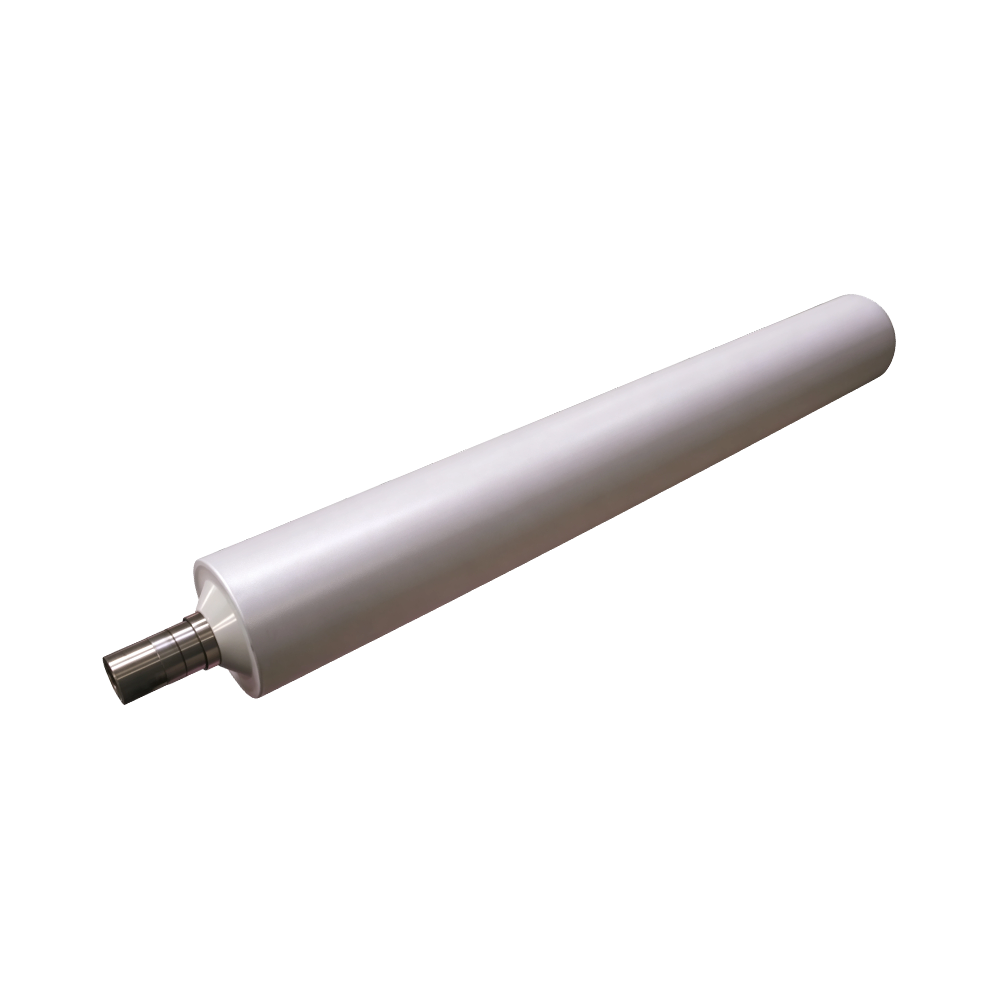

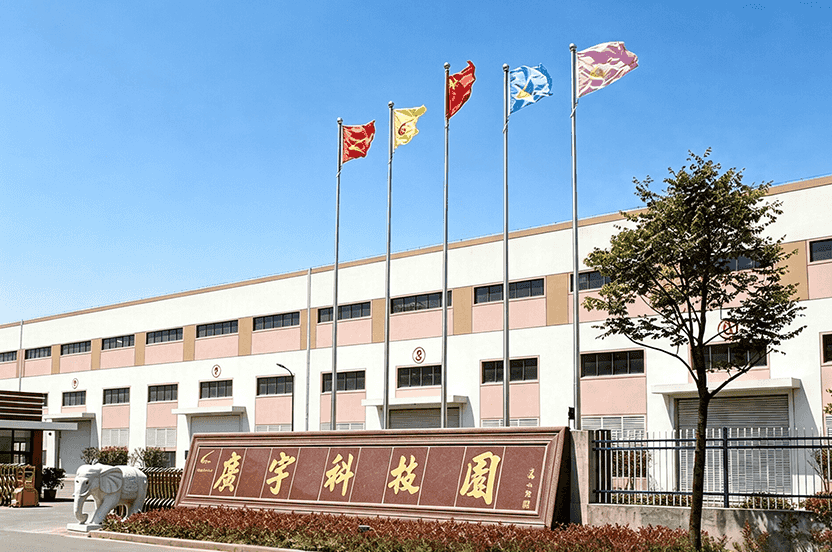


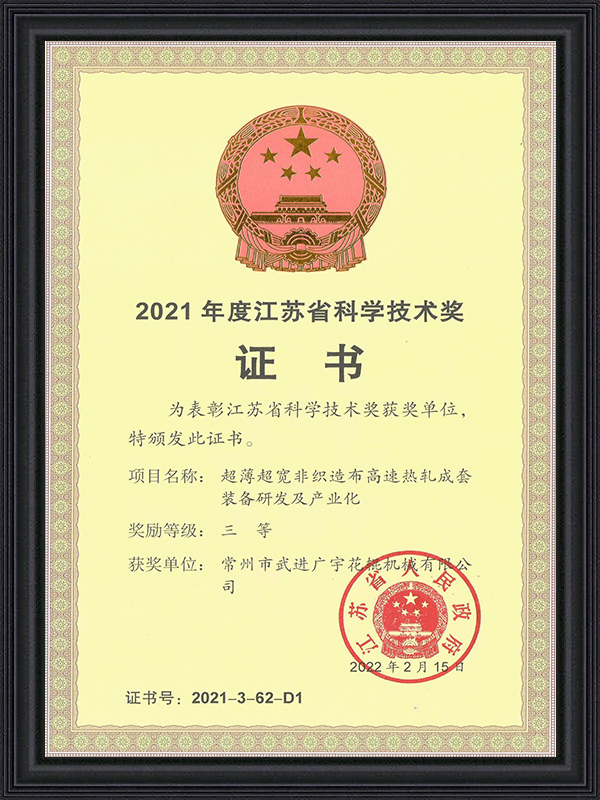
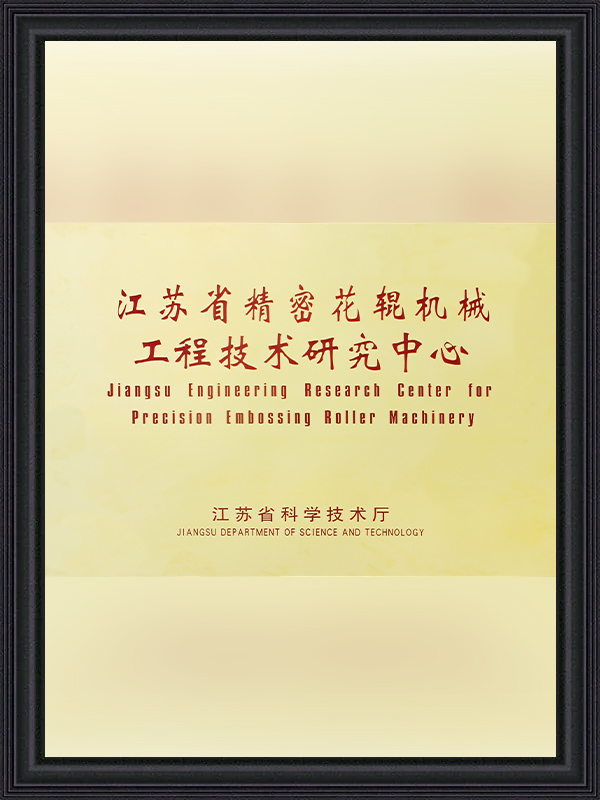
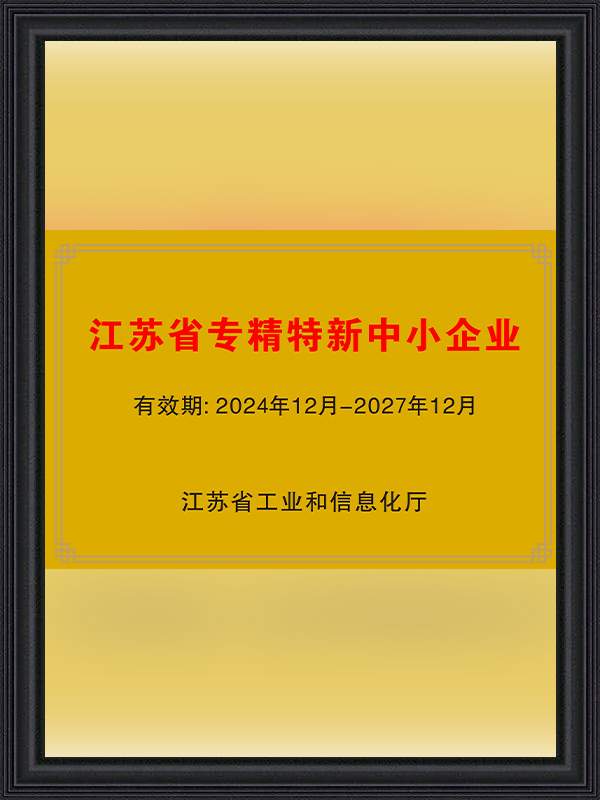
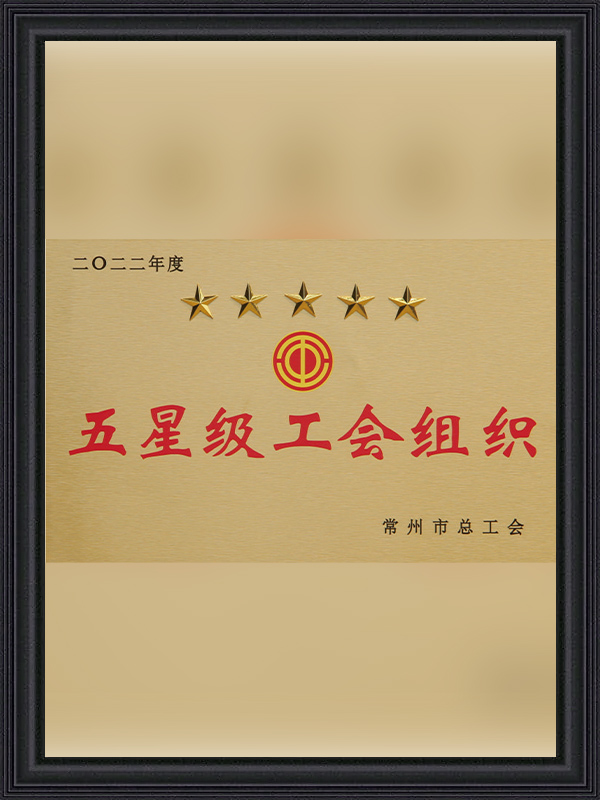
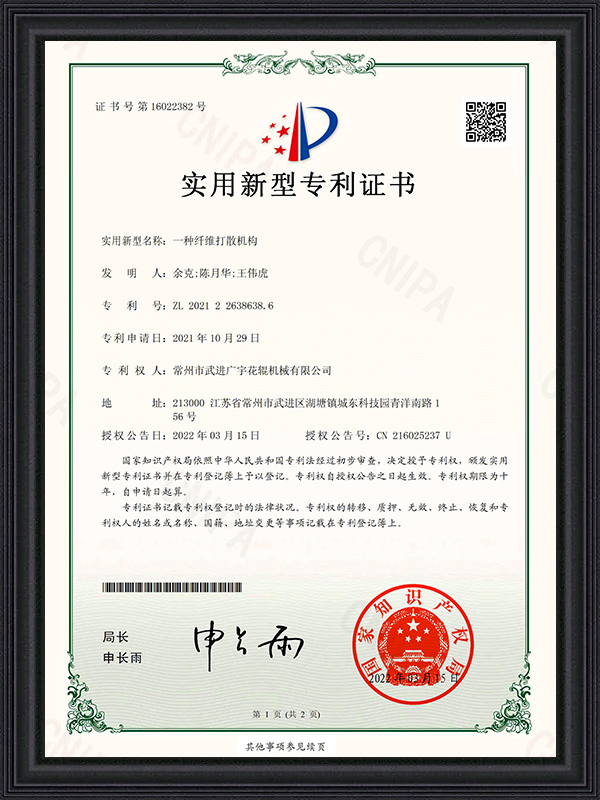
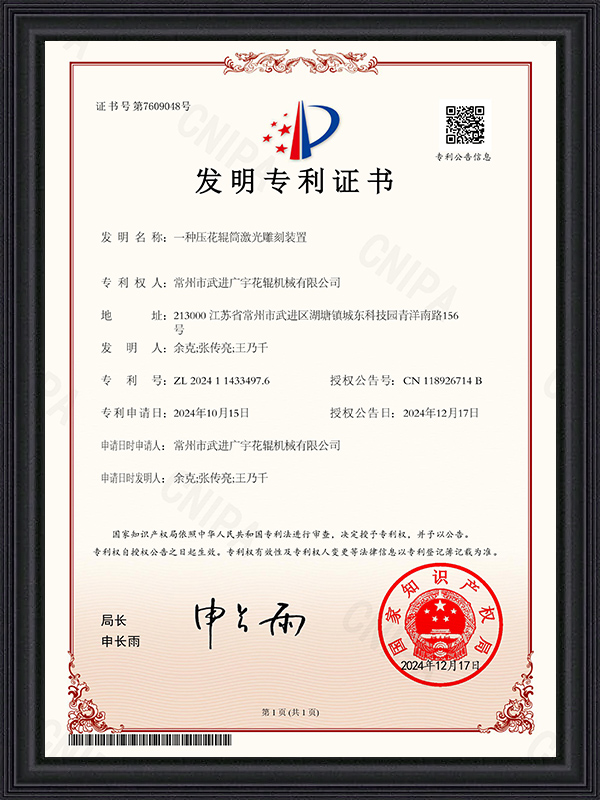
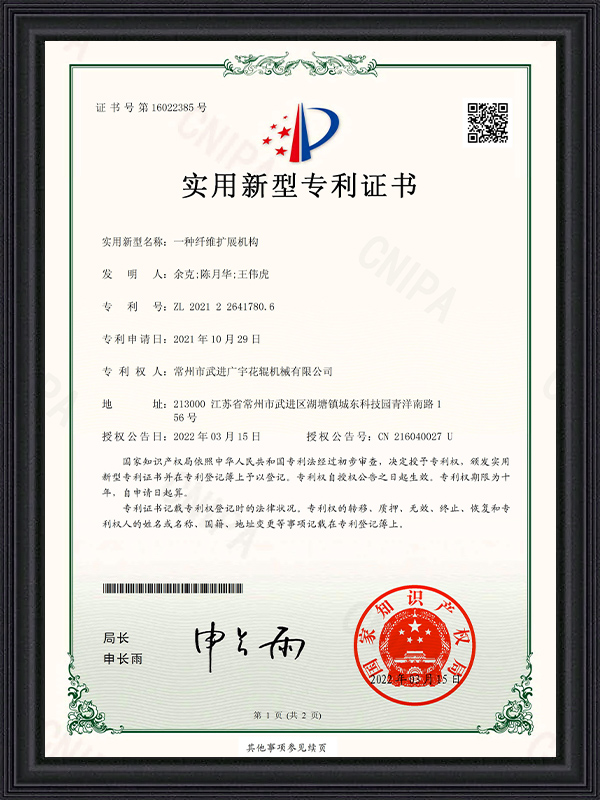
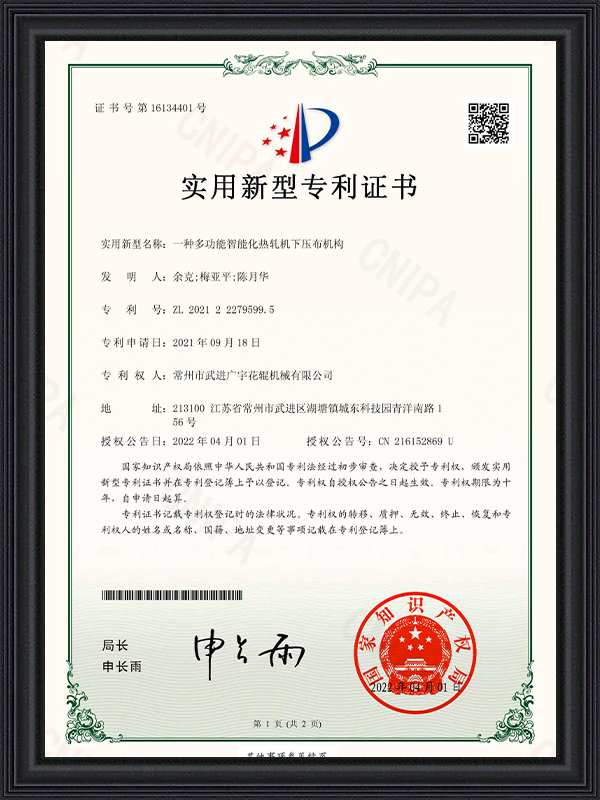
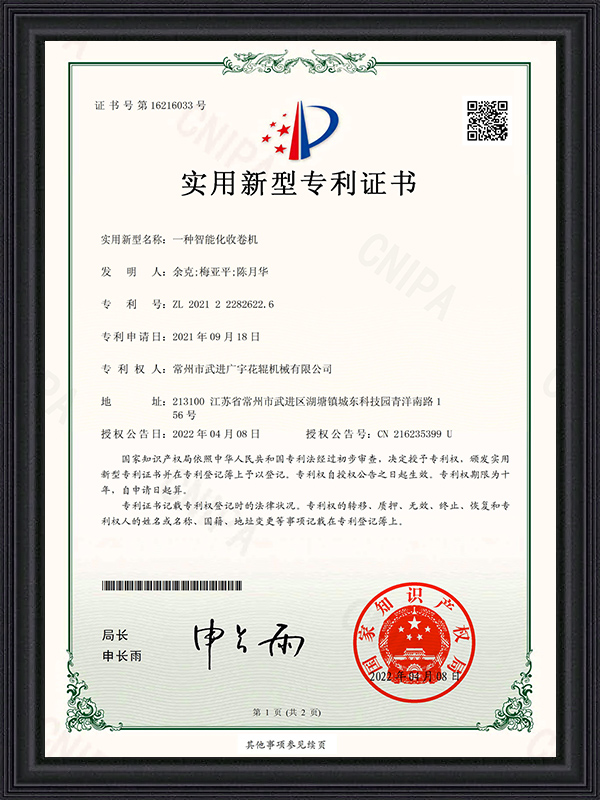
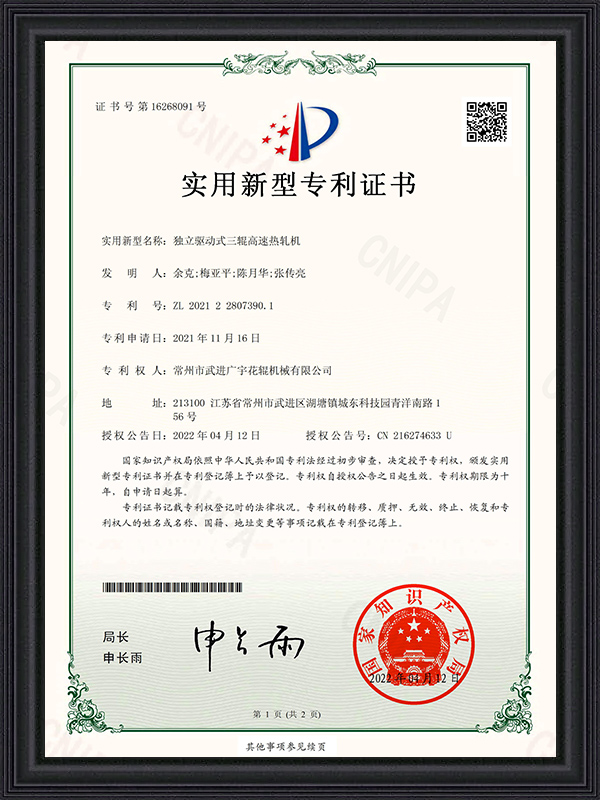
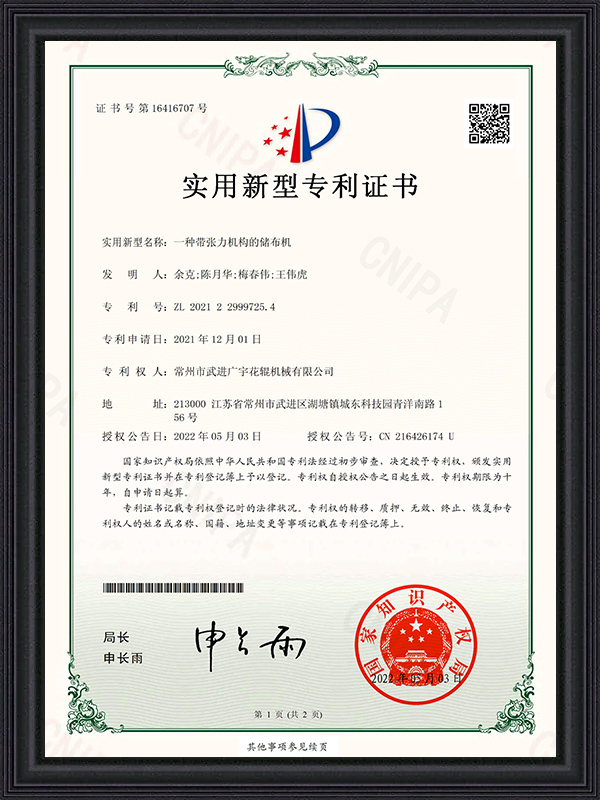
Changzhou Wujin Guangyu Embossing Roller Machinery Co., Ltd. designs and builds precision embossing rollers for nonwoven, tissue, film, synthetic leather, rubber, paper and metal sheet production. Our Embossing Roller Manufacturer range covers five roller constructions, so pattern depth, surface hardness, heating behavior and corrosion resistance are selected around the real process rather than a generic catalog specification.
As a China-based OEM pattern roller factory, we run the complete manufacturing chain in-house: roller blank machining, CNC grinding, laser engraving and hard chrome electroplating. That closed loop gives us control over pattern reproduction, surface finish, order scheduling and final inspection.
One Roller Family, Five Construction Types
The range is organized by roller body material because process temperature, nip pressure, substrate chemistry and expected service life determine the correct construction.
| Roller construction | Best application fit | Engineering notes |
|---|---|---|
| Special alloy steel | Nonwoven hot rolling, plastic films, tissue, synthetic leather, leather and rubber | High rigidity, clean pattern transfer, suitable for heated long-run lines |
| Hard alloy steel | Metal sheets and panels, high-pressure embossing, heavy substrates | Dimensional stability under high line load and extended service |
| Ceramic | Wear- and corrosion-dominated processes, precision patterns on abrasive materials | Hard stable surface, good chemical resistance and consistent definition |
| Nano-modified silicone | Resilient embossing, counter roller duty, gentle contact with delicate surfaces | Elastic deformation behavior supports pattern depth and pressure distribution |
| Engineering plastic | Low-to-medium temperature lines, chemical process environments, lighter-duty embossing | Lightweight, corrosion resistant, practical for specific chemical or moisture exposure |
Application Fit and Process Considerations
Embossing rollers work by pressing a web or sheet between matched roll surfaces; pattern transfer depends on material, pressure, temperature, dwell time and depth. We use the following fit logic when selecting a roller:
- Nonwoven and civil fiber lines: steel-based rollers with controlled surface hardness, heating and crown to maintain uniform nip pressure across the working width.
- Paper and tissue: shallow, clearly defined patterns; pattern density and roller diameter selected to avoid sheet tearing and preserve bulk and softness.
- Plastic film and flexible packaging: precise depth, smooth release and temperature control to avoid sticking on BOPP, PET, PE/PP and similar film structures.
- Metal sheets and panels: rigid alloy steel rollers with wear-resistant surface treatment for stainless steel, aluminum and galvanized sheets.
- Synthetic leather, automotive interiors and rubber products: continuous grain and leather patterns with repeatable depth, plus heating and cooling as the line requires.
- Battery separators, new electronic films and building panels: finer textures, stable roll dimension and clean pattern depth for functional surface effects.
Engineering Value: In-House Precision Loop
This is not an assembly operation. We manufacture roller blanks, machine, grind, polish, laser texture and hard chrome plate in our own plant. The factory includes German-imported multi-beam direct laser engraving equipment and over 100 high-precision production machines, supported by our own deformation analysis system for large structural components. This allows us to hold pattern reproduction within specification for a single replacement roll or a complete line retrofit.
With a current capacity of over 20,000 precision rollers and 800 embossing and calendering machines per year, we handle new product sampling, small-batch customization and high-volume serial delivery from the same production floor.
From Component Roller to Complete Equipment
Some projects need only a replacement roller; others need the complete embossing station. Our embossing rollers sit inside the Industrial Rollers family, which also includes calendering, precision, rolling, guide, anilox and mirror rollers. For integrated production packages, we supply Embossing and Calendering Equipment such as tissue embossing machines, double-sided specialty embossing and calendering lines, and single and double-sided metal sheet embossing machines.
For complete machines, the control and automation scope is defined around the line: unwind and rewind tension, nip pressure, heating zones, cooling and safety interlocks are treated as one integrated package. For roller-only supply, we focus on the geometry and interface that must fit your existing machine without modification.
Quality Assurance and Acceptance
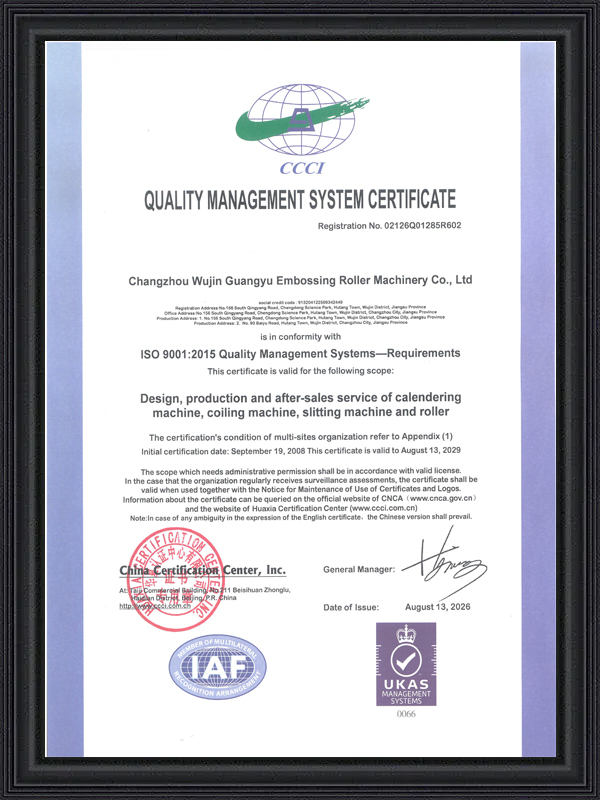
- ISO 9001 quality management system certification and EU RoHS compliance.
- In-house final comprehensive inspection covering surface finish, dimension, pattern depth and chrome quality before release.
- German high-precision inspection equipment used alongside production; this is one of the reasons our export projects are accepted across more than 50 countries.
- Rollers and machines built on an in-house line, reducing quality fluctuation and delivery risk from outsourced steps.
Installation, Service and Delivery Scope
Rollers are packed for export with bore, face and journal surfaces protected before shipment. When a complete machine is supplied, installation and startup support is coordinated with the line schedule. For roller-only supply, we provide mounting dimensions and operating recommendations.
Rollers are designed for access to journals, bearings and heating connections. Maintenance intervals depend on the web, temperature and nip load. In-house electroplating and machining capability also allows us to support refurbishment and future pattern changes.
Information We Use to Configure Your Solution
To prepare a proposal, we need enough process context to select the correct body material, pattern depth, hardness and interface. For a new project, send the following:
- Substrate and product: material, basis weight or thickness, web width, surface effect, pattern depth and pattern repeat.
- Process conditions: operating temperature, nip pressure, line speed, heating/cooling medium and whether the embossing is hot, cold, wet or dry.
- Existing machine interface: roll face length, bearing and journal dimensions, drive side, diameter limits, and overall space envelope.
- Pattern reference: customer artwork, material sample, DXF/AI/PDF file, texture swatch or a description of the final visual effect.
- Environment and compliance: chemicals, cleaning agents, operator safety requirements and export certification needs.
- Volume and schedule: prototype, series production, line retrofit or complete equipment delivery.
With these inputs we define the roller construction, engraving method, chrome specification and, where applicable, the machine configuration included in our quotation.
Frequently Asked Questions
What is the correct embossing roller for a nonwoven hot-rolling line?
In most nonwoven applications we recommend special alloy steel with controlled surface hardness, laser-engraved pattern and hard chrome plating. Working width, temperature and nip load define the final diameter and crown. If you have an existing calender, send the roll dimensions and heating layout so we can match the interface.
Can you reproduce a customer pattern or logo on an embossing roller?
Yes. We reproduce patterns from artwork, samples, PDF/AI/DXF files or existing rollers. Our laser engraving equipment and plate-making system converts a supplied texture into a production-ready pattern, and we confirm depth and repeat before final plating.
What data do you need for a replacement roller quotation?
We need roll face length, overall length, journal and bearing positions, diameter limits, heating or cooling arrangement, substrate width and line speed. If the original roller is available, dimensions and photos speed up the process.
Do you supply complete embossing machines or only the roller?
Both. We supply individual rollers for existing lines and integrated equipment packages such as tissue embossing machines, metal sheet embossing machines and double-sided specialty embossing and calendering lines. The same engineering team handles roller and machine, so compatibility is confirmed before dispatch.
How do you maintain pattern quality over long production runs?
Pattern durability comes from the correct body material and hard chrome surface. For hot nonwoven lines, roller hardness and nickel or chrome selection are matched to the abrasive behavior of the web. We also support roller plating and service work through our in-house electroplating and machining capability.