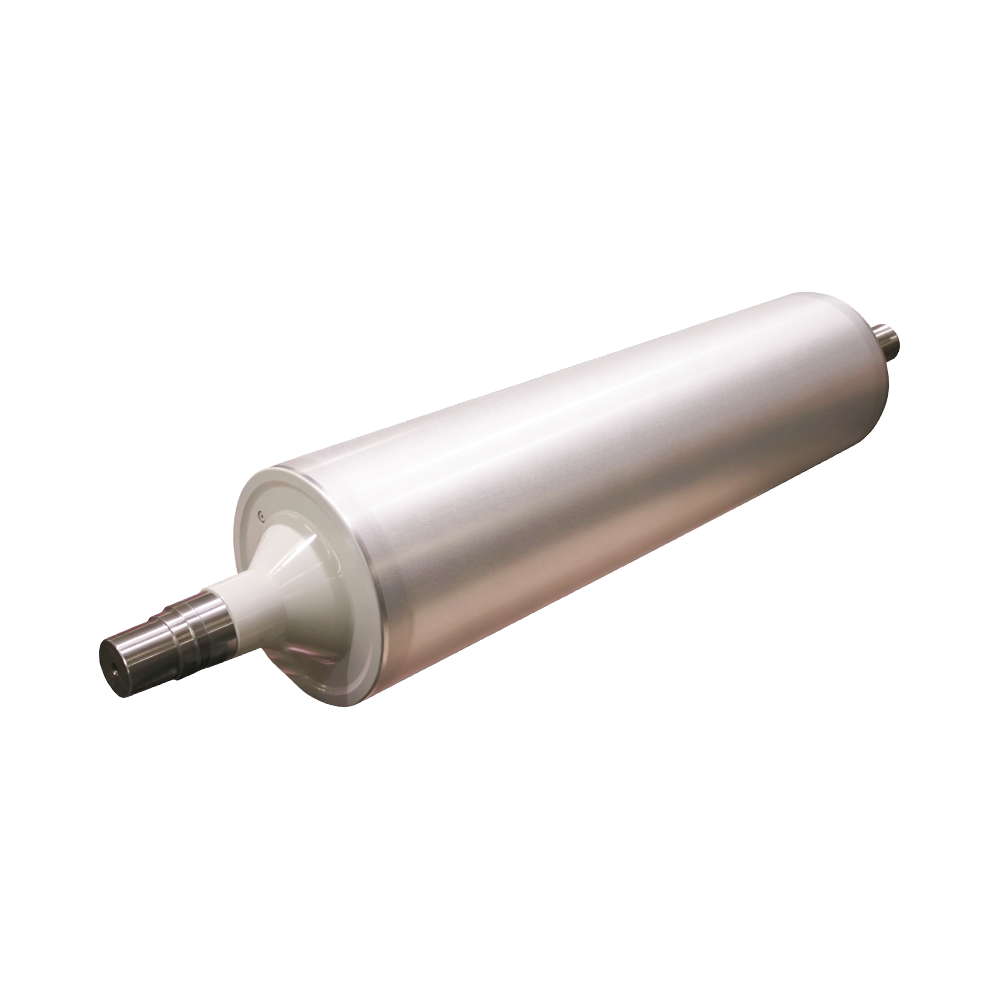
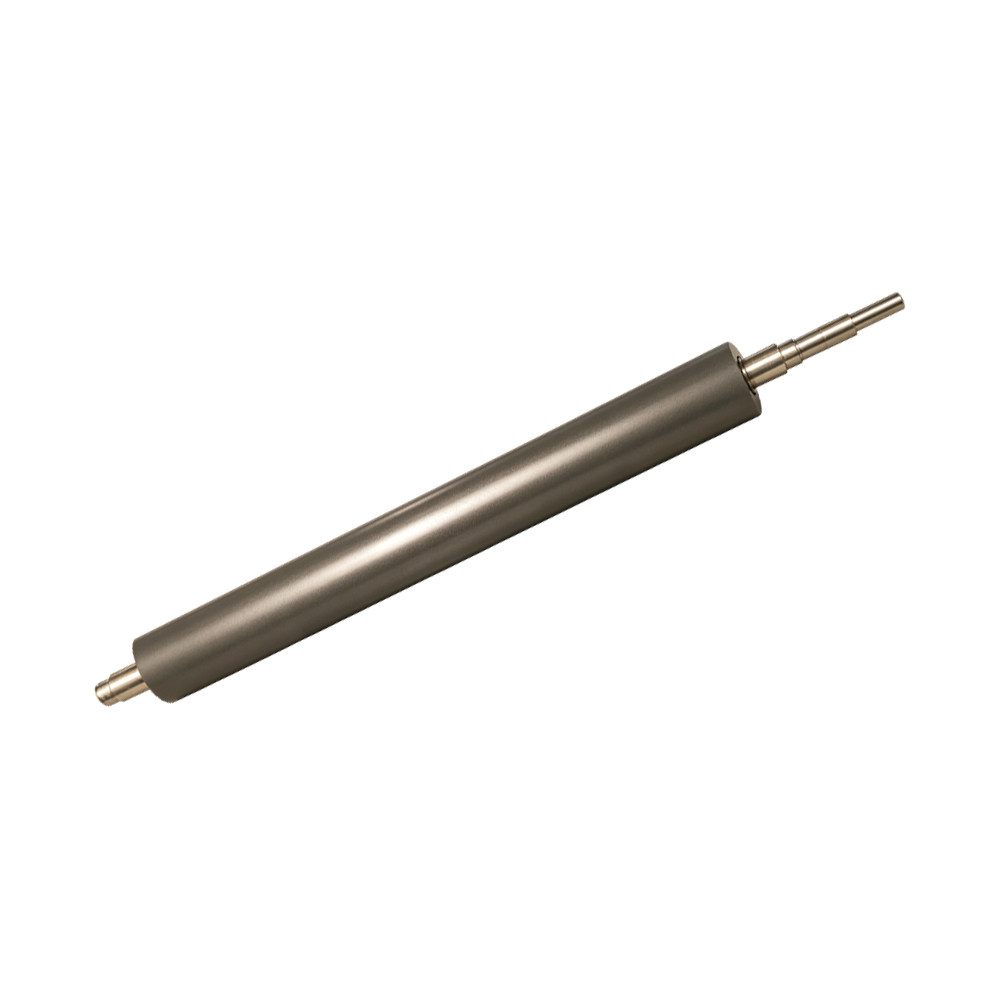
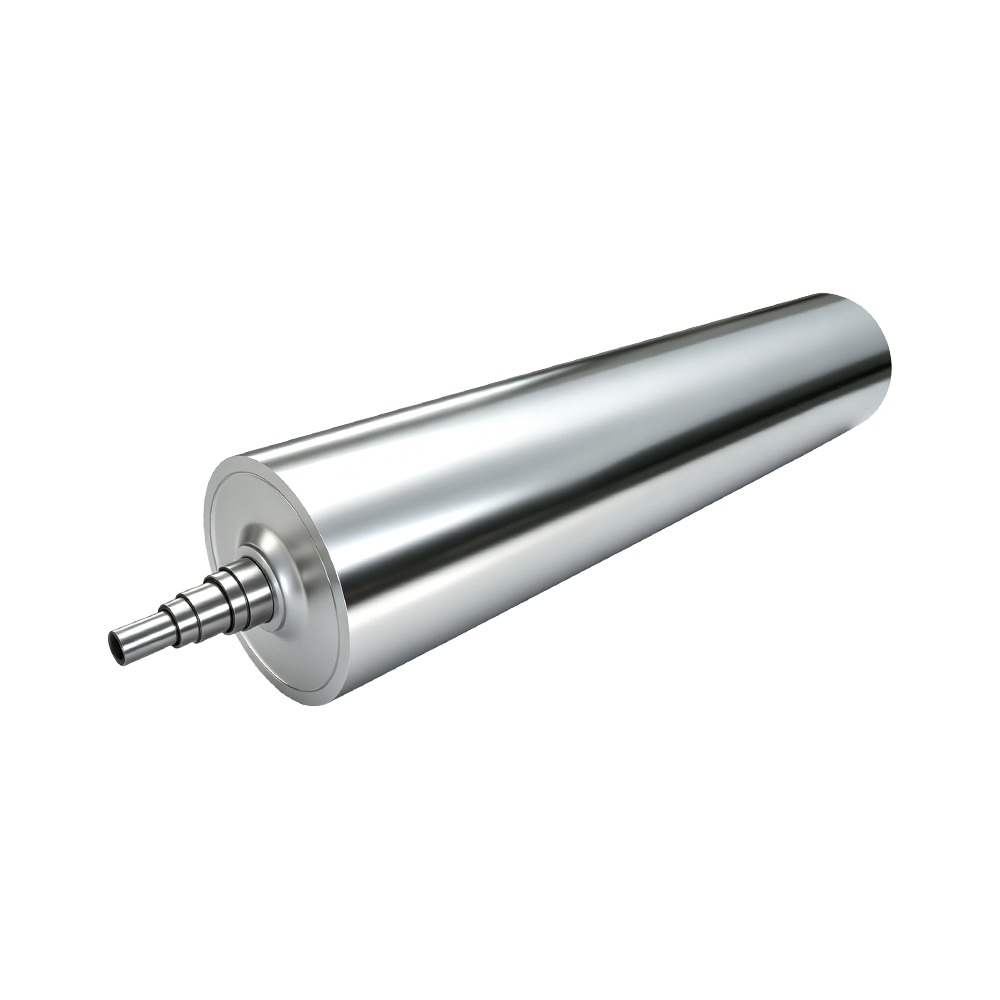
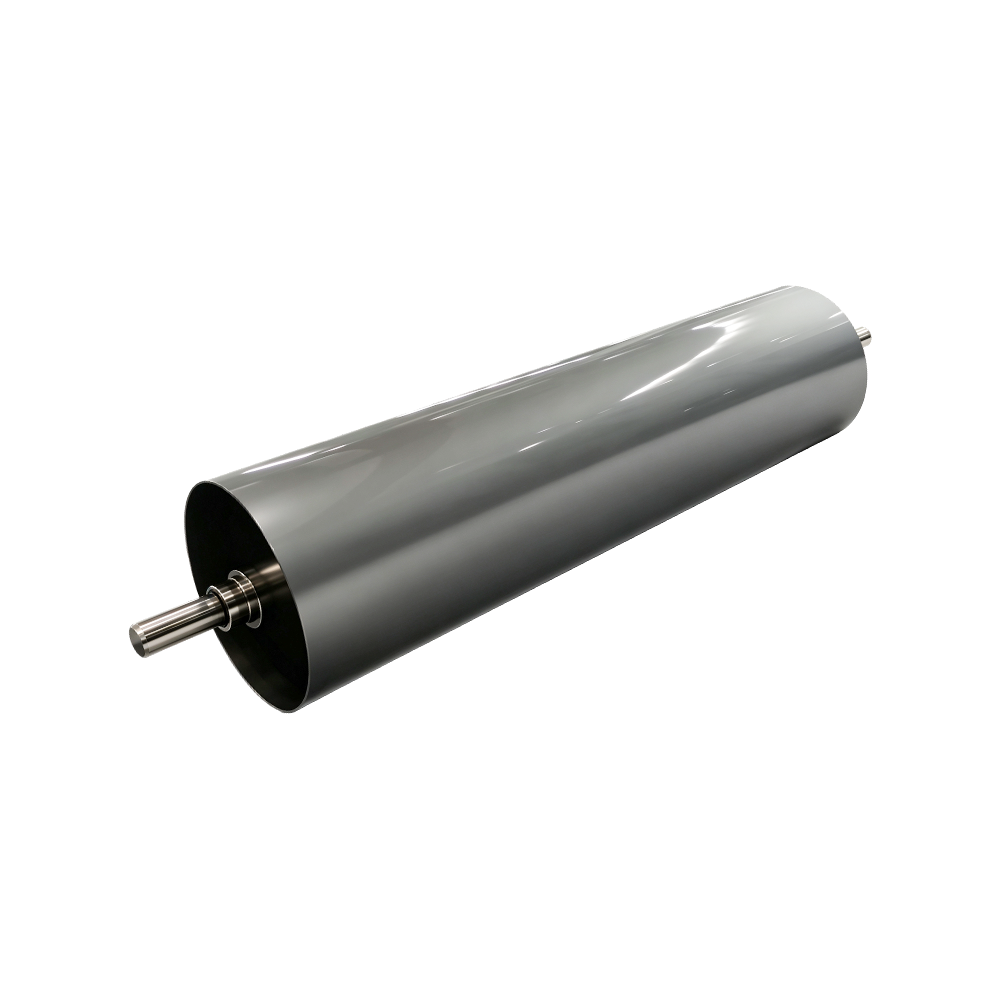
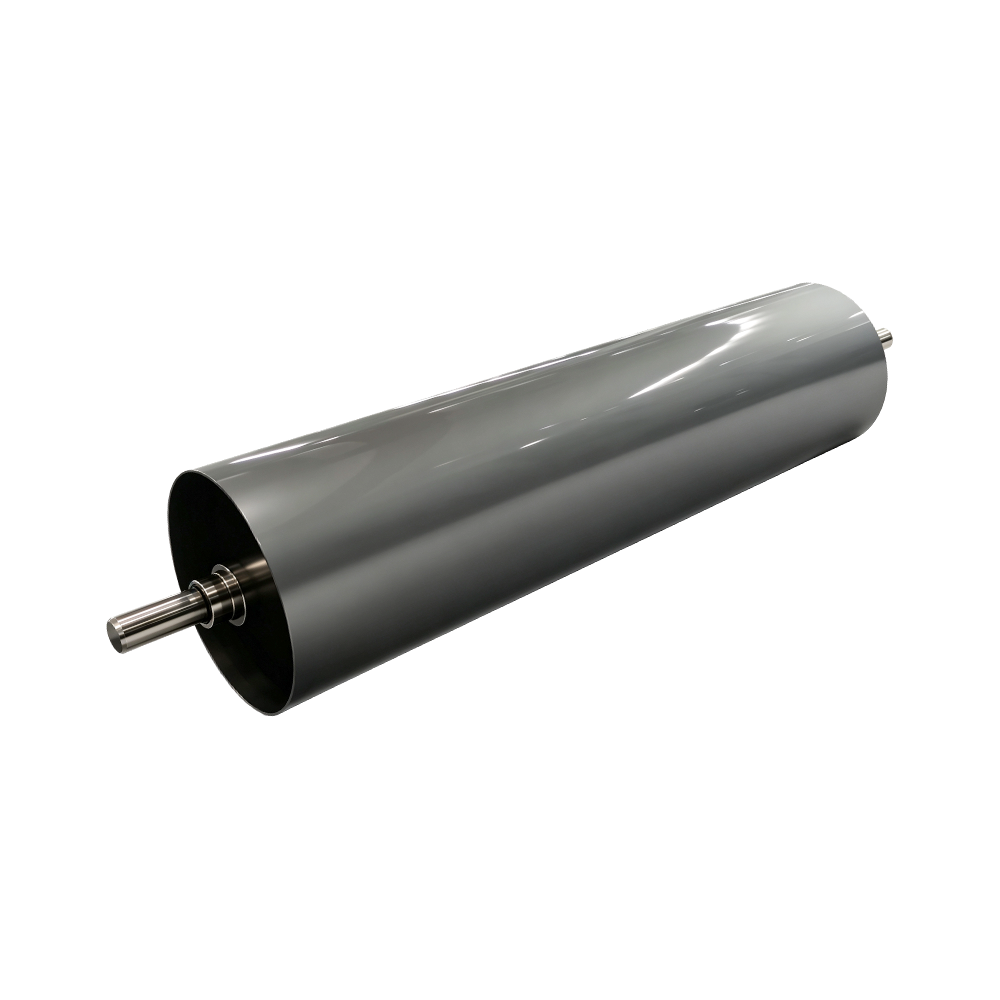
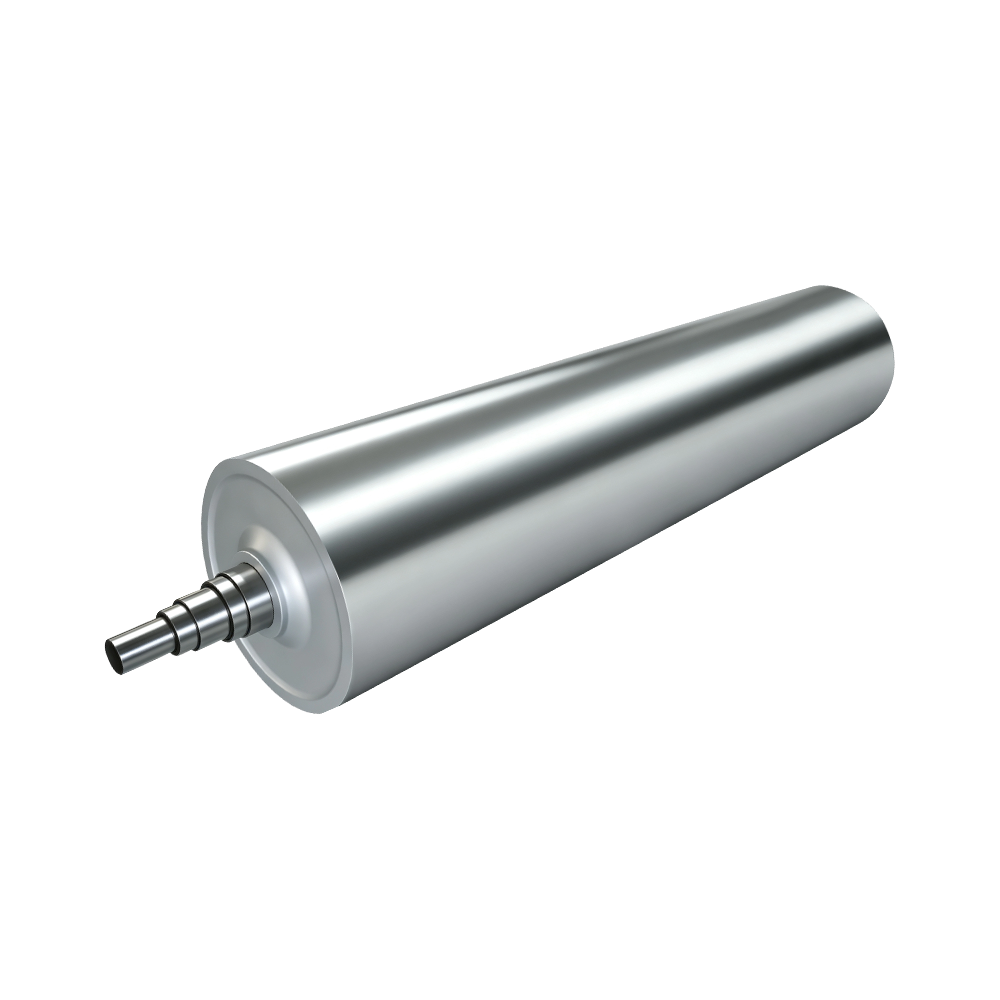
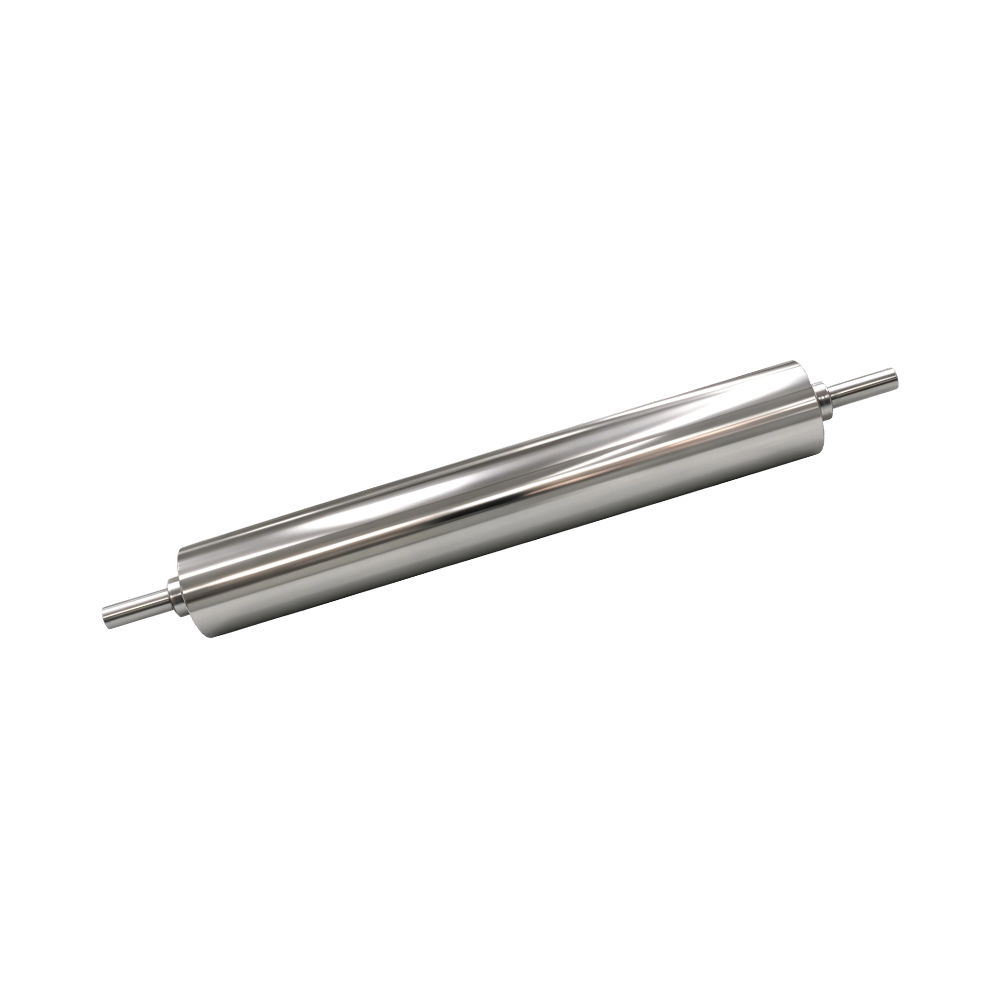
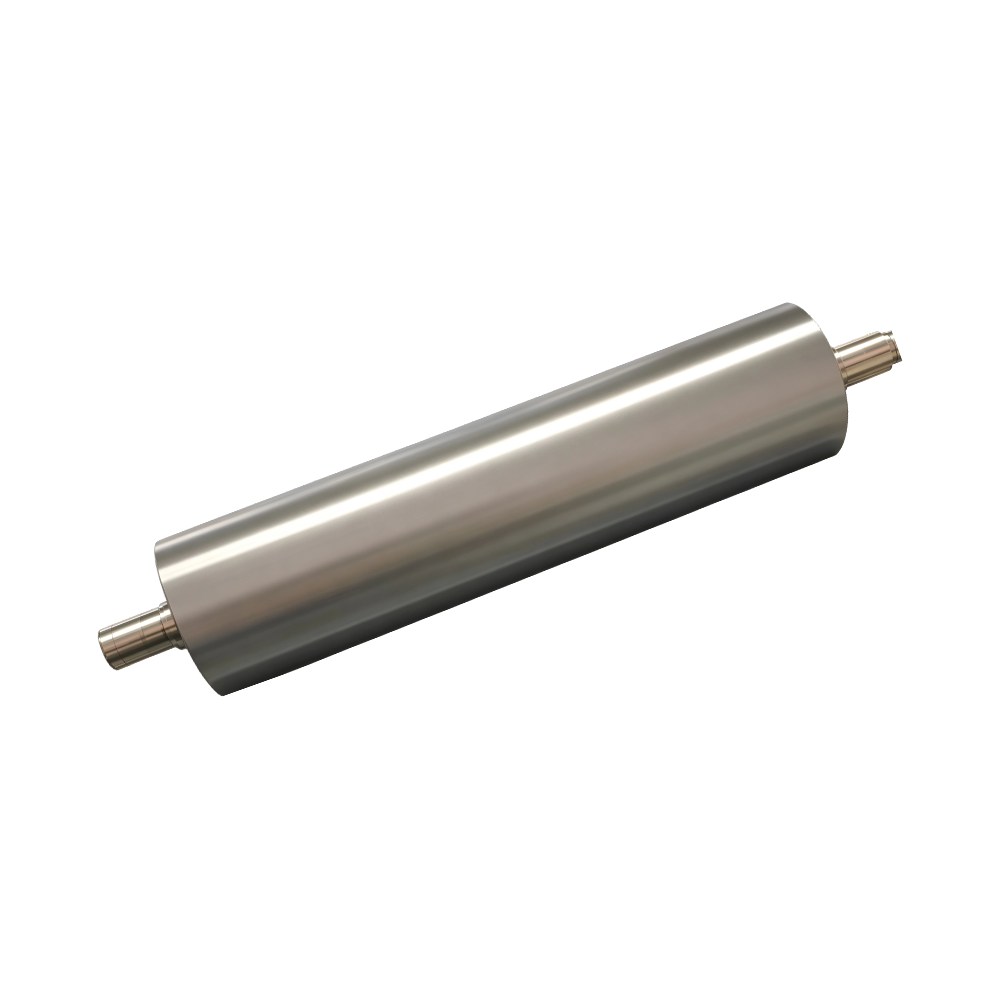
·Coating as the Working Interface
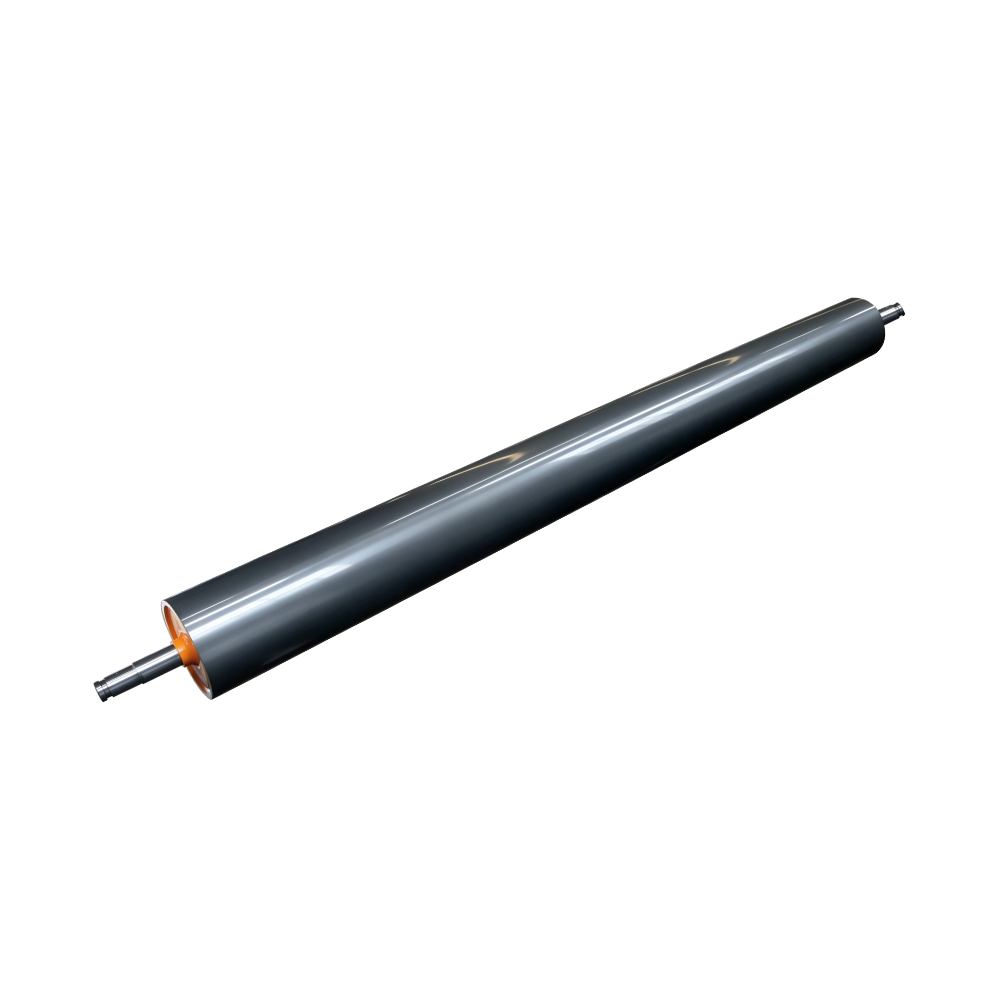
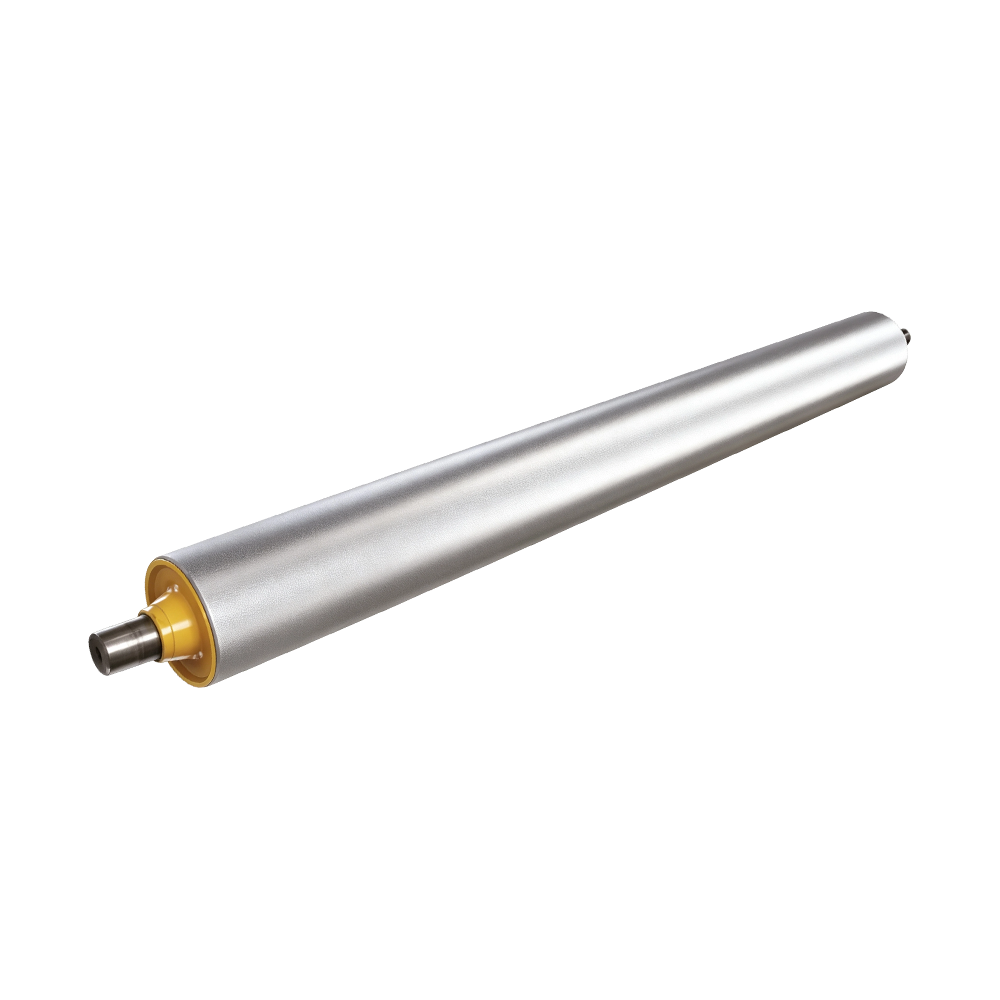
Four coating solutions available on demand: Teflon® anti-stick, ceramic anti-corrosion, tungsten carbide wear-resistant, and anti-static composite. Applied via plasma spraying, HVOF, or high-temperature curing/sintering, with the substrate undergoing three-stage roughening plus vacuum degreasing pretreatment. Coating adhesion ≥85 MPa, metallurgically bonded with no delamination. Proven in long-term overseas production lines, with service life extended by 110% compared to conventional sprayed rollers.
·Uniform Thickness, Ready to Use
Whole-roller coating thickness tolerance ≤±0.012 mm, with surface roughness Ra continuously adjustable from 0.05 to 4.5 μm. CNC reciprocating spraying system with digital trajectory programming ensures coating deviation is controlled across a 3600 mm wide roller face. High-gloss clean surfaces, fine matte surfaces, and micro-textured anti-slip top layers are formed in a single pass—no secondary machining required.
·Temperature Stability, No Coating Cracking
The double-layer spiral constant-temperature flow channel locks the roller surface steady-state temperature differential within ±0.6°C, enabling continuous operation across a wide range of –20°C to 260°C without thermal-stress micro-cracking. Conventional coated rollers are prone to cracking under alternating high and low temperatures due to thermal expansion coefficient mismatch; this product eliminates temperature differentials through balanced heat exchange, protecting coating structural integrity. Compatible with both thermal oil and cooling water media, adaptable to hot-melt, solvent, and lamination production lines.
·Four Functions in One, One Roller Fits All
Choose anti-stick coating for PLA and hot-melt adhesives; tungsten carbide wear-resistant coating for calcium carbonate- or glass-fiber-filled materials; inert ceramic anti-corrosion coating for inks and polar solvents; and anti-static insulating coating for optical film and lithium-battery production lines. Sticking, corrosion, static, and wear—four major challenges, all covered by a single roller.
·Precision Balancing After Coating
Dynamic balancing correction is performed independently after coating application, never simplified or skipped. G1.0 precision combined with radial runout ≤0.003 mm ensures that for ultra-thin films of 8–120 μm, copper foil, and aluminum foil coating applications, micro-vibrations are eliminated, preventing substrate scratching and periodic coating-thickness fluctuations, significantly improving yield of high-end webs.
·Process Adaptability
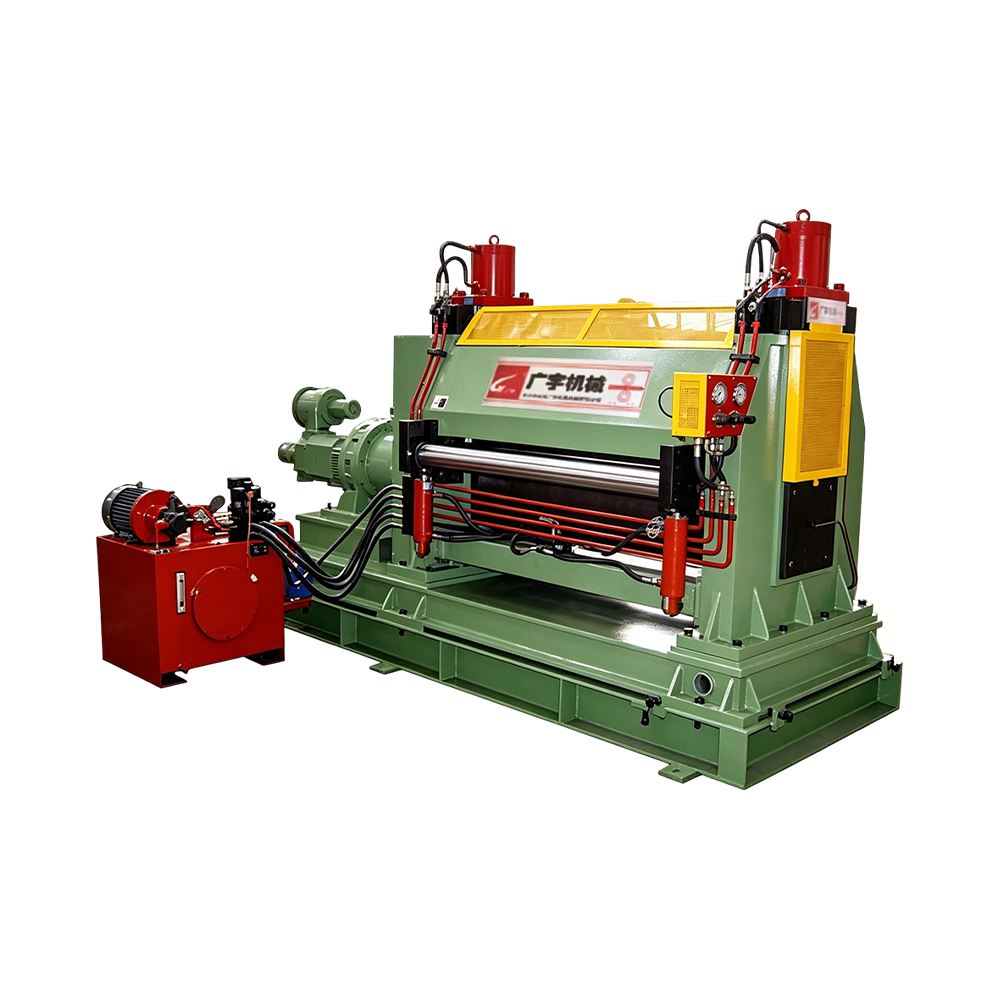
Specialty alloy embossing rollers create three-dimensional textures; matte finishing rollers level and eliminate gloss; the coated roller changes only surface properties, not material shape. While chrome-plated and sandblasted rollers are helpless against sticky and corrosive materials, the coated roller uses its coating as the working interface, specifically solving issues that ordinary metal rollers cannot overcome—sticking, corrosion, static, and wear.
·Operational Economy
The dense, inert coating resists deposit adhesion, reducing cleaning frequency by 70%. Local damage can be repaired by recoating without the need for full-roller re-spraying, lowering maintenance costs by 45%. The coating protects the substrate from corrosion, eliminating rust-spot contamination of finished products. A stable coefficient of friction prevents slipping and misalignment, reducing wrinkling and deformation from tension fluctuations.
·Quality Enhancement
The coating presents no particle-shedding risk, eliminating micro-contamination hazards for optical films, food packaging, and lithium-battery substrates. Consistent interface properties across the entire line improve batch-to-batch stability of coating thickness, lamination pressure, and traction tension. Anti-static coatings eliminate surface static on webs, preventing dust attraction and spark hazards, compliant with cleanroom and explosion-proof workshop standards.