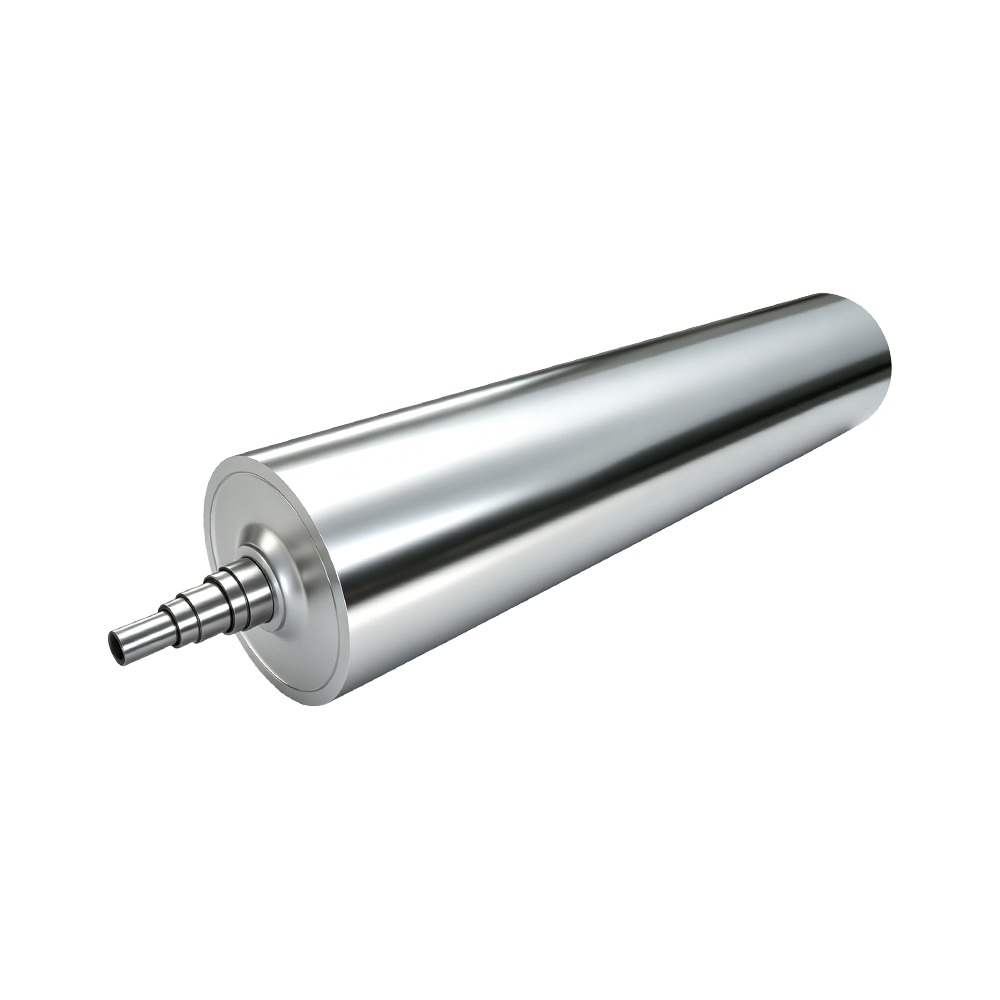
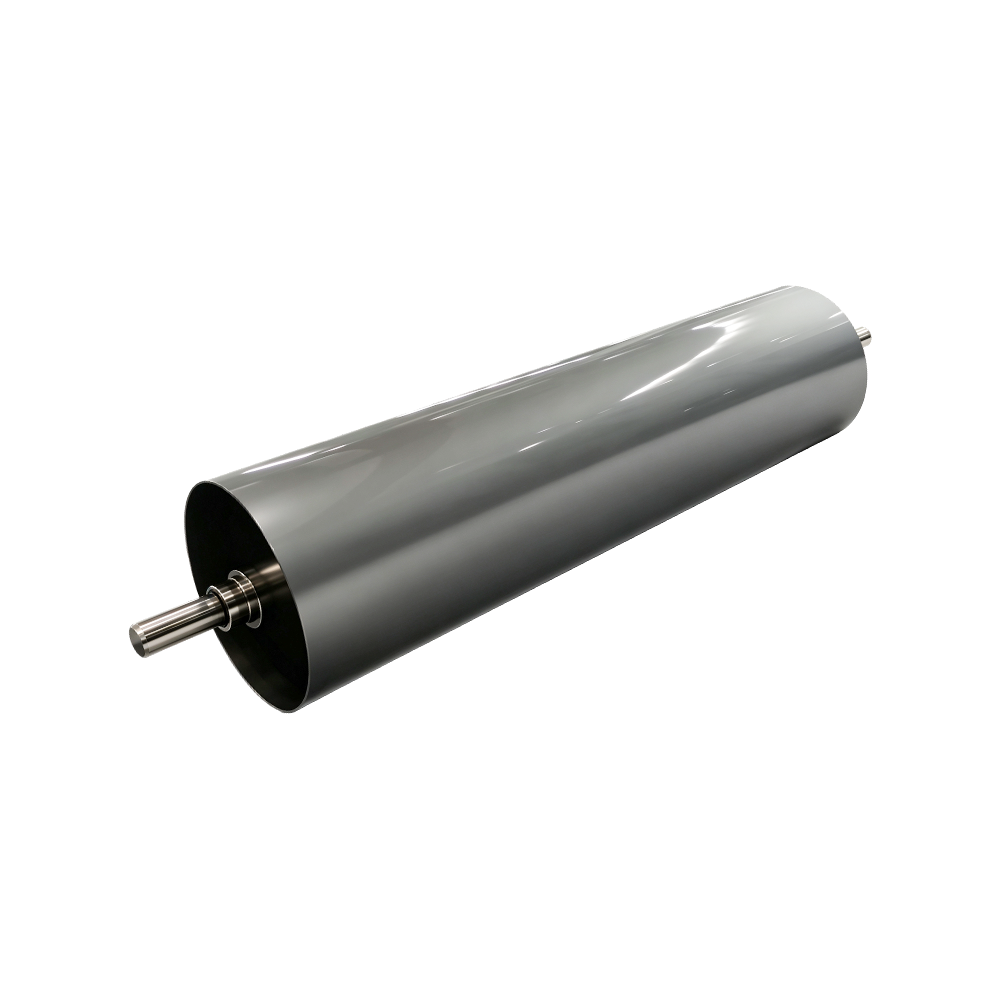
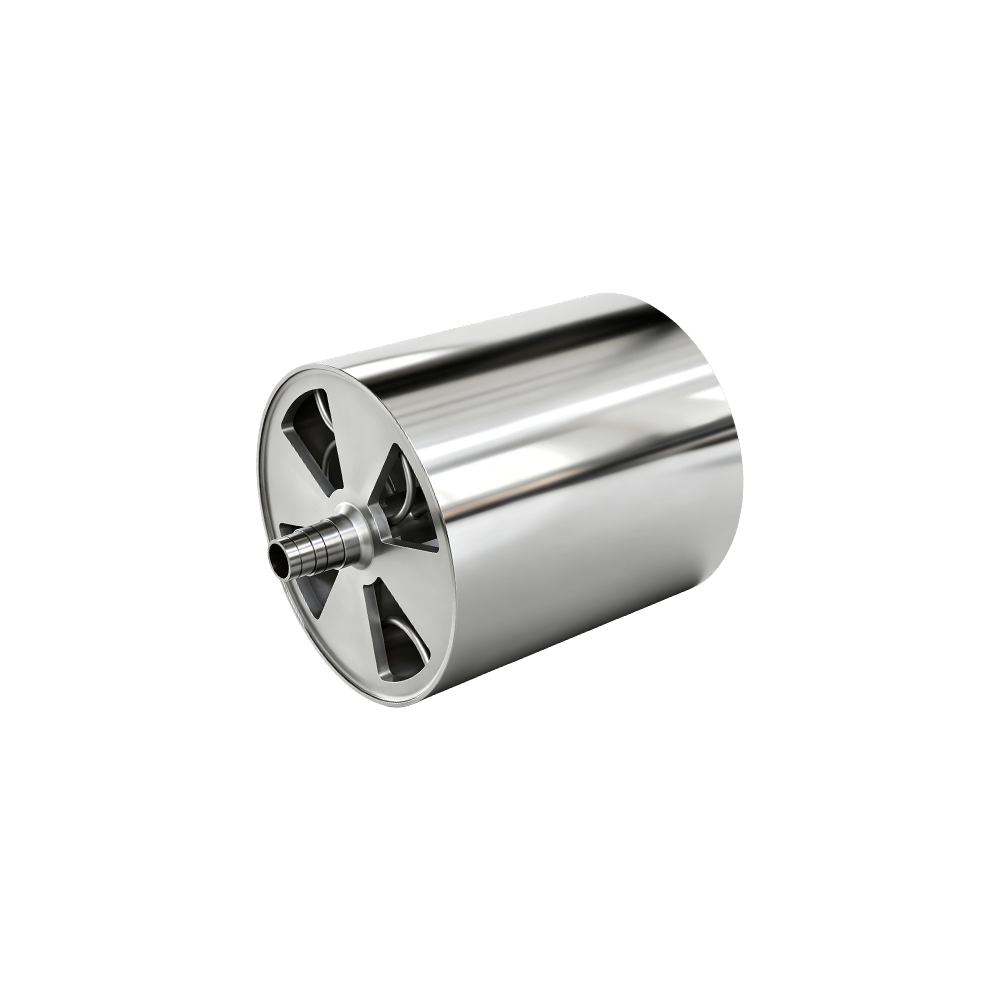
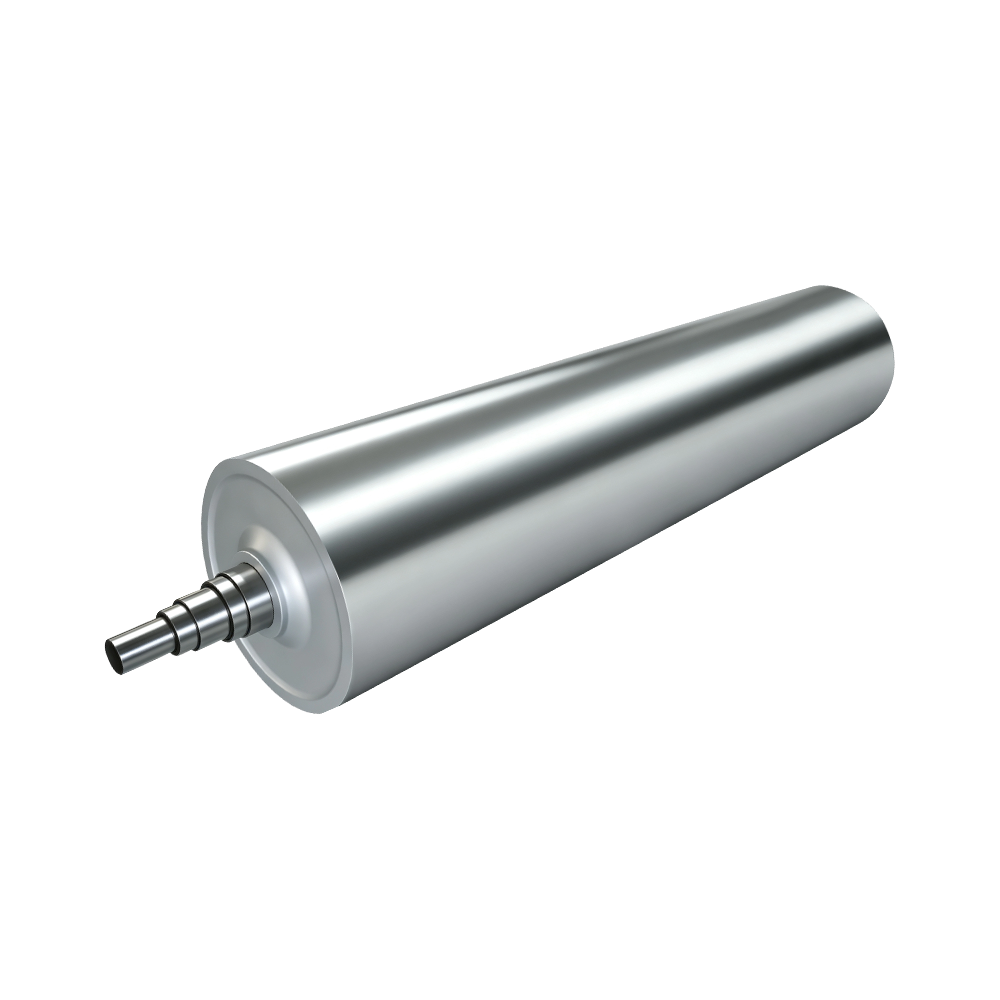
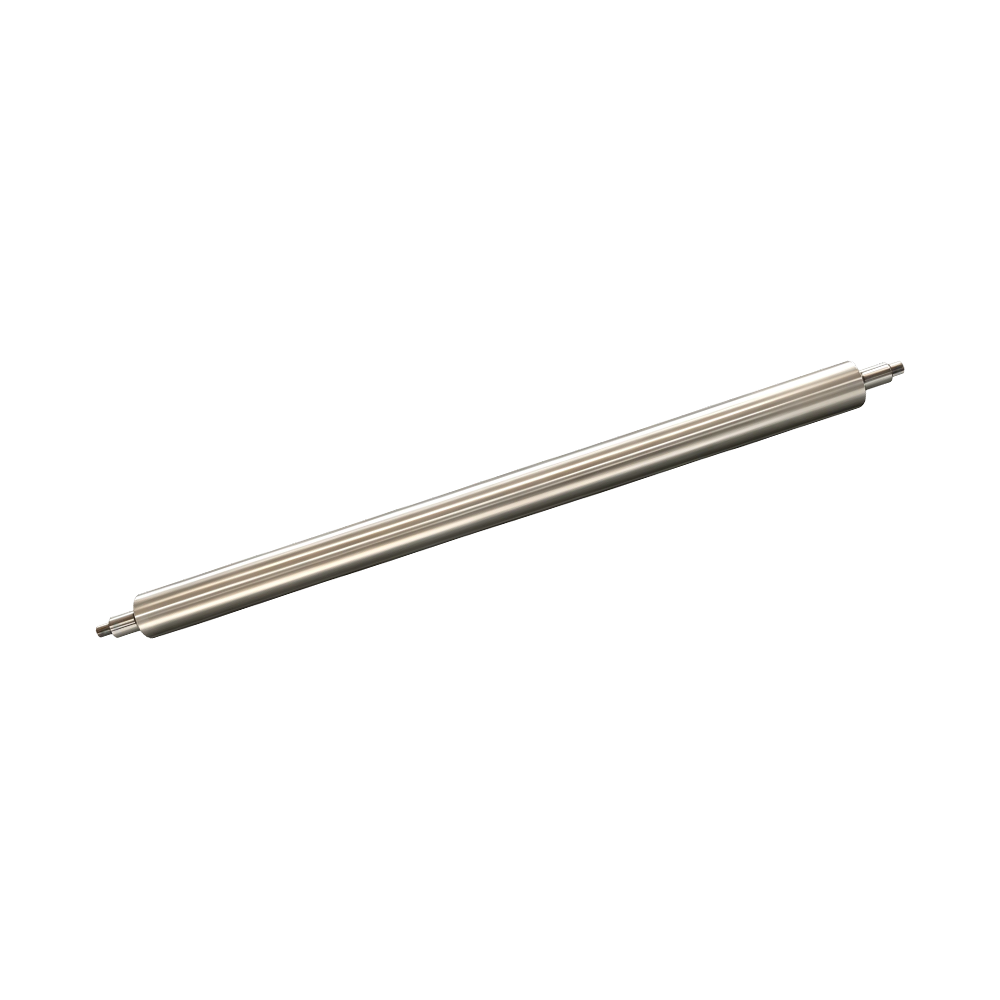
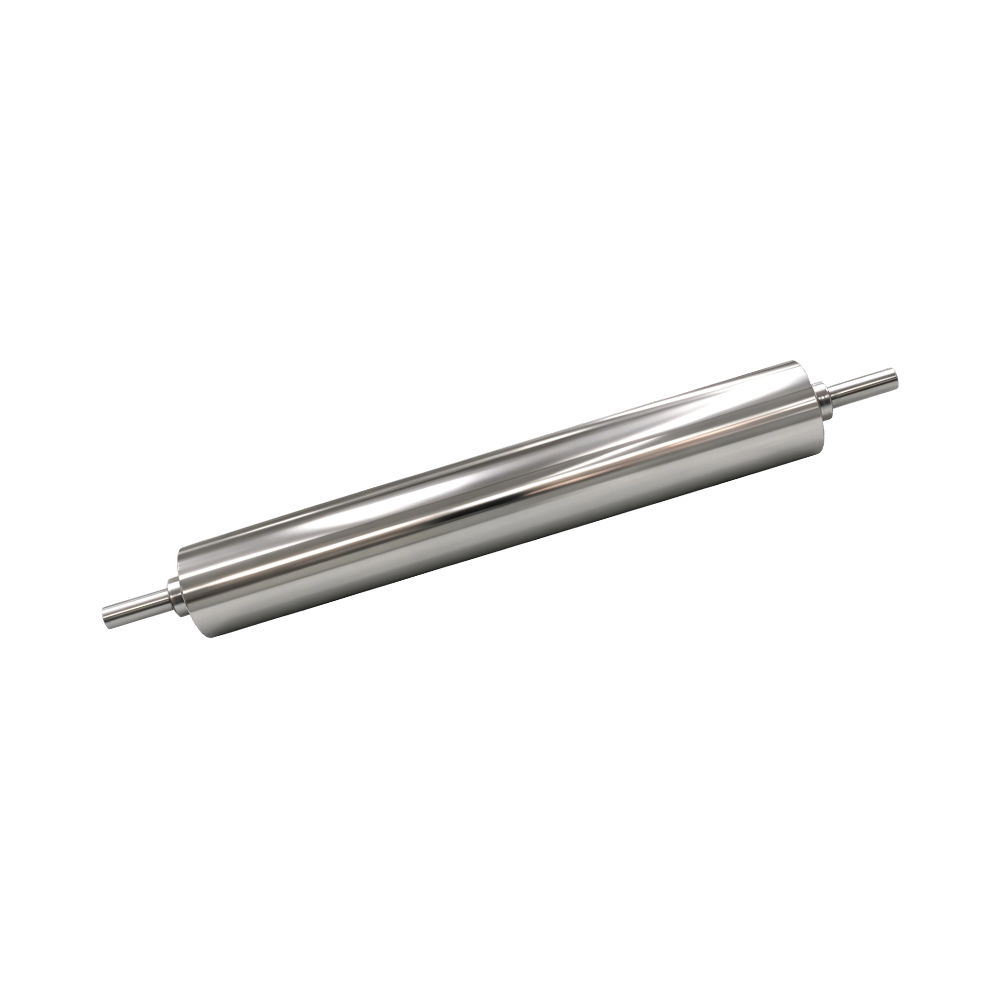
·Metallurgical Composite Double-Layer Structure
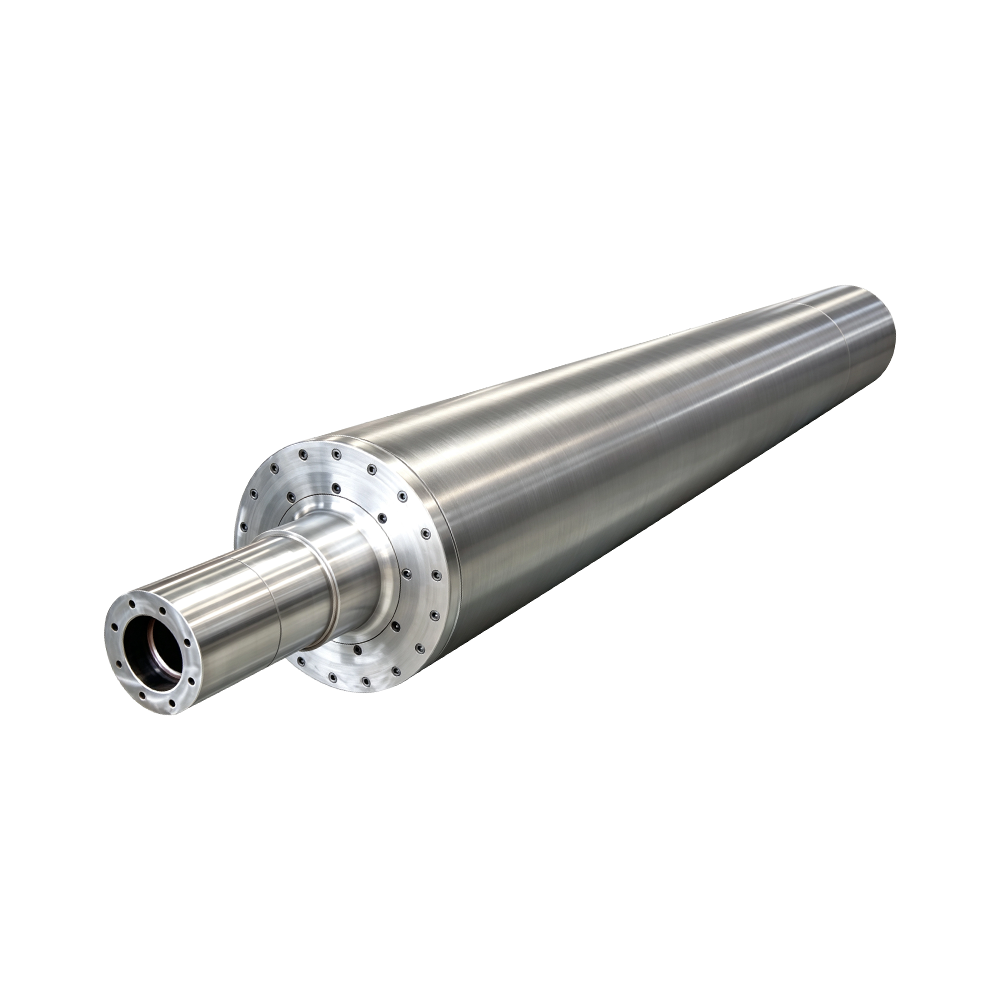
Fundamentally solves the industry dilemma of balancing hardness and toughness under hot rolling conditions. Ordinary hot rolling rollers on the market use single-alloy steel or single-layer cast iron, resulting in a uniform but monolithic metallographic structure that cannot withstand simultaneous high-temperature thermal shock and heavy-load compression: high hardness leads to thermal cracking and edge chipping, while high toughness results in rapid surface wear. The centrifugal casting metallurgical composite process fuses the outer high-chromium nickel-molybdenum heat-resistant and wear-resistant alloy with the inner high-strength forged steel substrate into an integrated metallurgical bond—free from delamination, peeling, or stress interfaces. The dense carbides on the surface ensure high-temperature wear resistance, while the high-toughness core structure absorbs heavy-load impacts, thoroughly eliminating the three major defects: thermal fatigue cracking, surface collapse, and roll body bending.
·Gradient Temperature-Controlled Flow Channels
Suppresses thermal stress concentration on the roll surface, preventing periodic thermal cracks and localized thinning defects. Unlike the simple sandwich water-passage structures of conventional rollers, the independently developed turbulent-flow circulating heat-exchange cavity—optimized through fluid dynamics simulation—ensures uniform media velocity and heat exchange without dead zones, maintaining extremely minimal axial and radial temperature gradients and consistently holding roll surface temperature differentials within ≤±0.65°C. This stable thermal equilibrium significantly reduces metallographic thermal fatigue losses, preventing grain coarsening, surface softening, and micro-crack initiation caused by localized overheating. It is particularly well-suited for wide-width nonwoven, thick film, and fabric high-pressure hot-roll shaping, ensuring highly uniform thickness, basis weight, and density across the entire roll of material.
·Multi-Stage Gradient Heat Treatment
Precision layered metallographic regulation achieves a performance combination of high surface hardness and wear resistance with core impact resistance and deformation resistance. Conventional rollers undergo uniform single-stage heat treatment, yielding a single hardness value that cannot accommodate complex hot rolling conditions. The four-stage heat treatment process—segmented normalizing, surface quenching, overall tempering, and vibratory stress-relief aging—precisely controls the metallographic gradient: surface carbides are finely and uniformly dispersed for high hardness, friction resistance, and burn resistance; the core matrix has refined grains for high toughness, compression resistance, and deformation resistance. Under frequent starts and stops, uneven material thickness, and instantaneous impact loads, there is no pitting, surface spalling, or slight bending of the roll body—perfectly suited for intermittent industrial mass production.
·Triple Dynamic Balancing
Offsets high-temperature load-induced deformation, eliminating high-speed hot-rolling vibration marks and fabric wrinkling. Conventional rollers only undergo room-temperature no-load dynamic balancing; under high-temperature compression, they experience elastic deformation and operational vibration, resulting in periodic transverse streaks and thickness deviations on finished surfaces. Three calibration stages—rough balancing after initial machining, secondary balancing after heat treatment, and precision final balancing under simulated heavy-load conditions—achieve Class G0.8 high-precision dynamic balancing prior to shipment. Under the combined conditions of high temperature, high pressure, and high speed, full-load radial runout is stably maintained at ≤0.0025 mm, thoroughly resolving fiber loosening, uneven consolidation, and surface ripple defects caused by roller vibration during hot rolling of nonwovens and fiber mats.
·Integrally Formed Micro-Flow Guide Texture
Physically vents hot-rolling moisture, eliminating bulging, delamination, and damp-spot defects in composite layers. For hot rolling of spunlace nonwovens, composite fiber fabrics, and wet-laid webs, free moisture trapped inside the material cannot escape under the compaction of conventional smooth hot rolling rollers, easily causing bubbles, delamination, and residual damp stains on finished products. The micro-meter-scale flow-guide dots and grooves, integrally milled during the finishing stage, are completely monolithic with the substrate—unlike post-process laser-engraved or spray-coated textures that are prone to wear, detachment, and buildup. During hot rolling, moisture is rapidly channeled away, allowing fiber layers to compact more tightly and bond more uniformly, significantly enhancing composite layer interlaminar bond strength and finished product yield.
·High-Density Metallographic Structure
Excellent thermal fatigue resistance, suited for long-term alternating hot-cold cycling with no crazing or spalling on the roll surface. Hot rolling rollers operate under the harshest conditions among all roller types, continuously subjected to high-temperature heating, contact with room-temperature materials, rapid cooling, and reheating in high-frequency thermal cycles. Conventional rollers are highly susceptible to thermal fatigue cracks and network crazing. Through refined raw material purification, centrifugal densification forming, and multiple stress-relief aging steps, internal impurities, porosity, and shrinkage defects are reduced to near zero, providing exceptional metallographic structural stability that withstands millions of thermal cycles. Even after extended mass production, the roll surface remains smooth and dense, eliminating the need for frequent turning and resurfacing, significantly reducing maintenance costs and downtime losses.
·Process Adaptability
Embossing rollers focus on reproducing three-dimensional patterns; matte finishing rollers emphasize satin smoothing of films; coating rollers rely on functional coatings for anti-stick and anti-corrosion properties. The core function of the hot rolling roller is to compact, bond, and shape bulky fibers or molten plastic substrates using high temperature and mechanical pressure, continuously enduring three severe degradation conditions: high temperature, compressive loading, and thermal cycling. Consequently, it demands the highest levels of heat resistance, load-bearing strength, and thermal fatigue resistance. Ordinary plain rollers and coated rollers cannot withstand long-term heavy-load hot rolling operations.
·Operational Economy
Excellent thermal crazing resistance significantly extends the resurfacing and turning cycle, reducing annual maintenance grinding frequency by 75%. Consistent calendering dimensional stability lowers raw material waste by 12%–20%, yielding significant economic benefits in mass production. The hard-outer/tough-inner structure provides high impact tolerance; accidental foreign-object entry into the nip is less likely to cause permanent damage, and minor surface wear can be repaired via on-site turning. The high-temperature-resistant substrate does not adhere to molten PP or PE fibers, minimizing roll surface buildup and reducing daily cleaning downtime.
·Quality Enhancement
Nonwoven hot-rolling consolidation is uniform, with consistent tensile strength in both machine and cross directions, reducing breakage during stretching and meeting European and American medical material testing standards. Cast film high-temperature calendering ensures uniform thickness, enhancing subsequent slitting and lamination process compatibility. Rapid moisture venting keeps the fabric dry without damp marks, preventing post-sale issues such as mold growth and delamination during storage.

 English