
 English
 русский
 Español
 عربى



Tel:
+86-519-86701036 / 86702036

Content
A converter running 0.35 mm rigid PVC sheet returns a new calender roll because gloss drifts from 74 to 82 gloss units across the web — while the inspection certificate plainly states Ra 0.03 µm. The measurement is not wrong. The specification is.
Calender roll surface finish is not one number. It is a bundle of parameters — roughness average, peak height, waviness, gloss, chrome condition, hardness and roundness — each tied to the substrate, the line speed and the surface your customer expects. Get the bundle right and the roll disappears into the process. Leave one parameter out and it reappears as banding, blocking, streaks or premature wear.
Most purchase orders carry a single line: "Ra 0.05 µm". A roll can meet that figure and still fail in production, because Ra averages peaks and valleys over a sampling length and hides isolated scratches, plate nodules and slow waviness. Seven items close the gap:
| Parameter | Indicative value | What it governs |
|---|---|---|
| Ra, chrome-plated mirror roll | 0.01–0.05 µm | Film gloss, contact area, release |
| Ra, matte or satin roll | 0.4–1.6 µm, or set from a gloss target | Matte level, hand feel, air escape at the nip |
| Rz / Rmax | Typically ≤ 4 × Ra, no single scratch above 1 µm | Pinholes, streaks, point defects |
| Gloss at 60° | 60–90 GU on rigid PVC, held within ±3 GU across the web | Appearance acceptance by the end customer |
| Ra variation across face | ≤ 0.01 µm between measurement zones | Gloss banding and stripes |
| Chrome layer | 20–50 µm at roughly 950–1100 HV | Wear life, corrosion resistance, release |
| TIR / roundness | 0.01–0.02 mm | Nip uniformity and gauge bands |
The same Ra figure means different things on different lines, because the job of the surface changes.
The roll texture is transferred almost directly to the sheet, so a mirror chrome roll is normally finished to Ra 0.02–0.05 µm, with gloss consistency as the real acceptance criterion. Polishing beyond need carries risk: an over-smooth roll can trap air at the nip, stick to hot sheet and cause blocking on the winder. Temperature uniformity of roughly ±1–2 °C across the face belongs in the same specification, because a cold band reads as a matte band.
Bonding comes from an engraved pattern, so bond point area — often 10–30% — plus depth and edge sharpness matter far more than the Ra of the land area. The finish requirement here protects release: land surfaces smooth enough to resist fibre pick-up, edges hard enough to hold shape over millions of nips.
Gloss calenders run rolls finished around Ra 0.1–0.3 µm, frequently against an elastic backing roll. Because paper product processing generates dust and filler transfer, the finish must be cleanable and the chrome free of micro-pits that collect residue and print as spots.
Roughness is deliberately non-zero. Temper rolls are textured to Ra 0.2–1.0 µm to control friction and paint appearance, while embossing rolls are judged on pattern depth and definition. Polishing an embossing roll to a mirror usually changes friction and dulls pattern edges.
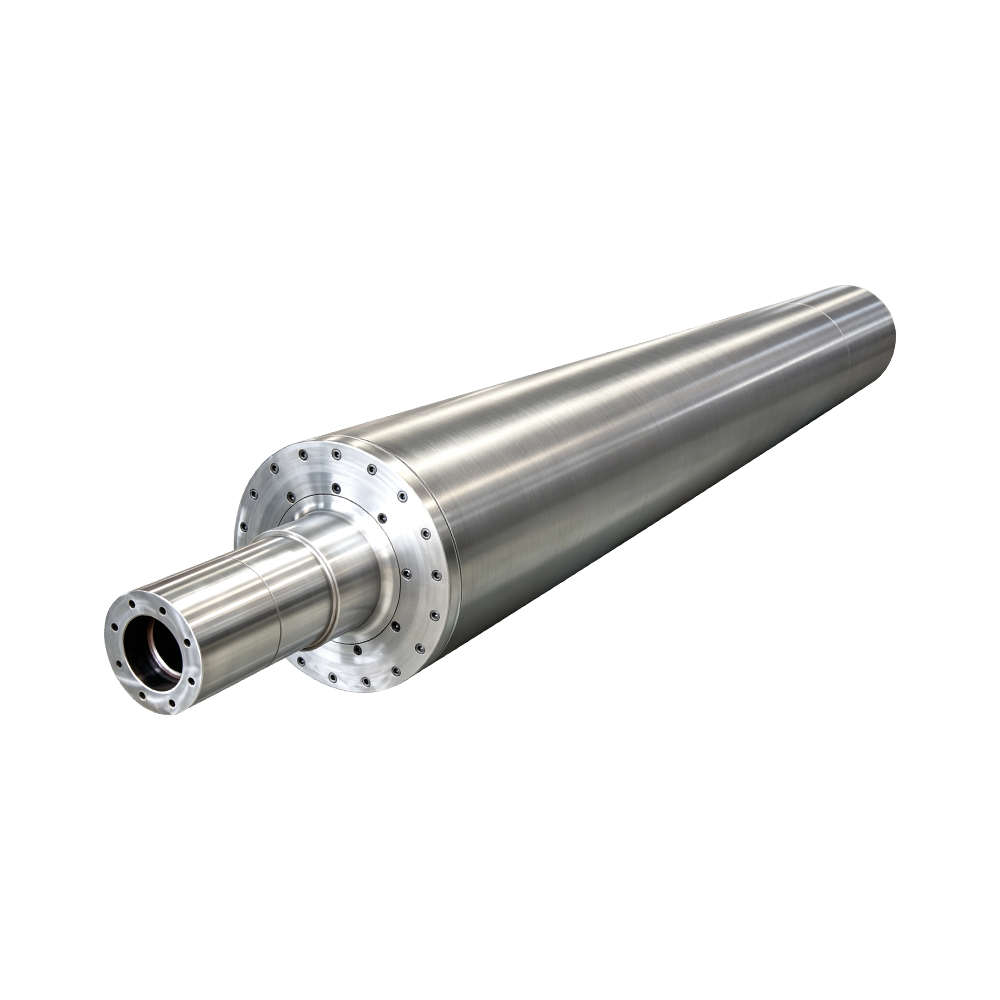
Mirror and near-mirror rolls are bought on optical consistency. The decisive questions are how the chrome is polished after plating, how the finish is verified at three or more positions across the face, and how the roll is protected in transit — a handling scratch in a 0.02 µm surface cannot be blended out on site.
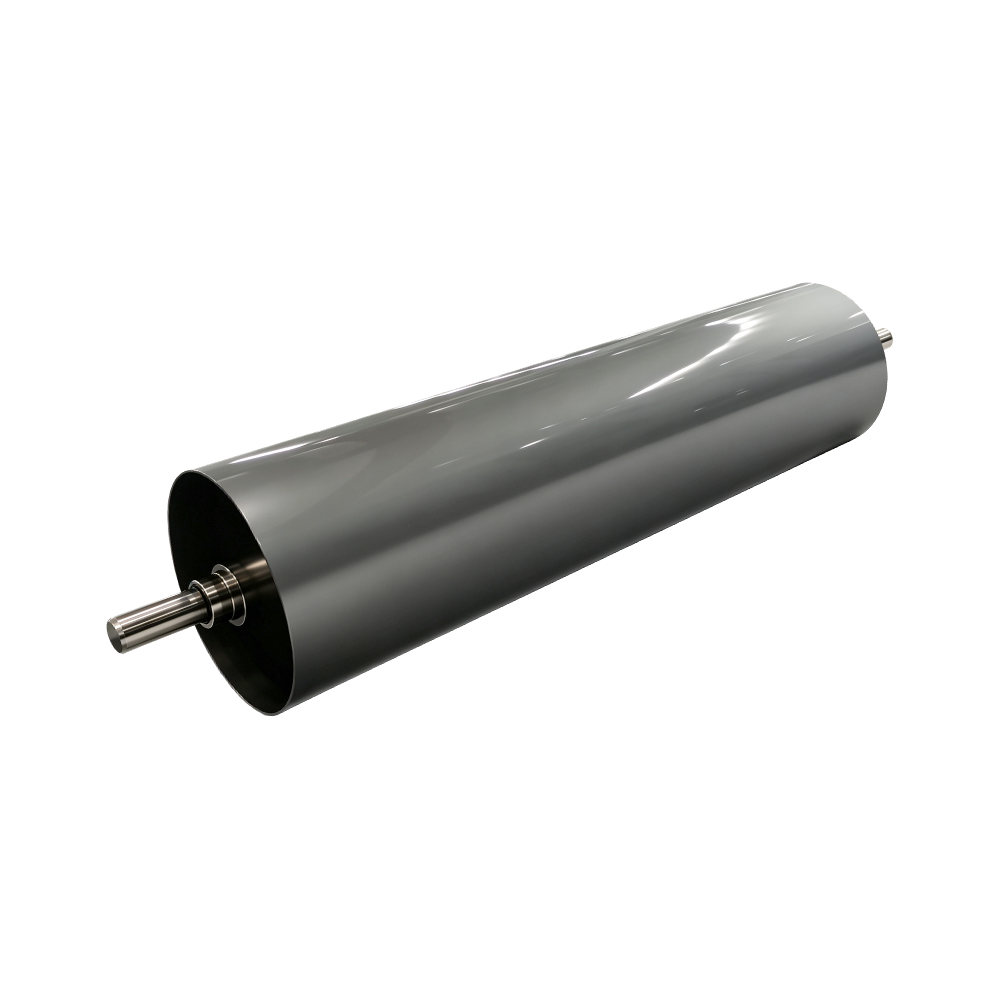
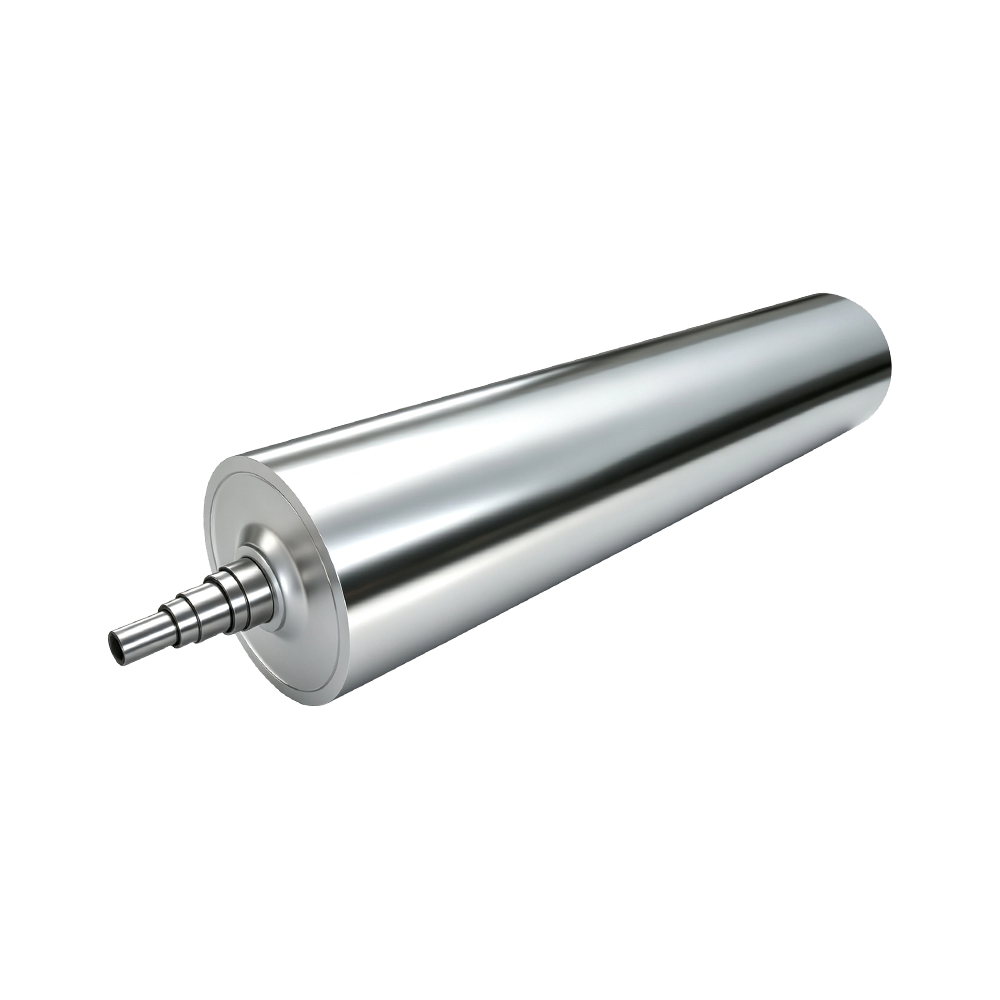 Mirror Finish Calendering Roller for High-Gloss Film LinesFor optical consistency, this nano-polished calendering roll offers Ra ≤0.005–0.015 μm, hard chrome, and uniform temperature control across the face.View Product →
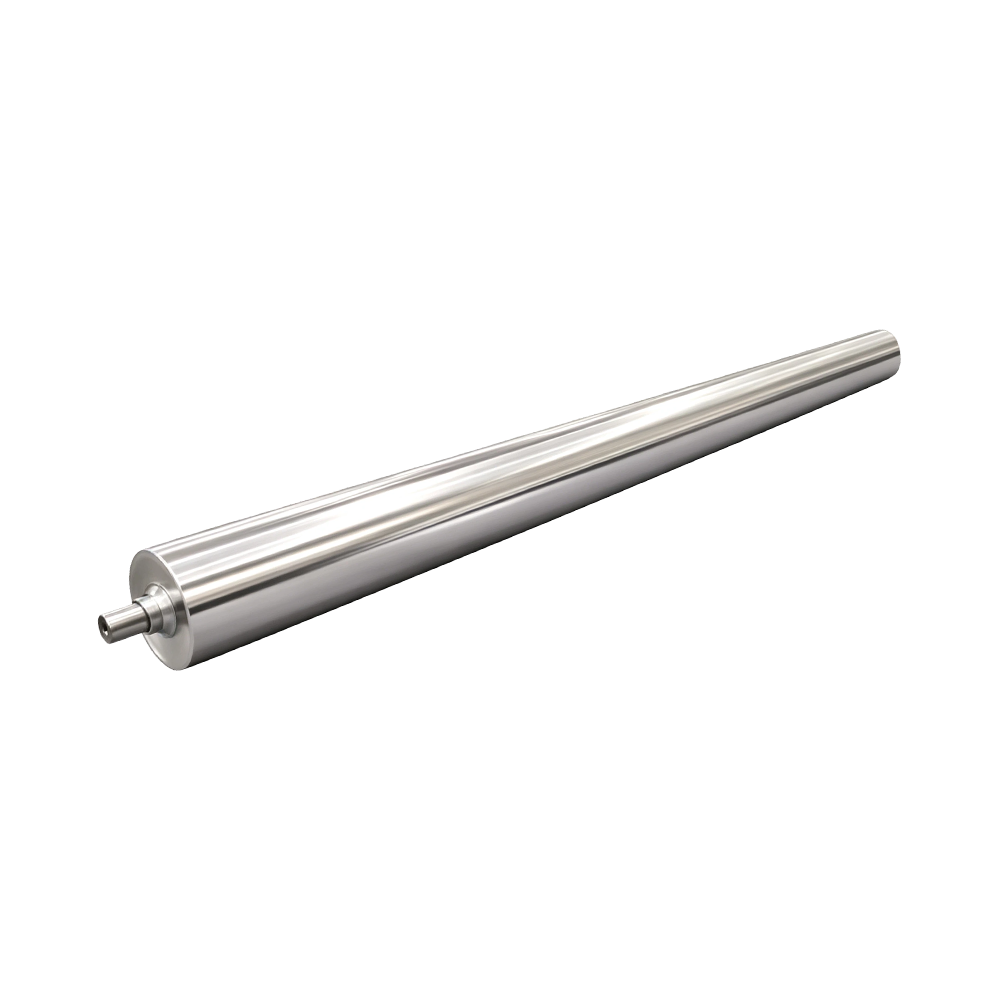
Matte rolls are bought on reproducibility of appearance. Roughness is only a proxy: two rolls can both read Ra 0.9 µm and still produce visibly different matte levels, because peak distribution and lay direction differ. The workable approach is to approve a physical sample or gloss target first, then let the roller maker define the texturing and Ra window that reproduces it.
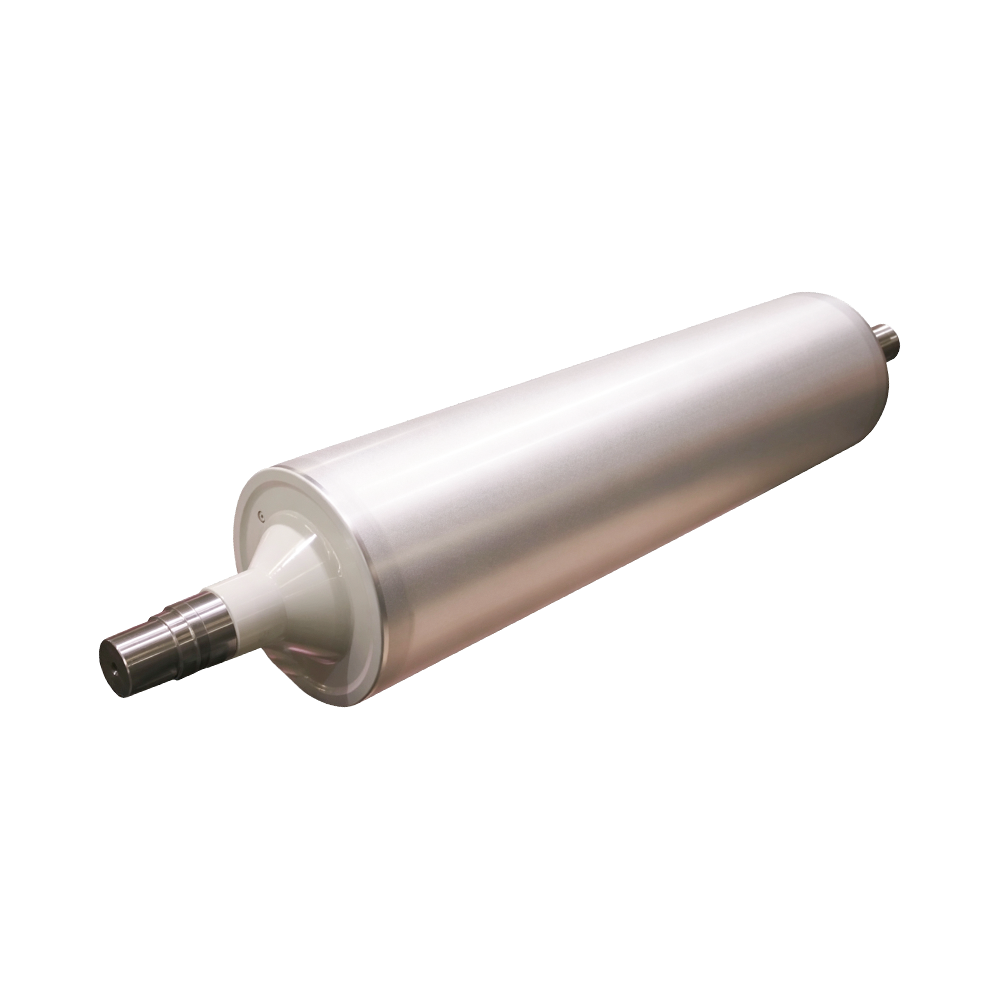
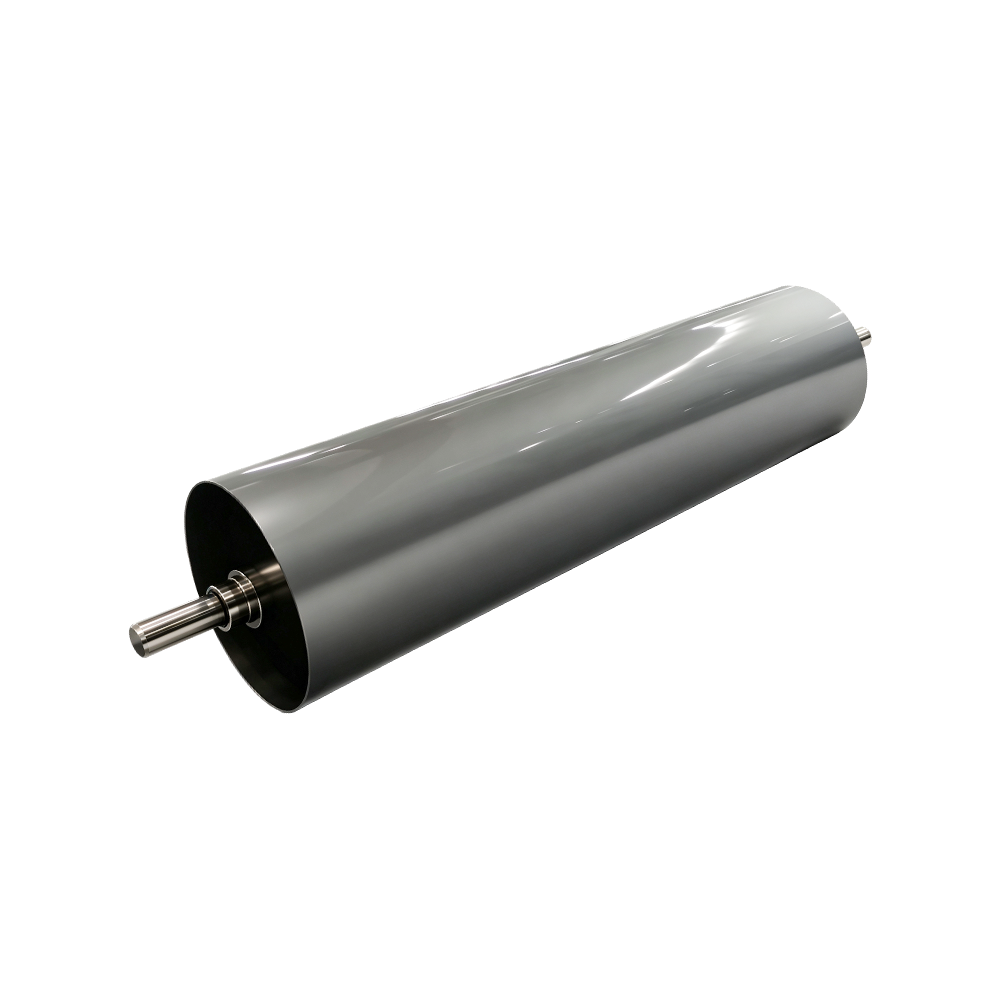 Matte Finish Calendering Roller for Controlled Surface GlossFor reproducible matte appearance, this precision roll combines sandblasting and laser texturing, Ra 0.3–3.0 μm, hard chrome, and stable temperature control.View Product →
Patterned rolls are bought on fidelity and wear resistance. Depth tolerance, edge sharpness, engraving consistency around the circumference and pattern hardness decide how long the texture survives. Land-area roughness is a secondary acceptance item — useful for release, not for defining the product.
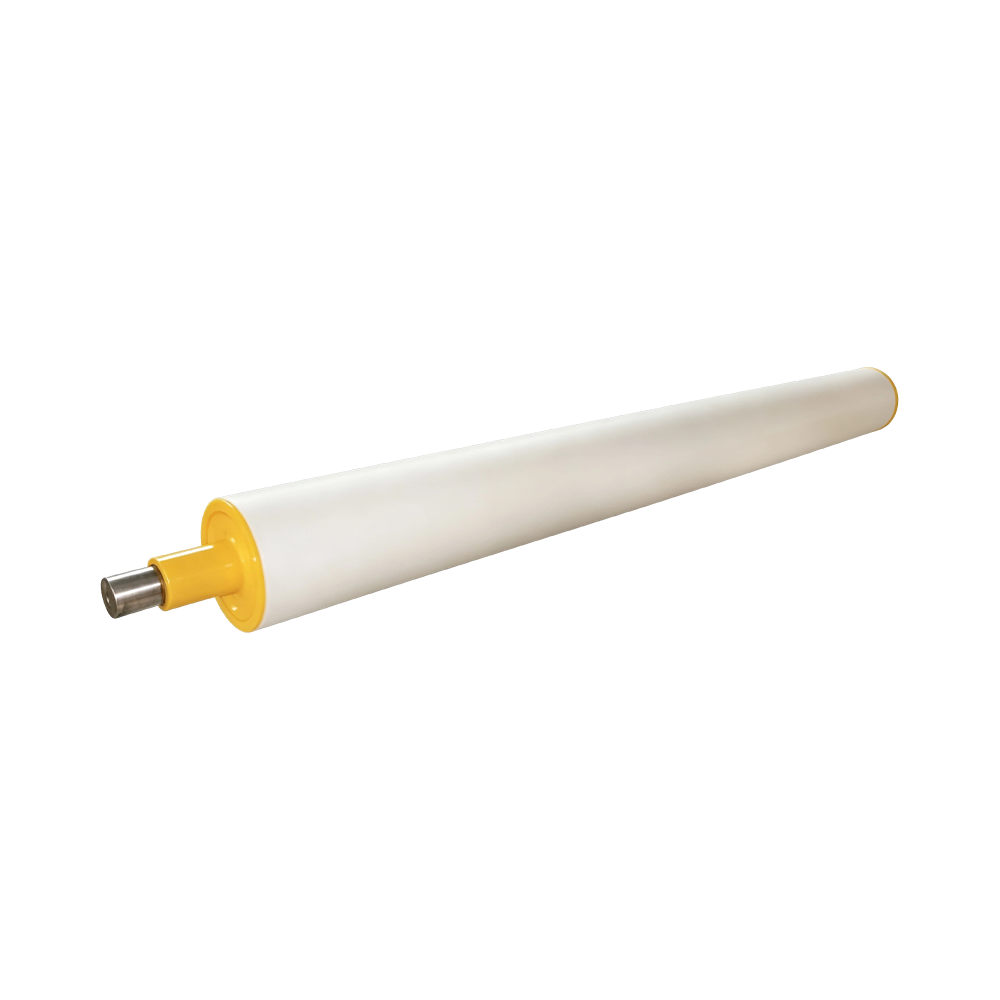
Cast film and sheet lines add a fourth case: the chill roll sets both optical quality and release, so finish, internal cooling layout and temperature uniformity have to be specified together. A perfectly polished surface still produces orange-peel and chatter marks if the thermal side is ignored.
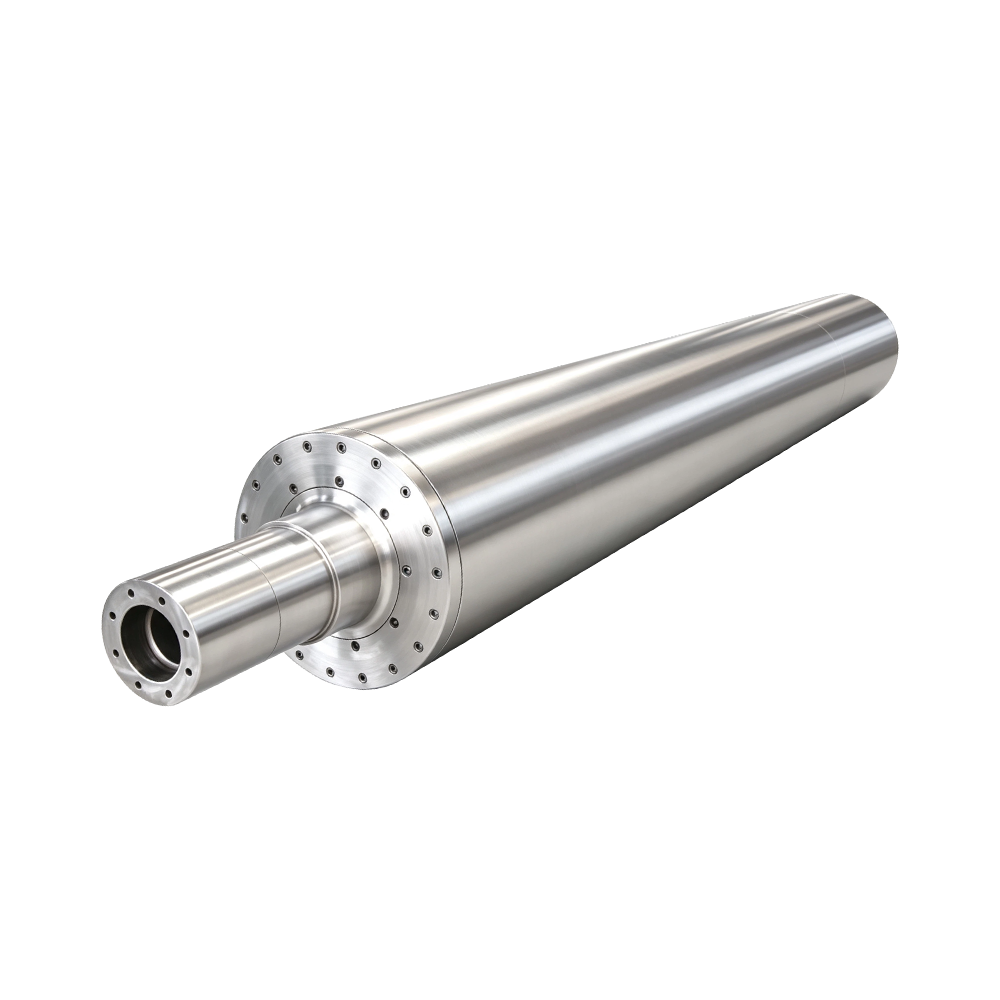
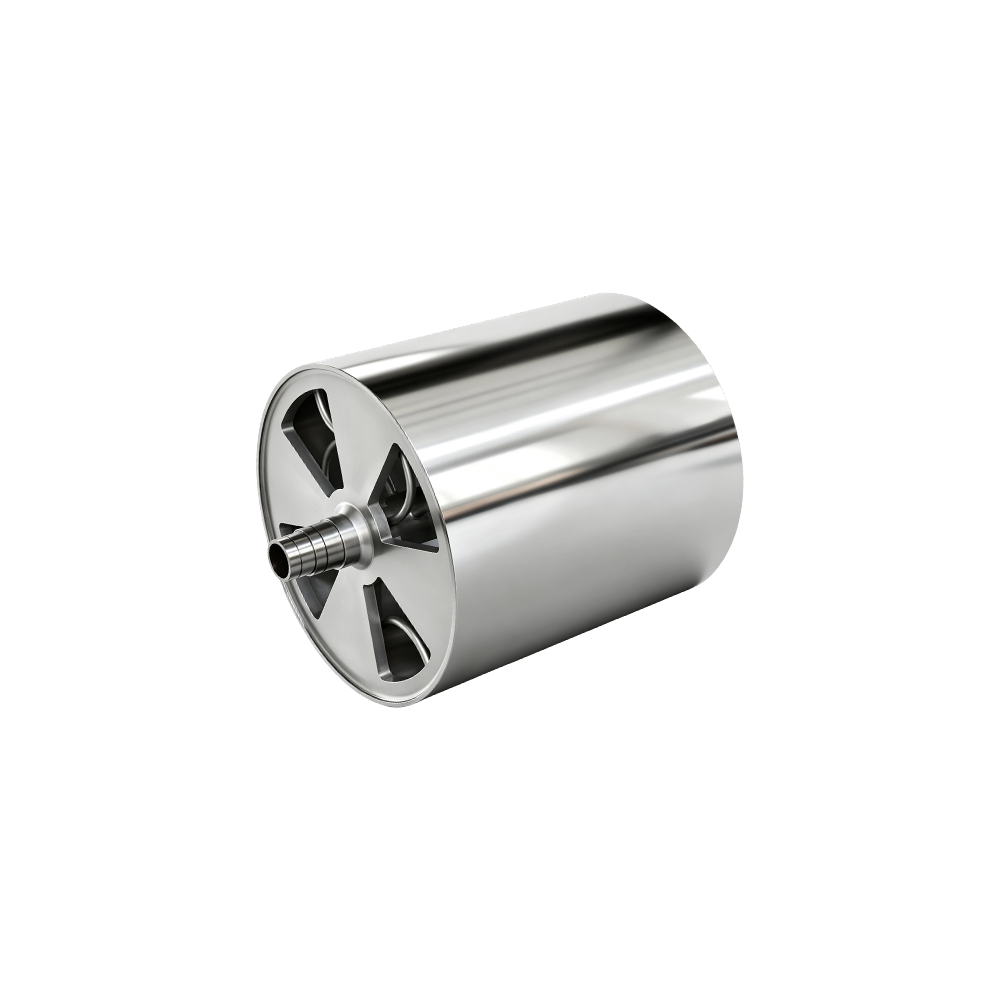
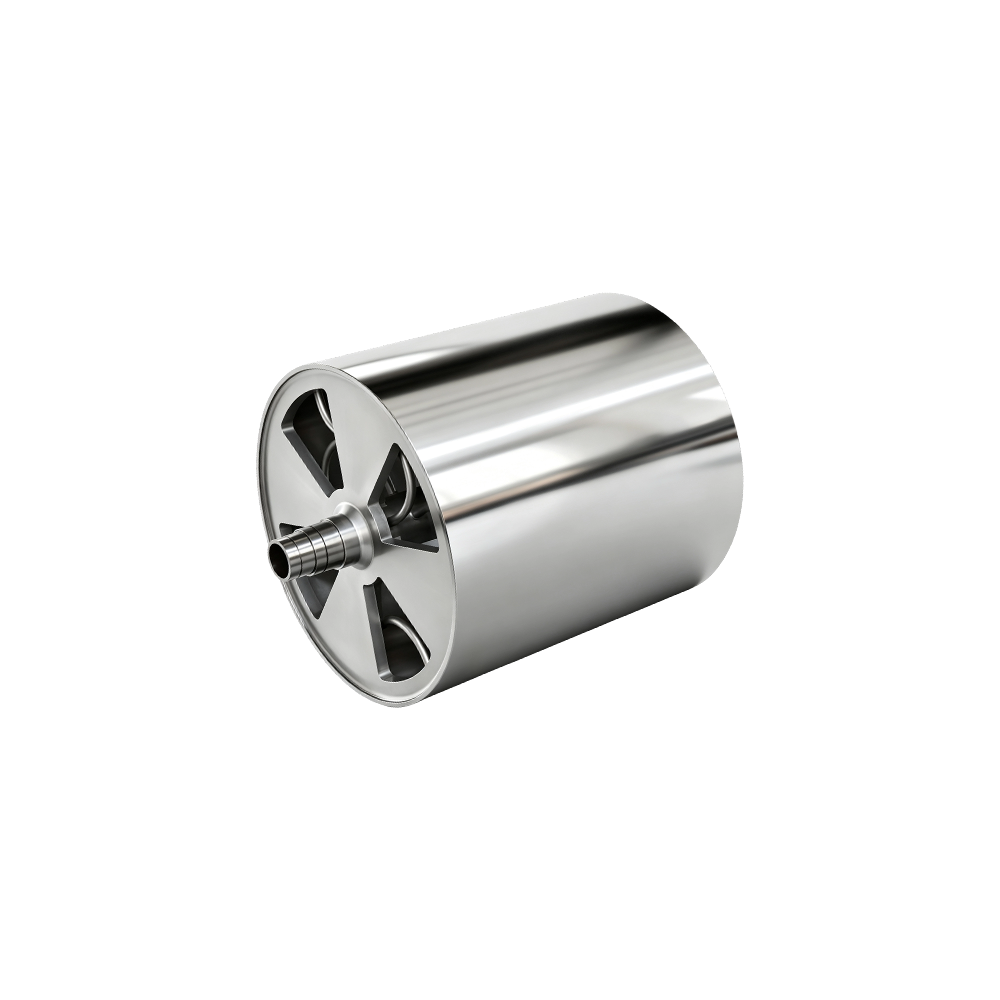 Chill Roller for Biaxially Oriented Film Casting LinesCasting roller with CNC dual-flow cooling, Ra ≤0.006 μm, hard chrome, and G0.8 balancing for BOPP, BOPET, and battery separator base films.View Product →
Hard chrome is what most calender rolls actually present to the product, so its condition belongs in the finish specification rather than in a separate maintenance note. Typical practice is a 20–50 µm layer at roughly 950–1100 HV over a through-hardened steel body, followed by grinding and polishing that removes a few micrometres and defines the final dimension.
Every re-polish removes chrome. Two or three cycles usually mean stripping and re-plating, which is why the original thickness matters commercially as well as technically.
A finish requirement is only useful when both parties measure it the same way. A practical sequence:
The discipline behind the numbers matters just as much. Quality control that records where each trace was taken, at what temperature and with which instrument settles most disputes before the roll reaches the loading dock.
No. Below roughly Ra 0.02 µm, many film lines lose release and begin trapping air at the nip, and sheet can block on the winder. The right value delivers the required gloss and release at production speed — not the smoothest surface obtainable.
Cleaning, degreasing and light dressing can be done in the plant. Changing roughness, gloss or chrome condition requires stripping, plating, grinding and polishing in a controlled shop, with the roll re-measured and re-balanced afterwards.
Yes, in both directions. A well-polished chrome surface reduces friction and chemical attack, while an over-polished or thinly plated surface wears through faster at the edges, where pressure and abrasion are highest.

Tel:

E-mail:

Add:

Copyright © Changzhou Wujin Guangyu Embossing Roller Machinery Co., Ltd. All Rights Reserved Precision Industrial Rollers Manufacturer Calendering Machines Factory
