
 English
 русский
 Español
 عربى


Tel:
+86-519-86701036 / 86702036

Content
A calender line can hold 80 kN/m nip pressure and still produce sheet that is 8 microns thicker in the centre than at the edges. The material may be in specification and the gauges calibrated. The likely cause is calender roll deflection: elastic bending under the separating force, amplified by thermal crown, bearing clearance and frame deflection. The fix is not simply a stiffer roll. It is a system match of roll geometry, crown, temperature, load and alignment. Here is what deflection does, how to recognise it and how to prevent it.
Deflection changes the gap across the roll face, so it changes thickness, gloss and tension in the same pass. In a two-roll calender, the separating force pushes the rolls apart. If the rolls were perfectly straight and supported, the gap would be uniform. In practice, the body bends, the journals and bearings deflect and the housing stretches. The gap is usually widest near the centre, although an over-crowned or thermally distorted roll can reverse that pattern.
Geometry matters. For a simply supported roll under a uniform load per unit width, bending deflection rises roughly with the fourth power of face length. At the same load per unit width, doubling the face length can raise that component by about 16 times. A larger diameter adds stiffness, but also weight, thermal inertia and warm-up time. That is why a heavier roll is not automatically a better roll.
Operators often read one hydraulic pressure and assume the nip is uniform. It is not. Pressure varies across the face because of bending, crown, temperature, bearing clearance and frame stiffness. The gauge shows total load, not distribution. A line can run at the correct pressure and still produce centre bands, edge wrinkles or gloss streaks.
Most deflection problems combine mechanical and thermal effects. Use this as a troubleshooting sequence, not a list of isolated faults.
Use this table as a first-pass diagnostic. Confirm the finding with a nip impression at production load and temperature, not at idle.
| Symptom | Likely cause | First check | Practical correction |
|---|---|---|---|
| Centre band thicker than edges | Insufficient crown or excessive roll bending | Nip impression at running load; deflection calculation | Correct crown; add bending or backup support; increase roll stiffness |
| Edges thicker, centre thin | Over-crown or centre thermal bulge | Roll temperature map; nip width | Reduce crown; stabilise temperature; adjust bending |
| Diagonal gauge or one-side wrinkle | Roll misalignment or uneven bearing load | Parallelism, bearing clearance, frame shim | Realign rolls; reset bearing preload; check housing |
| Random gauge bands | Bearing wear, vibration or roll damage | Vibration trace; TIR; surface inspection | Replace bearings; regrind or replace roll; balance |
| Gloss or pattern variation | Local pressure or finish change | Nip pressure map; surface finish | Refinish; re-crown; clean or replace damaged roll |
The reliable plan has three layers: a roll designed for the load, a compensation system that can adjust to the product, and operating discipline that keeps temperature and alignment stable. Use all three; one measure rarely holds across a broad product mix.
Start with maximum nip load, face width and product tolerance. Ask for a deflection calculation at that load, not a generic catalogue rating. Choose roll diameter, material and bearing centres together. A larger diameter increases stiffness, but also weight and warm-up time; a shorter face or compound roll may be the better trade.
Fixed crown can work for a narrow, stable product range. For a mixed range, variable crown, internal pressure zones or roll bending cylinders give the operator room to correct profile without changing rolls. Document the crown curve with the load and temperature assumptions used to generate it. If the sheet is centre-thick, confirm the nip impression and thermal profile before adding crown.
Surface finish belongs in the same specification. A mirror finish helps gloss and release, while a matte finish can control slip and air entrapment. Specify finish, crown and thermal duty together; otherwise a replacement roll can meet each item separately and still fail in the nip.
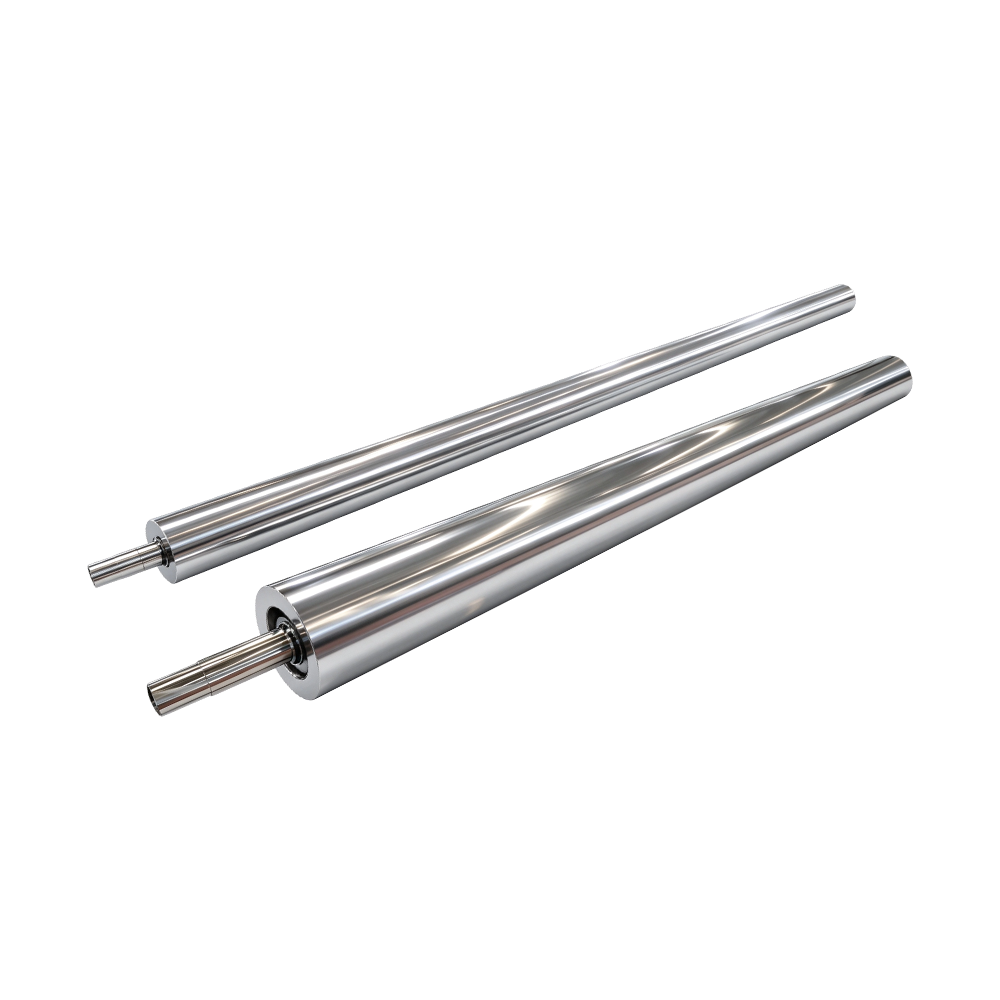
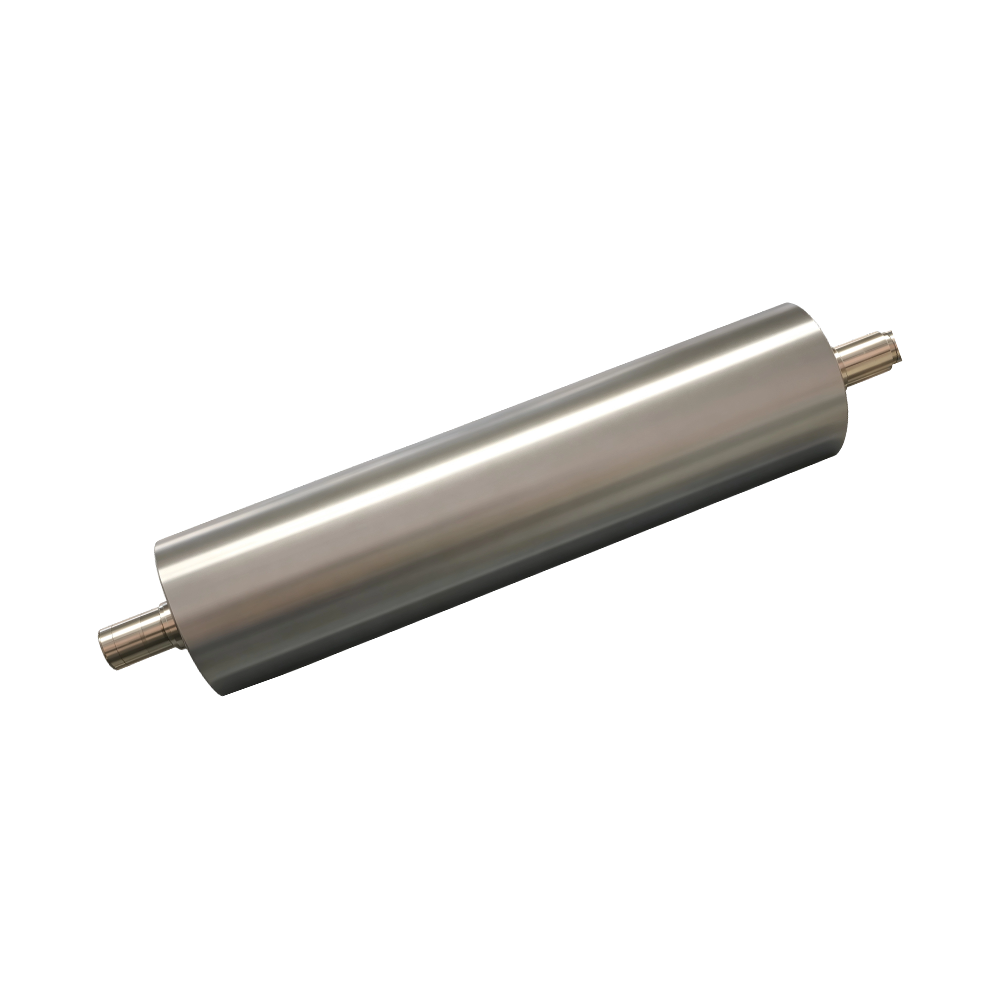
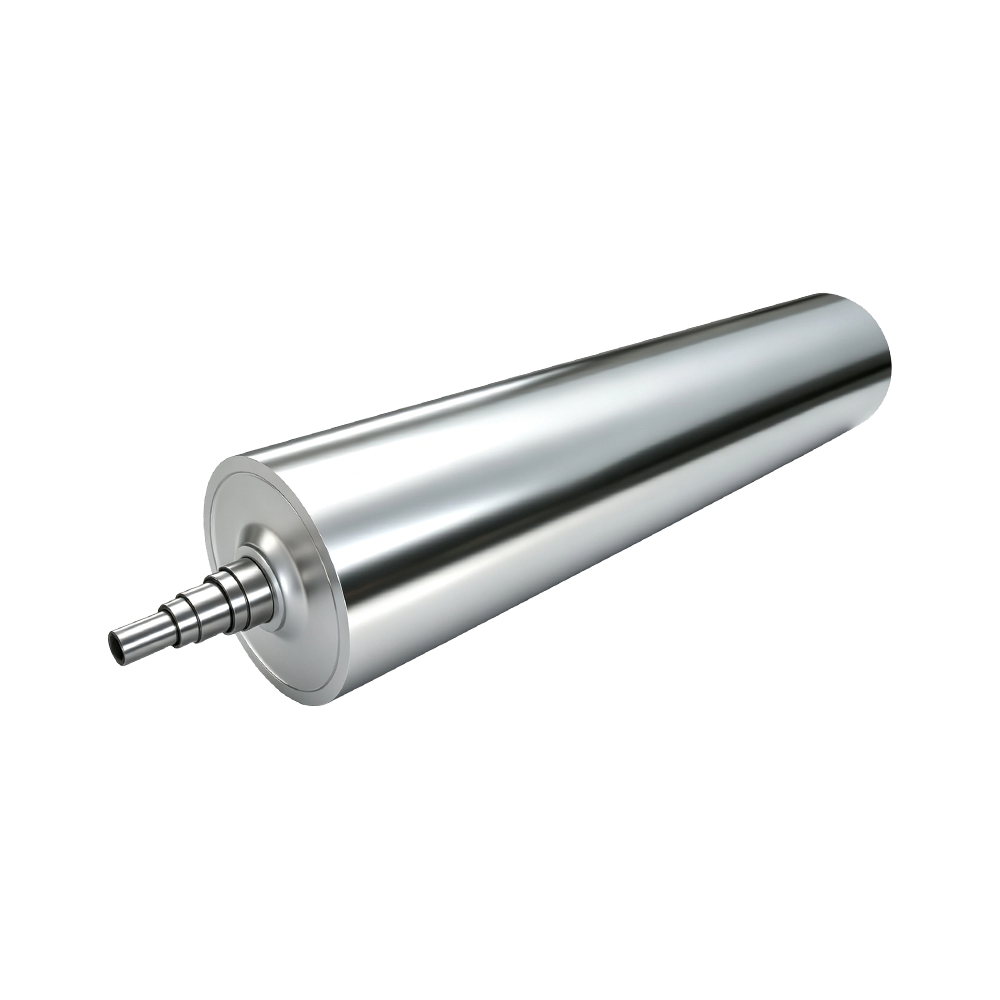 Precision Mirror Finish Calendering RollerPrecision calendering roller with 42CrMo body, hard chrome, and uniform temperature control for films, paper, nonwovens, and composite surface finishing.View Product →
For a matched pair, treat the two rolls as one assembly. Mixing a new roll with a worn mate can move the pressure band even when the new roll is within tolerance.
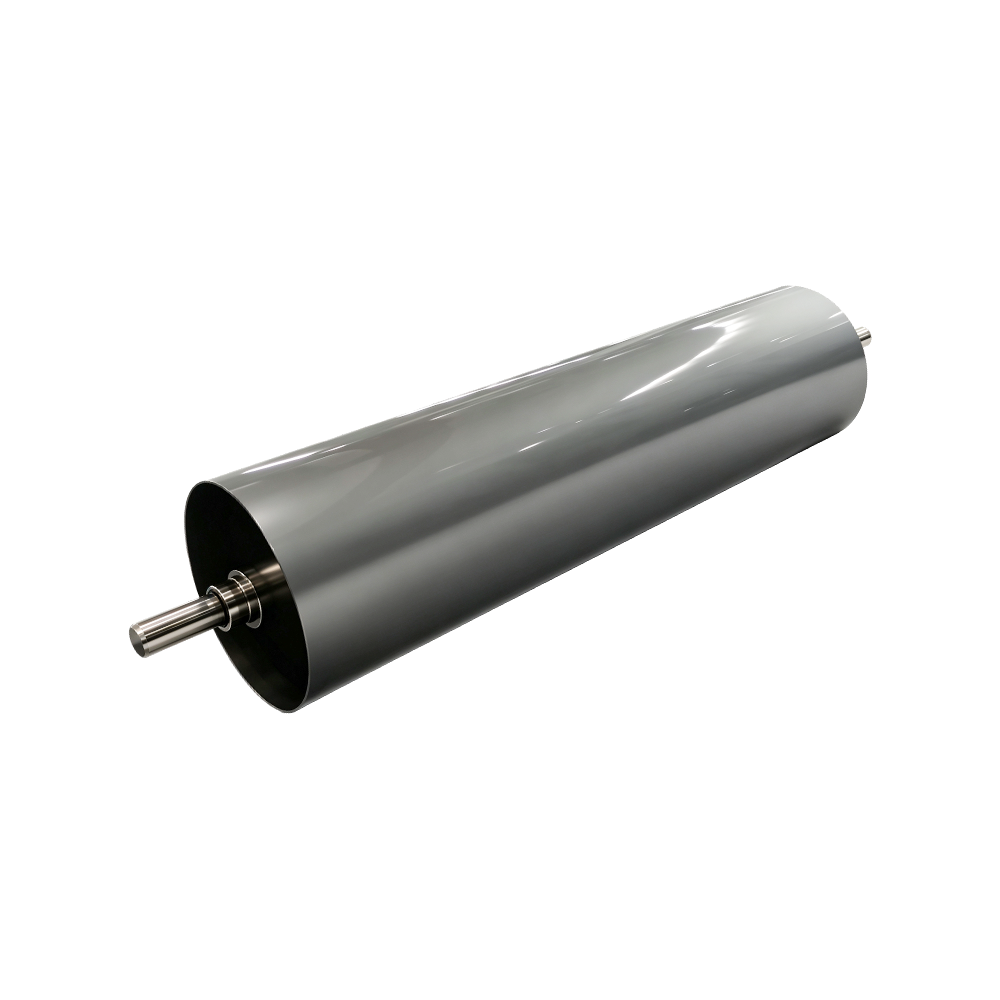
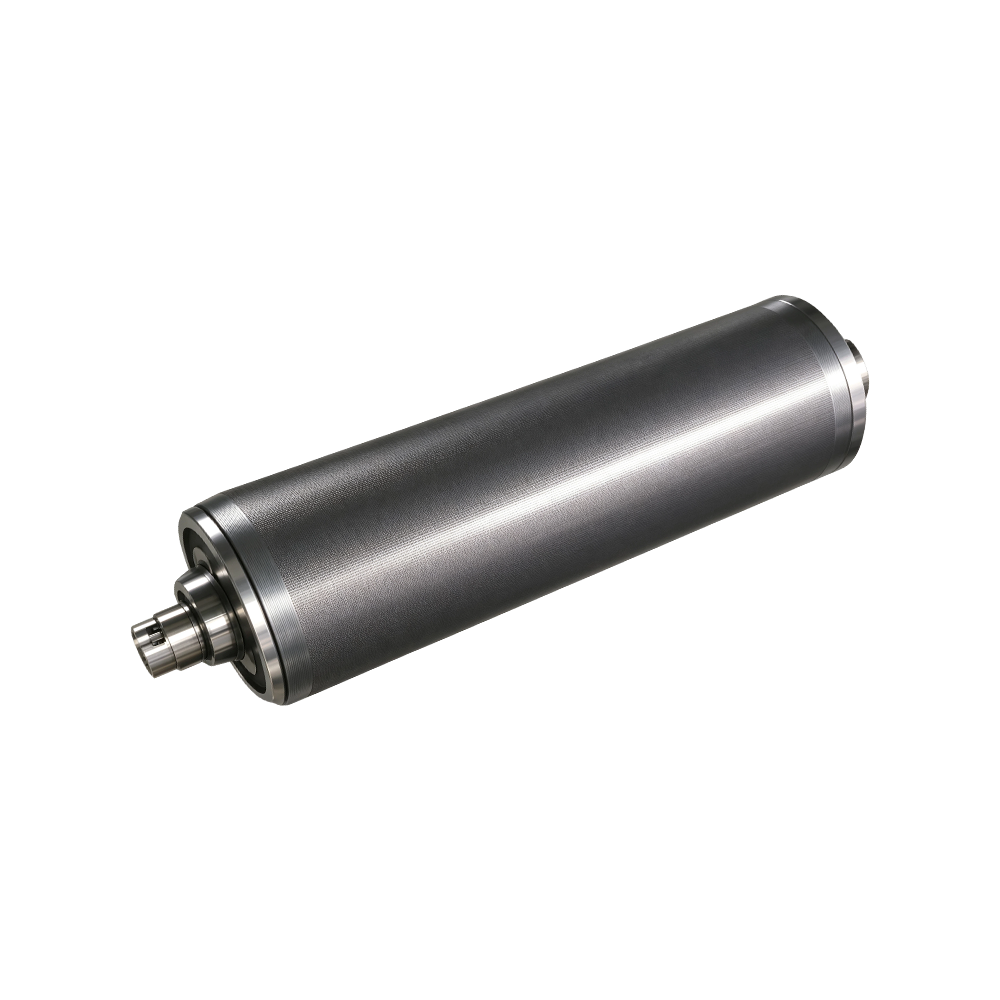
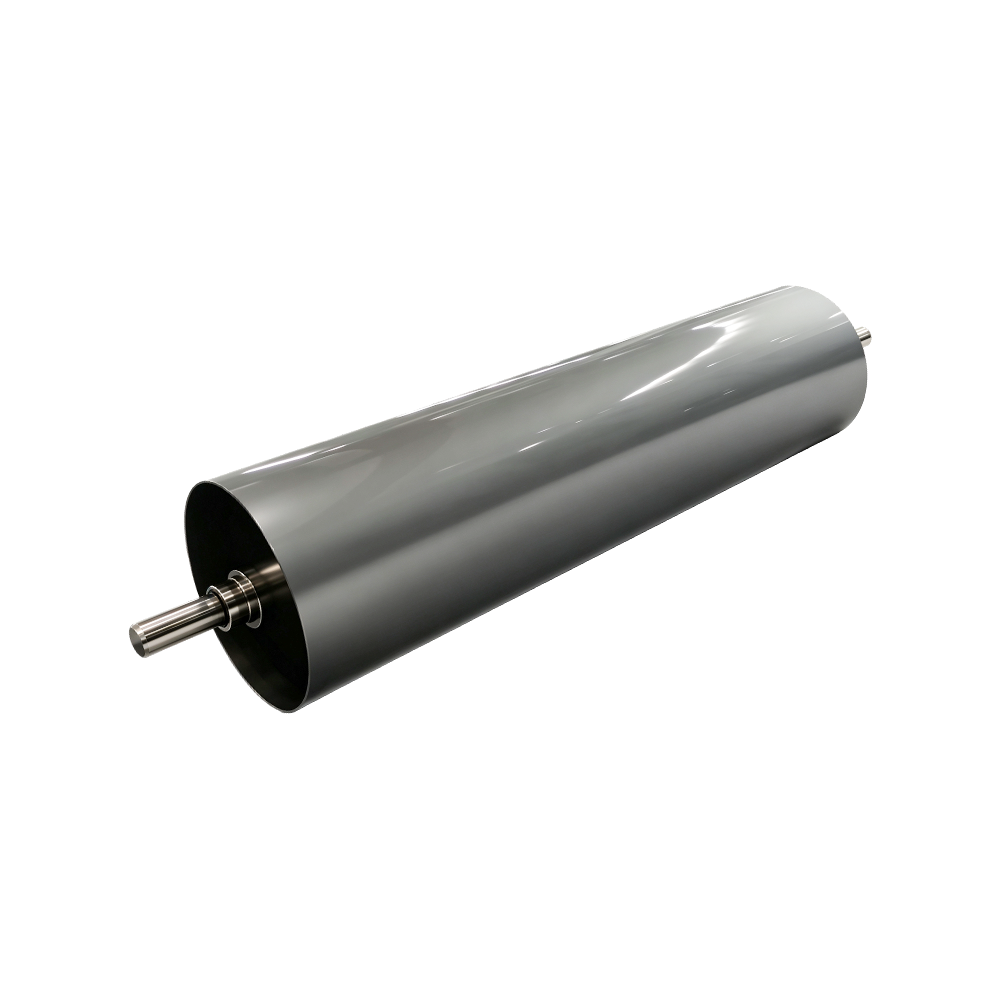 Textured Matte Finish Calendering RollerIndustrial matte calendering roller with laser texturing, controlled Ra0.3–3.0 μm roughness, and uniform temperature for plastic films, nonwovens, and synthetic leather.View Product →
Bring the rolls to operating temperature before production, and hold it through speed changes. Check internal channels, rotary joints and seals. Map the roll face with a contact thermometer or thermal camera. If one edge runs cold, the effective crown changes and the operator may compensate with pressure, which makes deflection worse.
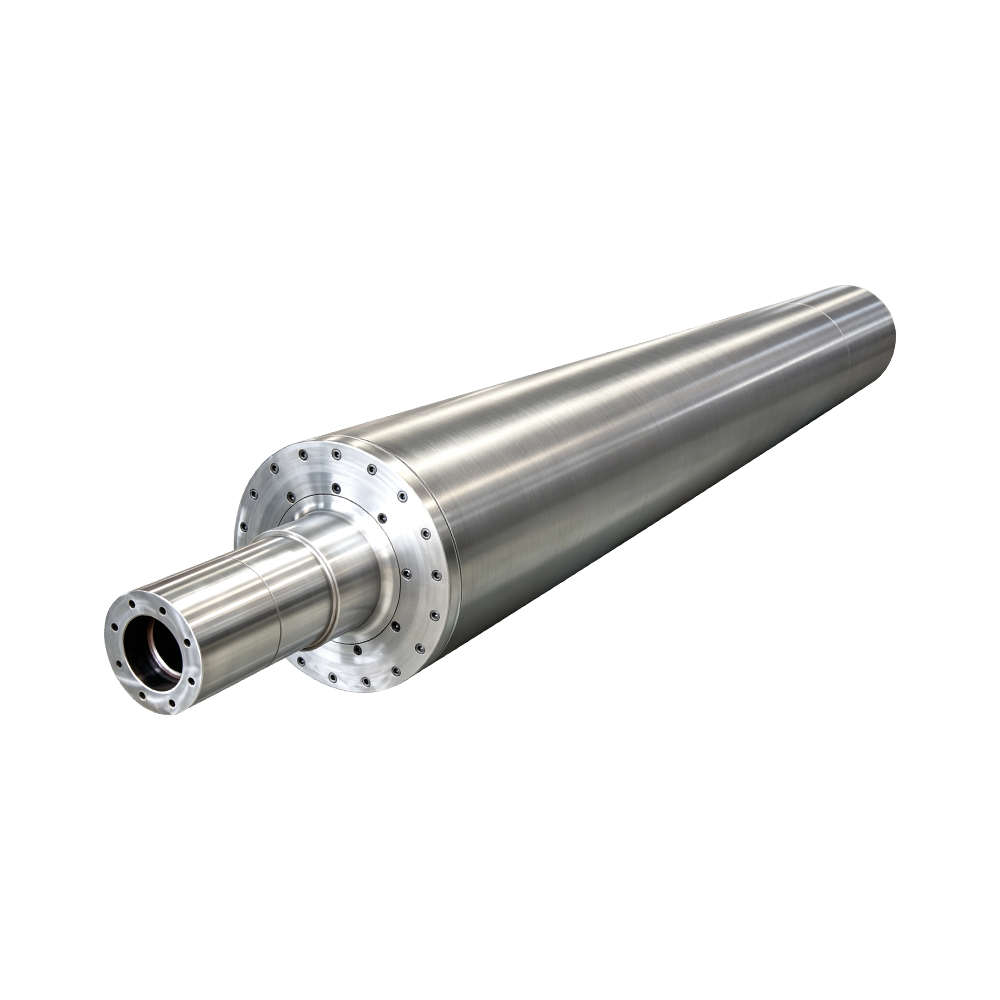
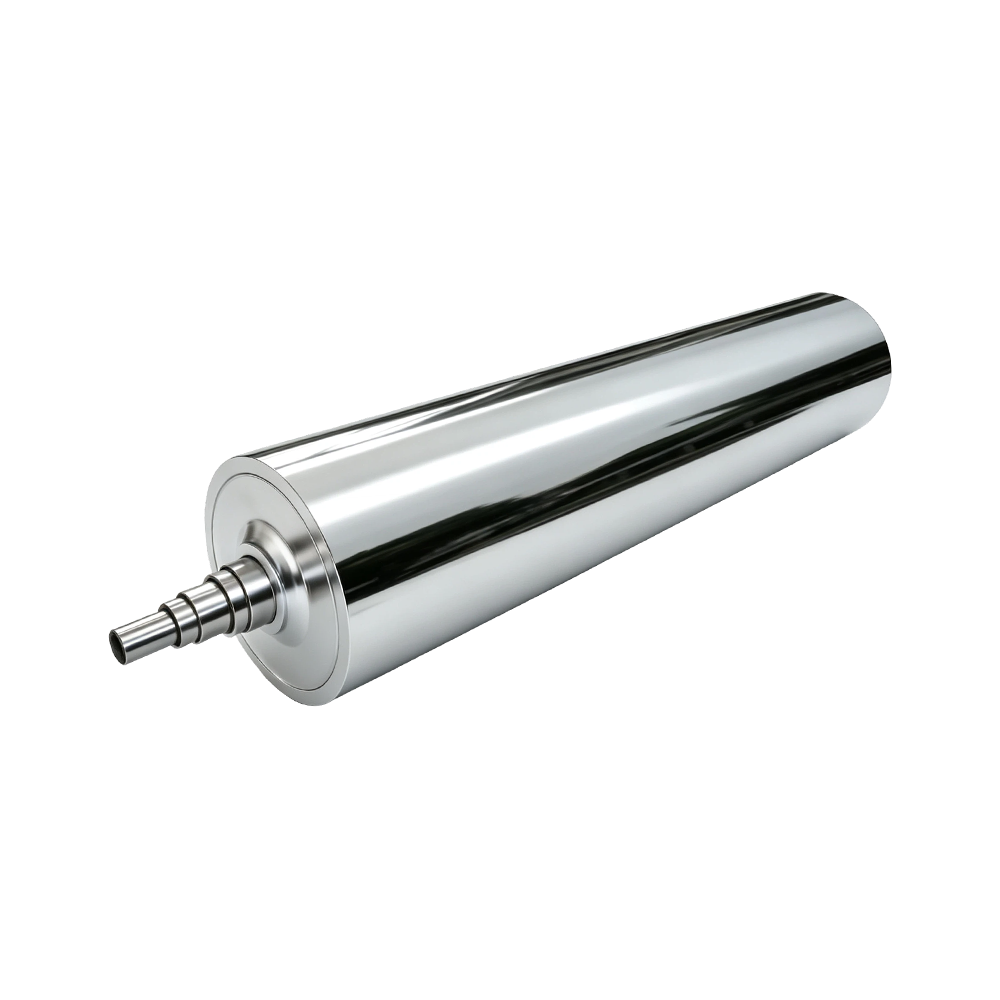
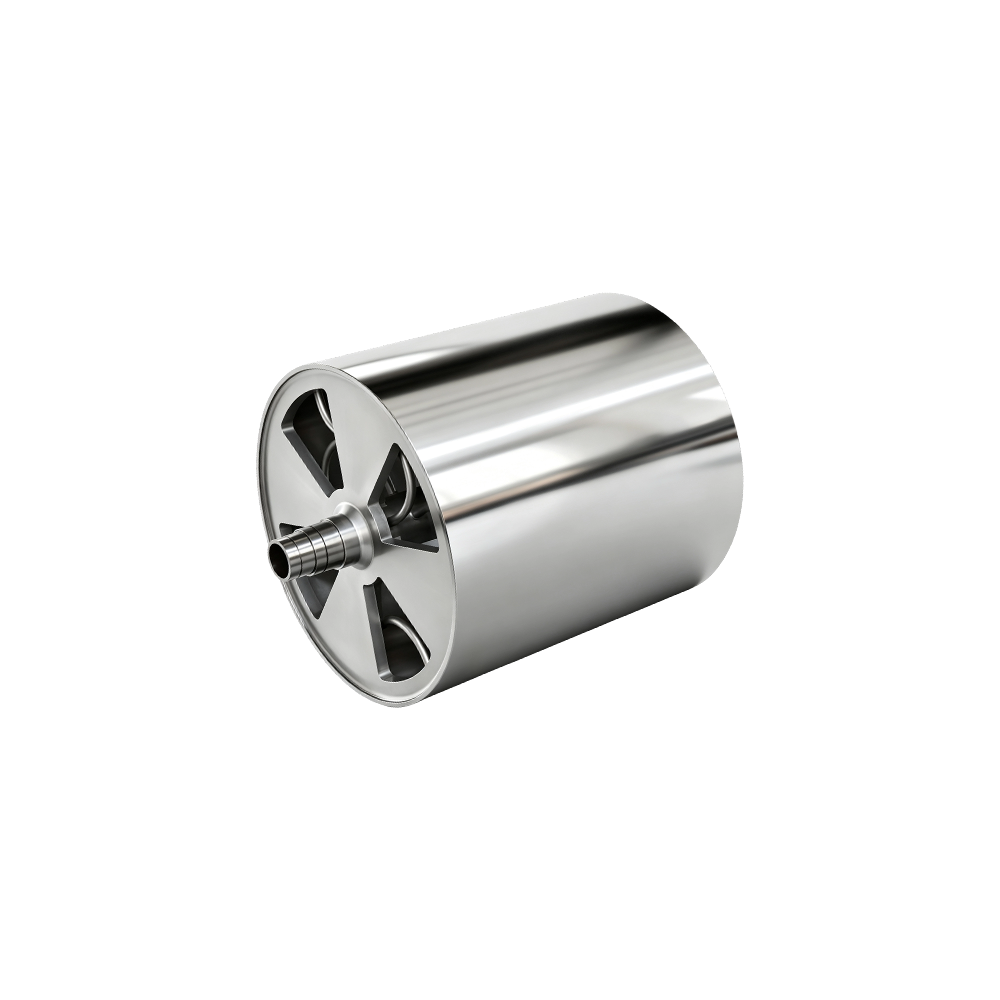 Chill Roller for Biaxially Oriented Film CastingCasting chill roller with alloy forging, dual-flow cooling, and ≤±0.5°C axial uniformity for BOPP, BOPET, battery separator, and optical film lines.View Product →
For heat-sensitive materials, a properly designed chill or heat-transfer roll stabilises the thermal profile before the nip. The goal is not one perfect temperature; it is a repeatable profile across the full face.
Check roll parallelism, bearing clearance, chock fit and frame condition after bearing work, roll changes or foundation repair. Use nip impression film or pressure-sensitive paper at running load. A good impression is uniform across the face, with clean release and no hard edge. If the impression is heavy at one side, correct alignment before adjusting crown.
If the same defect returns after a roll change, do not assume the new roll is wrong. Check bearing fit, housing shim and warm-up routine first. Deflection is a load-path problem, and the roll is only one part of that path.
There is no universal number. Work back from product tolerance. If sheet gauge tolerance is 10 microns, a deflection pattern that consumes most of that budget leaves no room for thermal or tension variation. Thin film and battery electrodes usually need a smaller fraction than nonwoven and paper.
No. Crown compensates for a defined load and temperature. It can be effective in a stable process, but it cannot remain neutral across a wide load range. Variable crown or bending systems are better when the product mix changes often.
Usually not. Higher pressure increases the separating force and therefore increases deflection. It may temporarily improve gloss, but it can widen the centre band and raise edge stress. Fix crown, temperature and alignment first.
After every roll change, bearing repair, product change and thermal event. In a stable line, monthly verification is a reasonable minimum; with frequent product changes, check at each major set-up.
Calender roll deflection is easier to prevent than to correct after a production run. Define the load and temperature window, specify crown and finish as a system, verify the nip at running conditions, and keep the thermal profile stable. If a profile problem persists, the next step is a structured review of the roll pair, bearing path and process data. Contact our team to discuss your calender roll application and the profile you need to hold.

Tel:

E-mail:

Add:

Copyright © Changzhou Wujin Guangyu Embossing Roller Machinery Co., Ltd. All Rights Reserved Precision Industrial Rollers Manufacturer Calendering Machines Factory
