·Deep-Hardened Substrate
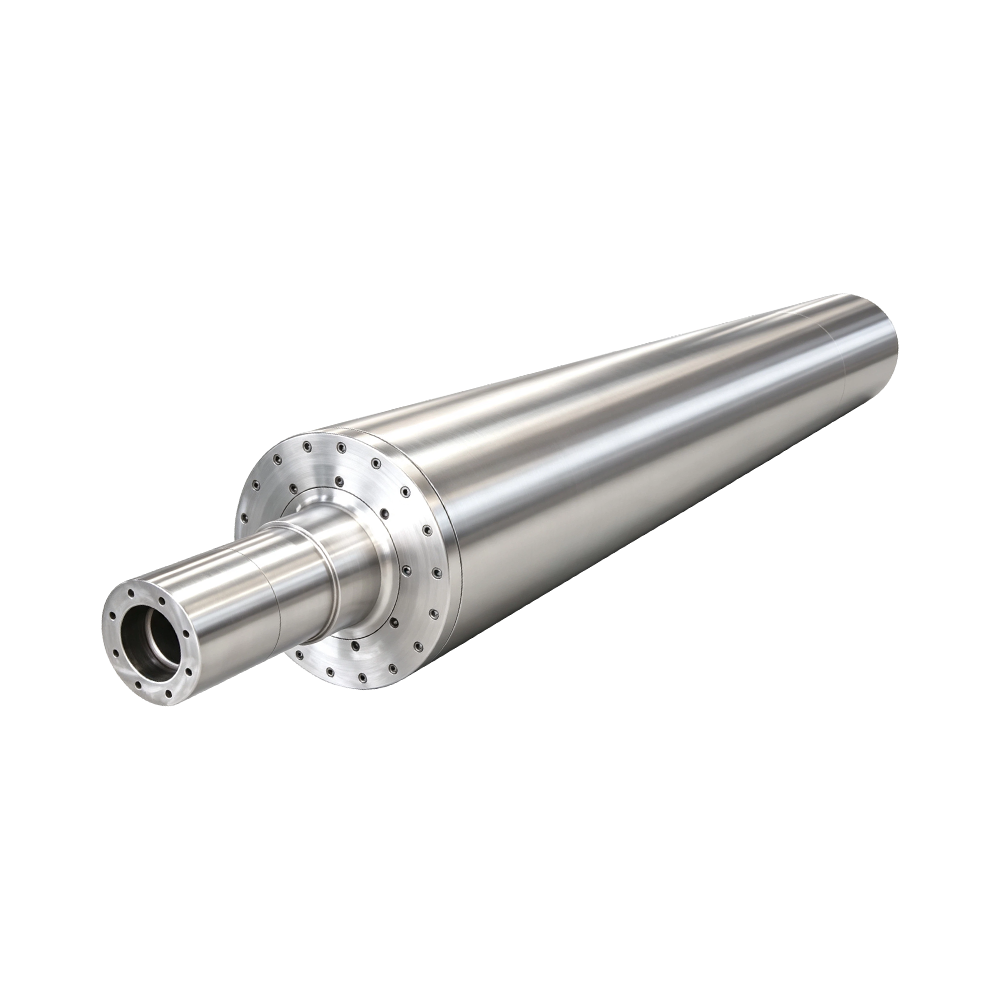
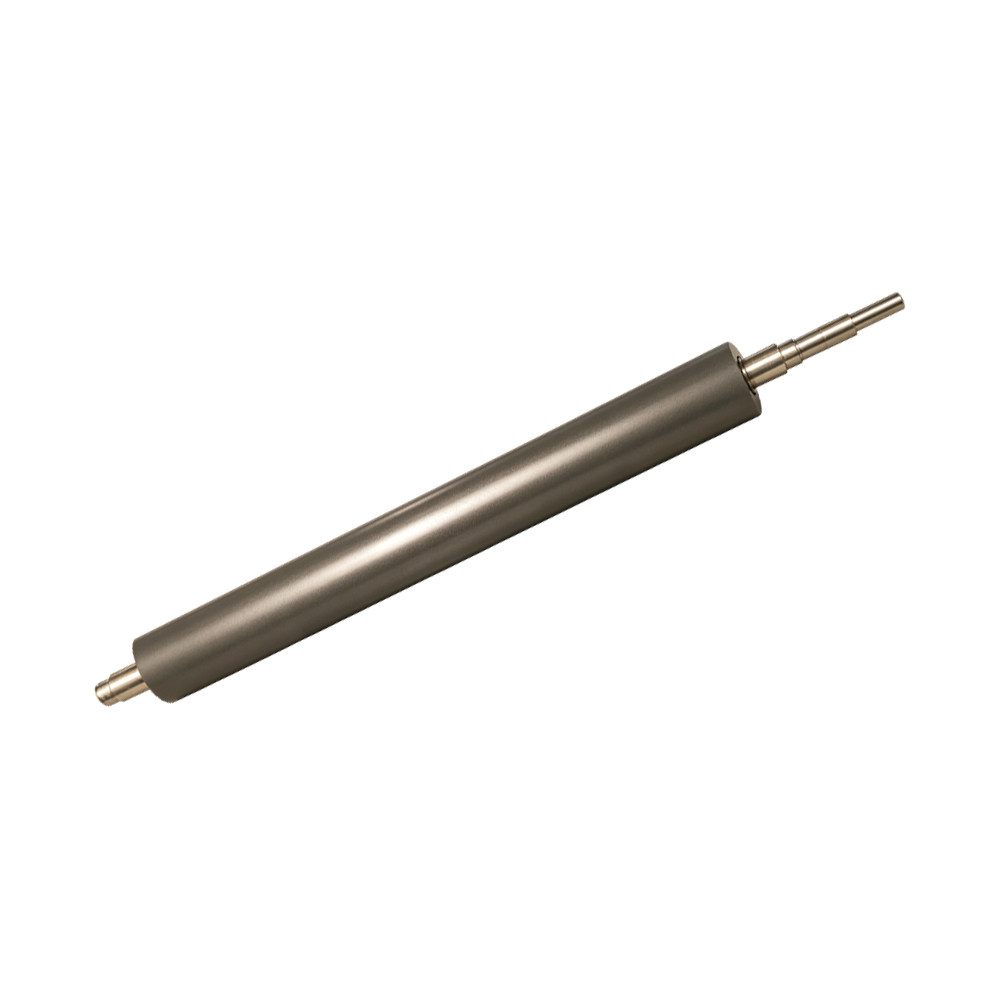
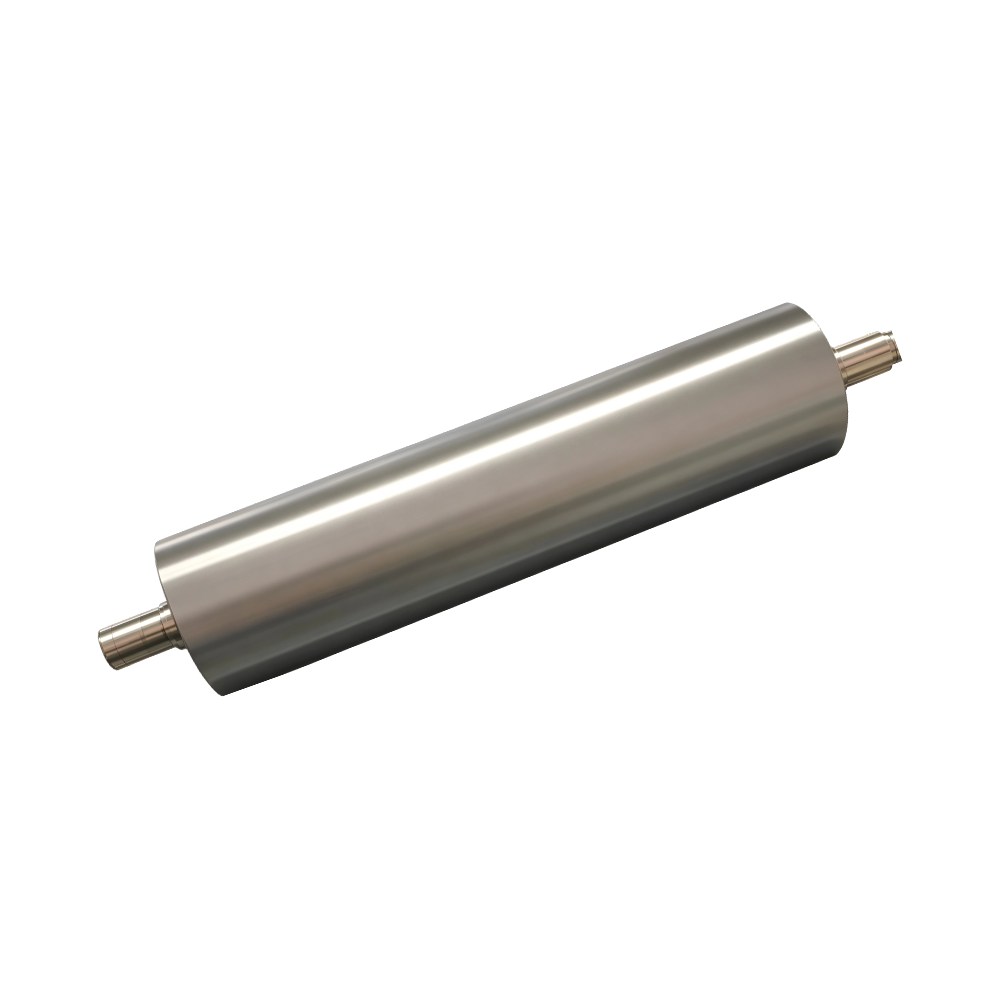
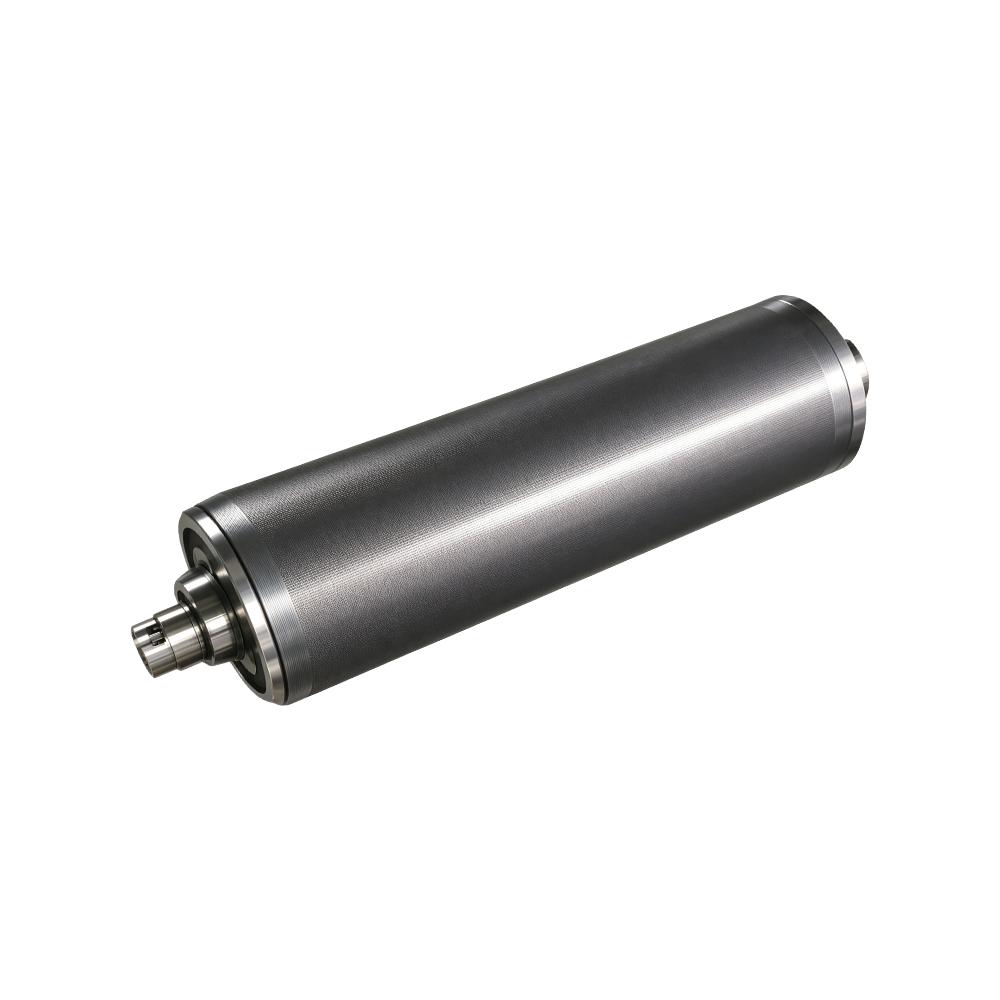
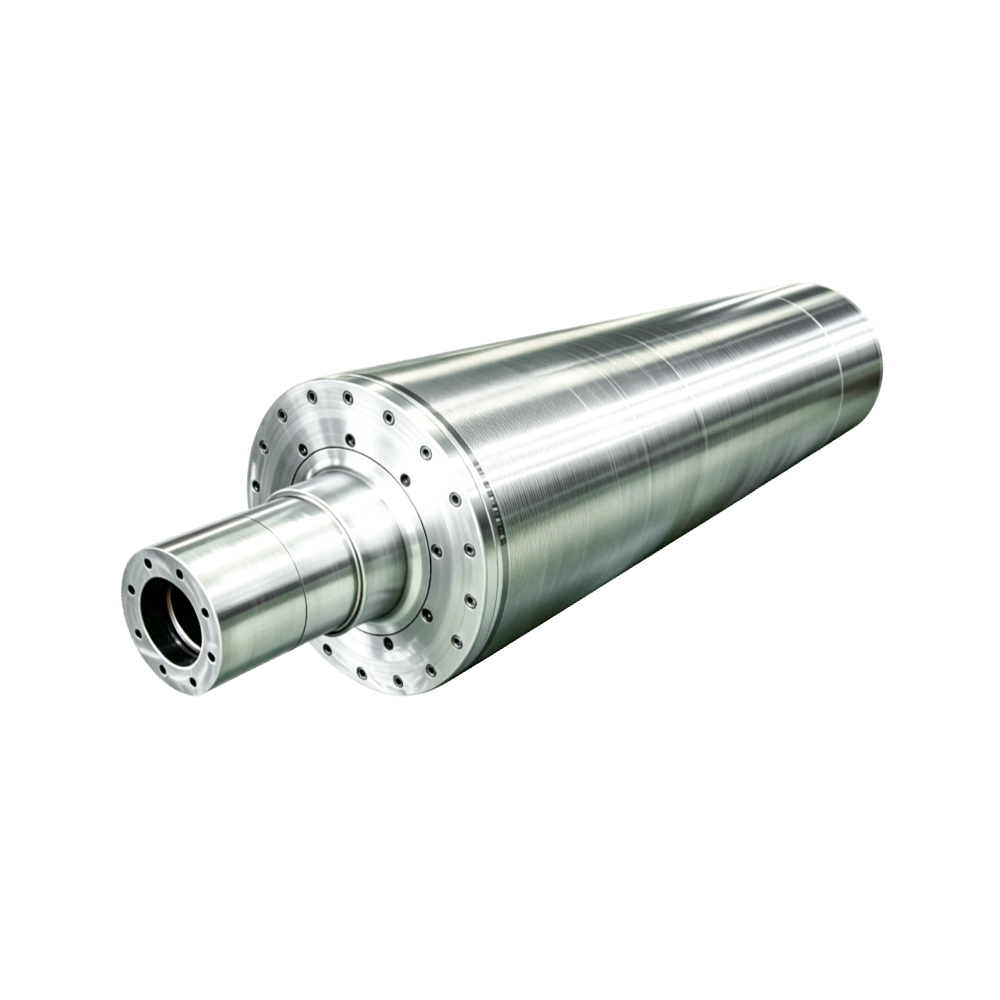
Manufactured from 9Cr3MoV ESR refined steel ingots, integrally forged to control non-metallic inclusions and porosity to Class A flaw-detection standards. Deep isothermal quenching combined with –120°C cryogenic treatment delivers an effective hardened layer depth of 16–24 mm, with uniform surface hardness HRC 62–68. Under long-term high-pressure rolling of films, nonwovens, and thin metal strips, no surface peeling or localized collapse occurs, extending wear service life by 125% over conventional forged steel cold rolling rollers. Each roller can be re-ground and refurbished 3–5 times, significantly extending the total service cycle.
·Closed-Loop Micro-Channel Cooling
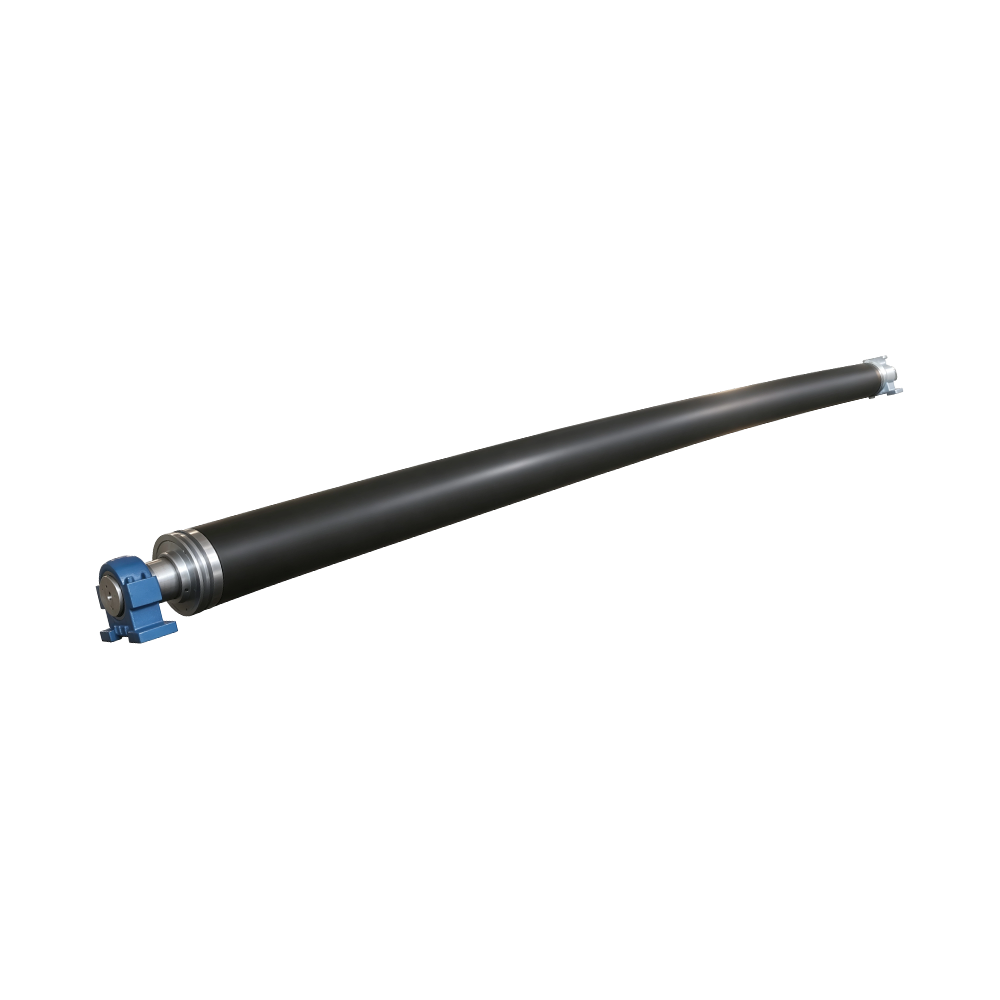
A closed-loop uniform-wall-thickness hollow substrate with symmetrically arranged micro-channel环绕 cooling passages, maintaining wall thickness tolerance ≤0.03 mm. Under ambient operating conditions, the overall roll surface temperature differential is ≤±0.5°C, ensuring uniform compressive deformation. During high-speed rolling of 3600 mm ultra-wide webs, there is no deviation in compression between the edges and the center, thoroughly resolving the common problems of uneven edge thickness and loose/tight edges in wide films. The cooling medium removes frictional heat generated during rolling extrusion, preventing localized thermal expansion from micro-temperature rises, and continuously sustaining micron-level calendering accuracy.
·Four-Stage Precision Grinding
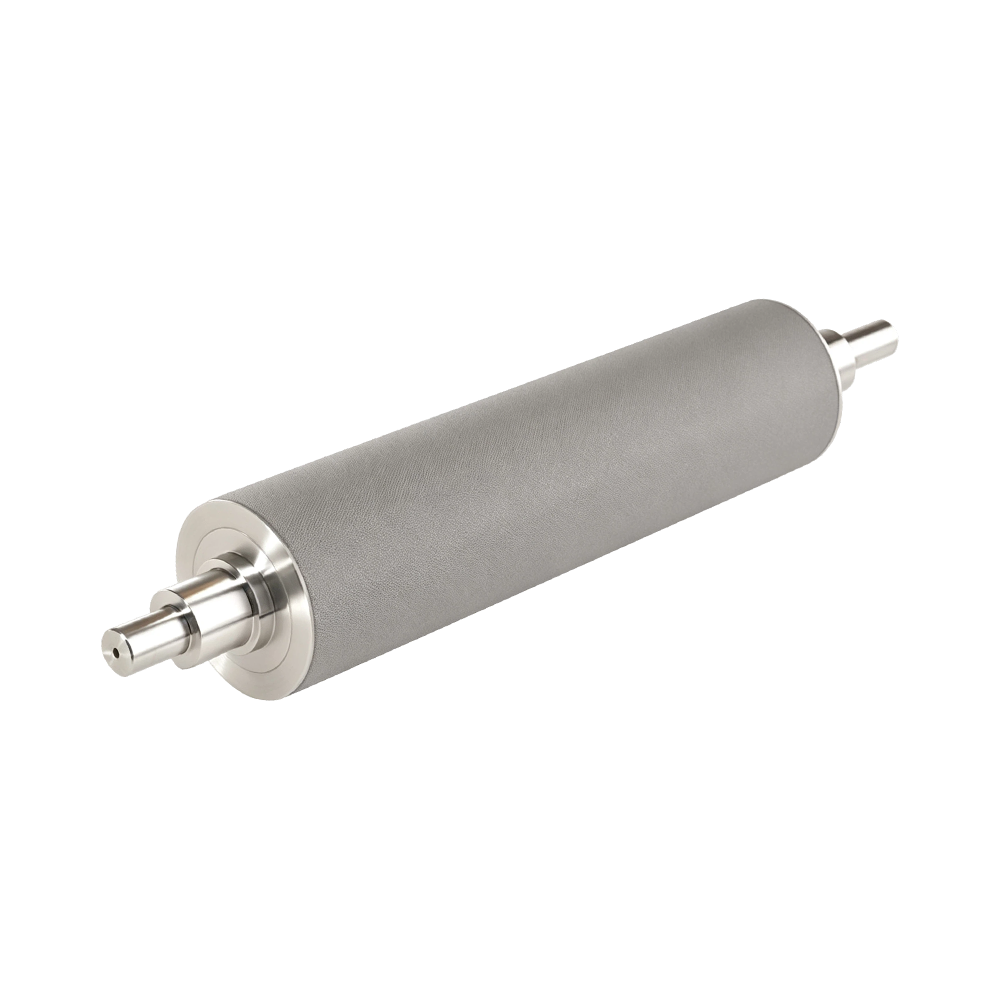
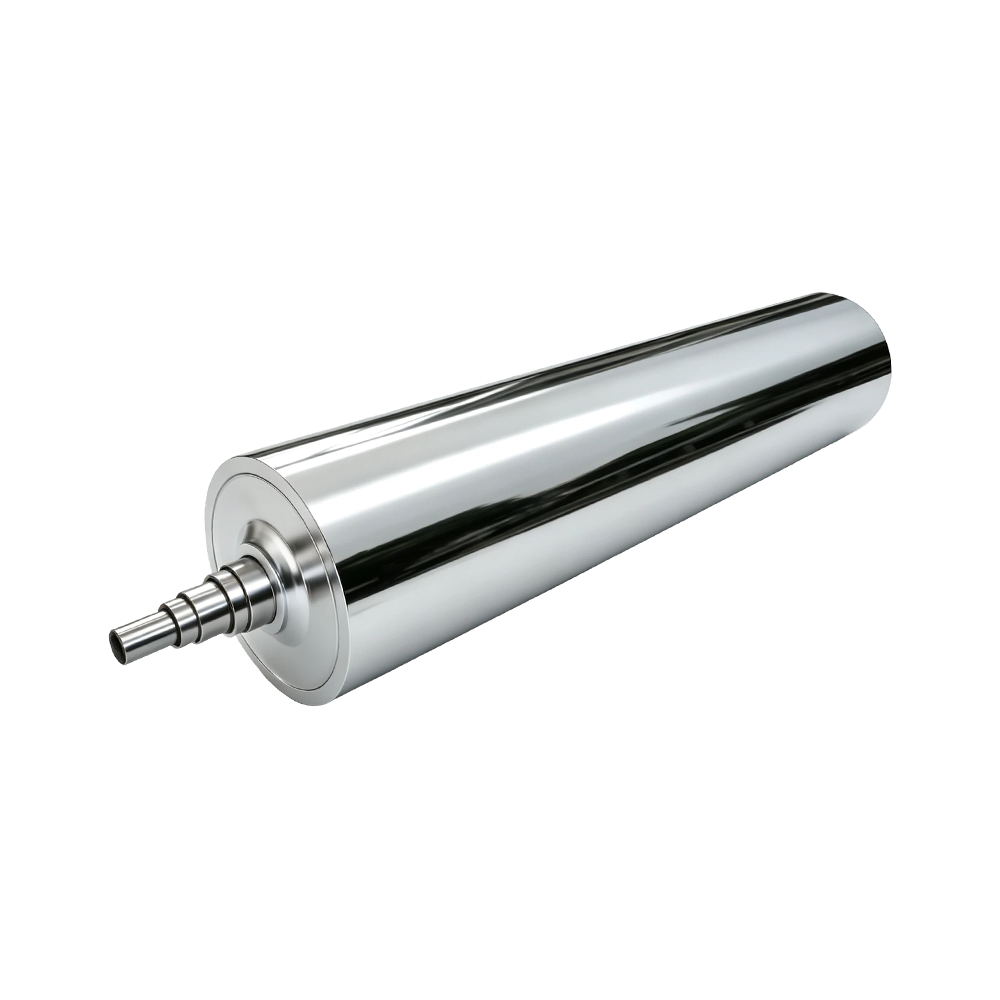
Rough grinding, semi-finish grinding, mirror honing, and ultra-fine polishing—four sequential processes—are followed by electroplating of a 0.12–0.20 mm dense micro-cracked hard chromium layer. The chromium layer embeds into the substrate's micro-texture, providing adhesion far superior to conventional electroplating processes. Surface roughness is fully adjustable across the entire roll face, enabling both optical-grade ultra-mirror finishes and custom matte-leveling surfaces as required. When rolling PLA biodegradable materials and soft PVC films, the surface resists corrosion from acidic additives, maintaining long-term gloss and preventing scratch transfer to finished substrates.
·Class G0.6 Ultra-Precision Dynamic Balancing
Three calibration stages—rough balancing after initial machining, secondary balancing after heat treatment, and precision balancing under simulated full-load pre-compression—achieve an ex-factory dynamic balancing grade of G0.6, surpassing the industry-standard G2.5. At high-speed calendering of 300 m/min, there is no micro-vibration; ultra-thin films of 8–50 μm and nonwovens are smoothly calendered without periodic chatter marks, improving yield of high-end packaging and electronic substrates by over 90%.
·Low-Residual-Stress Structure
After forging, the blank undergoes 60 days of natural aging plus high-frequency vibratory stress relief, reducing internal residual stress to near zero. Under constant high-pressure loading, elastic deformation exhibits reversible stability; continuous production for six months maintains roll profile deviation below 1 μm, significantly reducing line commissioning downtime and adapting to 24/7 unattended overseas production models.
·Anti-Adhesion Surface
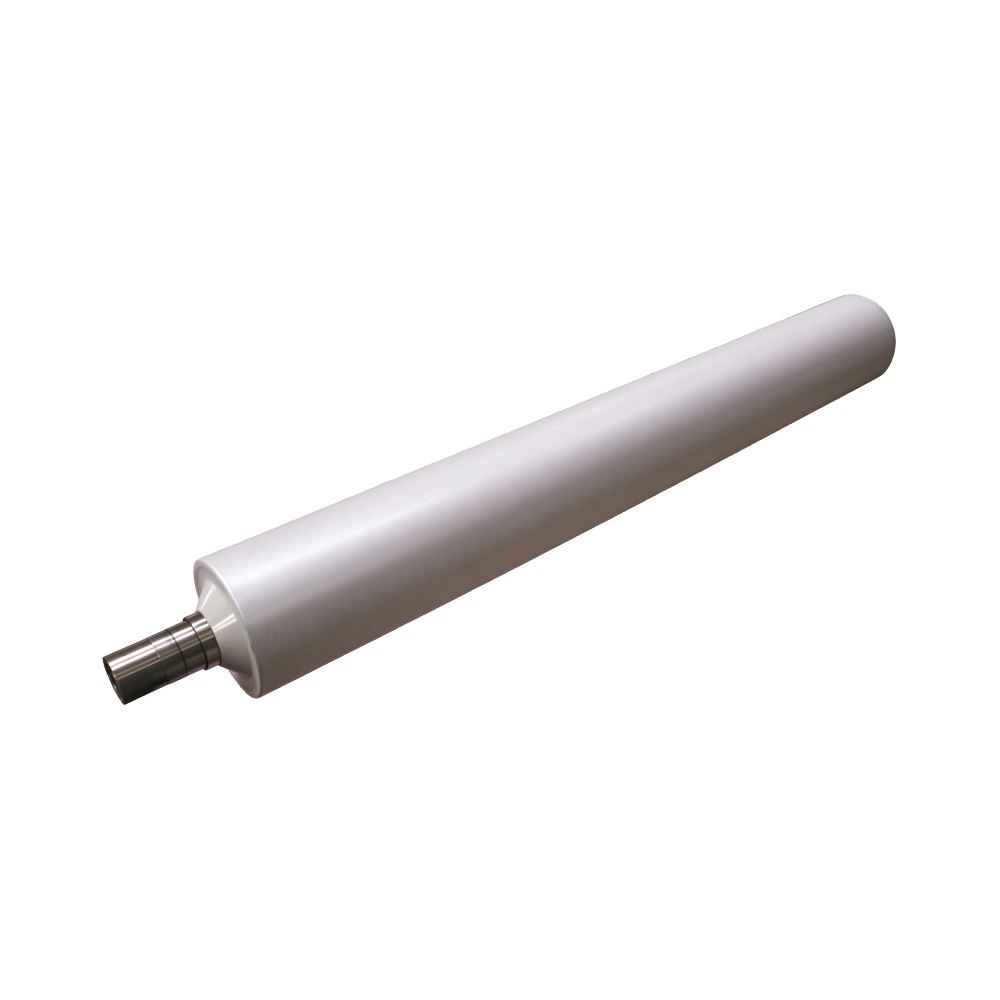
The dense chromium layer has low surface energy, making it difficult for soft polymeric materials such as PE, PP, and EVA to adhere and build up. Compared to unplated plain steel rollers, cleaning downtime is reduced by 75%, eliminating point indentations on web surfaces caused by accumulated deposits—particularly suitable for clean-production environments in food flexible packaging and maternal/infant hygiene materials.
·Process Positioning
Operating entirely at ambient/low temperatures, the roller relies on high mechanical pressure to achieve substrate thickness calibration, surface leveling, and tension setting. It addresses three core challenges: high-pressure contact fatigue, micron-level dimensional precision, and long-term surface gloss and wear resistance. It does not involve high-temperature melting processes and is a dedicated roller for downstream film finishing operations.
·Operational Economy
The thick hardened substrate allows multiple re-grinding and refurbishments, reducing the amortized cost per roller by 52%. Long-term profile stability and persistent dynamic-balancing precision substantially reduce line commissioning and maintenance labor hours. The corrosion-resistant surface minimizes defects, lowering scrap rates and improving raw material utilization. Minor surface scratches can be polished out locally without full re-plating, with maintenance costs only 35% of those for conventional cold rolling rollers.
·Quality Enhancement
Uniform thickness in both machine and cross directions ensures excellent compatibility with subsequent slitting, lamination, printing, and coating processes. The surface is free from scratches, pits, and chatter marks, enabling optical film transmittance, packaging film print adhesion, and nonwoven hand-feel smoothness to fully meet European and American export quality standards. Low-temperature calendering does not alter the material's internal molecular structure, ensuring stable film shrinkage and preventing finished products from wrinkling or deforming during storage.

 English