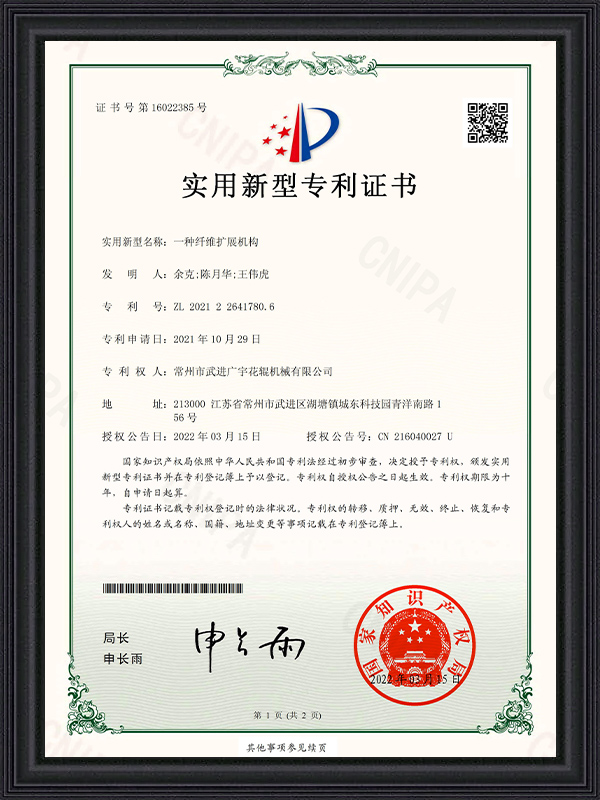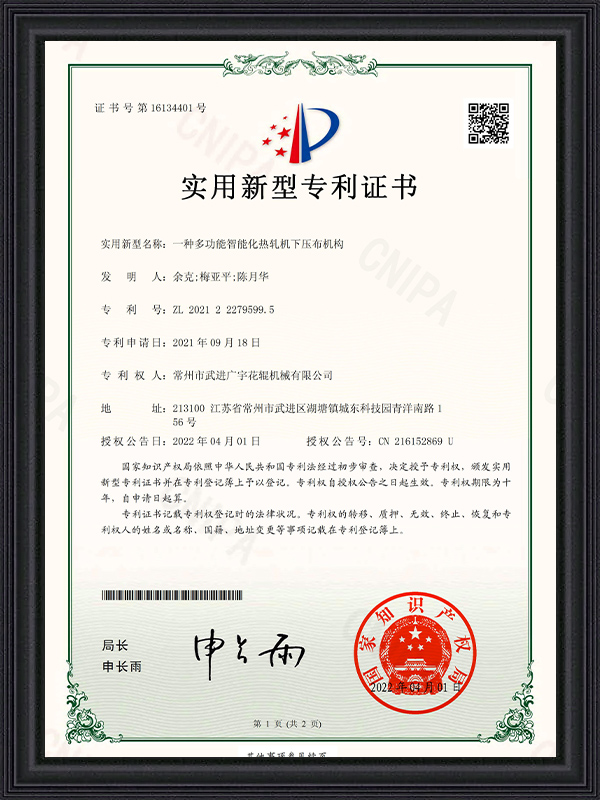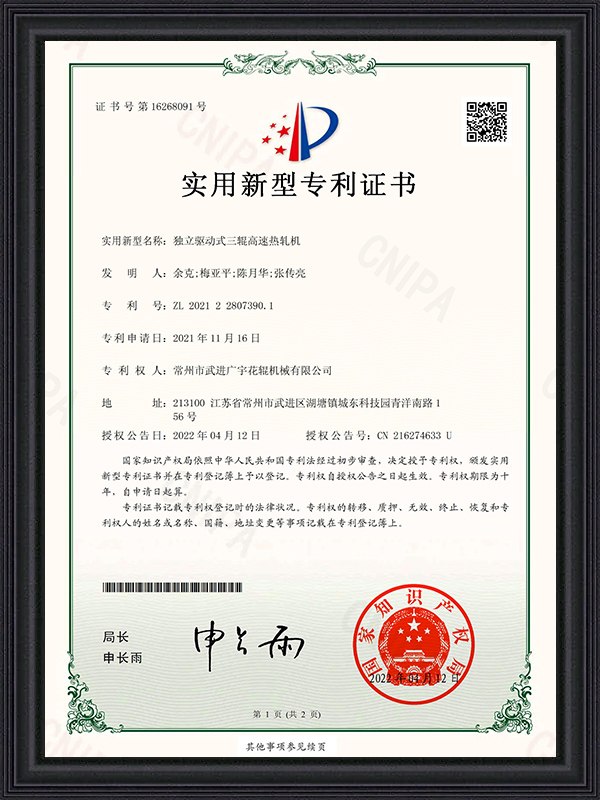
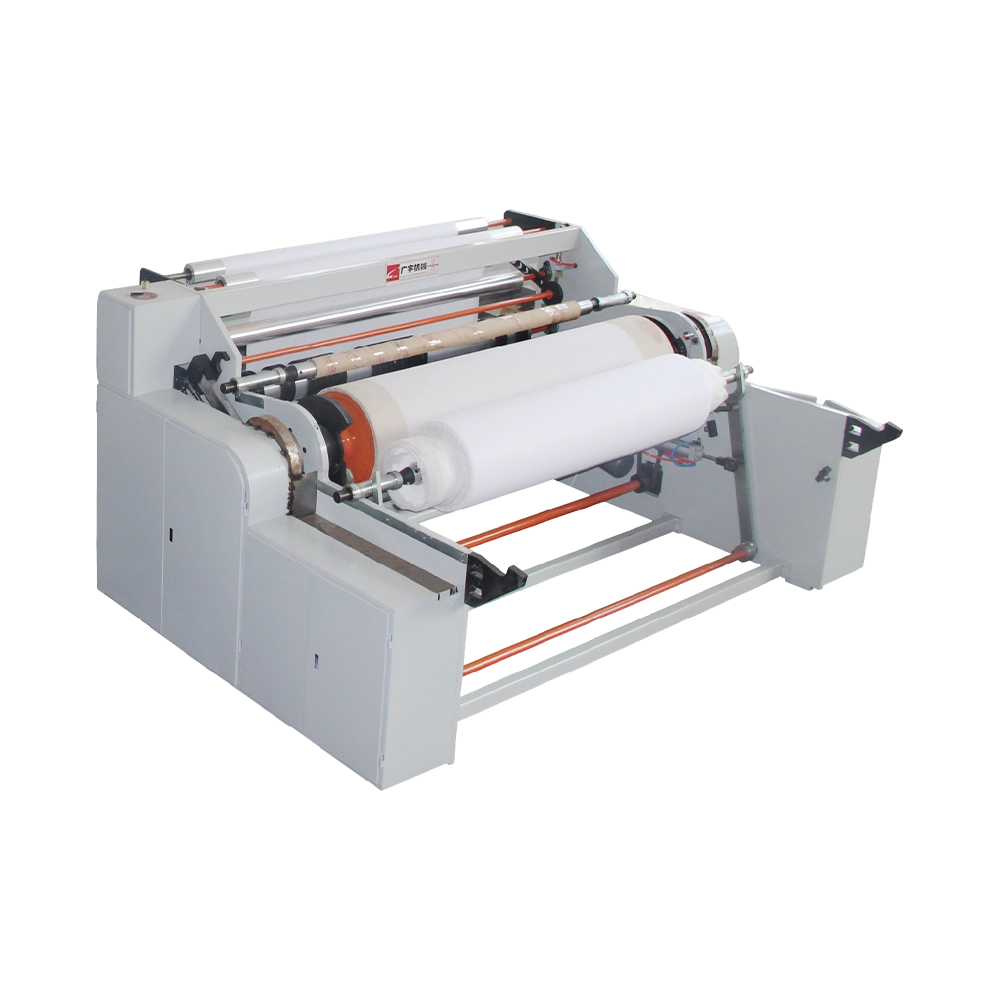
·Integrated Roller & Frame Design
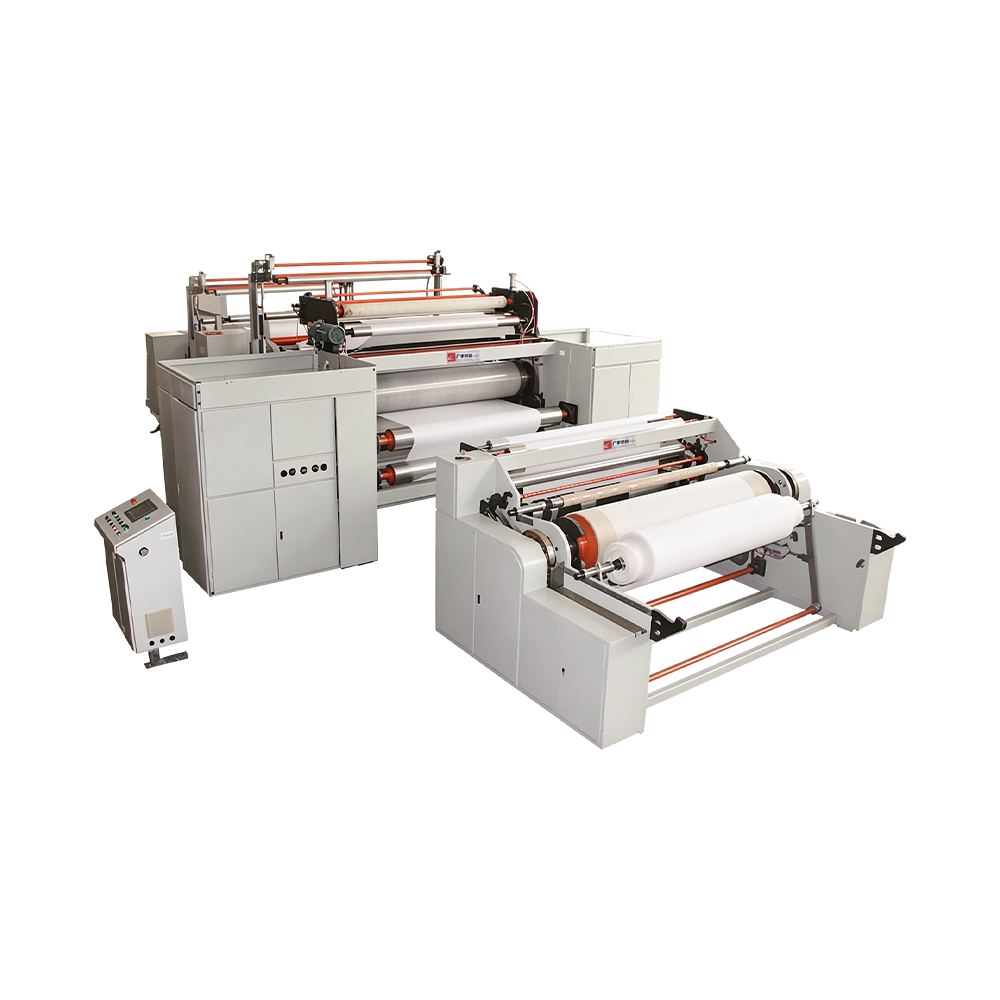
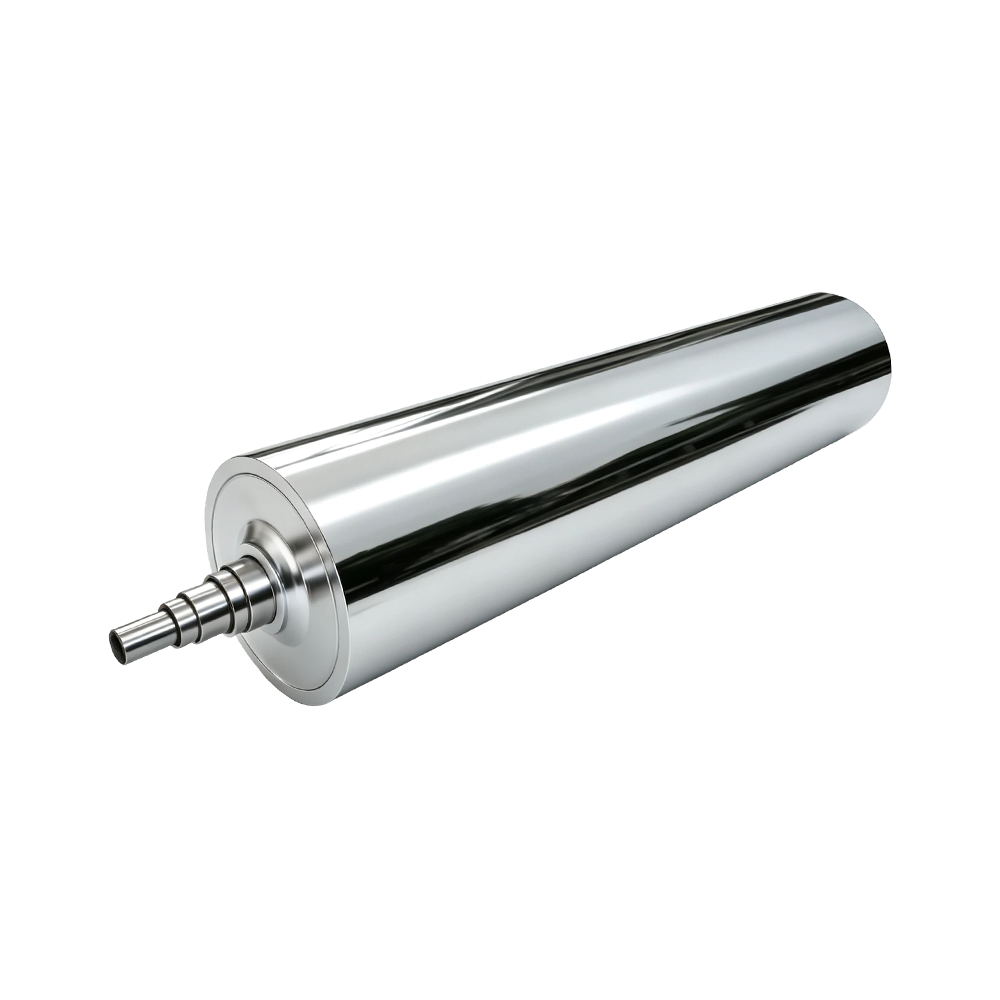
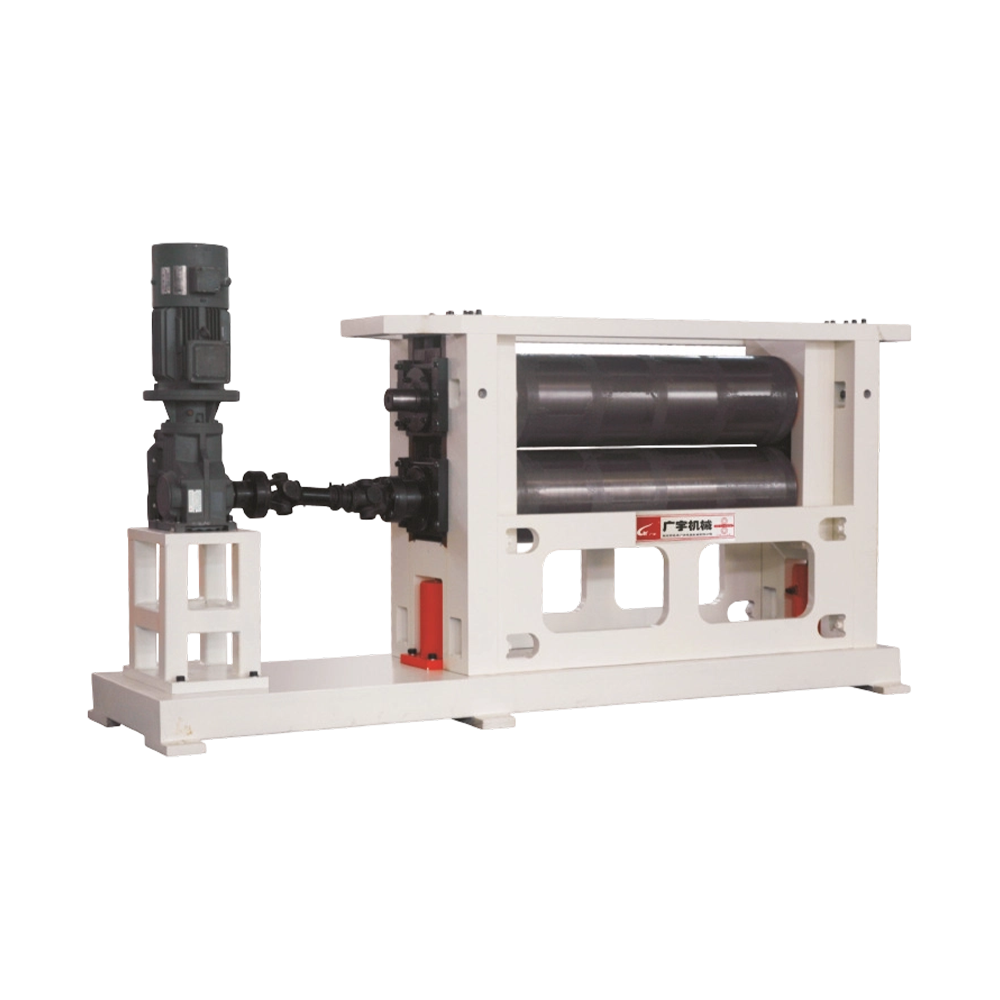
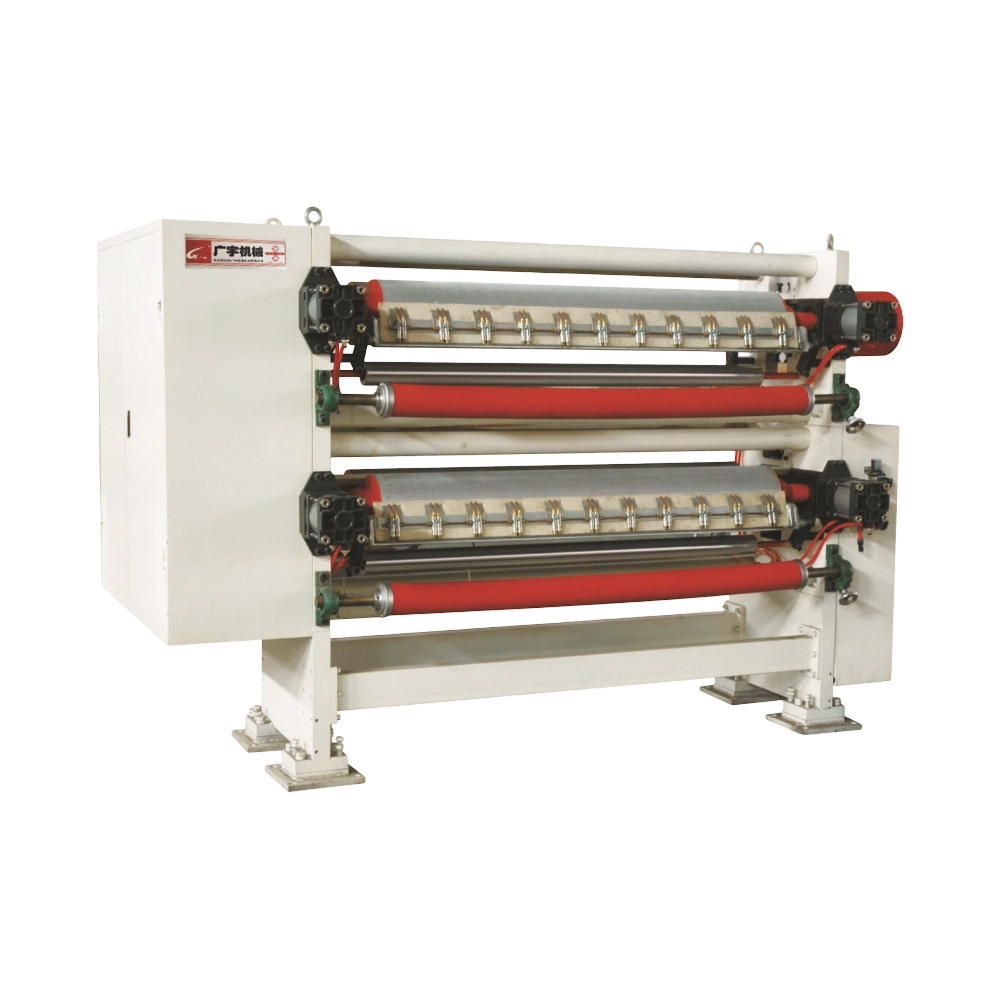
Most equipment manufacturers assemble complete machines using externally sourced rollers, resulting in poor compatibility between roll cavities, heat exchange structures, and frame stress distribution—leading to uneven pressure and temperature drift across the width. This line features fully integrated development from roller substrate and surrounding deep-hole flow channels to frame structure, optimized as a complete thermal system. The proprietary full-surface heat exchange system delivers superior thermal efficiency over conventional spiral heating designs. Temperature differential across the entire working width is maintained within ≤±0.5℃, eliminating the common problems of weak adhesion, local overheating, and edge thinning that plague assembled equipment.
·Bending & Crossing Dual-Mode Compensation
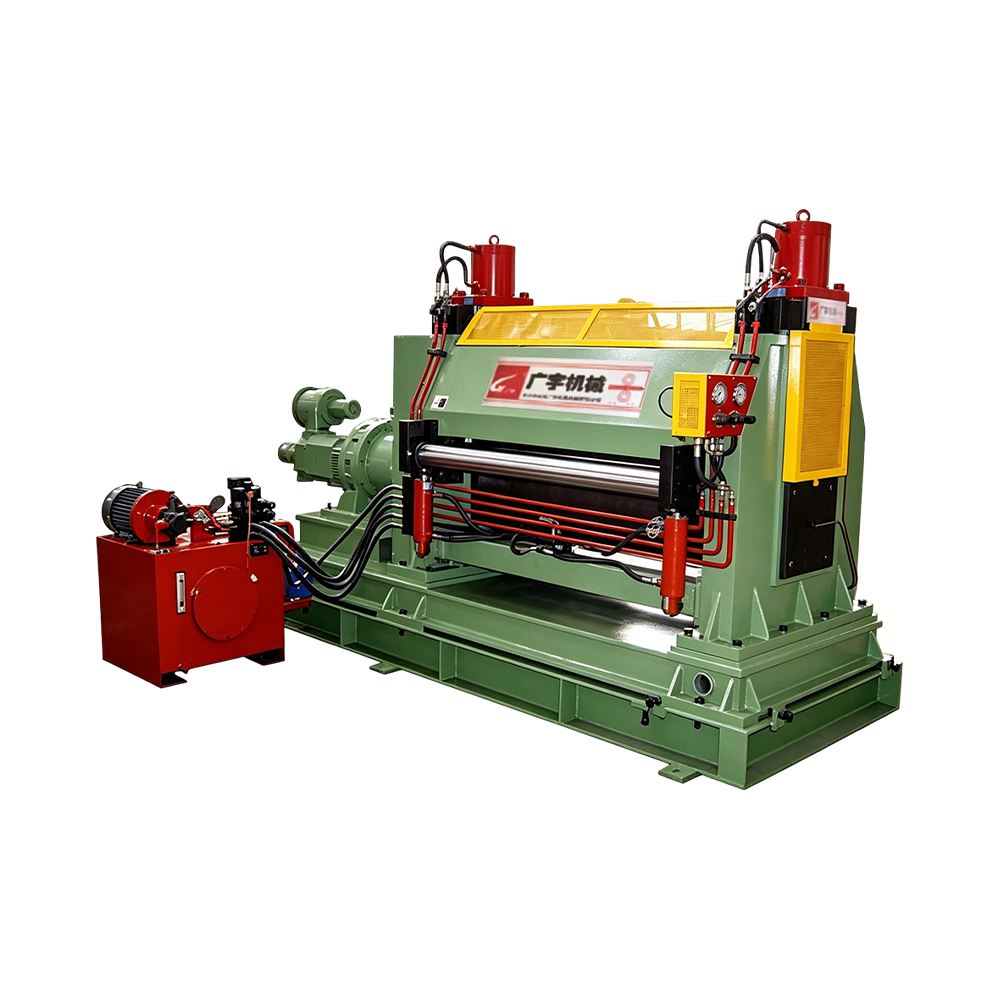
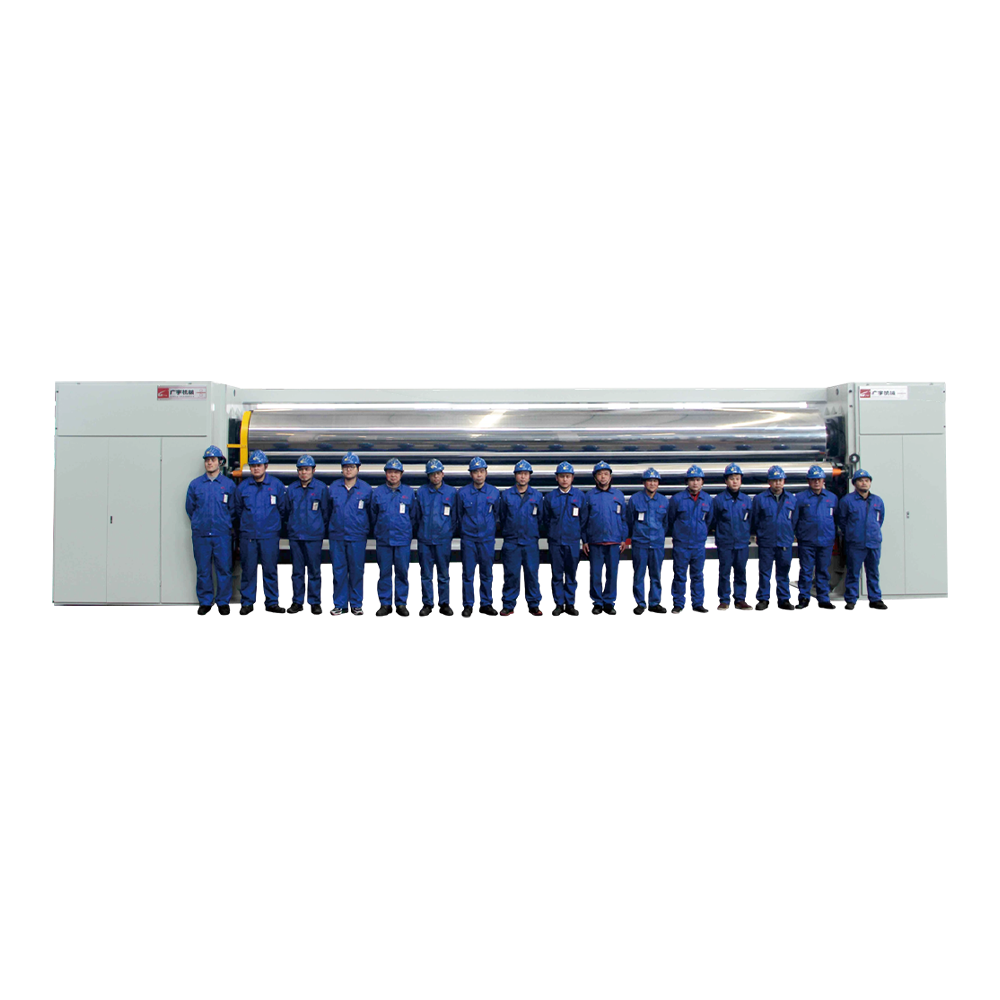
The independently developed dual-dimension pressure compensation system goes beyond conventional fixed camber designs. Under high-speed heavy-load conditions, the system continuously calculates roller deflection and dynamically adjusts pressure distribution to compensate for deflection in real time. This eliminates the industry-wide problem of insufficient center pressure and over-compressed edges on 3600mm+ wide rolls. The company has manufactured Asia's largest nonwoven thermal bonding unit (Φ720×5400mm), filling a domestic gap in ultra-wide thermal lamination equipment for large-scale hygiene and geotextile production.
·10-Minute Quick-Change Roll System
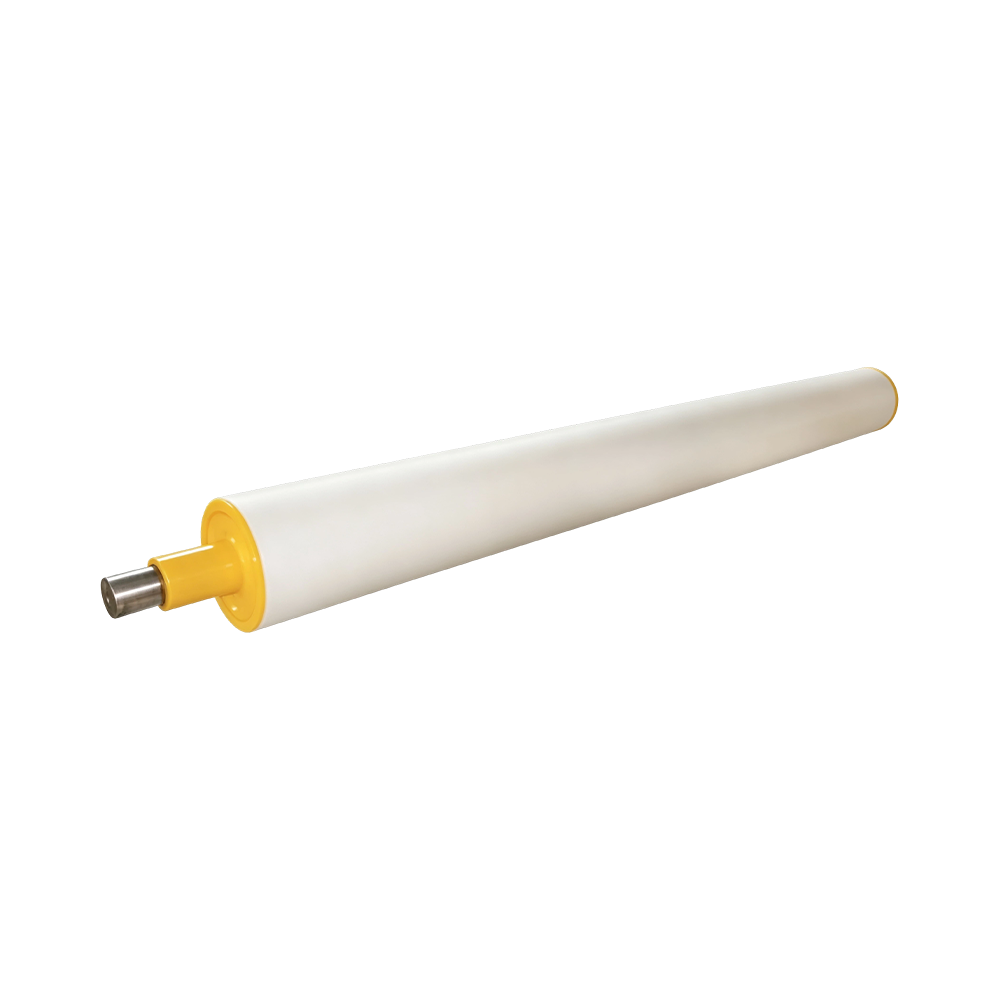
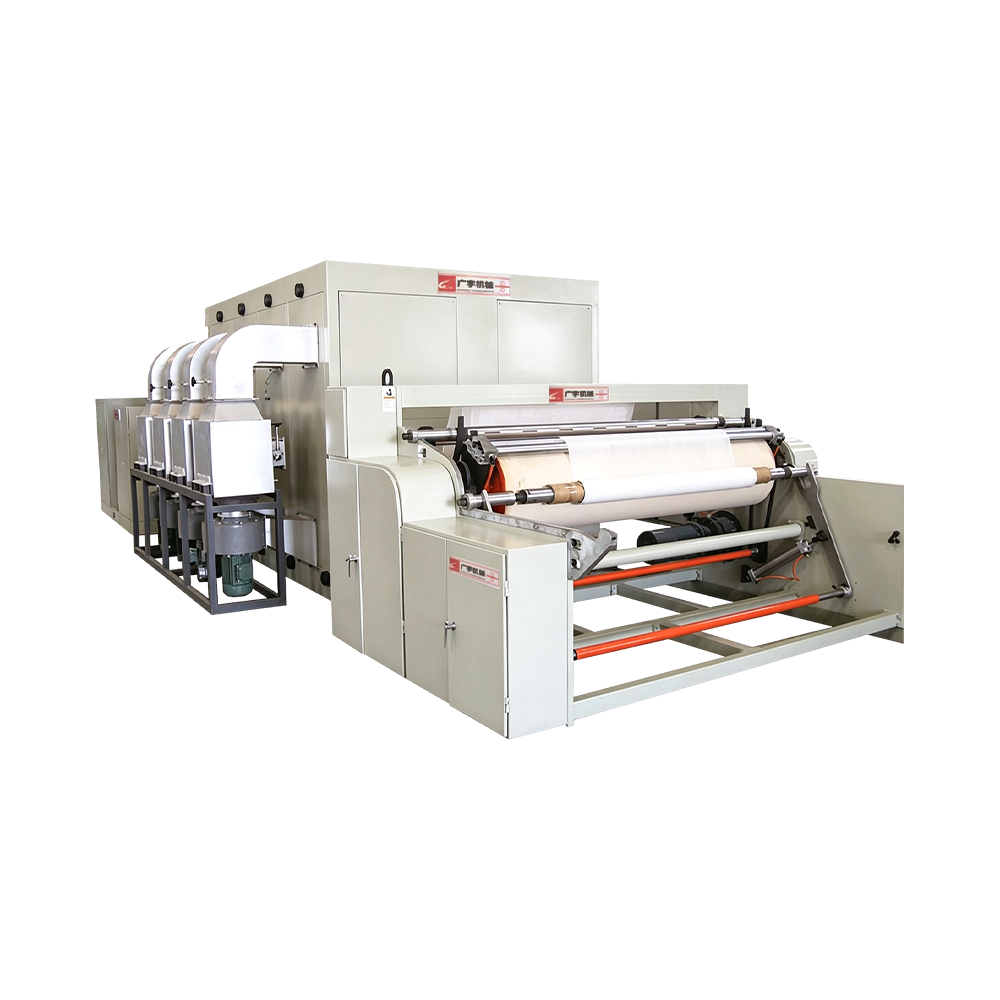
Traditional thermal bonding lines require 20–24 hours for pattern or specification roll changes, requiring complete machine disassembly and recalibration. This line features a modular suspended roll locking mechanism with quick-connect oil circuits and temperature interfaces. A single operator can complete roll removal, installation, and alignment calibration within 10 minutes, enabling rapid switching between smooth rolls for film lamination and patterned rolls for fiber bonding. This dramatically improves line utilization for small-batch, multi-product flexible production.
·PLC Coordinated Control System
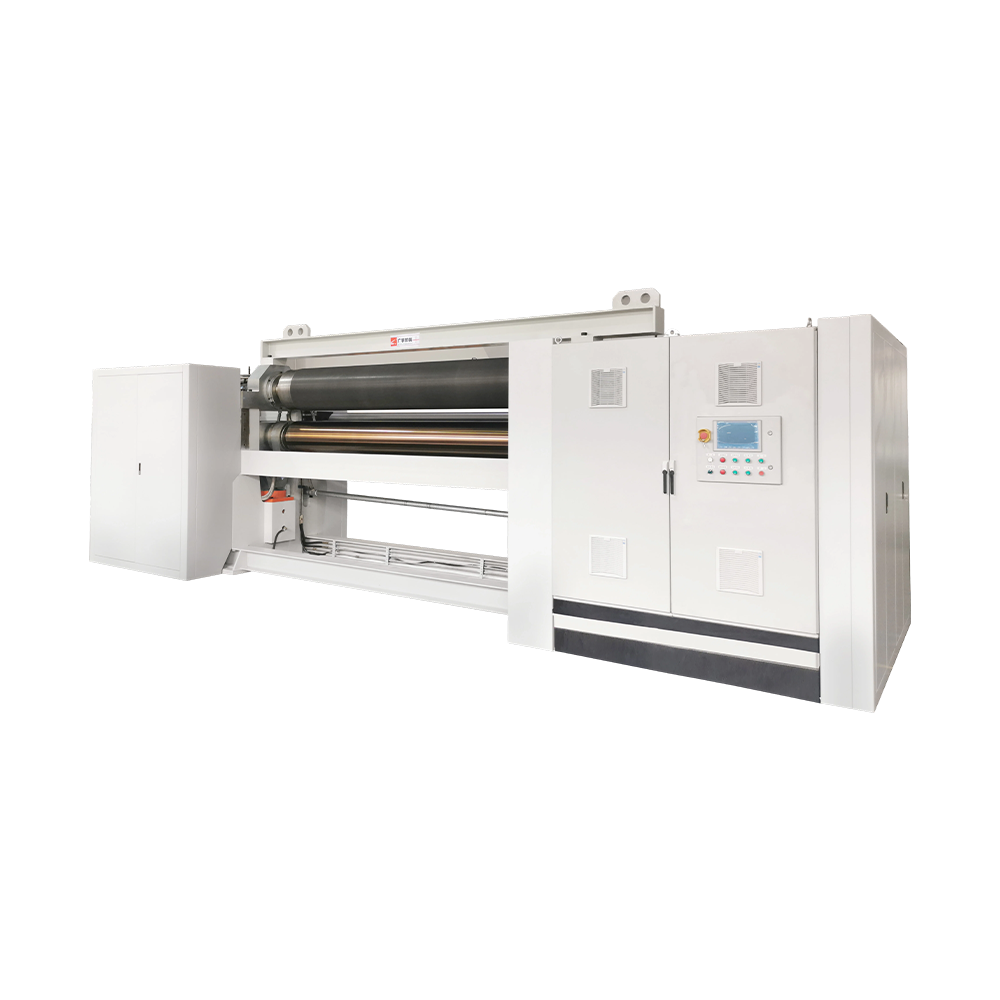
The proprietary control software integrates temperature, line pressure, line speed, and winding tension into a coordinated loop with real-time data synchronization across all four parameters. When switching between PP, PET, biodegradable fibers, and PE films, selecting the preset recipe automatically matches all process conditions without technician parameter adjustment. Production data is stored and exportable for quality traceability and process optimization, meeting EU cleanroom intelligent manufacturing standards.
·Composite Metallurgical Rolls with Thermal Fatigue Resistance
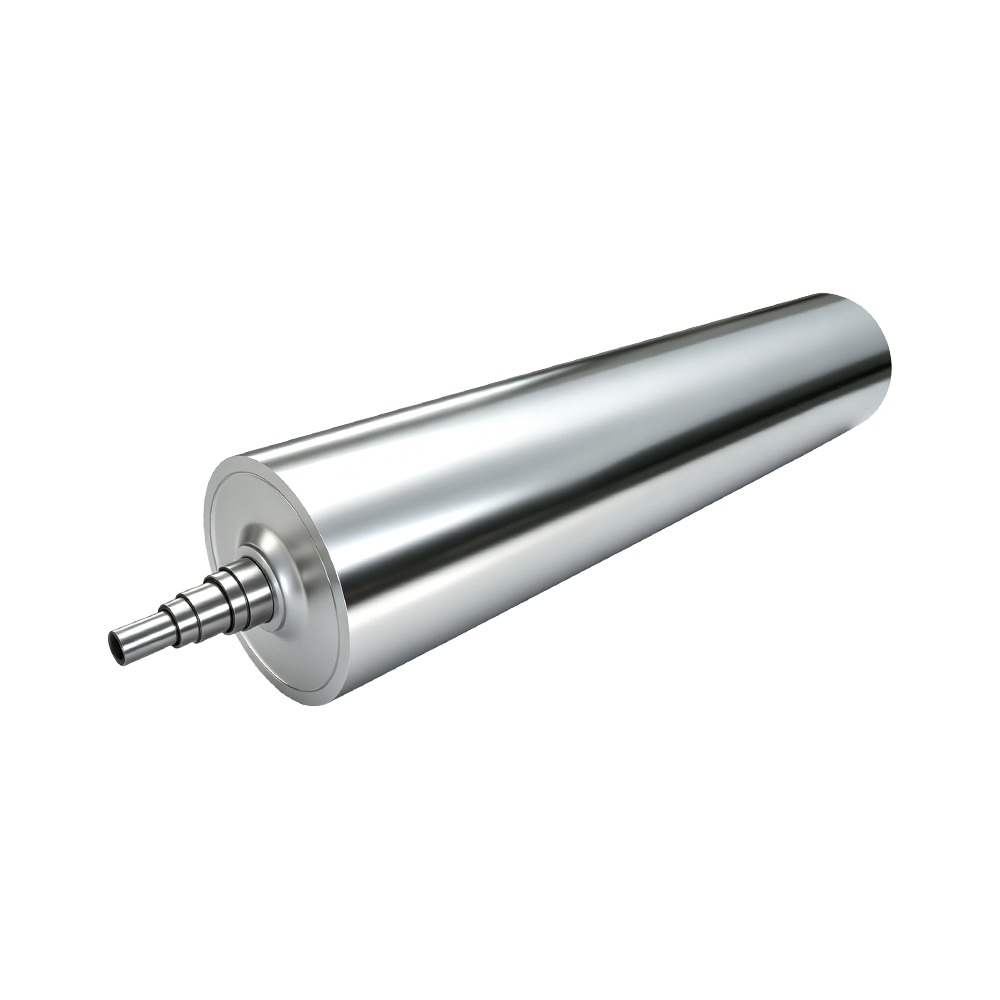
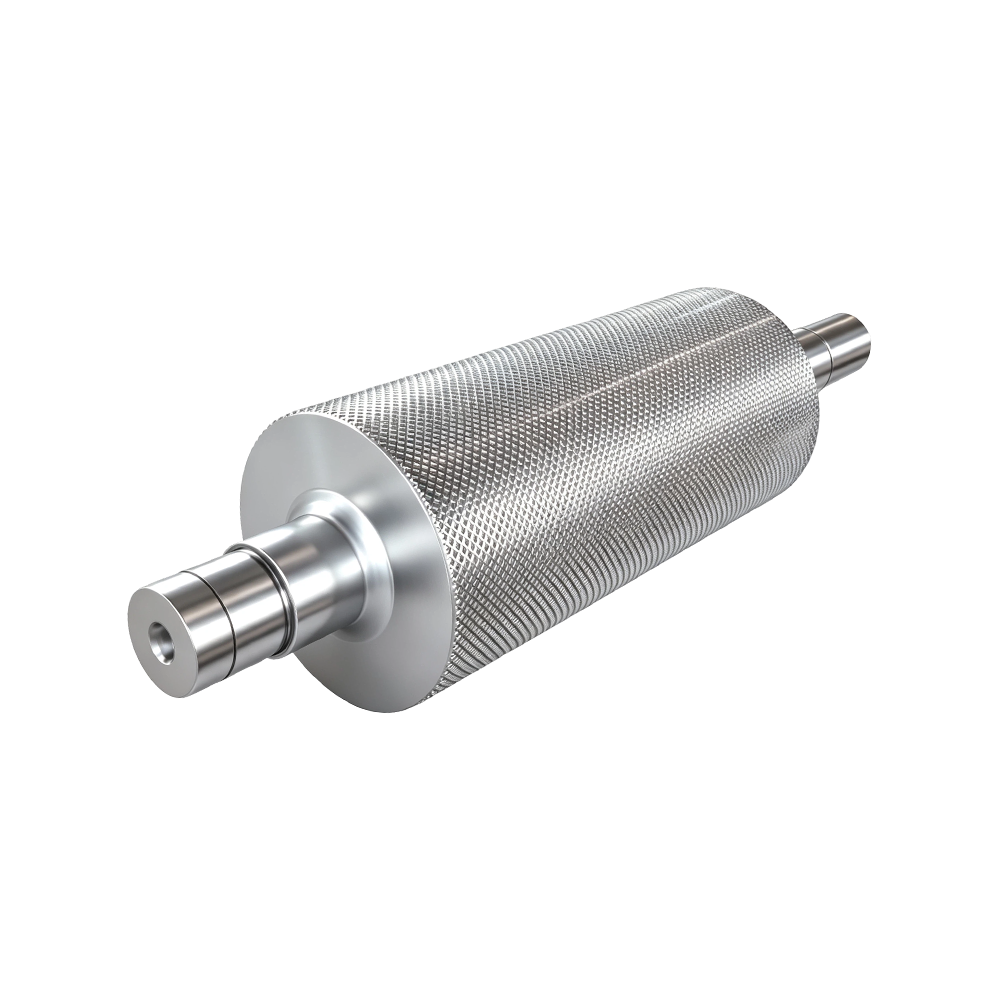
The upper and lower matched rolls feature a centrifugally cast dual-alloy composite structure with outer wear-resistant alloy layer thickness ≥5mm, compared to just 0.4–0.5mm on conventional nitrided rolls. Pattern depth remains consistent through millions of impressions. The frame undergoes complete stress-relief annealing to eliminate welding stress, maintaining web path alignment without drift or deflection under continuous high-temperature operation. Overhaul intervals are extended by more than 2× compared to conventional equipment.
·Dual-Process Capability
The adjustable line pressure (6–120N/mm) and wide temperature range accommodate both fiber-to-fiber consolidation for SMS and spunlace nonwovens, and nonwoven-to-film lamination with PLA biodegradable films and PE breathable films. A single machine covers both hygiene material and packaging material production lines, offering higher capital efficiency for small and medium-sized converters.