
 English
 русский
 Español
 عربى


Tel:
+86-519-86701036 / 86702036

Content
At 2.6 m wide, a calender can turn a 3 µm crown error into a visible thickness band at the trim. If CPP film runs 8 µm thicker at the edge, or tissue loses handfeel 100 mm from the edge, crown and deflection are early checks. Calender roll crown compensation matches the roll's axial profile and correction system to the actual nip load, thermal growth and product tolerance. The conclusion is simple: specify by operating window, not by nominal diameter alone. A roll that is "crowned" but not matched to the line often creates a new profile problem while solving the old one.
Crown is the deliberate diameter difference between the center and ends of a roll, measured as a continuous profile rather than a single number. Under nip load, shafts bend, chocks deflect, and the nip closes unevenly. Positive crown adds diameter at the center to offset edge-heavy loading; negative crown or controlled bending changes the effective center loading. Hard rolls and covered rolls behave differently. On wide paper, film and nonwoven lines, deflection compensation is usually indispensable; narrow machines may run without it, but they still need profile verification.
The symptom tells you where to look first.
| Symptom | Likely crown or deflection cause | First check |
|---|---|---|
| Edges thicker than center | Nip opens at edges; insufficient positive crown or too much counter-bending | Loaded nip impression and roll profile at operating temperature |
| Center thicker than edges | Over-crown or excessive bending moment | Compare cold and hot profile; review bending pressure |
| Symmetrical bands across the face | Thermal crown or uneven internal roll temperature | Surface temperature log across the face at steady state |
| One-side taper | Misalignment, uneven chock load, or local damage | Alignment, bearing play and roll runout |
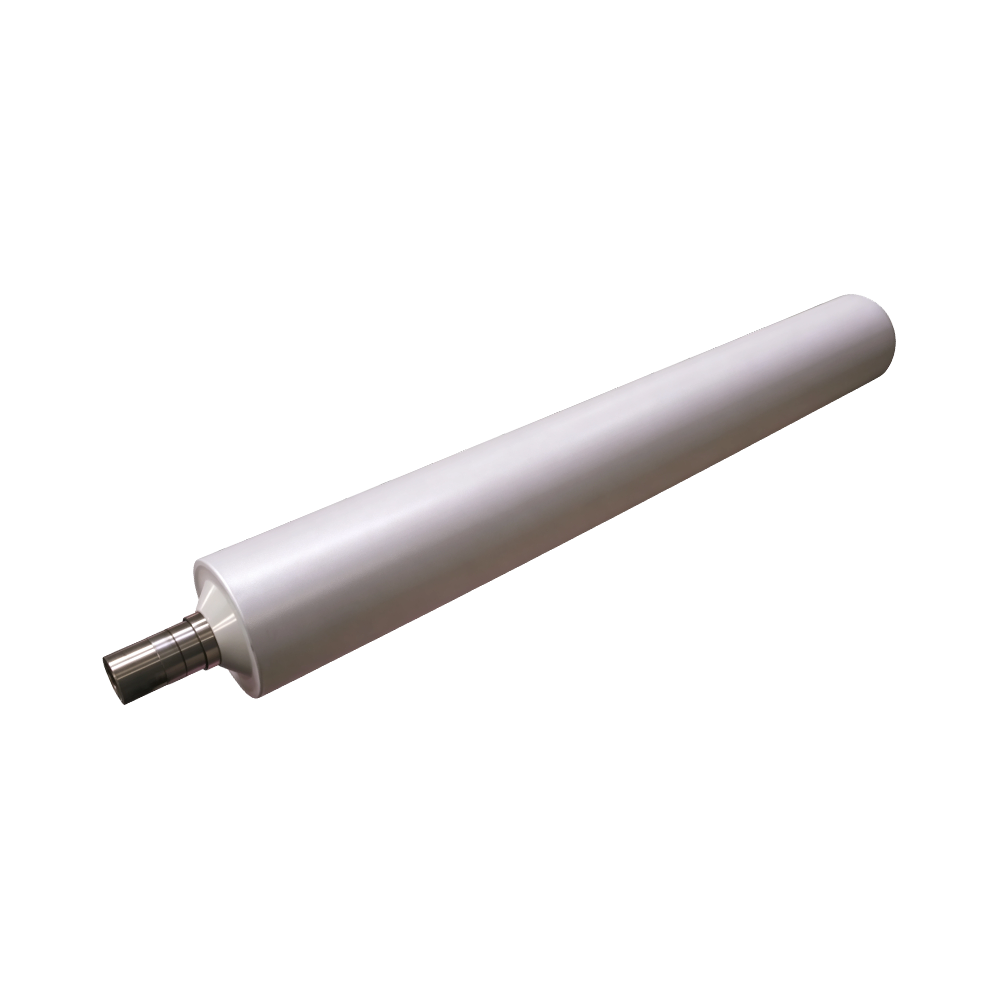
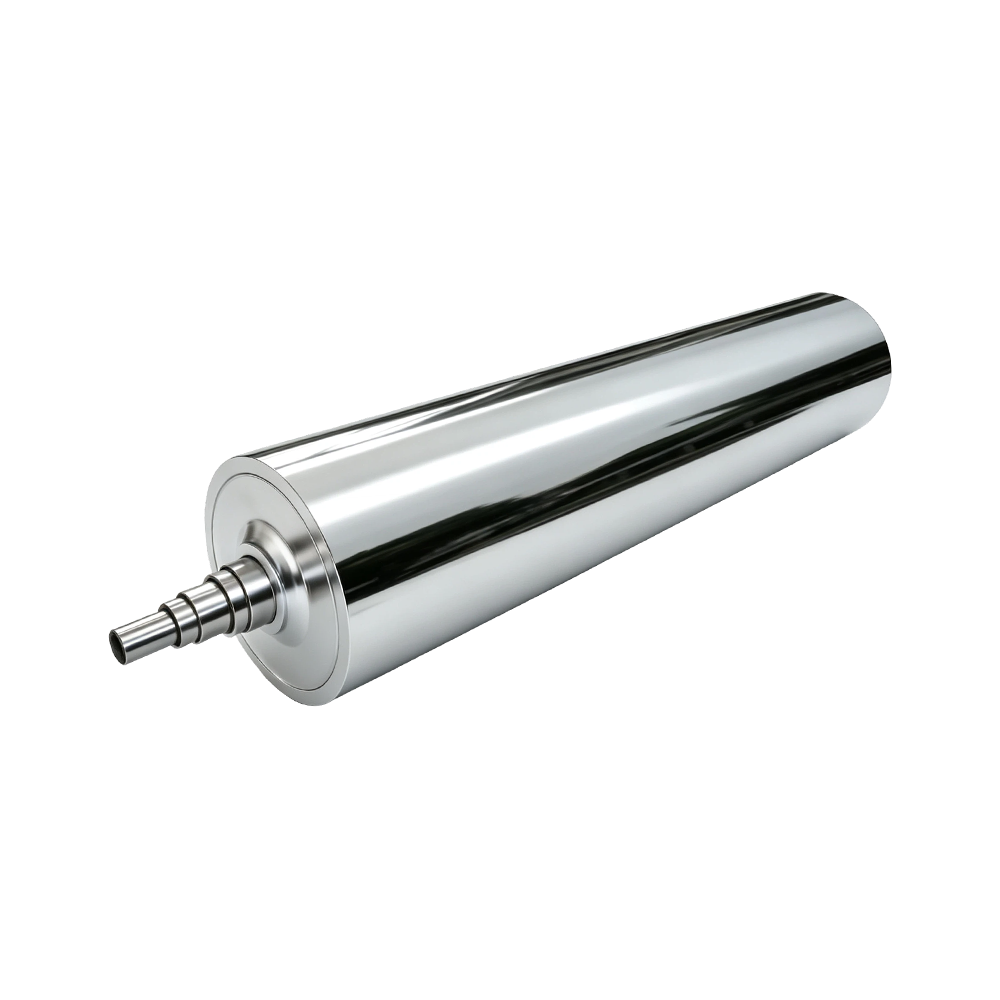
For a roll family intended around uniform nip behavior, an alloy steel uniformity calendering roller can be evaluated against the same loaded-profile data.
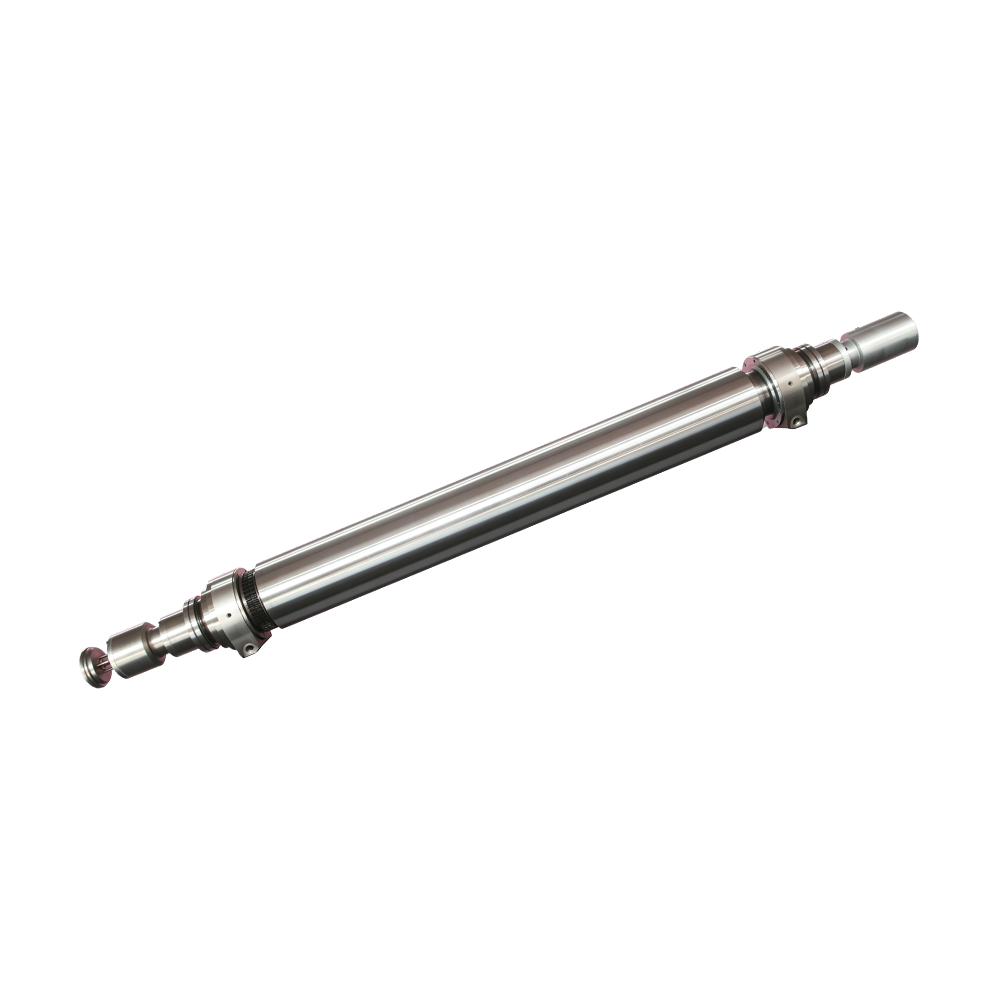 Alloy Steel Uniformity Calendering Roller for Precision Web FlatnessPrecision smoothing roller for thickness correction and flatness across the full web width; homogeneous alloy steel body and uniform temperature control support profile evaluation.View Product →
Most lines use one or a combination of four approaches:
Match the method to the tolerance band and product mix. A converter running one film grade at one speed may justify a fixed crown; a line cycling through caliper and width changes usually needs adjustable correction. Surface finish does not fix macro crown. A matt finish can mask small defects; a mirror finish can reveal them. Crown and finish must be specified together.
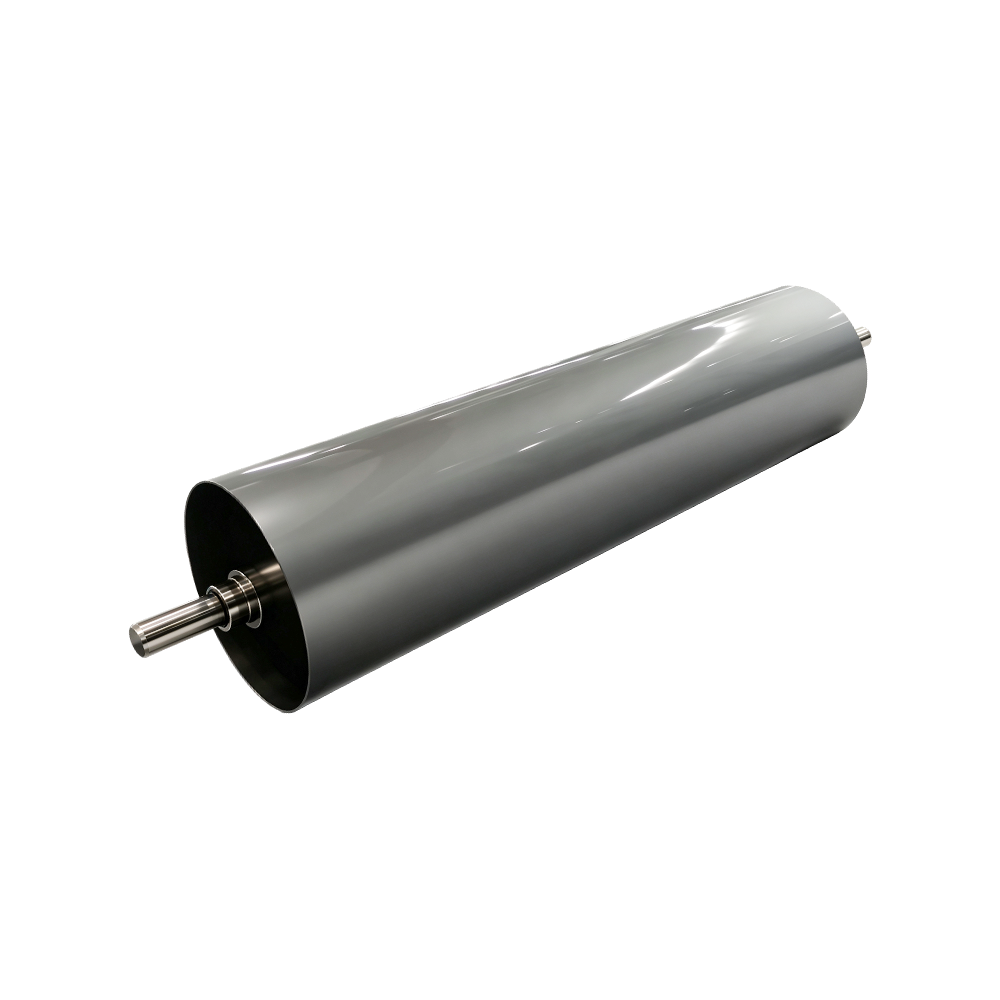
A matt-finish calendering roller still depends on profile accuracy under load, not on texture alone.
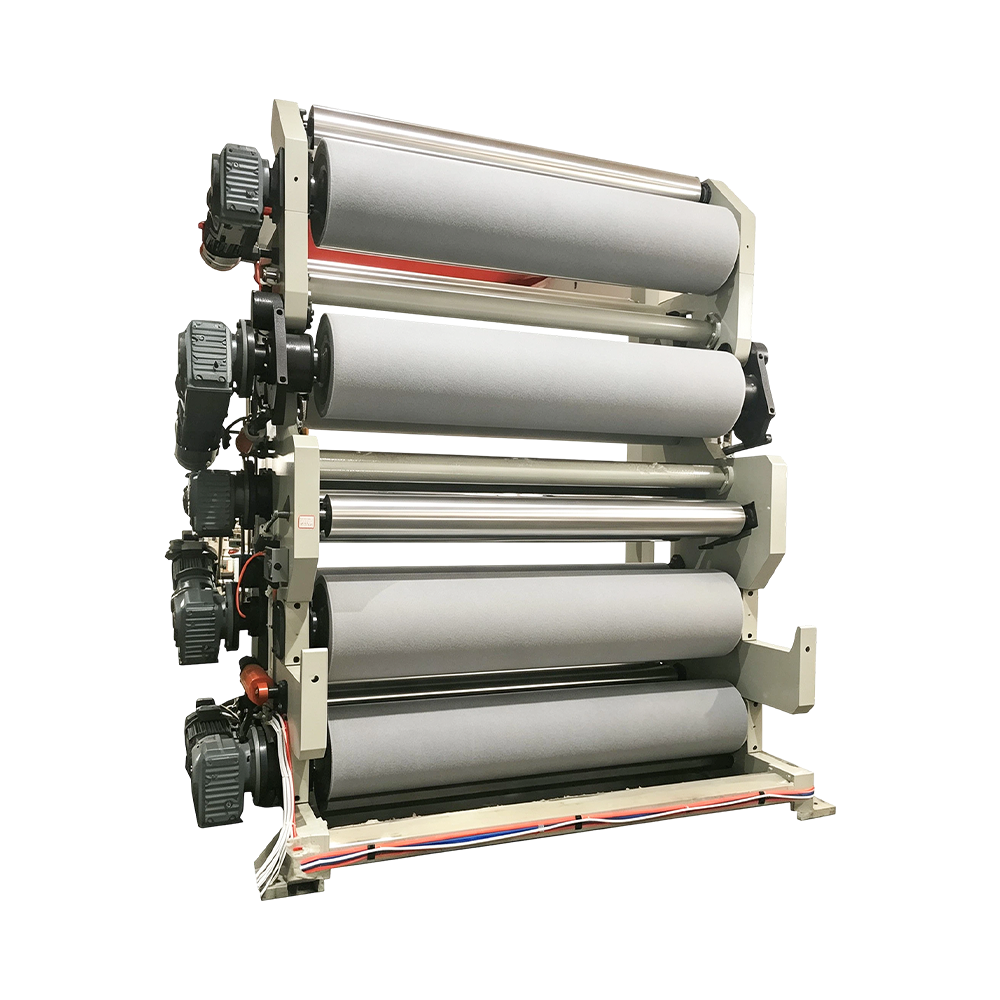
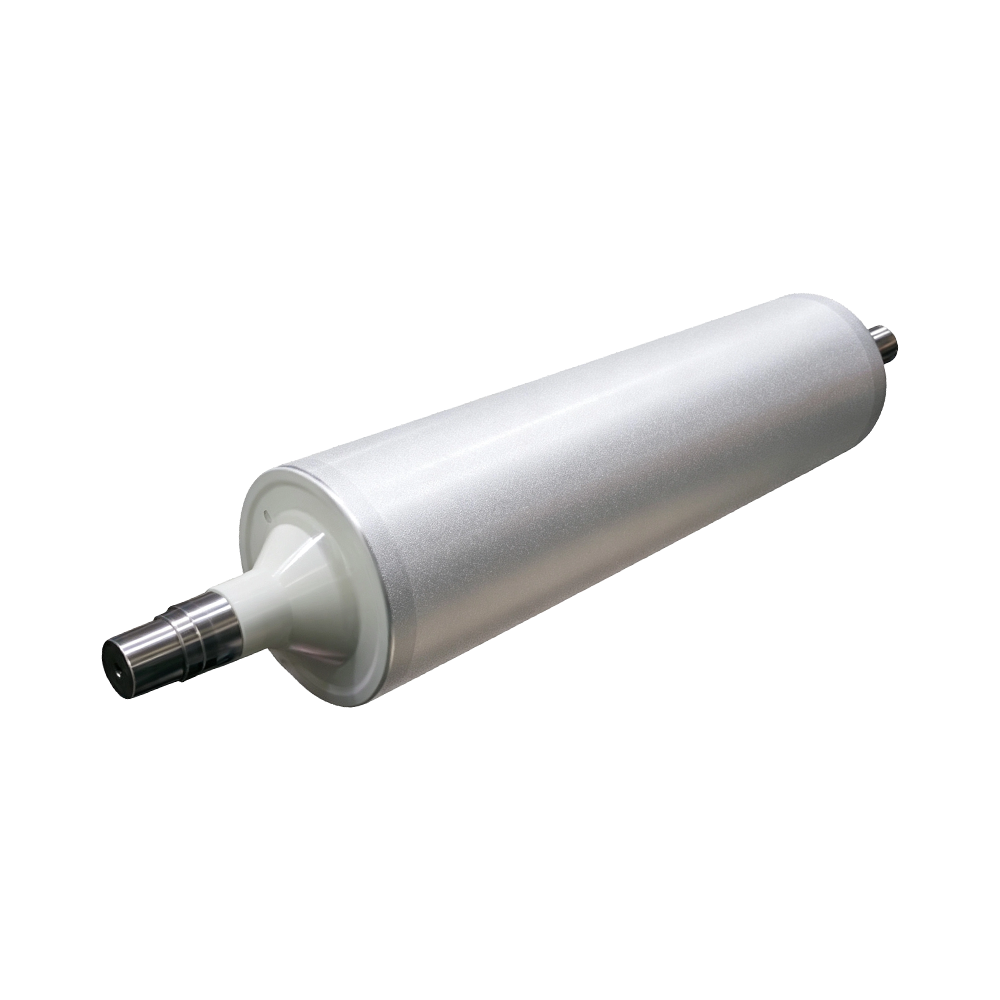 Matt Finish Calendering Roller for Film and Sheet SurfacesSmoothing roller for matte or anti-glare film and sheet finishing, using controlled roughness and temperature uniformity to support stable production.View Product →
Send these data with the inquiry:
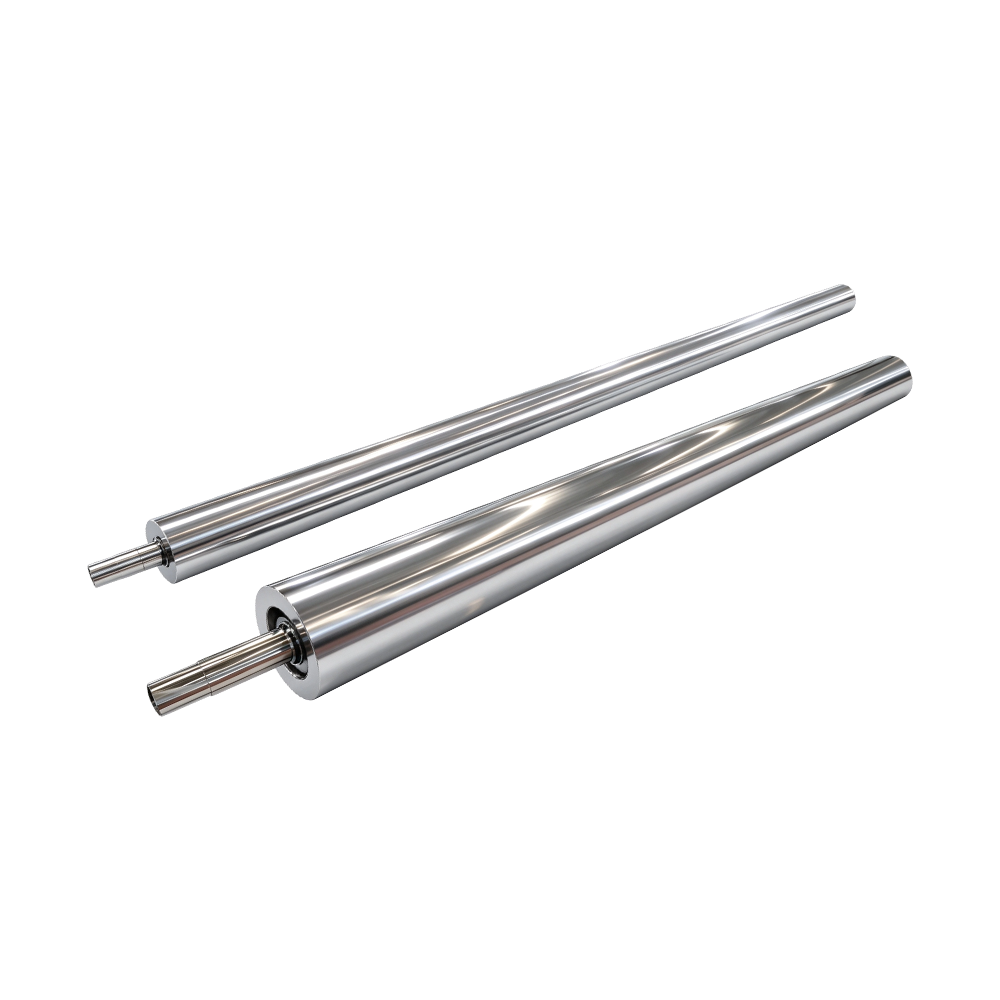
For existing lines, include current runout and nip impressions. Guangyu Roller Machinery's calendering roller portfolio and custom engineering support can be considered when the roll must match a specific finish and operating window. Mirror finish is common for gloss and release, but the crown tolerance still governs. A mirror-finish calendering roller is only "uniform" when its profile is verified under load.
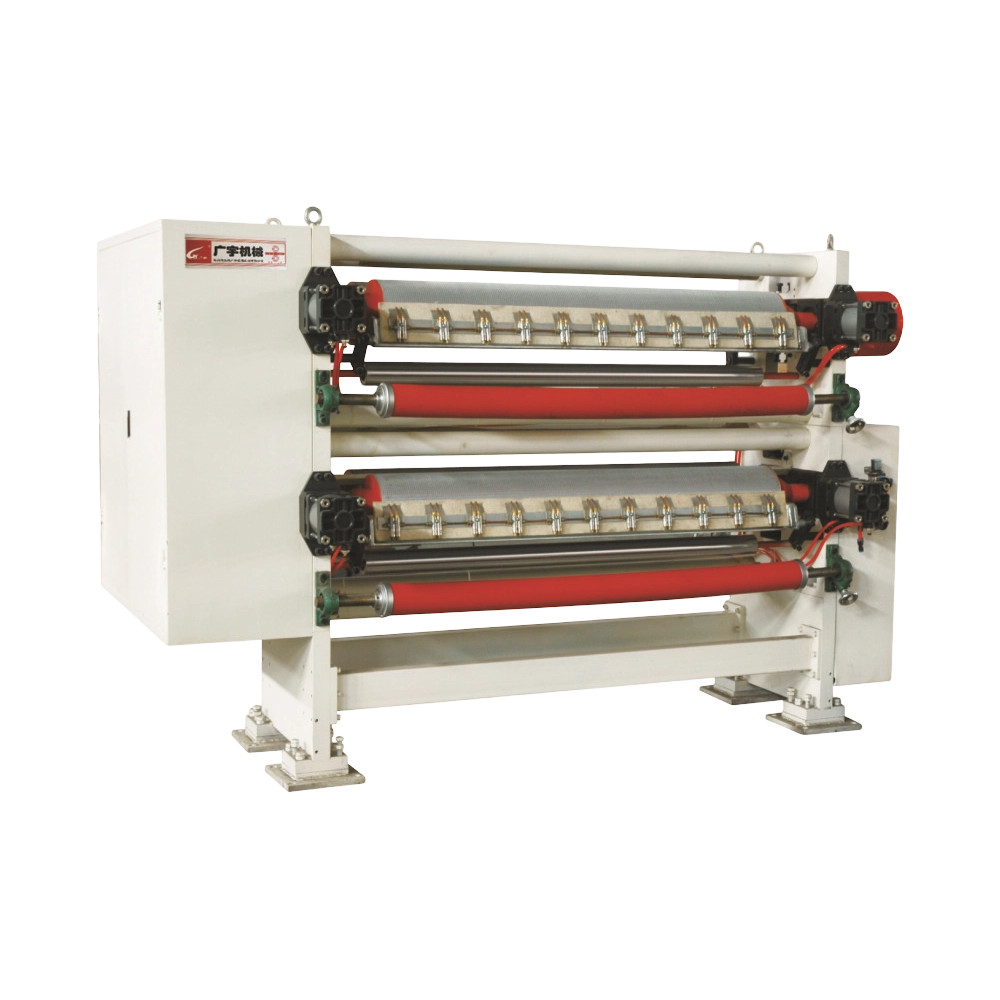
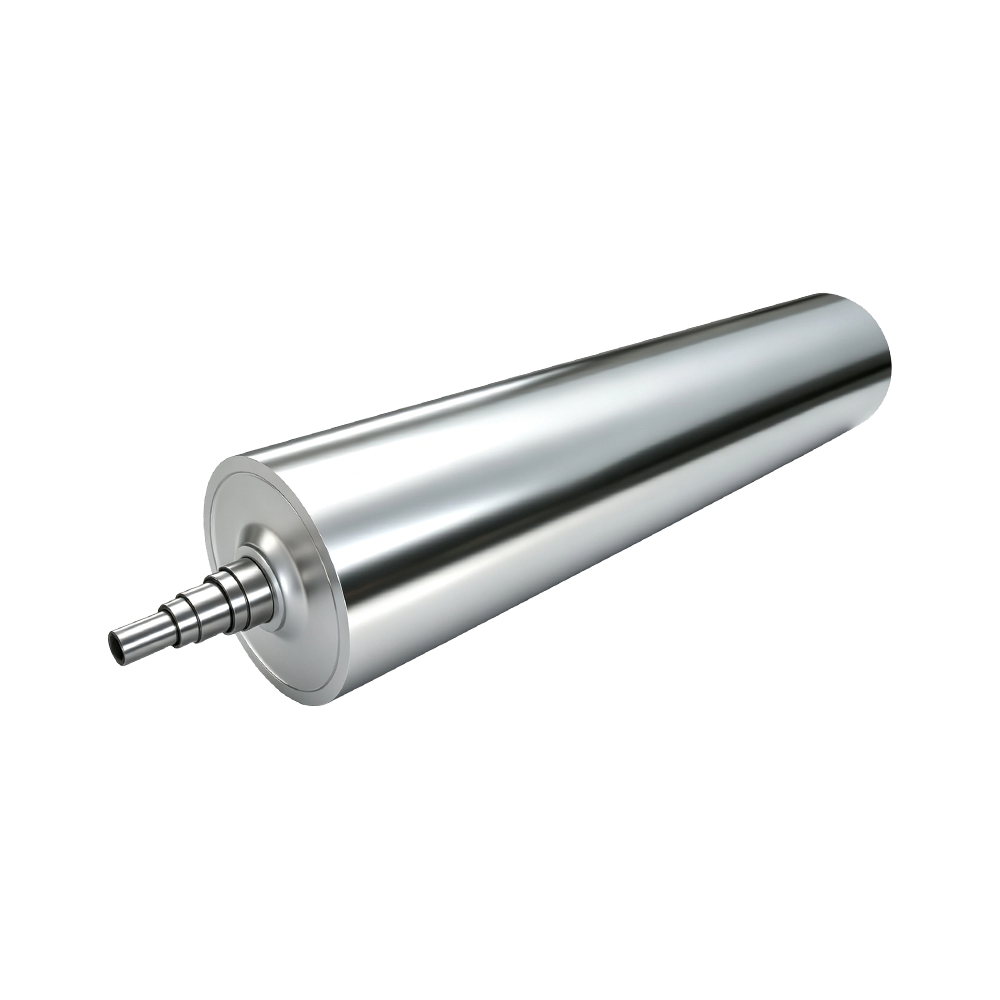 Mirror Finish Calendering Roller for Film and Sheet LevelingUnpatterned roller for mirror-like smoothing and leveling of films, nonwovens, paper, and composites, with precision polishing and temperature control.View Product →
Measure at thermal equilibrium, not immediately after start-up. Record surface temperature at drive side, center and operator side, then take a strip profile or nip impression at production speed. Do not chase crown on a cold roll if the process runs hot; thermal growth can move the effective profile by several microns on a wide face.
Separate the effects before changing hardware. Run an empty-nip check, then a loaded check with material. Compare center and edge thickness at the same line speed and tension. If bending pressure changes the symptom quickly, the mechanical correction range may be sufficient. If the profile shifts slowly with temperature, thermal crown or internal flow distribution deserves attention. Keep a baseline record of crown, bending pressure, temperature and product profile so later adjustments start from evidence.
Chrome wear, scratches and texture clogging change the effective nip. Laser-engraved surfaces need cleaning that preserves geometry, and journals should be protected during storage. Log re-grinds, chrome history and bending recipes together. A roll that is re-crowned without updating the line's correction recipe often runs worse than before, even when the new profile is within the drawing tolerance.
No. Narrow machines and light nip loads may hold tolerance without it, but the loaded profile should still be verified. Wide, hot or high-load lines usually need a defined correction method.
Only within limits. Thermal control is useful for slow drift, but it responds slowly and can introduce edge-to-center variation if internal flow is uneven. Mechanical bending or variable crown is usually faster.
Center thickness rises relative to the edges, especially after nip load or bending pressure is reduced. Compare cold and hot profiles before grinding; the fault may be thermal or alignment-related rather than crown.
Base it on product risk. Film and thin sheet may need single-digit micron control across the usable width, while tissue and some nonwovens accept a broader band. State the measurement method and operating condition, because a cold static profile is not the same as a loaded running profile.
The practical rule: define the operating window, verify the loaded nip, and keep crown, bending and temperature records together. That is how calender roll crown compensation stays a controlled variable instead of a recurring scrap cause.

Tel:

E-mail:

Add:

Copyright © Changzhou Wujin Guangyu Embossing Roller Machinery Co., Ltd. All Rights Reserved Precision Industrial Rollers Manufacturer Calendering Machines Factory
